Key takeaways
- Members care about pace and presentation more than the power source on a rough pass.
- Quiet electric units can work near play when routes and pauses are planned with starters.
- Greens and bunkers still signal human care even when fairways run on maps.
- Communicate route changes before league weeks and tournament setup.
- Vendor-neutral integrators align member messaging with superintendent calendars.
Do members actually notice robotic fairway mowers?
Most players notice pace, lie, and walk-off grit before they notice who cut the rough. When autonomous units take fairway and rough passes, the member question is whether anything feels different at the tee, in the landing zone, or on the path to the next hole.
According to May 2025 reporting in The Philadelphia Inquirer, Philadelphia Cricket Club leadership described electric autonomous mowers as quiet and discreet during play, comparing them to a small animal in the distance rather than a traditional gang mower on a hill. USGA Green Section research on robotic mowing notes that golfer reactions vary by hole layout, but many properties report neutral or positive responses when presentation stays consistent.
Superintendents should plan member communication around what changes and what does not. Greens speed, bunker edges, and pro shop service still read as human-led even when fairway height is robot-led.
How does noise shape morning tee times?
Electric autonomous units often run when gas ride-ons would wake neighbors or echo across a valley. That matters for courses with housing along the ninth fairway or resorts that host dawn leagues.
Starters still need clarity on which holes may see a slow-moving unit crossing a connector at 6:30 a.m. A one-page run sheet beats a radio chase when a group reaches a blind corner.
If your property hosts amplified events, note that fairway robots are separate from sound equipment and cart staging. Members confuse the two only when nobody explains the schedule.
Document member comments for thirty days after go-live. Patterns show whether you need an extra pause on a connector or more staff time on walk-offs members mention by name.
Document member comments for thirty days after go-live. Patterns show whether you need an extra pause on a connector or more staff time on walk-offs members mention by name.
Document member comments for thirty days after go-live. Patterns show whether you need an extra pause on a connector or more staff time on walk-offs members mention by name.
Document member comments for thirty days after go-live. Patterns show whether you need an extra pause on a connector or more staff time on walk-offs members mention by name.
Document member comments for thirty days after go-live. Patterns show whether you need an extra pause on a connector or more staff time on walk-offs members mention by name.
Document member comments for thirty days after go-live. Patterns show whether you need an extra pause on a connector or more staff time on walk-offs members mention by name.
Document member comments for thirty days after go-live. Patterns show whether you need an extra pause on a connector or more staff time on walk-offs members mention by name.
Document member comments for thirty days after go-live. Patterns show whether you need an extra pause on a connector or more staff time on walk-offs members mention by name.

What sightlines should superintendents manage?
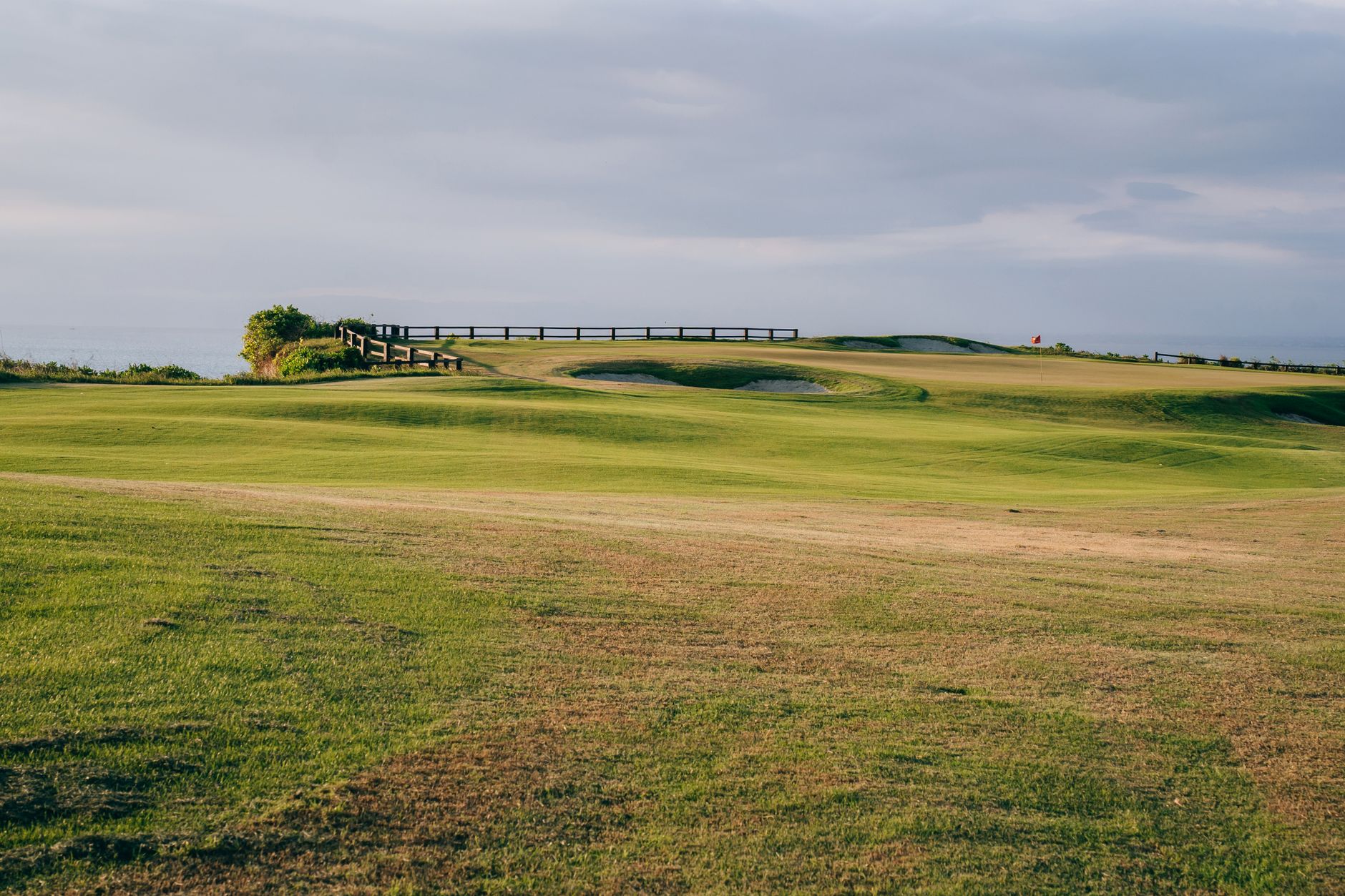
Small units working rough read differently than a triple mower on a horizon line. Camera-facing holes during televised events may need manual striping plans that robots do not replace.
Keep robots out of player lines on par threes where a white box would distract. Map keep-outs for galleries during member-guest days the same way you rope cart paths.
When a unit is visible, members often appreciate knowing it means a crew member is edging bunkers instead of riding a fairway loop. Tie the sightline to a visible human detail elsewhere on the hole.
Does pace of play change when fairways are mapped?
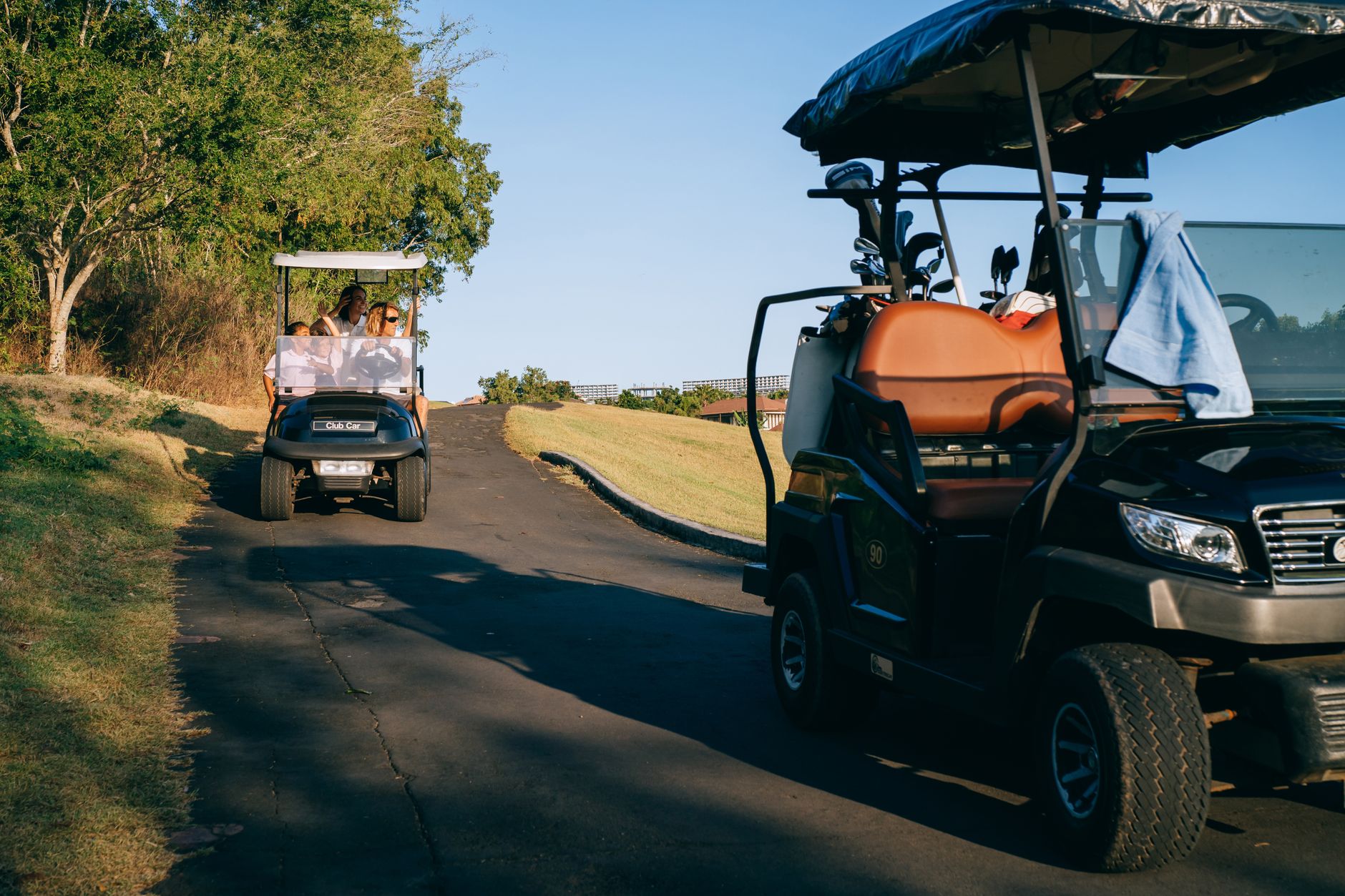
Pace usually changes only if routes cross active play without pauses. Build holds for shotgun starts, junior leagues, and frost delays into the same calendar you share with the golf shop.
Autonomous passes can improve consistency so groups find more uniform lies in rough panels. That can speed decisions if rough height stopped being a lottery.
When a unit faults mid-morning, have a starter script ready. Members forgive technology faster when the club communicates a backup plan for the affected hole.
League nights with double carts may need tighter geofences than weekday mornings. Log cart counts during assessment week so maps reflect real traffic, not a quiet Tuesday.
League nights with double carts may need tighter geofences than weekday mornings. Log cart counts during assessment week so maps reflect real traffic, not a quiet Tuesday.
League nights with double carts may need tighter geofences than weekday mornings. Log cart counts during assessment week so maps reflect real traffic, not a quiet Tuesday.
League nights with double carts may need tighter geofences than weekday mornings. Log cart counts during assessment week so maps reflect real traffic, not a quiet Tuesday.
League nights with double carts may need tighter geofences than weekday mornings. Log cart counts during assessment week so maps reflect real traffic, not a quiet Tuesday.
League nights with double carts may need tighter geofences than weekday mornings. Log cart counts during assessment week so maps reflect real traffic, not a quiet Tuesday.
League nights with double carts may need tighter geofences than weekday mornings. Log cart counts during assessment week so maps reflect real traffic, not a quiet Tuesday.
Where does Service Robot Co. fit member-facing planning?
We map fairways and rough with superintendents, then align run calendars with tee sheets before the first public robot pass. Buy outright or use financing quoted after site assessment.
RoboCare support gives a named triage path when a unit stops before a medal round. The GM should not be decoding vendor phone trees at dawn.
Vendor-neutral selection keeps member messaging honest: we are not selling a single brand story, we are selling predictable presentation with staff hours returned to guest-visible detail.