Key takeaways
- Clubhouse scrubbers target hard floors members see after golf, not fairway turf.
- Locker rooms and bar corridors need maps that respect drains, mats, and peak traffic.
- Overnight runs work when F&B and events finish and doors can be secured.
- Vendor-neutral integrators pair indoor scrubbers with outdoor fairway programs.
- RoboCare support covers triage when a unit stops before the morning rush.
Why are clubs looking at cleaning robots indoors?
Fairway automation gets the headlines, but members also judge the club by wet lobby tile, locker room grit, and sticky bar floors after a busy Saturday. Autonomous scrubbers handle those hard surfaces on a schedule your staff does not have to walk behind every night.
GCMOnline reported in August 2025 that U.S. courses adopting autonomous mowing often redeploy people toward guest-visible detail. Indoor floor robots extend the same idea into the clubhouse footprint without asking turf crews to grab mop buckets after a long day outside.
The goal is not to eliminate porters or housekeeping leads. It is to stop burning their hours on wide, repetitive scrub paths when a mapped machine can run after close.
Which clubhouse areas suit an autonomous scrubber?
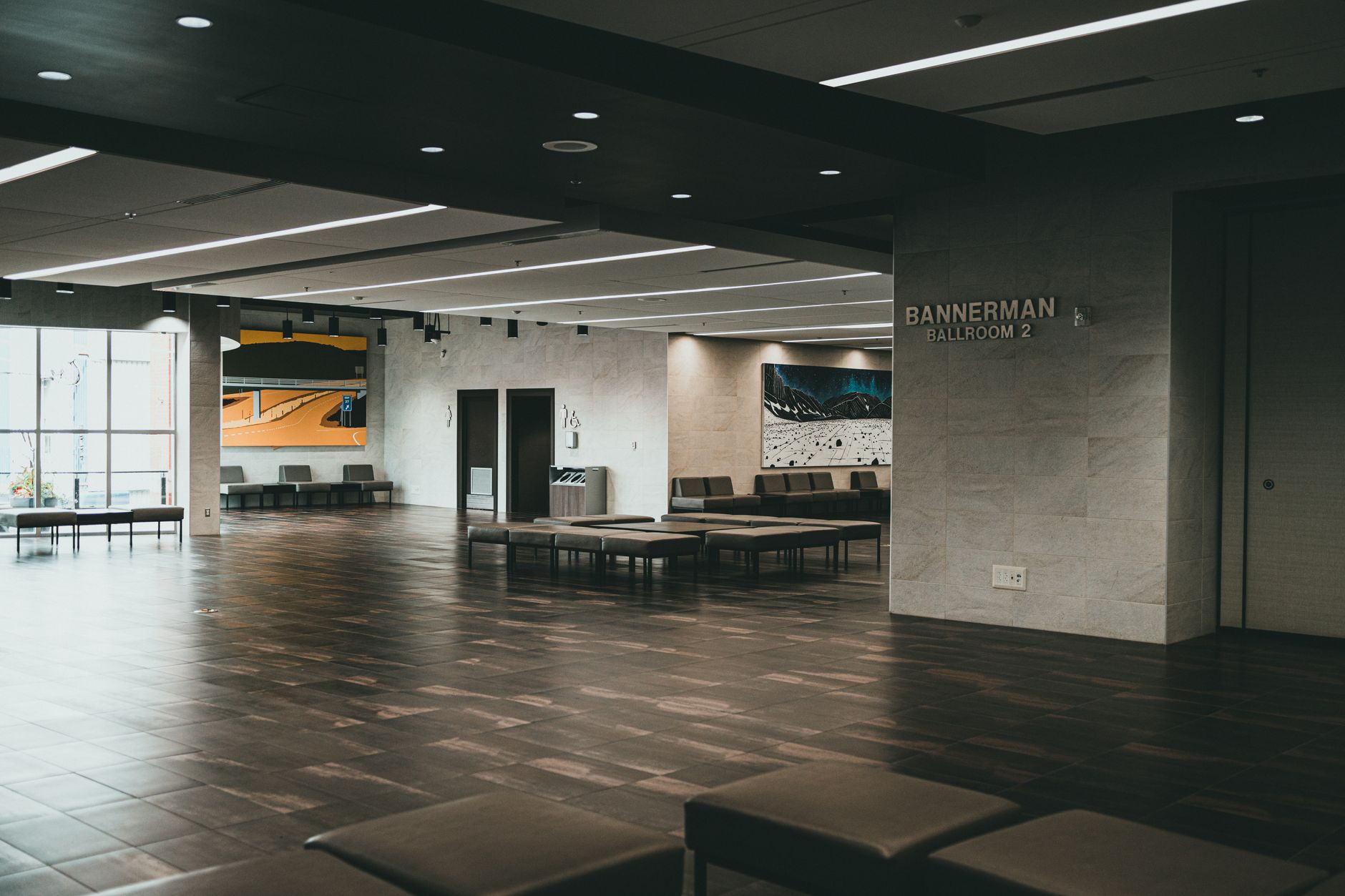
Pro shop entries, main corridors, and banquet pre-function halls are common first zones. They are mostly hard floor, open, and empty late at night.
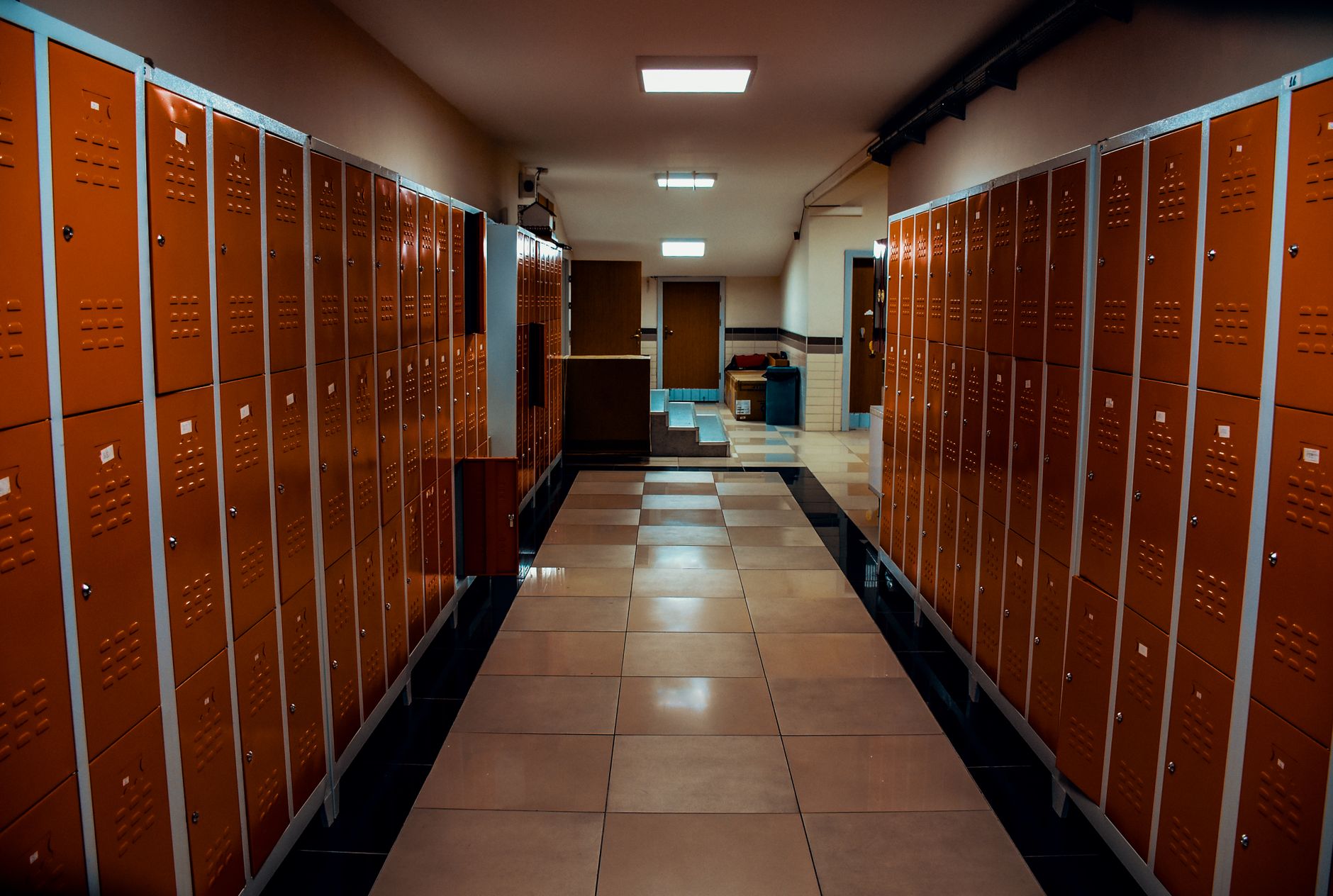
Locker room anterooms and tile transitions can work when drains, benches, and lockers are mapped as keep-outs. Steam and constant moisture mean your agronomy-minded superintendent should walk the map with housekeeping, not delegate it to a generic template.
Kitchen-adjacent corridors need coordination with F&B so grease hotspots get pretreatment humans still handle. The robot maintains the wide path; staff hit the trouble spots.
- Main lobby and pro shop hard flooring
- Banquet and meeting pre-function areas
- Locker room anterooms and tile transitions
- Bar and patio hard surfaces after close
- Back-of-house corridors away from fry lines
How should schedules differ from fairway robots?
Clubhouse scrubbers follow building keys, not tee sheets. Run them after the last event staff leave, when doors lock and chairs are stacked.
Weekend wedding turnovers may need a pause or a second short cycle between teardown and Sunday brunch setup. Build those holds into the schedule owner calendar.
Fairway mowers and indoor scrubbers should not share one vague automation plan. Different monitors, different pause rules, same RoboCare contact when something fails at 2 a.m.
What should GMs ask before buying or leasing?
Floor type matters: coated concrete, quarry tile, and engineered wood transitions each need the right pad and chemistry your distributor approves. Bring samples or photos to site assessment.
Ask how the unit handles narrow doorways, elevator thresholds, and rug transitions members cross in street shoes. Map them, do not assume the robot will slow down on its own.
Financing paths should be quoted for the indoor unit separately from any fairway mower project so the board sees clear indoor ROI without mixing turf capital requests.
How does Service Robot Co. fit clubhouse projects?
We remain vendor neutral across scrubber brands and fairway mower lines. A club can start indoors, outdoors, or both with one integrator for mapping, training, financing paperwork, and RoboCare service.
Site assessment walks happen with facilities and housekeeping leads, not only the superintendent. The deliverable is a labeled map, a run calendar, and a named alert owner before the first overnight scrub.
If only the clubhouse is ready today, deploy there first. Fairway polygons can follow when agronomy finishes keep-out work on the course side.
What does member-facing success look like?
Members notice dry, clean entries on early tee times more than they notice a robot closet. Success is a lobby that looks tended even when overnight staffing is thin.
Housekeeping leads should track recovered hours the same way turf teams track fairway automation. Assign those hours to locker detail, patio furniture, or event resets members actually mention in surveys.
When a unit faults, the fix is a service ticket and a clear member communication plan if morning events are imminent. RoboCare triage exists so facilities are not guessing vendor phone trees at midnight.