Key takeaways
- Cart paths and patios are member-visible; sweepers target debris robots should not chase on turf.
- Routes must respect tee sheets, cart rules, and storm holds like any outdoor automation.
- Sweepers pair with fairway programs under one vendor-neutral integrator and service plan.
- Walk-offs and path mouths are where freed mower hours should show up for members.
- Site assessment maps keep-outs for curbs, drains, and bridge transitions before the first run.
Why do superintendents automate cart path sweeping?
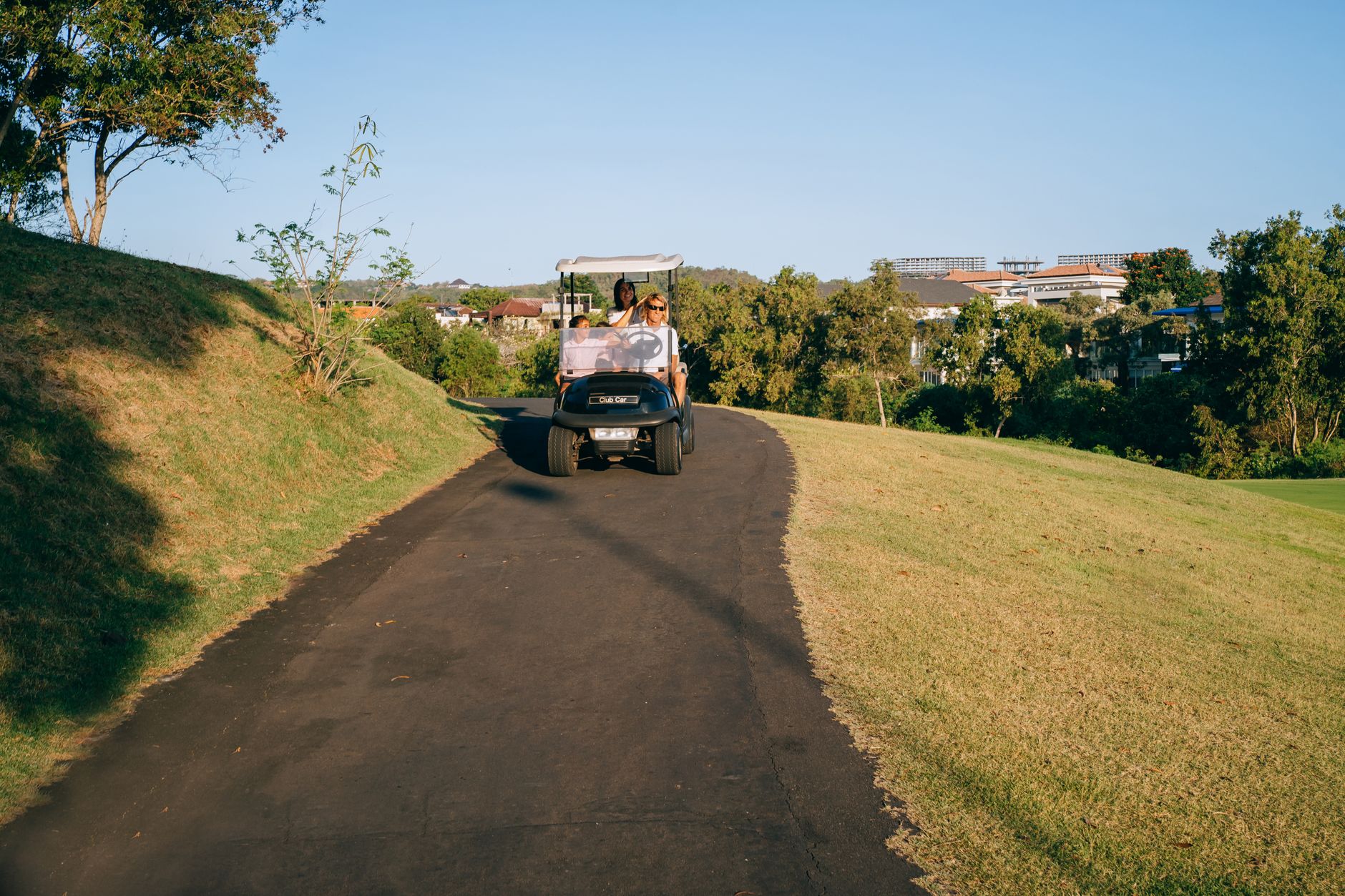
Members notice sand in the cart path grooves before they notice a half-inch difference in rough height. Cart paths, patio pavers, and walk-offs collect divot mix, blown-in litter, and pine straw every busy weekend. A blower crew can chase that debris for hours while fairway robots hold turf height in the background.
GCMA reported in October 2025 that Aspley Guise and Woburn Sands Golf Club redirected about 20 weekly hours from routine mowing toward walk-off areas and detail work after adding robotic mowers. The same labor math applies on U.S. properties where presentation on connectors between holes matters as much as the fairway strip.
Autonomous sweepers follow mapped paths on hard surfaces so people stop making the same loop with a backpack blower at dawn. The goal is not to eliminate outside staff. It is to make path presentation predictable before the first tee time.
Which path and patio zones suit a sweeper first?
Start with wide cart paths between green and next tee where curves are gentle and curbs are consistent. Clubhouse patios and bag-drop aprons are strong second zones when furniture can be mapped or moved on a fixed schedule.
Steep grades, wooden bridges, and tight switchbacks need manual review before you automate. Mark drains, sprinkler heads, and bunker noses as keep-outs the same way you geofence greens for fairway robots.
Pro shop frontage and range ball mats usually stay manual because foot traffic and loose objects change hourly. Let the sweeper own the predictable hardscape loops first.
- Main cart path corridors between holes
- Bag drop and staging aprons after close
- Patio pavers outside the grill room
- Walk-offs from green to path mouth
- Parking lot connectors members walk at dawn

How should schedules respect tee sheets?
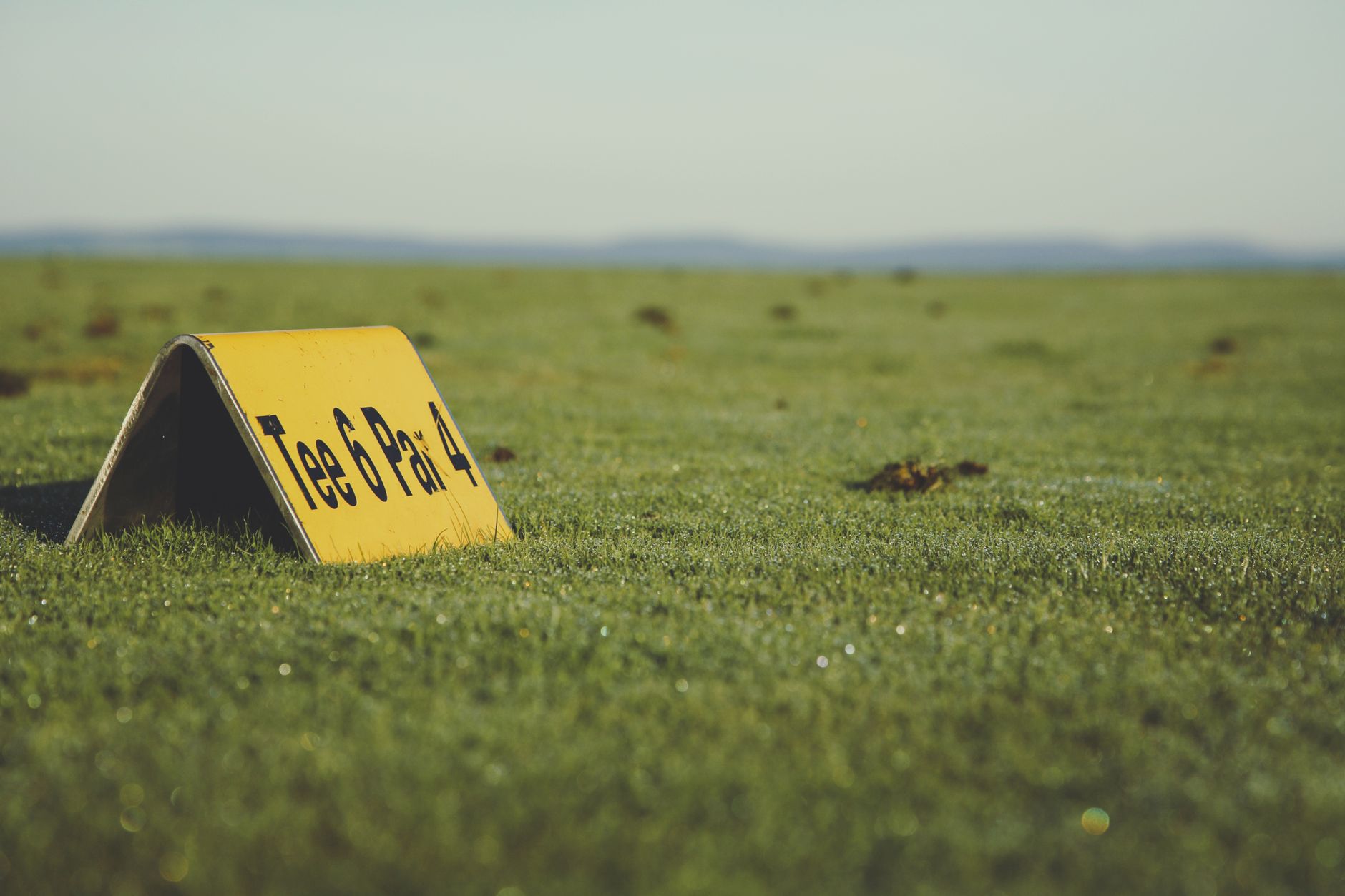
Path sweepers follow cart rules, not agronomy charts alone. Build pause windows for shotgun starts, league nights, and tournament setup when carts stack on connectors.
Early morning runs work when frost is gone and carts are still in the barn. Midday passes fit some municipal properties with thin afternoon play. Never run a sweeper blind through a live crossover without a starter agreement.
Weather holds matter. After heavy rain, paths may need to dry before a sweeper rides curbs. Tie holds to the same lightning policy you use for manual crews.
How do sweepers fit beside fairway robots?
Fairway robots and path sweepers share mapping discipline but not the same surface. Turf polygons stay separate from hardscape routes so a turf unit never wanders onto pavers and a sweeper never cuts across a collar.
Charging and storage can sit in different yards. One integrator can still own both maps, training calendars, and RoboCare alerts so the superintendent has one call when something faults before member play.
Financing quotes should show path equipment separately from fairway capital requests so boards see presentation ROI without mixing turf acres.
What should GMs expect members to notice?
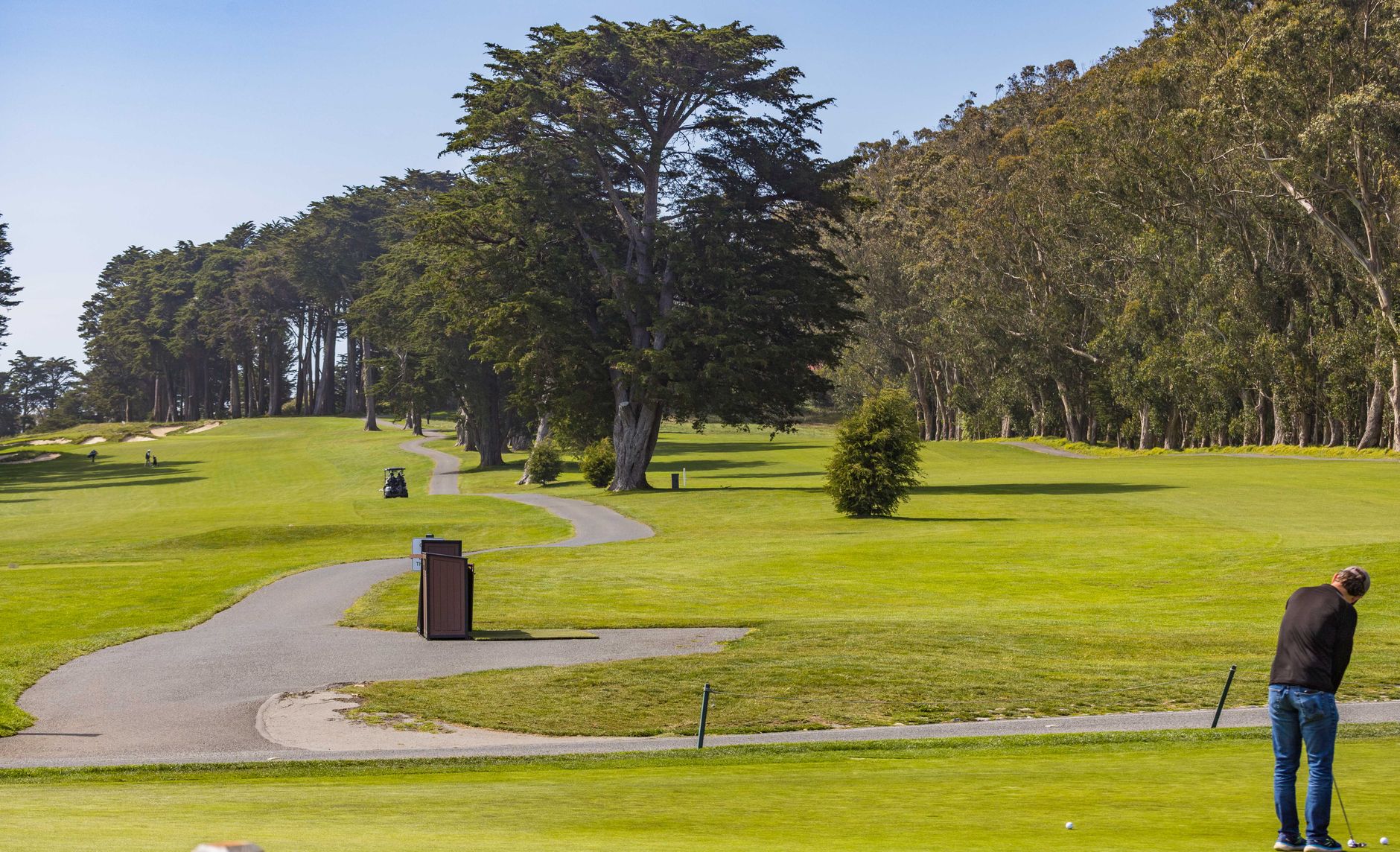
Members comment on clean walk-offs and path mouths when they walk to the next tee. They rarely comment on the power source of the sweeper if leaves and sand are gone.
Pair path automation with visible hand work on bunkers and cups so the property feels tended, not only machine-tended. Redeployed mower hours should show up where guests look between shots.
Communicate briefly in the newsletter when routes change for an event. A sentence about early-morning path cleaning prevents surprise at the first crossover.
Where does Service Robot Co. fit path sweeping?
We remain vendor neutral across sweepers, fairway robots, clubhouse scrubbers, and patrol units. Site assessment walks include path widths, curb heights, and drainage with the superintendent and facilities lead.
Deliverables are labeled maps, run calendars tied to tee sheets, and named alert owners before the first autonomous sweep. Buy outright or use financing quoted after the walk.
RoboCare support covers triage when a unit stops overnight. The superintendent should not be decoding vendor phone trees at 4 a.m. before a member guest day.