Key takeaways
- A patrol robot covers the gaps between gates and cameras, but only where the lot layout and lighting let it see.
- Weather, dust and tall stored rigs cut sensor range, so a site assessment comes before any coverage promise.
- Patrol-only units observe and report, while camera-based systems add continuous watch, and both still need a human responder.
- Ask who verifies each alarm, how fast, and what counts as an escalation before you sign anything.
- Vendor false-alarm figures vary widely, so measure your own alert log during a trial on your lot.
Does a patrol robot fit an RV and camper storage lot?
For many lots, yes. A patrol robot works as a mobile sensor and reporter, walking the rows of stored units on a schedule that a fixed camera cannot match. It finds what sits outside the camera frame, but it does not replace the person who answers the alarm.
The stakes are real. Radsecurity reports that in early 2025 squatters took over an RV storage lot in City of Industry, California, damaged more than 50 campers, and the lot's security staff stopped trying to retrieve units. In May 2025, more than 30 units were burglarized overnight at a Nashville facility, and the manager did not find the damage until about 15 hours later.
Both cases share one failure: nobody knew for hours. Coverage design starts from that gap.
How does lot layout change what a robot can see?
Layout decides sightlines. Victoria RV & Boat Storage in Rancho Cucamonga, California, describes a lot of more than 12 acres with 500 or more indoor and outdoor spaces and two keypad gates. San Jose RV storage lists 325 outdoor spaces on blacktop, with spaces from 20 to 60 feet. Those figures mean long patrol routes and deep rows.
Tall rigs block sightlines. One RV owner on a Jayco forum reported a camera view blocked by another RV and a tree branch. That is anecdote, but the mechanism is common: a robot's sensors and a fixed camera both lose line of sight behind a tall coach or an overhanging branch. Survey the rows themselves, not only the perimeter.
What do lighting, gates and fencing change?
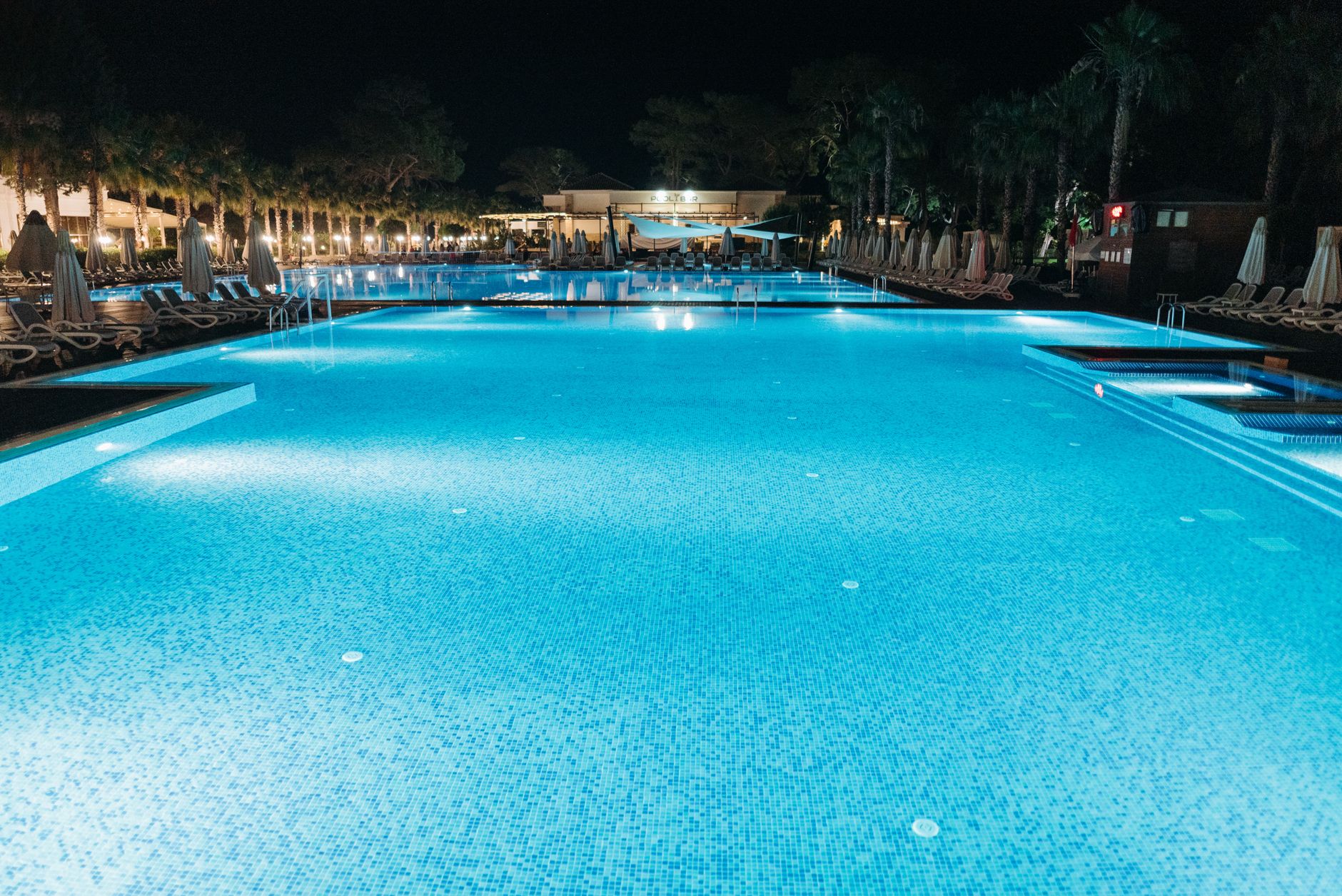
Lighting sets what cameras and sensors can resolve after dark. Victoria RV & Boat Storage says on its own site that its outdoor areas are well lit at night, with cameras throughout. A survey should confirm that on the ground, at the rows where lighting falls off, rather than taking it from a brochure.
Gates are choke points. A keypad gate gives you a fixed place to log entries and to start a patrol check. A gate with no camera or sensor on the approach, though, leaves the lane between the gate and the first row unwatched. Alert 360 describes video that watches gates, rows, parking areas and perimeter zones where assets sit exposed after hours.
Fencing defines the perimeter zones a patrol must walk. Open blacktop in the middle of the lot is usually the easiest ground for a robot to cover. Corners behind storage buildings and along tree lines are usually the hardest.
How does weather affect what the robot can detect?
Weather is the variable buyers most often underestimate. Hokuyo-USA says IP67 is generally considered the industry standard for harsh outdoor applications, and recommends integrated heaters for frost and fogging. Fdatabot says IP65 to IP67 is sufficient for most outdoor robots, with IP66 to IP67 better for heavy rain.
LiDAR is sensitive to rain and dust. Fictionlab reports that light rain at 2 to 5 mm/h can reduce LiDAR range roughly 10 to 25 percent on common 905 nm units, based on published automotive testing, and that dense fog under 50 m visibility can cut range to a fraction of spec. It also says radar usually tolerates dust better than LiDAR. Smartbotparts reports that unsealed sensors can lose 30 to 40 percent of detection range from dust.
A practitioner report from a Ningbo forklift yard put heavy rain at 15 to 30 mm/h at an effective range of 14 m, and fog at 8 to 12 m. A yard is not a storage lot, but the physics carries over. Ask the vendor what range it guarantees in your weather, and ask for the test conditions behind that number.
Patrol-only or camera-based: which approach fits?
Patrol-only means the robot walks routes, senses and reports. It covers the whole lot once per pass, but the rows between passes go unwatched. Robotomated says quadruped platforms typically run 2 to 4 scheduled patrol missions per day of 60 to 90 minutes, so the gaps are measured in hours.
Camera-based means fixed cameras watch gates and rows continuously, with analytics that flag motion. It closes the gaps, but it multiplies alarms, because wind, rain, snow, temperature swings, shifting sunlight and animals all trigger sensors. Intellisee lists these as common causes of false alarms, especially in parking lot systems.
Most lots end up combining the two: fixed cameras for gates and the perimeter, and a robot for the rows and for checking alarms on site. The real choice is less about the hardware than about who verifies what the system reports.
How much of the alarm load lands on your team?
False alarms set the real cost. Intellisee, citing the International Association of Chiefs of Police, says up to 98 percent of US security alarm activations are false, and it says 10 to 20 percent of patrol officers' time goes to responding to them. Those are vendor-published figures, so treat them as a reason to measure, not as a benchmark.
Ask for alert logs from comparable sites, then run a two-week trial on your own lot before committing. Count alerts per night, count how many were real, and time each response from alarm to verification.
What should you ask about overnight coverage and escalation?
Put these questions to any vendor, including us, before you sign.
- Ask who verifies an alert, and whether that person or system is on duty between midnight and dawn.
- Ask whether an alarm reaches a human before a dispatch, or goes straight to a phone.
- Ask how many patrol passes run each night, and which rows fall between them.
- Ask whether the robot can only observe, or can dispatch to verify. Robotomated says the K5 is an observation and deterrence platform that cannot physically intervene.
- Ask what escalation protocol is written into your post orders, who is called first, and within what window.
- Ask who is accountable for a missed incident, and what the logs show afterward.
Where does Service Robot Co. fit into the plan?
Service Robot Co. is a full-service commercial robot integrator for US businesses. We are OEM-neutral, so we pick the right robots across manufacturers for your lot, then finance, deploy, integrate, train and service every unit through a nationwide US engineer network. One vendor covers the full lifecycle.
Customers get our robots through a 3-year lease, with one fixed payment quoted after a site assessment. That assessment is where the questions in this guide get answered on your ground: lighting, gates, fencing, sightlines, weather exposure and where alarms should route.