
The question, in the buyer's words
Our bagged mulch and soil yard in Lakeland, Florida stacks pallets outdoors through summer heat, and two of our forklift drivers quit every July; how would we start autonomous forklifts on those yard stacks before next summer?
Key takeaways
- Lakeland summers stay warm after dark too, with a typical July low near 74°F, so a night shift is not a cool shift.
- A robot takes over repetitive moves, not the whole yard, so people stay on loads that need judgment.
- Outdoor fit depends on ground, drainage and stack layout, and a free site assessment checks all three first.
- OSHA's proposed heat rule sets 80°F and 90°F heat index triggers, and the yard can plan to them now.
- Working back from next summer, a winter assessment and an early spring pilot leave time before the heat peaks.
Can autonomous forklifts handle a Lakeland outdoor soil yard in summer heat?
Yes, but only on the right yard. An autonomous forklift can take repetitive pallet moves off a Lakeland outdoor soil yard, where summer heat is what pushes experienced drivers to quit, provided the ground, the stack layout and the travel routes suit a machine. Palletized bagged mulch and soil is a predictable load, and predictable loads suit this kind of machine, but the ground under the route matters as much as the machine itself.
This page covers the local facts that shape the decision: the Lakeland climate, the labor market for yard drivers, the heat rules that apply to outdoor work and the forklift risk figures that set the baseline. It then sets out where a robot fits and where it does not, and how to start so a pilot is tested before next spring's order peak.
The honest answer is that a robot will not fix a heat problem on its own. It takes over the moves that wear people down the most. The rest of the yard, including judgment calls on damaged bags, loose loads and mixed trucks, still needs a person.
How hot does a Lakeland summer get on an outdoor yard?
Lakeland sits in Polk County in central Florida, and an outdoor yard there is exposed to the state's hot, humid summers. According to daily climate data compiled from NOAA records by a weather data aggregator, a typical July high in Lakeland is about 92°F and a typical July low is about 74°F.
The low is the figure managers tend to underestimate. A yard that stays near 74°F after dark gives drivers little relief between shifts, so a night run is not automatically a cool run. Early morning or late evening scheduling may help, but this research did not measure how much, so test it on your own yard before relying on it.
Humidity matters too, and the research for this page did not verify a heat index figure for the area. The National Weather Service Tampa Bay office and the NOAA climate tools can supply heat index history for the Lakeland Linder station, and that history should set the break schedule before the first July shift.
Why do forklift drivers quit when summer heat peaks?
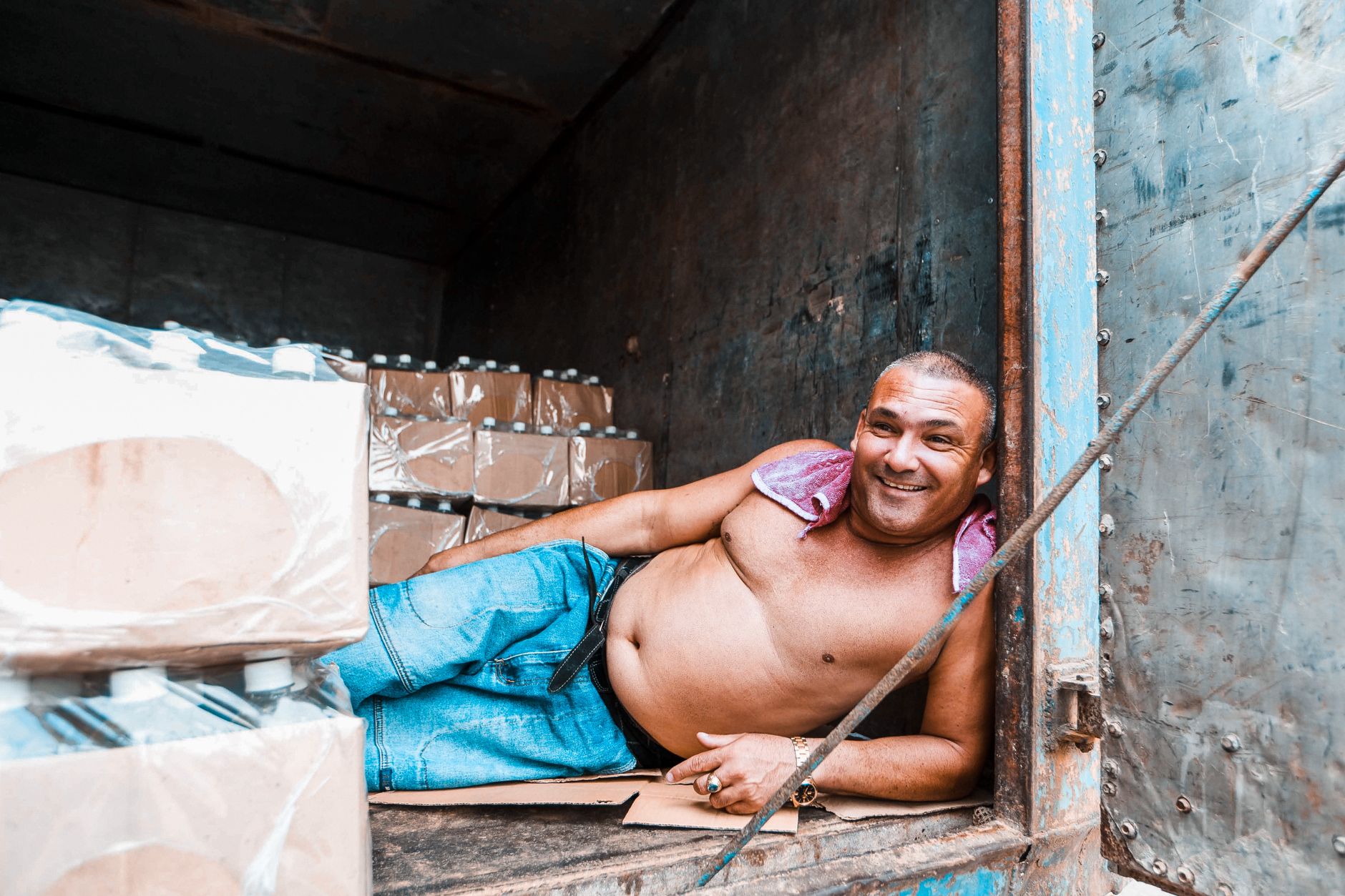
The job draws from a large national pool, so the shortage is not a matter of headcount on paper. According to the Bureau of Labor Statistics Occupational Outlook Handbook, there were about 6.9 million hand laborers and material movers jobs in 2025, and about 904,200 openings per year are projected from 2025 to 2035. That projection counts growth and replacement together, so it does not measure how many drivers leave in a given July. The same handbook notes that schedules can include nights and weekends, and that the occupation has some of the highest injury and illness rates of all occupations.
Local labor data points the same way. According to a public data site that aggregates BLS figures, Polk County's unemployment rate was 5.6% in August 2026, not seasonally adjusted, up 0.3 points from August 2025. For the Lakeland metro area, the same kind of source reports 5.5% in May 2026, up 1.1 points from a year earlier, and a ranking of 6th highest among 108 metro areas with labor forces over 250,000. The county and metro figures come from different geographies and months, so read them as context rather than a direct comparison.
Looser local labor markets mean more applicants, but they do not explain why drivers leave in July. Those exits are more likely to reflect heat and hours than the local job market, although no local figure in this research measures it. Taking the hottest repetitive moves off the schedule changes what the remaining job asks of people, and that is where retention has a chance.
What heat rules apply to outdoor forklift work in Florida?
There is no finished federal heat standard for outdoor work yet. According to a law firm briefing from April 2026, OSHA's proposed heat rule would set an initial heat index trigger of 80°F for water and break areas, and 90°F for heat illness monitoring and mandatory 15-minute breaks. The briefing still describes the rule as a proposal, and the research for this page did not confirm its status after that date, so check the latest Federal Register status before you finalize a heat plan.
Two points matter for a yard manager. The triggers are heat index figures, which combine air temperature with humidity, so a Lakeland day can reach them on a forecast high that looks ordinary. Also, a proposal that is not final does not remove existing workplace safety duties, which apply to an employer now. Set water, shade and break plans for the drivers you have, rather than waiting for the rule.
How dangerous are forklifts in a yard, by the numbers?
The risk is real, and the federal figures are dated. OSHA's Region I directive on powered industrial trucks, issued for FY2018, cites roughly 85 forklift fatalities and 34,900 serious injuries per year, with estimates of about 1.5 million workers operating over 855,900 powered industrial trucks. Those figures are several years old, but they are the baseline most safety documents still repeat, so use them as scale rather than as a count for Lakeland.
A trade news summary of OSHA data reports 75 to 94 workers killed per year from forklift mishaps between 2011 and 2017. Put together, the lesson for a yard is that the danger concentrates where the yard is busiest, at loading lanes, staging rows and the spots where a driver reverses toward a stack with people nearby. Fewer repetitive moves by a tired driver in the heat can reduce exposure, though it does not replace traffic rules, training and separation from pedestrians.
Where do autonomous forklifts fit an outdoor soil yard, and where do they fall short?
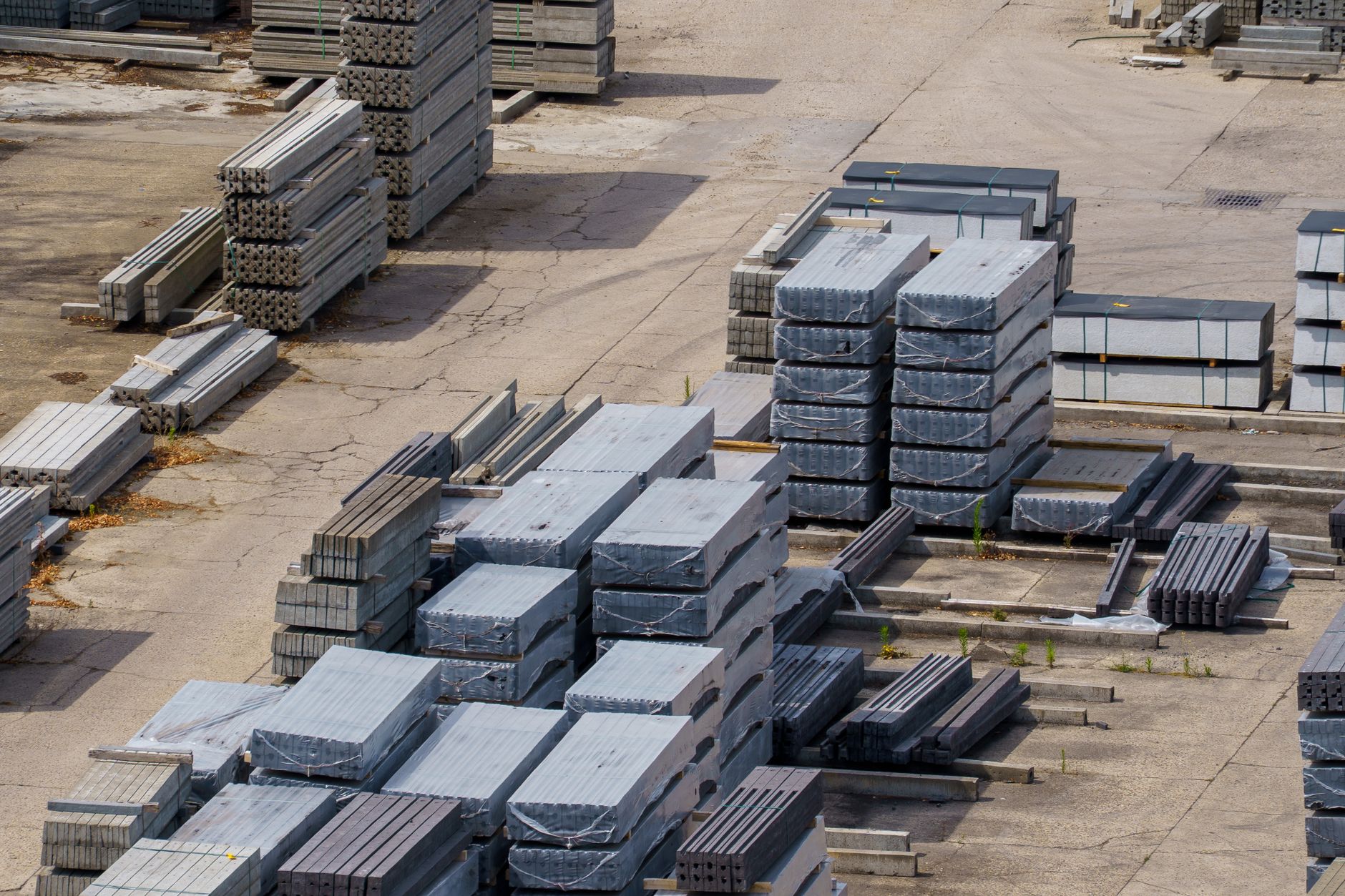
A soil and mulch yard is not a warehouse. The floor is usually gravel, compacted soil or asphalt with drainage slopes, and the stacks sit in rows that move with the season and the order book. An autonomous forklift needs a route it can read every shift, a surface that does not shift under its wheels and a predictable place for each pallet. The site assessment checks those three things before anything else.
Lakeland's logistics base is a reason to look at the yard seriously. According to a Lakeland economic guide, the area has over 28 million square feet of industrial and warehouse space and over 12,500 people employed in supply chain and logistics, with the year not stated in the source. Your drivers have other local employers to choose from, which is one more reason to reduce dependence on the hardest, most repetitive moves.
Where the fit is good: steady moves from receiving to fixed staging rows, between rows that stay put, on firm and drained ground. Where it is weak: standing water after storms, soft ground at the yard edges, loads that need a person to check for torn bags or leaning stacks, and trucks loaded in mixed sequences. Those jobs can stay with people, and many yards will split the work that way.
How do we start an autonomous forklift pilot before next summer?
Working back from next summer makes the sequence clear. Start with a free site assessment this winter, when the yard can be walked and mapped without the spring rush. The assessment checks ground, drainage, stack rows, traffic, charging and the routes a robot would run, and the lease quote comes after it.
Then pilot one set of stack rows in early spring, with one leased unit, before spring orders fill the yard. A pilot shows whether the ground, the rain and the stacking habits hold up over several weeks of real work. It also gives the drivers who remain time to learn the new traffic pattern before the heat arrives.
Go-live should land with a buffer before the sustained summer heat that the July figures describe. If the pilot shows the yard needs regrading or a second charging spot, the schedule moves to the next window. Set the start date from the assessment, not from the calendar, and build the slip room in from the start.
What does the lease cover, and how is the yard robot paid for?
The cost is set in the quote, which comes after the free site assessment, and this page does not give prices. What the quote reflects is the site work, the number of routes and units, and the service level. We are OEM-neutral, so we pick the right robot across manufacturers for your yard, lease it through financing, deploy and integrate it, train your staff and service it.
Financing means the yard does not have to put a large up front cost into the robot. The lease covers maintenance under our service plan, and regional service engineers in each state we service handle dispatch, so a unit that goes down on a July afternoon is worked by a nearby engineer rather than a distant queue.
Be realistic about what the comparison should be. The meaningful numbers are unfilled July shifts, overtime paid to drivers who stay, and injury exposure on tired crews, set against the lease and the yard work needed to prepare it. The site assessment is where that comparison becomes specific to your yard.
What still needs people after the robots arrive?
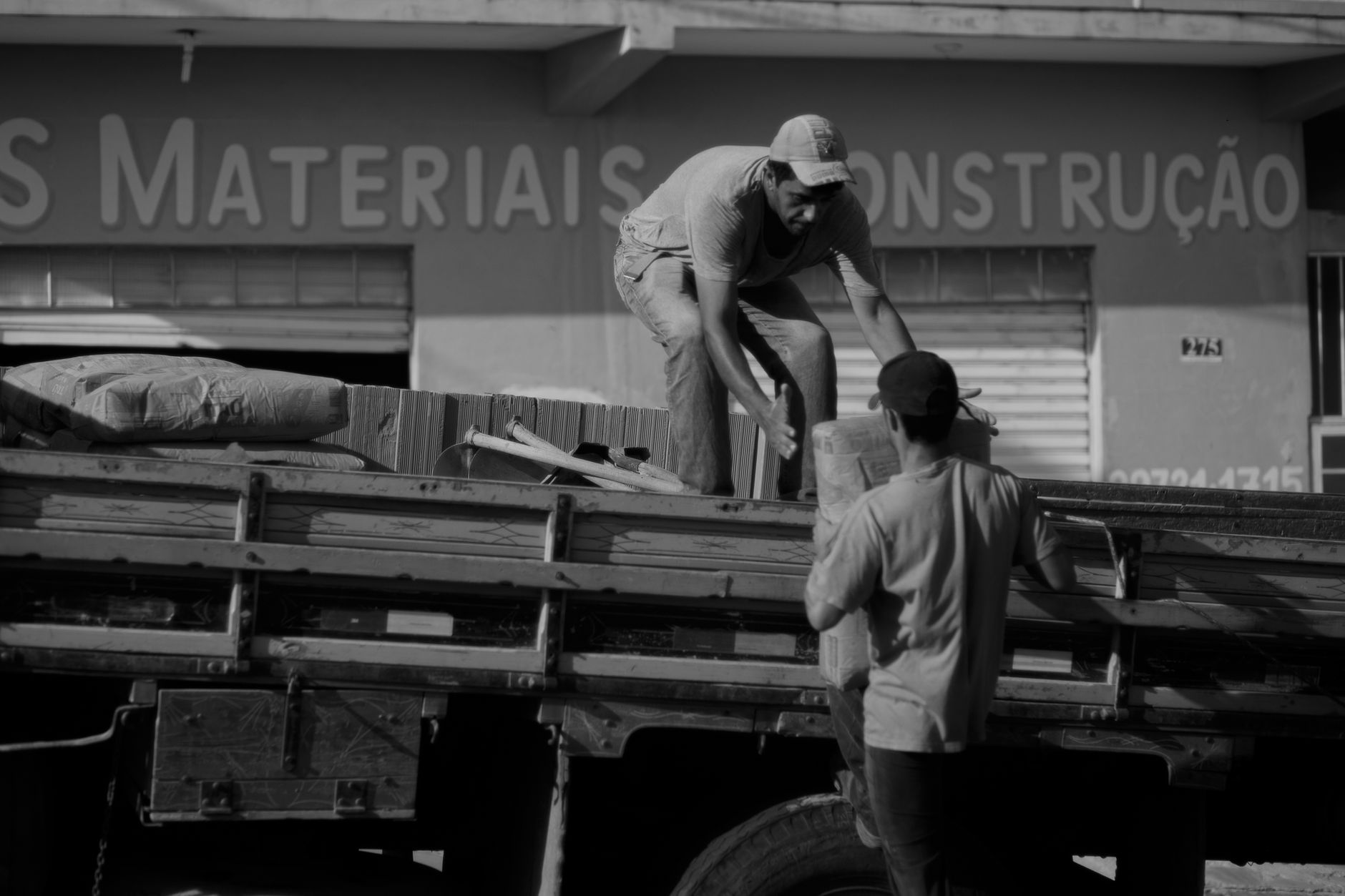
Plan for fewer forklift hours, not zero. Robots take the repetitive moves between set rows, but loading a mixed truck, checking bagged product for damage, moving a stack that has shifted and recovering a pallet that falls outside the route are jobs for people. A yard that keeps a few experienced drivers for those tasks will need a smaller crew in the heat than before.
The drivers who stay still need a heat plan, and the proposed OSHA framework ties its break and monitoring triggers to heat index levels. Set water, shade and break schedules now rather than after a final rule. Move the hottest manual moves into the early morning, rotate drivers out of direct sun and keep water and shade near the staging rows.
Retention is also about what the job feels like. A driver who spends fewer hours in the sun on repetitive moves, and more time on checks, dispatch and robot oversight, is doing a changed job. Some people will prefer it and some will not. Ask your drivers before the pilot, and listen to what they say about the hours they dread most.
Frequently asked questions
Upcoming warehouses & 3pl events
Want an autonomous forklift at your outdoor landscape supply yards?
Tell us about your site. We will recommend the robot, quote the lease, and keep it serviced.
Sources
- BLS Occupational Outlook Handbook, hand laborers and material movers
- Polk County unemployment data from a public data site that aggregates BLS figures
- Lakeland metro unemployment data from a public data site that aggregates BLS figures
- OSHA Region I powered industrial trucks directive, FY2018
- Trade news summary of OSHA forklift data, 2011 to 2017
- Law firm briefing on OSHA proposed heat rule, April 2026
- Lakeland economic drivers guide
- Daily climate data for Lakeland from a NOAA-based weather data aggregator