
The question, in the buyer's words
I run a 15-acre rebar fabrication yard in Birmingham, Alabama, and cut bundles sit on the yard pads overnight until the morning crew forks them to the cages; I'm ready to start, so how do we begin running autonomous forklifts on those yard moves?
Key takeaways
- Autonomous forklifts fit the repeat pad-to-cage move, not every task on a rebar yard.
- Birmingham July rain and heat put drainage and battery planning on the checklist.
- Overnight running removes people from the lanes the robot uses, which is the main safety gain.
- Time the morning crew's forking for one week before choosing a lane.
- A free site assessment comes first, and the lease quote follows it.
Can autonomous forklifts handle overnight bundle moves at a Birmingham rebar yard?
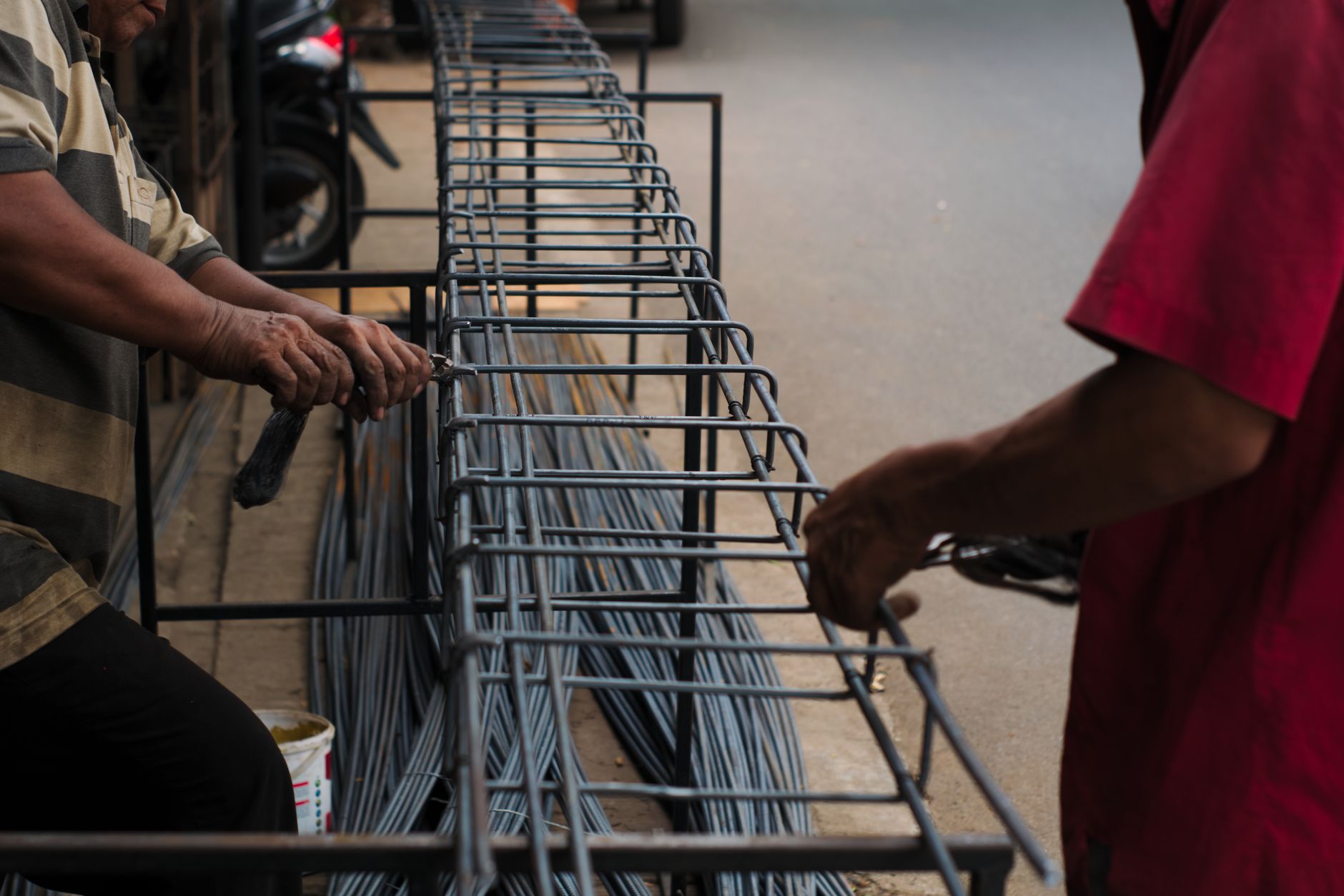
For a Birmingham rebar yard, the overnight bundle moves are the clearest case for autonomous forklifts. Cut bundles finish during the day, sit on the yard pads overnight, and the morning crew forks them to the cages once they arrive. When the crew is short, bundles wait longer and cages fill late. The repeat move from pad to cage is the part of the work a forklift can run without a person driving, as long as the route stays the same from one night to the next.
Autonomous forklifts follow mapped paths, stop for people and obstacles, and work best where the lanes repeat. They are a poor fit for work that changes every shift, such as building a stack from scratch, reaching into mixed trucks, or moving loads that an operator must inspect by eye. Most rebar yards have both kinds of work, so the first decision is which moves repeat.
Published benchmarks for this kind of yard are thin. An industry-wide environmental product declaration for fabricated rebar, as reported by a trade publication, drew on data from 10 fabricators and 17 shops. I found no verified staffing or turnover data for rebar yards and no count of bundle moves per shift, so the numbers that matter most for your yard will come from your own timing and the site assessment.
What does the overnight bundle move on a rebar yard involve?
The move has four parts: the forklift leaves the staging area, picks a bundle, carries it along a lane to a cage and sets it down. Each step depends on the ground, the bundle and the path. A 15 acre yard can hold many pads, and the distance from pad to cage decides how many trips a night are worth automating, since a short, straight lane repeats cleanly.
Rebar bundles are long and heavy, and how a bundle rests on dunnage or pallets decides the fork setting and whether the load stays stable on the way. A bundle that shifts can spill bars into the lane. Ask your fabrication team to describe a typical bundle and bring one example to the site assessment, along with the pad layout.
Before any quote, time one week of the morning crew's forking. Note how long each move takes, where crews wait and which lanes they cross. That baseline shows whether the gain comes from fewer late cages or from crew hours returned to other work. Without it, the business case is guesswork.
- Count of staging pads and the distance from each pad to its cage
- Typical bundle weight and length, and whether bundles sit on dunnage or pallets
- Low points where water stands after heavy rain
- Lanes and crossings the morning crew uses at shift change
- Hours the crew spends forking bundles, timed over one week

How does Birmingham weather affect autonomous forklifts on a yard at night?
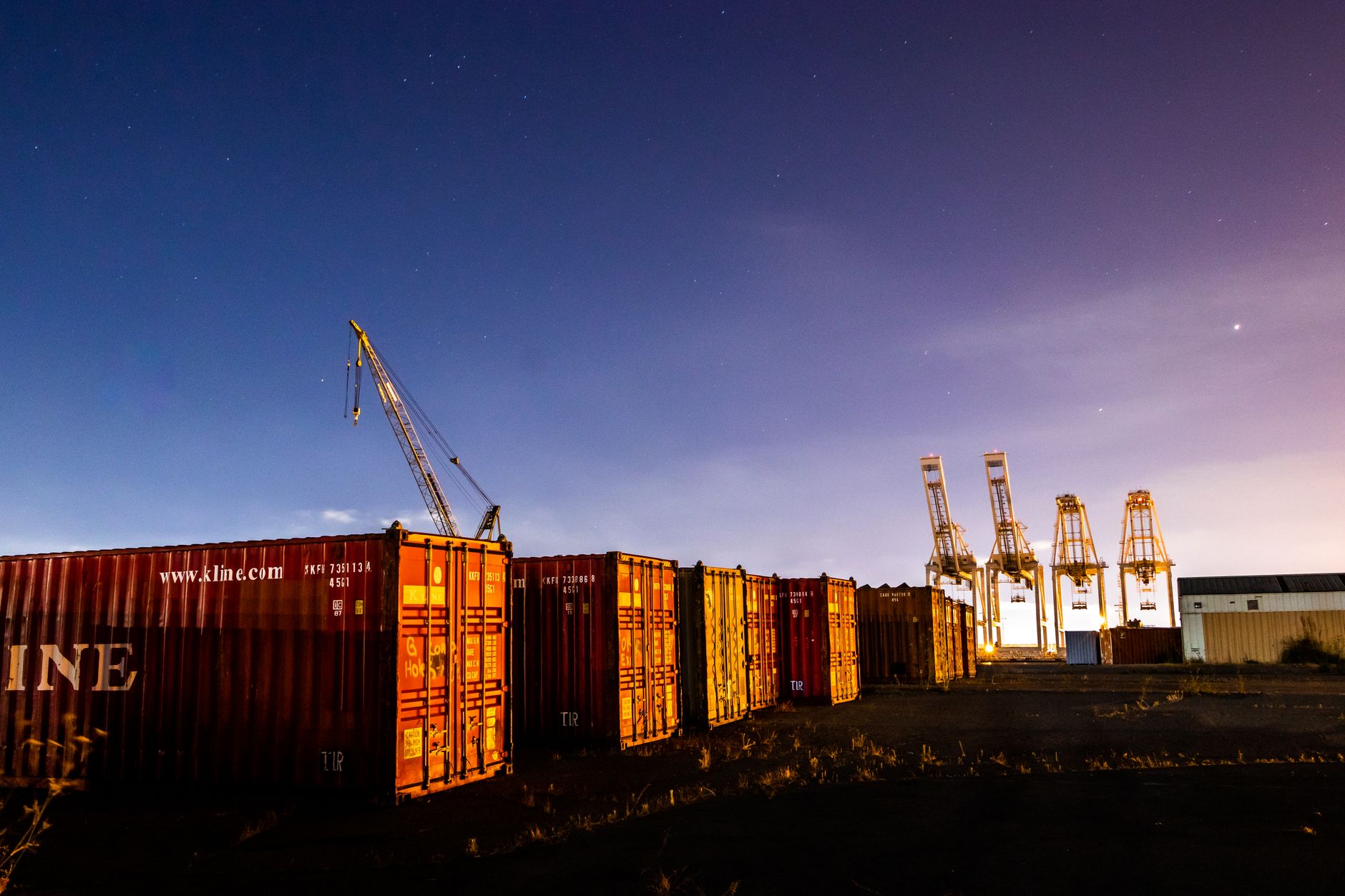
Birmingham summers are hot and wet. A local weather almanac gives July an average of about 5.38 inches of rain, second only to March as the wettest month. On a rebar yard, rain creates standing water, soft pad edges and muddy lanes, so a route that runs well in dry weather can fail after one storm.
The same almanac, using 1981 to 2000 averages, puts the average July high at 90.8 F and the overnight low at 71.4 F. Heat affects batteries, charging and the sensors and surfaces the robot reads, so the vehicle's operating temperature range belongs in the site assessment. A warm night at the end of a hot day is the condition to test.
I did not retrieve official National Weather Service normals for Birmingham, so these almanac figures are a local reference to verify before they drive any design decision. The practical test is a rainy night during the trial, with the route watched closely and the low spots checked the next morning.
Is there enough labor in Birmingham to staff the morning forking?
The labor pool is large, but the morning gap is hard to fill. A compiled summary of 2024 federal data counts about 37,960 people employed as hand laborers and material movers in Alabama. That is a statewide figure, and I found no count for the Birmingham metro area alone.
The metro is also a manufacturing center that competes for the same workers. Federal Reserve Bank of St. Louis economic data puts durable-goods manufacturing employment in the Birmingham-Hoover area at about 28.8 thousand in December 2025, up from 27.4 thousand in 2022, with the 2024 annual figure at 28.7 thousand. Primary metal manufacturing in the metro was about 5.3 thousand in 2025, flat from 2024. Statewide, fabricated metal product manufacturing was about 27.9 thousand in December 2025, down from 28.0 thousand in November.
A steel tube producer has also announced an expansion in Jefferson County. Growth like this pulls workers toward plants with steady schedules, which is why a yard short on morning hands should not count on hiring alone. The robot does not replace the morning crew. It takes repeat forking off the crew's list, which is the honest case for a short-handed yard.
What safety changes when an autonomous forklift runs on a yard?
Forklifts are a serious hazard in any yard. Per the Bureau of Labor Statistics Census of Fatal Occupational Injuries, 5,283 fatal work injuries occurred in the US in 2023, down 3.7 percent from 5,486. That count covers all industries, so it shows the scale of the risk without breaking out rebar yards.
A trade article citing the same federal data says pedestrians struck by forklifts are the leading cause of lift truck work fatalities. Overnight operation removes people from the lanes the robot uses, which is the main safety gain. The risk moves to the morning, when the crew crosses lanes the robot has just used, so the trial must define crossings, lighting and stop zones before go live.
A robot does not remove an employer's duties for powered trucks. Your safety lead should review federal rules for powered industrial trucks, your insurer's requirements and how the robot stops and detects people on wet ground. Those checks belong before the first night run, not after the first incident report.
How do we start autonomous forklifts on our rebar yard?
The first step is a free site assessment. We map the yard, the pads, the cages and the lanes the morning crew uses, and we check ground condition after rain. We are an OEM-neutral integrator, so the forklift is picked across manufacturers for your loads and ground, not from one catalog.
Once the site is mapped, we quote the lease payment through financing, a fixed robot lease payment set in writing before anything is deployed. Deployment and integration follow, covering the route setup, a test run on one lane and training for the night and morning leads. The unit is then serviced under our service plan, with regional service engineers in the states we serve.
A sensible first scope is one lane, one group of pads and one shift. That keeps risk and learning small and gives you real overnight data to judge before adding a second route. Expansion is a planning step, not a leap of faith.
What should we check before we say yes?
The answer changes with a few facts about your yard. Check them before the site assessment, because together they decide whether a lane is worth automating.
The most important is the repeat move. If bundles leave the pads in one predictable sequence, the route can be fixed. If each night's pad layout changes, the robot will spend its time waiting for a clear path and the savings fade.
The second is ground. Standing water after July storms, soft pad edges and gravel ruts each change the answer. The third is the bundle, because weight and how it rests on the forks decide whether the move is stable. Keep the morning crew's crossings in view too, since shift change is where the risk concentrates. Note whether bundles are wet when they reach the pads, because damp steel changes what the crew expects at the cage.
Where on the yard should the forklift work first?
Start where the move repeats and the ground is firm. The zones below mark the parts of a rebar yard where a forklift has a real job and the parts where it should wait for a person.
The lanes between pads and cages are the trial. The pads and cages are the endpoints, and the crossings are where the morning crew and the robot meet. Keep the wet low spots off the route until drainage is confirmed, even if the rest of the lane runs clean. Give each zone an owner on the yard team, so a change in the zone reaches someone who can update the route.
Expand only after several weeks of clean logs. A second lane or a second pad group is a small change once the first lane has a record of stable runs, through both dry nights and at least one wet one.
Frequently asked questions
Put a robot to work in Birmingham.
We walk your site, learn the job, and recommend the unit that fits. Then we quote the lease, deploy it, and keep it serviced.
Sources
- Bureau of Labor Statistics, Census of Fatal Occupational Injuries news release
- Local almanac, Birmingham climate averages (not National Weather Service)
- Federal Reserve Bank of St. Louis, Birmingham-Hoover durable goods manufacturing employment
- Federal Reserve Bank of St. Louis, Birmingham primary metal manufacturing employment
- Federal Reserve Bank of St. Louis, Alabama fabricated metal product manufacturing employment
- Compiled federal employment summary, Alabama hand laborers and material movers
- Trade publication, fabricated rebar environmental declaration sample
- Trade article summarizing federal injury data on pedestrians and forklifts