
The question, in the buyer's words
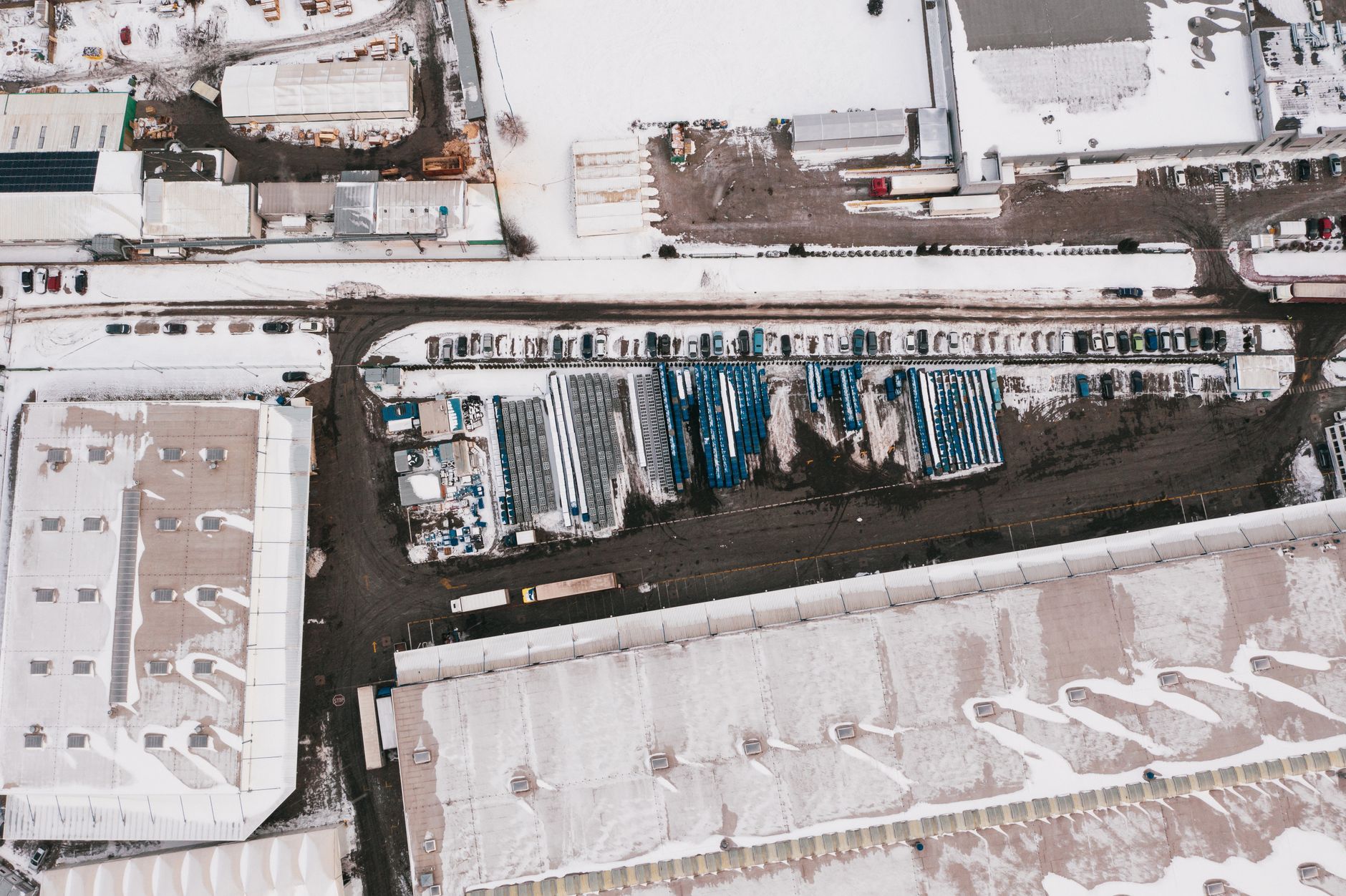
Our salt and ice-melt distributor in Duluth, Minnesota stacks 50-pound bags on pallets in a rush from October to March, then the yard goes quiet; could autonomous forklifts run that staging just during the season?
Key takeaways
- Autonomous forklifts fit the repeated dock-to-lane moves in a Duluth ice melt yard, not the whole season's work.
- Duluth's snow normals peak in the same months as your rush, so size the fleet to the peak week, not the average week.
- Seasonal forklift crews take time to train and replace, so a robot covers part of the staffing gap, not all of it.
- Start with one leased unit on the busiest lane and expand only when your own rush data supports it.
- A free site assessment tests your routes and winter surfaces before any lease quote is set.
How do autonomous forklifts fit Duluth ice melt seasonal staging?
A Duluth yard that stacks 50-pound bags of salt and ice melt from October to March has a narrow problem. Orders surge, the staging backlog grows every week of the rush, and then the yard goes quiet. Autonomous forklifts can take over part of that work, mainly the repeated moves of palletized bags from the dock to staging lanes. They are not a full answer for the whole yard, and the rest of this page explains where the line falls.
The useful question is which moves repeat often enough to justify a machine, and which need a person every time. In seasonal staging, the split tends to follow the work itself. Steady bag moves on a fixed loop are easy to define and easy to repeat. Mixed loads, torn wrap, wet pallets and any move that needs a judgment call stay with people, even when the robot is working nearby.
Plan around the season as a design constraint. A robot proven in a clean indoor building may meet a different floor in a Duluth yard, with snow, slush and grit on the pavement. Put winter conditions at the top of the list, ahead of fleet size or cost, and have the vendor and your integrator answer for the surfaces you actually have.
How long is the winter rush at a Duluth salt yard?
Duluth winters are long and snowy, and the numbers are the first thing to check. The National Weather Service Duluth office gives a normal of 86.1 inches of snow per season, July 1 to June 30, based on 1981 to 2010 data, and notes that the figure may not be fully up to date. A separate NWS winter summary gives a normal of 49.5 inches for December through February, on the same 1981 to 2010 base.
Those two normals come from separate NWS pages and cover different periods, so treat them as context, not a forecast. What matters for staging is the overlap. The heaviest snow months fall inside your October to March rush, which means salt orders tend to peak when yard conditions are at their worst. A heavy early snow can pull orders forward, and a mild stretch can hold them back.
The planning consequence is to size the fleet to the peak week. A fleet sized to a typical week will fall behind in a hard January and sit underused in a quiet March. Ask for staging volume by week from your last two seasons, and build the lease conversation around that peak rather than the seasonal average. Ask the vendor how the fleet handles the first heavy storm of the year, since that is often when the backlog starts to grow.
What does the Duluth labor market mean for a seasonal forklift crew?
Duluth's freight base is modest but real. According to FRED, the St. Louis Fed's data service, the Duluth metro area had 6.6 thousand jobs in transportation, warehousing and utilities in December 2025, not seasonally adjusted. That is a small total across three sectors, so a seasonal yard may compete for the same few workers each fall.
The crew question is narrower than the metro total. According to the Bureau of Labor Statistics Occupational Outlook Handbook, hand laborers and material movers held about 7.1 million jobs in 2023, with about 1,008,300 openings projected each year over the decade. The same handbook says most workers learn on the job and that schedules can include nights and weekends, which fits the shift pattern a seasonal yard runs.
Turnover is the operational pain, and the official figures we checked do not include a BLS turnover rate for forklift operators. Measure your own turnover from the last two seasons before sizing the crew. If a crew hired in October loses people by February, every replacement needs training before working near a live move, and that training time reduces the hours a human crew can cover. A robot does not quit, but it still needs trained people to set routes and clear exceptions.
Where do autonomous forklifts work best in a salt yard?
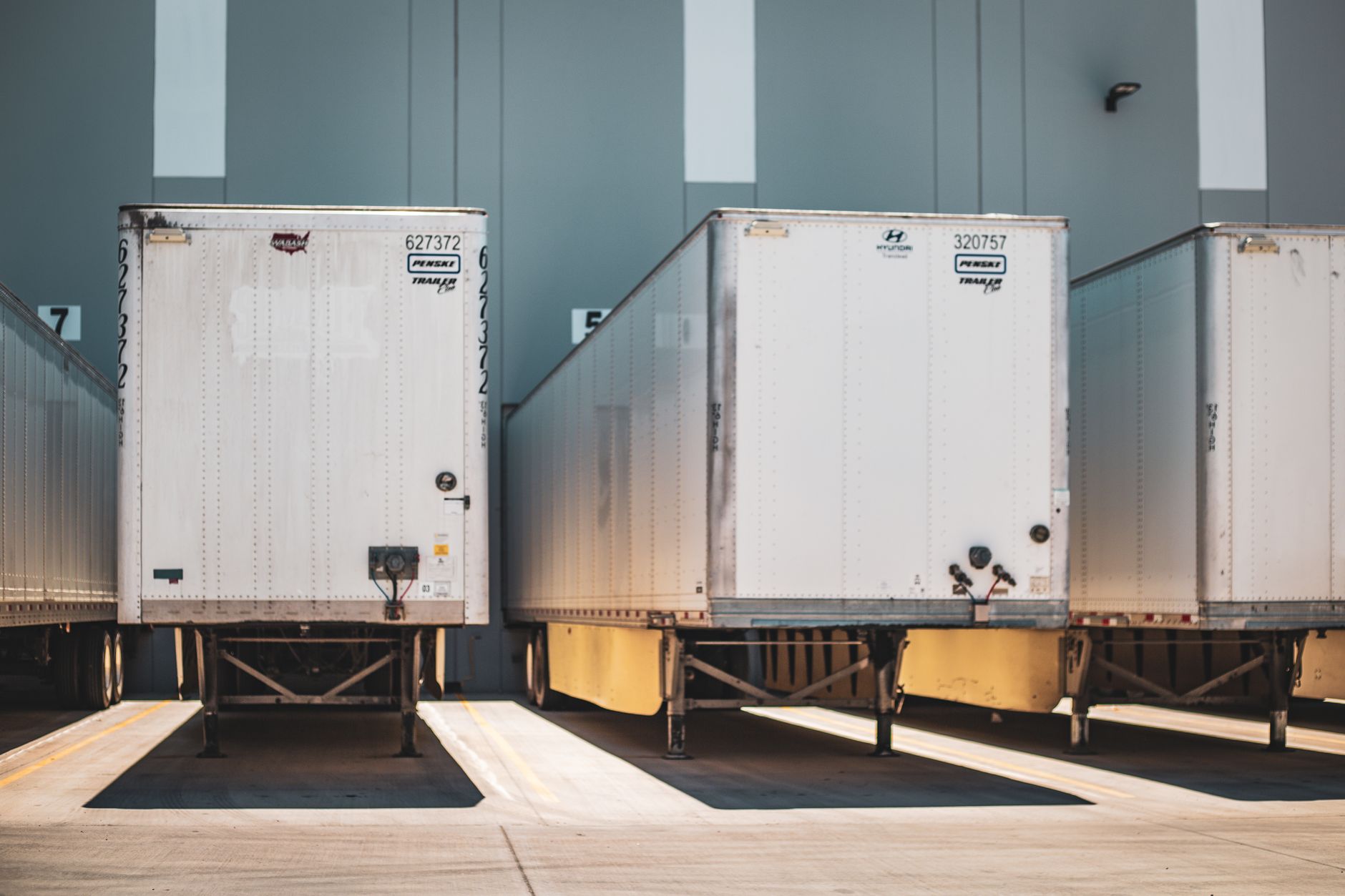
Autonomous forklifts work best on repeatable routes with a clear start and finish: pallets from a dock door to a marked staging lane, then back again. The more the route stays the same from week to week, the more a fleet earns its place. Robots struggle when the task is a judgment call, such as a torn bag, a pallet with an unstable load or a lane blocked by a delivery truck.
Adoption figures point the same way, with caution. According to a BlueBiotics survey, reported by SDC Executive, over 70 percent of respondents plan to extend their fleets within two years, most by three or more vehicles. That survey covers automated mobile robots and automated guided vehicles, not forklifts specifically, so read it as a sign of momentum rather than proof for a seasonal forklift yard.
Routes that fit best are the ones you can describe on one page. A route with a single pickup point and a single drop zone fits well. A route with several pickup points, a shared forklift lane or staff walking through the path fits poorly until the layout is rebuilt around the robot. The short list below sets the test.
- Dock door to a fixed staging lane, the same route on most shifts
- Bags palletized to a consistent size and wrap
- Staging lanes kept clear of foot traffic and delivery trucks
- Repeat dock-to-lane moves
Autonomous Forklift
Same route and same pace on every shift once mapped
Staff
Pace varies with shift and fatigue, but adapts to a changed route the same day
- Overnight or quiet-hour runs
Autonomous Forklift
Can run without a rider on mapped, approved routes
Staff
Needs a person on shift, plus a night premium in the schedule
- Torn bags and mixed or unstable pallets
Autonomous Forklift
Usually stops and signals for help, which is safe but slows the line
Staff
Spots damage, re-stacks the load and decides what goes out
- Snow, slush and salt residue on the yard
Autonomous Forklift
Depends on the vehicle's rated conditions and the route, so check in writing
Staff
Works through the cold, with more risk to the worker and a slower pace
- Learning a changed layout
Autonomous Forklift
Needs mapping and a route update before it runs the new path
Staff
Learns the new layout by walking it and asking questions
- Staying through the season
Autonomous Forklift
Does not quit, so the staffing gap does not reset each year
Staff
Can be kept with a steady schedule and pay, but hiring and training repeat each season when turnover is high
What moves the cost of a seasonal staging robot?
Cost follows the job, not a list price, and this page gives no figure for any specific machine. The main drivers are how many pallet moves the robot must cover each week, how far the dock sits from the staging lanes, and how many hours the fleet runs during the season. Two yards with the same pallet count can differ in cost if one has a long, sloped run to the lanes and the other has a short, level path.
Winter adds work. Before a snow event, lanes need clearing, routes need checking and surfaces may need treatment, all of which takes time that a clean indoor floor never asks for. Season length matters too. A robot that sits idle from April to September still needs storage, charging and inspection, and that plan belongs in the quote rather than being an afterthought.
Our lease is structured through financing, and the fixed robot lease payment comes in a quote after a free site assessment. That order is deliberate. The assessment measures your dock, lanes, slopes and surfaces, so the quote reflects your yard rather than an average site.
What safety and salt rules apply to a Minnesota yard?
Operator training is a federal requirement for powered industrial trucks. The OSHA rule at 29 CFR 1910.178(l), effective March 1, 1999, requires employers to train and evaluate operators. An autonomous unit does not remove the duty to keep people safe near it, so ask your safety lead how the rule and your site procedures apply to the robot and to staff who work beside it.
The injury picture explains why stops and mapping matter. A safety summary citing BLS figures reports 75 to 94 workers killed a year in forklift mishaps from 2011 to 2017, and it names tip-overs as the most common cause of operator deaths, at 42 percent in one summary. The same summary cites OSHA's commonly used estimate of about 35,000 serious and 62,000 non-serious forklift injuries a year, though the date of that estimate is unclear. Treat these as context for safety design, not as a rate for your yard.
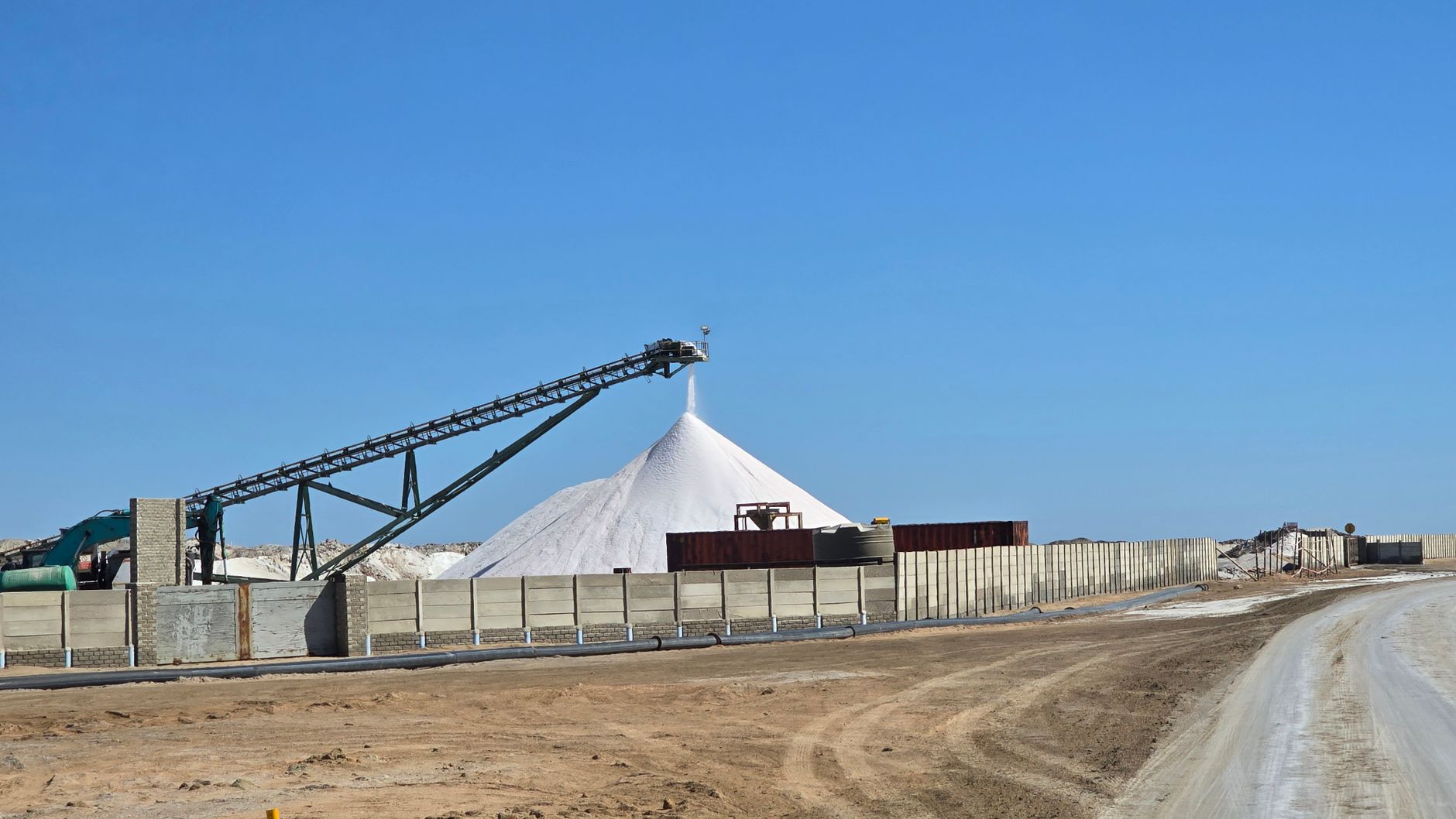
Salt has its own rules. The Minnesota Pollution Control Agency estimates that Minnesotans apply about 445,000 tons of salt to paved surfaces each year, and it cites 404,000 tons of chloride-containing salt in a 2024 release. The MPCA's smart salting guidance is the place to check storage and application practices, so a yard that stages bags in quantity should review it before the season starts. Chloride from winter salt is a known concern for Minnesota waters, which is why salt handling draws attention beyond the road.
How would a leased fleet work for a seasonal yard?
We are an OEM-neutral integrator for US businesses. We select the right robots across manufacturers, lease them through financing, deploy and integrate them, train staff, and service every unit under our own service plan, through regional service engineers in every state we service. For a seasonal yard, one accountable partner matters as much as the machine, because a fault in January needs a fast answer from someone who knows the site.
The process begins with a free site assessment that maps the dock, staging lanes, slopes and floor conditions. A lease is quoted after that assessment, and the fixed robot lease payment is set through financing. Ask directly whether the lease term and off-season plan can match your October to March window, and what happens to each unit when the yard goes quiet.
Start small. A pilot with one leased unit on the busiest lane tests the route, the winter surface and the handoffs between robot and crew before the full season. Expand only when the peak week shows the fleet needs more capacity. That keeps the first commitment small and the decision grounded in your own yard data.
When should you still choose people over a robot?
Choose people when most of the work is exceptions, when the yard layout changes every week, or when the season is too short to justify a machine plus integration. A yard with a few pallets a day may find that trained seasonal staff, scheduled well, cover the work with less setup and lower risk. That is an honest outcome, and a free site assessment should be willing to say it.
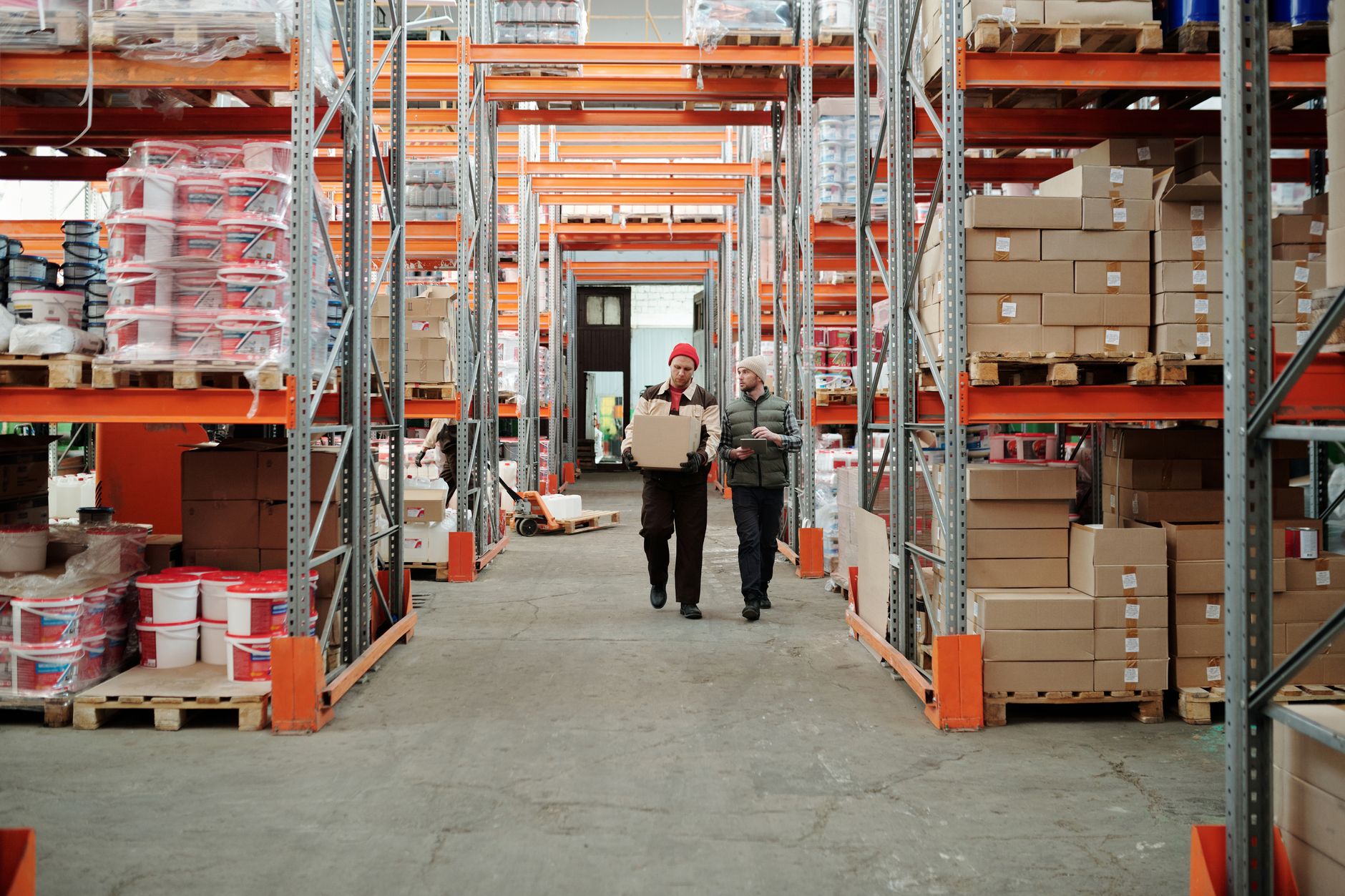
A split model often works better than a swap. The robot takes the repeated dock-to-lane runs, while people handle loading checks, damaged stock, dispatch and the mixed loads that generate most exceptions. The robot then does not replace the crew. It lets a smaller crew keep the staging backlog from growing each week of the rush.
Three facts point toward a pilot before a full commitment: the rush is long, the snow normals sit inside it, and the backlog compounds each week it goes unworked. Those facts argue for testing the routes and winter conditions on your floor before you size the fleet for the whole season.
Frequently asked questions
Upcoming events in Duluth, MN
Put a robot to work in Duluth.
We walk your site, learn the job, and recommend the unit that fits. Then we quote the lease, deploy it, and keep it serviced.
Sources
- National Weather Service Duluth, seasonal snow normal
- National Weather Service Duluth, winter climate summary
- FRED, St. Louis Fed, Duluth transportation and warehousing jobs
- Bureau of Labor Statistics, hand laborers and material movers
- Minnesota Pollution Control Agency, smart salting
- Powered industrial truck injury statistics summary
- OSHA powered industrial trucks directive
- SDC Executive, BlueBiotics warehouse automation survey