
The question, in the buyer's words
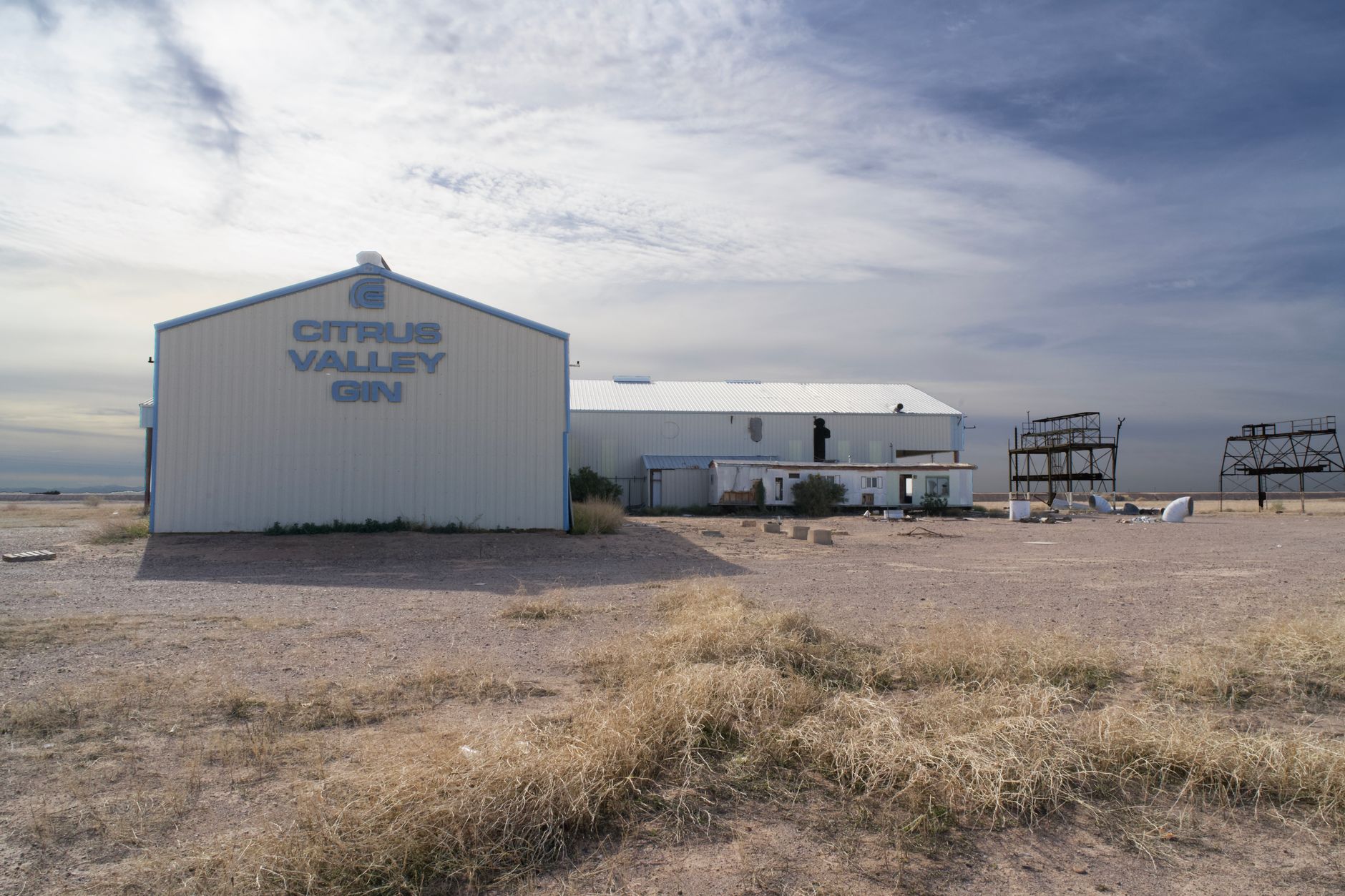
I manage a 20-acre cotton gin and bale yard where forklifts only run from August to December, and I'm not sure a robot is worth it for one season; could autonomous forklifts pull and stage bales during harvest alone?
Key takeaways
- Autonomous forklifts can repeat a mapped bale route, but the evidence does not show they stage cotton bales alone.
- Texas cotton season runs about October into early April, so match any robot window to your own gin dates.
- Measure the driver hours you are short, week by week, before asking for a quote.
- Expect a trained person on shift to take over stopped units and bad drops.
- Pedestrian injuries carried the longest median time away from work in BLS forklift data, so keep walkers off the route.
Can autonomous forklifts handle cotton gin harvest bale staging at all?
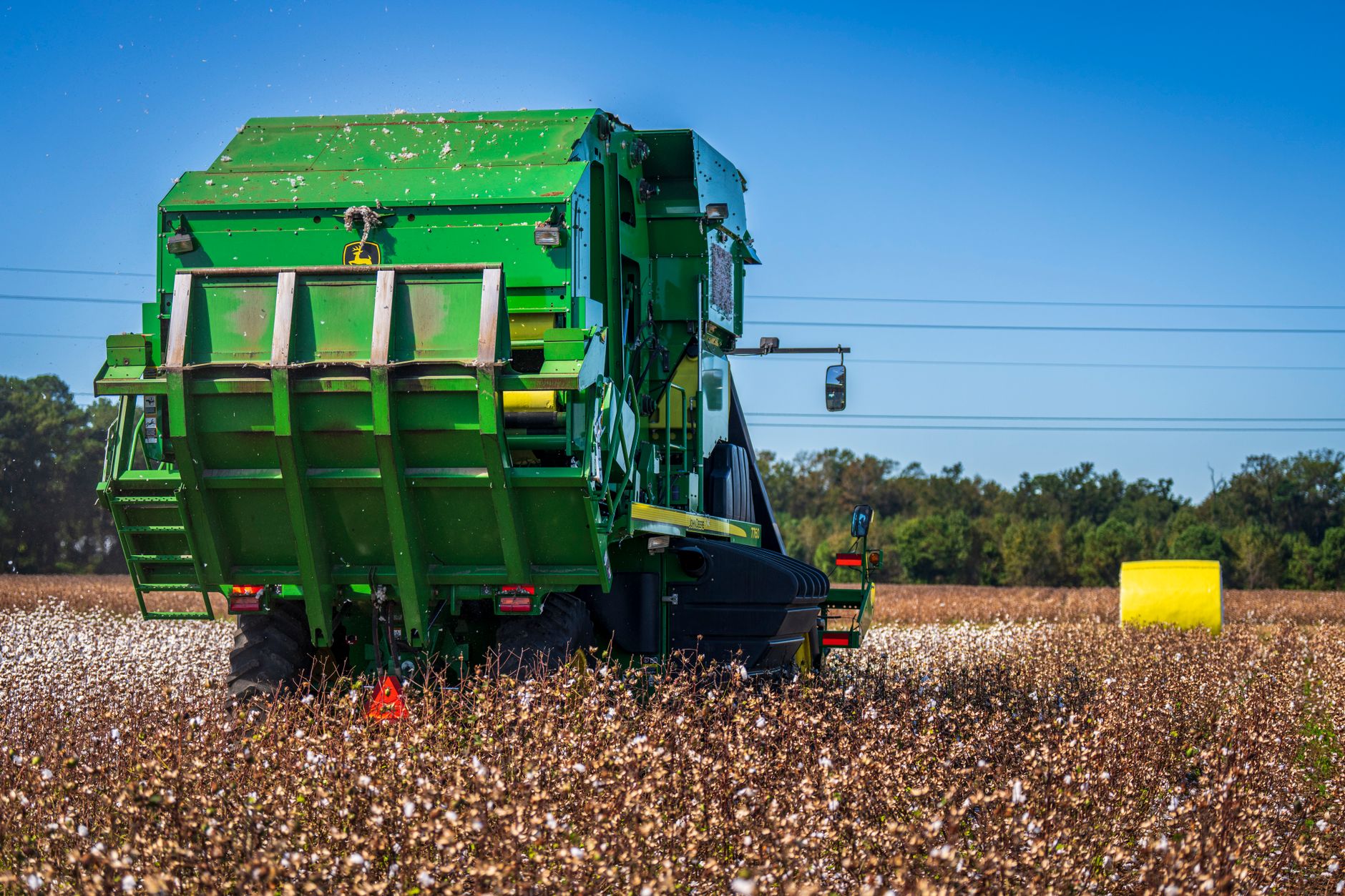
Partly, and the part that works is narrow. At a cotton gin, bales come off the press, get pulled to the bale yard and sit in staged rows until trucks take them. Autonomous forklifts can run that kind of fixed route when the path is mapped, the ground is stable and drop zones are marked. Staging alone for a few months is a separate claim, and it needs proof on your own yard.
Scope the job first. Forklift work in a gin yard usually covers three moves: pulls from the press or module area, staging into rows, and loading onto trucks. Autonomy fits the first two when the route is fixed. Loading depends on truck position and driver timing, so it usually stays with people in the first season.
Gin pace sets the workload. A Mississippi Agricultural and Forestry Experiment Station bulletin, an older study, puts average gin run time in its Central region at about 17 hours per day, with average downtime of about 2 hours. Bale output is close to continuous while the gin runs and then stops abruptly. A forklift needed only in those bursts has to be scheduled around the gin, not around the calendar.
How long is the cotton gin harvest season, and does it match August to December?
Season length depends on region. The Texas Farm Bureau describes the Texas cotton season as running from about October into early April. Your yard runs forklifts from August to December, so your peak may start before many Texas gins begin ginning, or your region may follow another calendar. Pull the first and last bale dates from your gin records before sizing anything.
National volume gives context for how much bale movement a season carries. The USDA National Agricultural Statistics Service 2025 crop summary reports United States all cotton running bales ginned at 13,539,200. A separate USDA NASS executive briefing dated December 9, 2025 lists its cotton ginnings survey as covering 479 gins, with a survey window of December 1 to 3. That is an early-December snapshot, not a season total, so do not read it as a count of your season.
Ask the gin for its hourly bale rate at peak. That rate, not the national total, is what your staging capacity has to match, and it tells you whether one unit can keep up during the busiest hours.
Can a robot pull and stage bales with no operator in the yard?
Accuracy claims exist, but they come from pallet warehouses. Vendors publish placement and pick-accuracy figures for pallet handling, and those figures are vendor-reported. No independent measurement of staging accuracy from a 2025 deployment turned up in this review, and none came from a setting close to a cotton yard.
The research base is thin for this use. A 2025 academic paper describes an off-road construction forklift, not a warehouse or yard system. Bales are not uniform pallets. They vary in shape and weight, and each drop has to clear trucks, neighboring bales and foot traffic.
Yard conditions matter. Ruts, standing water, loose gravel and low sun can all affect how a sensor reads the ground. A wet week in harvest is the hardest test, so ask for a route test on the worst surface you have, not the best one.
Plan for a supervised pilot, with a person ready to take over whenever a bale lands wrong or a route is blocked. Treat any claim of fully unattended staging as something to prove on your own route before the season, not something to assume.
How risky are forklifts in a seasonal bale yard?
Forklift risk centers on people on foot. The U.S. Bureau of Labor Statistics fact sheet on 2017 data counts 74 fatal work injuries involving forklifts. Its most common events were nonroadway incidents, then struck-by-powered-vehicle, then struck-by-falling-object. Pedestrian injuries carried the highest median days away from work, at 20 days.
A Johns Hopkins publication citing BLS data estimates about 100 workers fatally injured a year in powered industrial vehicle incidents. Those figures cover all industry, not cotton yards, and the BLS count is from 2017, so read them as direction, not as a local rate. The practical lesson is that a robot lowers exposure only if its route keeps people out. Walkways, marked drop zones and a stop rule for anyone on foot matter whether the forklift is driven or autonomous.
Seasonal crews raise the risk. New seasonal drivers have had less time on the yard than regular staff, so training and route rules should come before the first pull, not during it. Set clear rules for who may enter the forklift path and when a unit must stop.
What are the options besides a robot for a short driver gap?
Most seasonal gaps have simpler answers to test first. Temporary drivers, overtime in peak weeks, moving bale pulls into the hours when drivers are on, or cross-training gin staff can each close part of a gap. Each option has a limit, usually training time before the peak and the number of forklift-qualified people who can work the yard at night.
A realistic plan often combines them. Overtime for the first weeks, temporary drivers for the peak and one robot route on the day shift is a plausible mix. Measure which combination closes the gap with the least disruption, then decide whether the robot still earns a place.
A person wins on judgment. People handle a crooked bale, a blocked row or an early truck, and they can start the day they are hired. A robot wins on steady, repeatable pulls with no fatigue across a long run. The gap you need to close should decide which side gets the work.
- Steady pulls over a long shift
Autonomous Forklift
Repeats a mapped route without fatigue while the site allows it
Staff
Limited by shift length, breaks and handoffs
- Odd bales and blocked rows
Autonomous Forklift
Stops or calls for help, then needs a person to clear it
Staff
Reads the bale, the stack and the truck, and adjusts on the spot
- Time to start
Autonomous Forklift
Mapping, testing and crew training come first, so it needs a head start
Staff
Can start the day hired, once oriented to the yard
- Wet and dusty days
Autonomous Forklift
Depends on surface, lighting and sensor conditions, so test on wet days
Staff
Works through rain and dust with protective gear and breaks
- A driver out sick in peak week
Autonomous Forklift
Keeps one mapped route moving
Staff
Needs a replacement or overtime to cover the gap
- Change as the yard shifts
Autonomous Forklift
Needs remapping when rows or drop zones move
Staff
Adjusts within a shift with no setup
When is a one-season robot lease the wrong fit?
A one-season lease is usually the wrong fit when the driver gap lasts only a few weeks, when the season ends before setup and testing are done, or when the yard layout changes every year. If the unit sits idle for most of the year, the lease has to be justified by harvest alone, and that math depends on your own hours. A second job for the unit, such as off-season yard or dock transfers, changes the answer.
Ask what happens at the end of the term and who handles removal. Ask for service response terms for your state in writing. Those answers keep a short season from turning into a long commitment, and they belong in the quote, not in a verbal promise.
We lease robots through financing, and the lease payment comes in a quote after a free site assessment. We are vendor neutral: we pick the right robot across manufacturers, deploy and integrate it, train your staff and service it nationwide through regional service engineers. One leased unit for the peak is a smaller test than a fleet, and it shows whether the fit is real before you scale.
What should a pilot test before harvest arrives?
Test on the route that causes the most driver delay, not on a demo lane. Keep manual pulls running on the other routes so the gin never waits on the pilot. Measure before and after using the same time window, so the comparison is fair.
Go-live support matters most in the first week, when bales arrive at peak rate and the crew is still learning stop rules. Put the acceptance results in writing before extending to more units. The list below is the minimum test worth running.
- Map the press-to-yard route and mark drop zones before the season starts.
- Time one week of manual pulls to measure the driver hours you are short.
- Set an acceptance test: bales placed in the right row, on time, without a person taking over.
- Train at least two people to take over a stopped unit on every shift.
How do I get a quote for a harvest-only robot?
Start with a free site assessment. We map the yard, measure the route and bale flow, and compare the robot against the staffing options above. The lease payment comes in a quote after that assessment, so the numbers reflect your site.
Expect the quote to reflect route length, number of units and how many months the unit would work. A harvest-only scope usually produces a smaller, shorter plan than a year-round one, which is one reason to confirm the season dates first.
Bring the first and last bale dates, the peak hourly bale rate from your gin, your driver roster and the hours you are short by week. Those facts show whether one leased unit, a larger setup or no robot is the right answer. If the answer is no, we would rather say so in the assessment than lease a unit you would only use for a few weeks.
Frequently asked questions
Upcoming manufacturing events
- Trade showBrats & RobotsNov 10, 2026Alliant Energy Center Exhibition Hall, Madison, WI
- Trade showMATE Farm & Ranch ShowFeb 11 to 13, 2027MetraPark, Billings, MT
- ExpoPFMA Expo 2027Feb 17 to 18, 2027Washington County Fair Park, West Bend, WI
- ExpoLouisville Facilities Maintenance ExpoApr 15, 2027Mellwood Art Center, Louisville, KY
Want an autonomous forklift at your cotton gins and bale yards?
Tell us about your site. We will recommend the robot, quote the lease, and keep it serviced.
Sources
- USDA National Agricultural Statistics Service 2025 crop summary
- USDA NASS executive briefing, December 9, 2025
- Texas Farm Bureau, Texas cotton season
- Mississippi Agricultural and Forestry Experiment Station bulletin B1086
- U.S. Bureau of Labor Statistics fact sheet on fatal forklift injuries, 2017 data
- Johns Hopkins publication on injuries related to powered industrial vehicles
- arXiv preprint 2503.14331 on an off-road construction forklift