
The question, in the buyer's words
Our 130-person injection molding plant in Muncie, Indiana runs resin gaylords to the presses on every shift, and when one forklift driver is out the presses sit idle for hours; could autonomous forklifts cover resin runs during those driver gaps?
Key takeaways
- Partly yes: autonomous forklifts fit fixed, repeatable gaylord routes, not every resin move.
- Driver gaps are a staffing problem, so a unit covers a route, not the whole driver job.
- Gaylord gross weight, footprint and fork fit decide the fit before any route is mapped.
- Start with one or two units on the most frequent gap route and keep a trained backup on every shift.
- Winter docks, aprons and unheated staging need checking before a unit is committed.
Can autonomous forklifts cover resin runs during driver gaps at a Muncie molding plant?
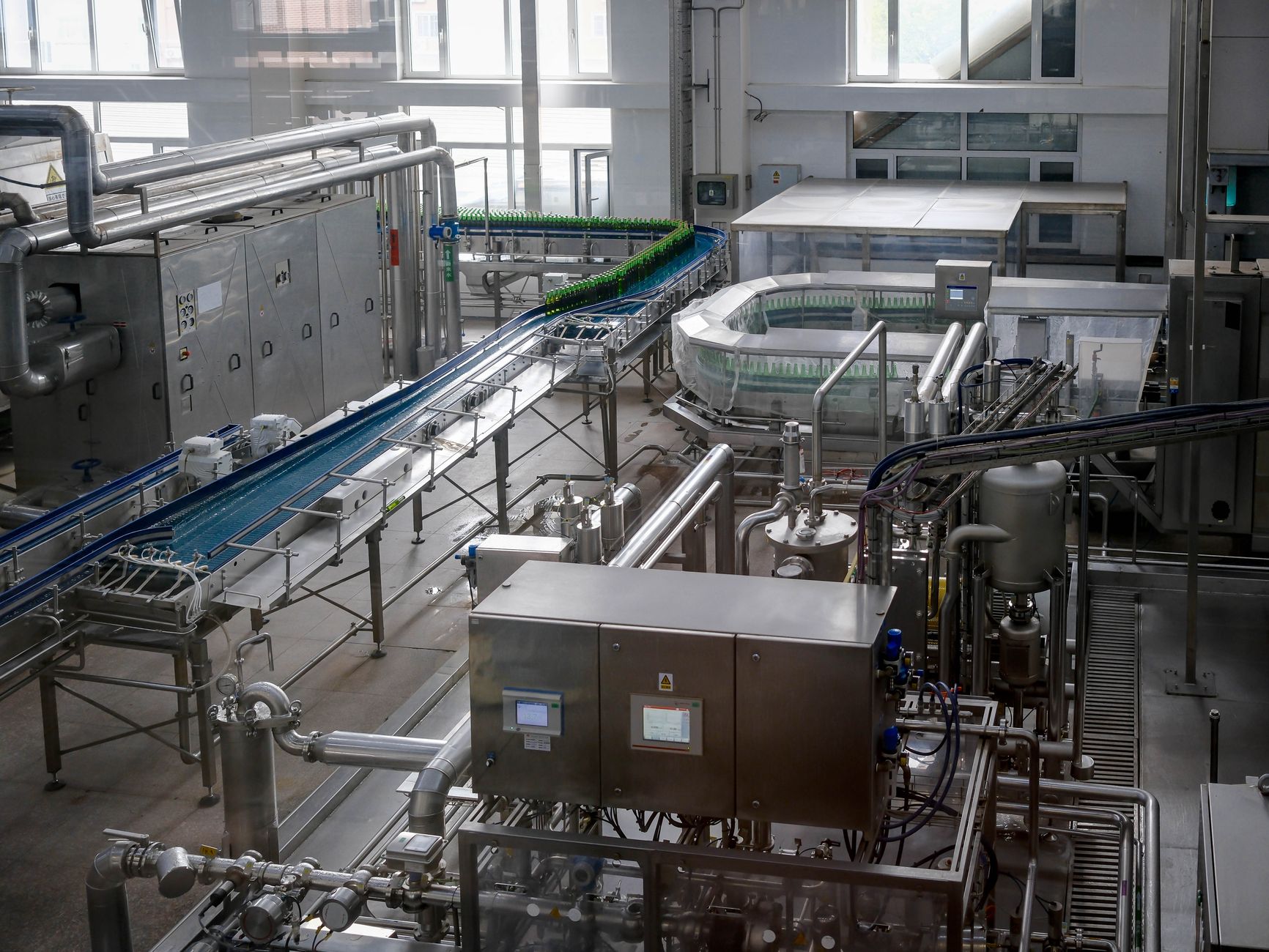
A driver gap at a molding plant is a press problem before it is a forklift problem. When one driver is out, full gaylords sit in staging, empties pile up at the presses, and the presses wait. The question for a Muncie molding plant is whether the moves inside that gap are repeatable enough to hand to an autonomous forklift on a fixed route, or whether they depend on the judgment and mixed tasks a driver brings.
Most resin runs have a predictable shape. A full gaylord leaves a staging row, travels a set aisle, and is placed at a press feed point, and an empty comes back the same way. That is the kind of move a mapped autonomous forklift can run without a person in the cab. Anything outside that shape, including a truck at the dock, a gaylord that will not sit square, or a resin spill, still needs a person on the floor.
For most plants the answer is partly. The repeatable share of the gap can move to a unit, and the rest still needs cover. The sections below show how to measure that share before anyone signs a lease, and where the approach breaks down.
What does a driver gap really cost a molding plant?
The cost of a gap is paid in press time, not in forklift time. A press that sits idle while the next gaylord is still in staging loses run time that rarely comes back on the same shift. Because the gap depends on one person's attendance, it returns every time that person is out, and cover usually comes from whoever is nearby, pulled off their own work.
Before weighing any unit, measure three things from your own records: how many driver gaps occur each week, how long each press waits during a gap, and what share of that waiting is a route move rather than a judgment call. Those three numbers decide whether an autonomous unit covers enough of the gap to matter. A short pilot will tell you more than a forecast built from memory.
Staffing gaps also carry a hidden cost in attention. Trained operators pulled onto resin moves are not running their own presses or checking part quality, so the cost can spread past the presses that are waiting. Those pulled hours are often missing from press reports, so they need their own line in the log.
Ask shift leads to keep a simple gap log for four weeks: when the gap started, when it ended, which presses waited and what the cover person did. That log is the cheapest planning tool a plant can have, and it is useful whether or not a unit is ever leased.
- Coverage during a driver gap
Autonomous Forklift
Runs a mapped gaylord route whenever it is charged and released to that route
Staff
Covers the whole job, including the dock, exceptions and calls for help
- Consistency on a fixed route
Autonomous Forklift
Same path, speed and stop points on every run
Staff
Varies with fatigue, interruptions and shift changes, but adapts when the route changes
- Damaged or leaking gaylord
Autonomous Forklift
Stops and alerts, but cannot judge the load
Staff
Assesses the load, isolates it and reports it
- Truck unloading
Autonomous Forklift
Not suited to unloading trucks without a designed setup
Staff
Handles unloading, strapping and dock paperwork
- Covering a gap at the start of a shift
Autonomous Forklift
Can start the route at its scheduled time without a call-out
Staff
Needs a call-out, overtime or a cross trained operator to be on the floor
- Switching tasks
Autonomous Forklift
Does one route type well and nothing else
Staff
Moves between resin, staging, scrap and cleanup as the shift needs
Which resin moves can an autonomous forklift take on?
A gaylord is a large bulk container, and whether an autonomous forklift can take it depends on the unit's rated capacity, the full gross weight of the gaylord, its footprint, and how the forks or attachment grip it. Gross weight means the container with its resin in it, not the empty container. Do not assume a unit rated for pallets can carry a gaylord. Get the gross weight and dimensions of a full gaylord from the resin supplier or your receiving records, then match them to the rating and attachment before any route is designed.
Good candidates are the moves that repeat every shift: full gaylords from a staging row to press feed points, empties from presses back to a return area, and transfers between two fixed points inside the building. Each candidate route should have a clear start and end point, a level floor, a set aisle width, and little traffic that changes minute to minute. Routes that cross a loading dock, a truck apron or a busy forklift crossing are poor first choices.
Adoption is still early, which matters for how cautious a plant should be. A 2023 warehouse automation study, reported by its vendor, found 76% of companies had never deployed an AGV and 70% had never deployed an AMR. A separate 2023 trends report from the same vendor found 31% of facilities planning pallet-sized material handling robotics that year. A molding plant entering now will be learning on its own floor, so the pilot has to be built with that in mind.
Expect the first weeks to surface edge cases that no map shows, such as a staging row one pallet deeper than drawn, or a press feed point that a cart blocks on a regular basis. Record each one, because those records become the route rules.
How tight is the Muncie labor market for forklift drivers?
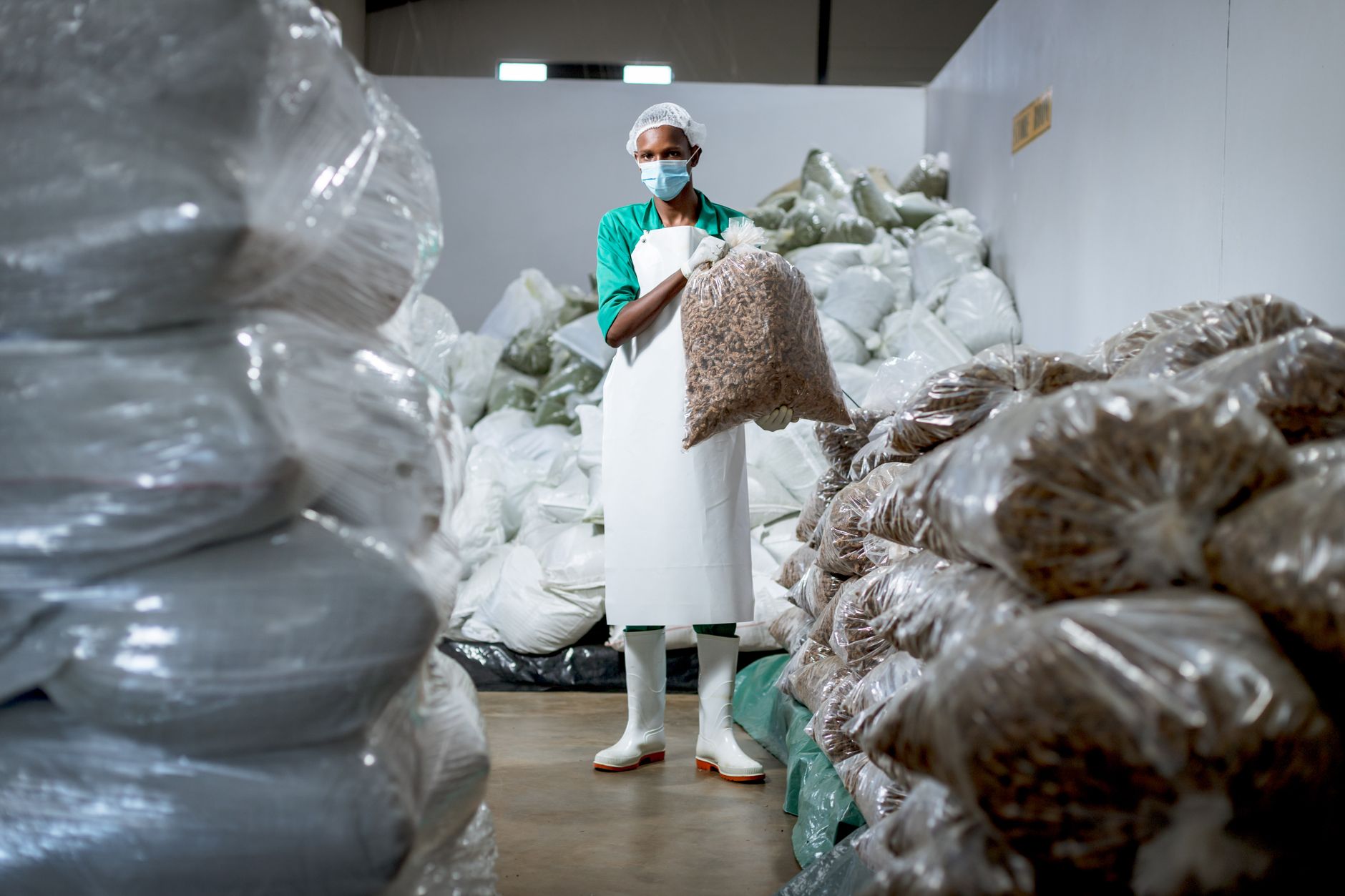
Local hiring conditions set how long a driver gap lasts. According to the Indiana Department of Workforce Development's Labor Market Review, Delaware County's unemployment rate was 3.7% in May 2026, not seasonally adjusted, and the county ranked fifth of 92 Indiana counties. USAFacts reports the Muncie metro area at 4.2% for August 2026, and FRED's seasonally adjusted series for the same metro area showed 4.0% for December 2025. Low unemployment generally means employers compete harder for experienced workers.
The occupation itself is large, so the pool is deep nationally even if it is thin at one plant. According to the Bureau of Labor Statistics, 867,700 people worked as material moving machine operators in 2024, and 792,500 of them were industrial truck and tractor operators, so forklift drivers make up most of that group. The group is projected to grow 1% from 2024 to 2034. Hand laborers and material movers, a wider pool a plant can also draw from, numbered 6,917,800 jobs in 2025, with about 904,200 average annual openings projected, according to the same agency.
Employer mix matters too. A local business directory, which is undated, lists a university, a health system, the city government and a set of mostly automotive and metal manufacturers among the largest employers. Those employers draw on the same shift-working labor pool a molding plant hires from, so expect competition for experienced drivers, especially on second and third shifts. Build the cover plan on the assumption that a vacant driver slot will stay vacant for a while.
This page did not verify local turnover figures for forklift drivers, so the plant's own hiring and exit records are the better guide to how long a vacancy lasts.
How safe is an autonomous forklift on a busy molding floor?
Molding floors mix people and vehicles. Operators walk to presses to clear jams and set tools, and maintenance crews work the same aisles. According to a 2024 DC Velocity summary of OSHA data, forklift fatalities included 23 from struck-by or collision incidents, 22 from caught or crushed incidents, and 20 from falling loads. An autonomous route has to design out those same failure modes, not just move gaylords.
An autonomous unit does not remove pedestrian risk by itself. Routes need marked walkways, fixed stop zones at press feed points, and clear rules for people who step into a unit's path. Train press operators and maintenance staff on the route before the first live run, not after the first near miss. Ask for stopping and sensing behavior to be tested on your floor, under your traffic, rather than on a demonstration floor.
The pedestrian share of forklift deaths varies by source, so this page does not give a pedestrian percentage. What matters for the route is simpler: where people cross it, when they cross it, and who stops the unit when they do. Those answers belong in the site assessment, written down before go live.
Where do autonomous forklifts fall short on resin runs?
They fall short on anything that needs judgment or varies day to day. A gaylord with a torn liner, a load that looks off, or a pallet of the wrong grade at a feed point needs a person to stop, look and decide. A unit can alert and stop, but it cannot take the corrective step on its own. Plan these as person tasks from day one, so nobody assumes the unit will handle them during a gap.
Night and early shifts raise the stakes, because fewer people are on the floor to clear a stopped unit. Set the response time for a stopped unit in writing, and name the person who responds on each shift, including the shifts a driver gap usually falls on.
The work that usually stays with people includes the following.
- Truck unloading and strapping at the dock
- Gaylords with damaged liners, leaks or unclear contents
- Spills and debris at press feed points
- Resin grade mix-ups discovered at a press
- Changes to press schedules or staging rows
How do you run a first pilot on one resin route?
Start with the route that drives the most press waiting. Map it, time the actual cycle with a trained person doing the job, and record press idle time during driver gaps as a baseline. Then run one unit on that route, with a trained person on call for every exception. Log stops, exception calls and press hours recovered, so the decision rests on your own data.
Set success criteria before the start. Decide which gaps the unit must cover, what exception rate is acceptable, and how long a stopped unit can stay down before the route falls back to people. Keep a manual plan that a person can run by hand on the same route, so a unit outage never leaves a press idle without a fallback.
If the pilot shows the unit covers the repeatable part of the gap and the exceptions stay manageable, add a second route. If it does not, the pilot still answers the question, and cross training and scheduling become the first priority. Either outcome is useful, and a pilot is the way to find out before any longer commitment.
How does leasing and service work with us?
We are an OEM neutral integrator for US businesses. We pick the right autonomous units across manufacturers for a site, lease them through financing, deploy and integrate them, train the staff, and service every unit under our service plan, backed by regional service engineers in every state we service. One partner covers the whole lifecycle instead of several. The lease quote comes after a free site assessment, not before.
For a molding plant, the site assessment is where the route gets mapped, gaylord weight and attachment fit get verified, floor and winter dock conditions get checked, and the exception plan gets agreed with your plant team. If the assessment shows a unit does not fit your floor, that is a valid result, and cross training may be the right first step.
Confirm during the assessment that Muncie is within our service area and that response times suit your night and early shifts. Remote triage can clear many stopped units, and on-site dispatch covers the rest.
Frequently asked questions
Upcoming manufacturing events
- Trade showBrats & RobotsNov 10, 2026Alliant Energy Center Exhibition Hall, Madison, WI
- Trade showMATE Farm & Ranch ShowFeb 11 to 13, 2027MetraPark, Billings, MT
- ExpoPFMA Expo 2027Feb 17 to 18, 2027Washington County Fair Park, West Bend, WI
- ExpoLouisville Facilities Maintenance ExpoApr 15, 2027Mellwood Art Center, Louisville, KY
Put a robot to work in Muncie.
We walk your site, learn the job, and recommend the unit that fits. Then we quote the lease, deploy it, and keep it serviced.
Sources
- Indiana Department of Workforce Development, Labor Market Review, May 2026
- USAFacts, Muncie metro area unemployment rate
- FRED, Federal Reserve Bank of St. Louis, Muncie MSA unemployment rate
- Bureau of Labor Statistics, Material Moving Machine Operators
- Bureau of Labor Statistics, Hand Laborers and Material Movers
- DC Velocity, 2024 forklift fatalities summary of OSHA data
- SDCExec, 2023 warehouse automation adoption study
- Robotics Business Review, 2023 warehouse automation trends report