
Key takeaways
- Delivery robots carry finished orders from counters to tables, so staff can stay at the pass and on the floor.
- According to the U.S. Bureau of Labor Statistics, about 5.0 million people held food and beverage serving jobs in 2024.
- Vendor savings figures have not been independently verified, so measure trip counts and walking time during a pilot.
- Start with a free site assessment and one leased unit on the busiest route.
How can delivery robots for food courts help?
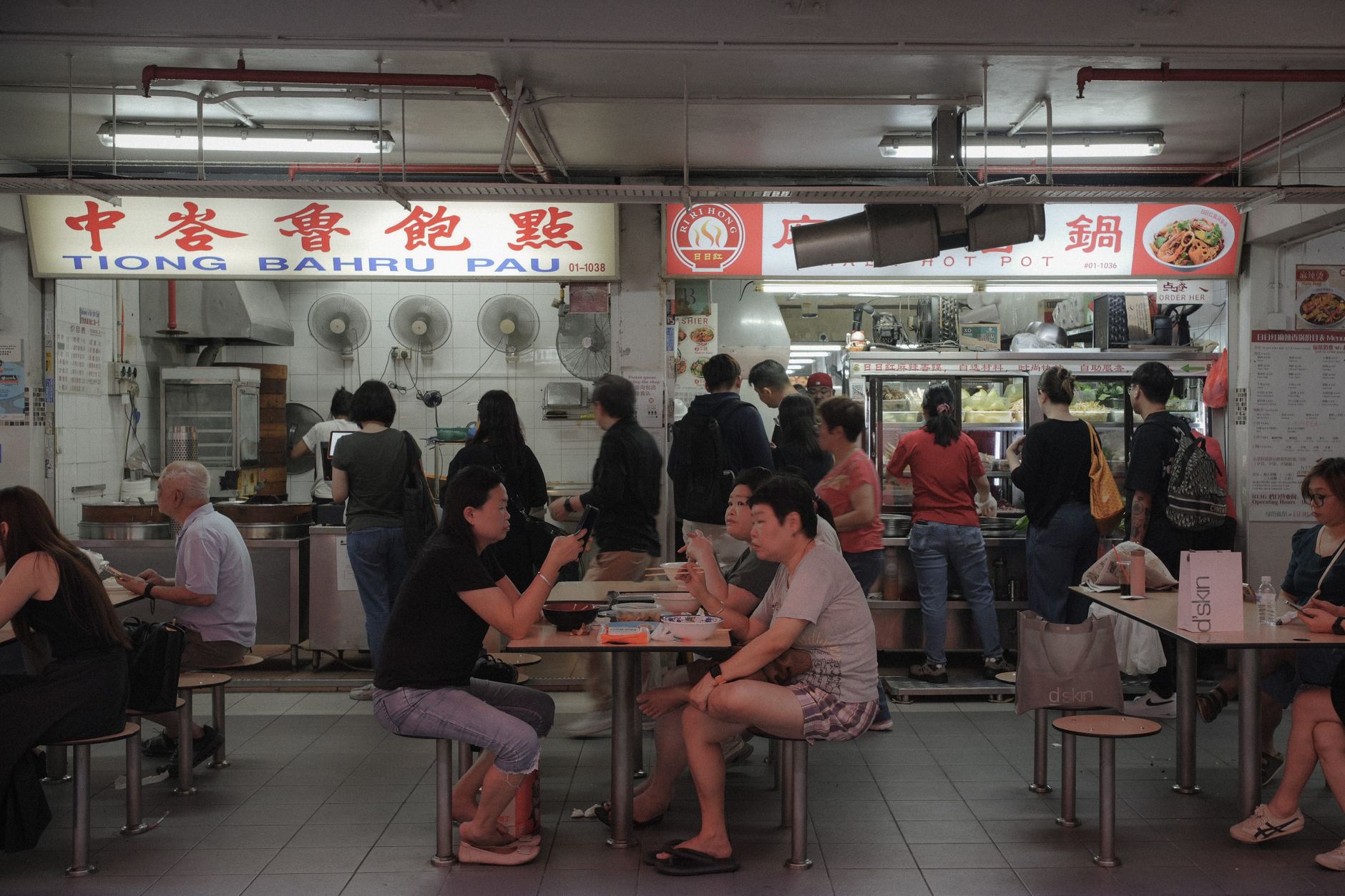
Delivery robots for food courts take over the walk between the counter and the table. When a stall has a finished order and the dining room is full, a robot can carry that tray to the right seat while your staff stay at the pass and on the floor. In a court where several stalls share one seating area, that keeps food from waiting on the pass while runners are across the room.
The main gain is speed at the moments that matter most. Staff are hardest to keep at peak hours, and that is exactly when food takes longest to reach tables. A delivery robot does not replace the cooks, the counter team, or the people who clean. It covers the repetitive carrying so the people you have can do the work that only people can do.
Results vary by site, and most of the figures available come from vendors who have not published independent studies. This page uses them with that caution. The sections below cover the problem today, the benefits, how the robot works on a shift, where it runs, how it works with your team, what drives savings, what it cannot do, and how to get started.
What problem does a food court have today?
A food court runs several counters that share one dining room. The same small team often handles orders, drink stations, trays, and table clearing, and at lunch the walk from a busy counter to a seat across the room can take longer than the cooking. Trays wait at the pass while the runners are on the far side of the court.
Staffing is the hard part. According to the U.S. Bureau of Labor Statistics, about 5.0 million people held food and beverage serving jobs in 2024, and fast food and counter workers were the largest detailed group at 3,796,000. The same source projects employment in the group to grow 5 percent from 2024 to 2034, faster than average for all occupations. Your court competes for the same people as every other counter nearby, and entry jobs need no formal education, so new hires are learning on the floor during the busiest hours.
A restaurant labor blog that summarizes National Restaurant Association data reports that the share of operators saying they were understaffed fell from 78 percent in 2021 to 22 percent in 2025. That source is secondhand, so read it as context rather than a benchmark. Your own peak-hour gaps matter more when you plan, and they are the numbers a site assessment will look at.
What are the main benefits of delivery robots for food courts?
The first benefit is that finished food reaches the table sooner. A tray that leaves the counter as soon as it is ready does not wait for a runner to finish another route. One vendor reports up to 40 percent faster table service at peak hours for its tray model, but it does not publish its method, so ask for site-specific numbers before you rely on that figure.
The second is that staff time shifts to work that needs people. Counter staff can focus on order accuracy, allergy questions, and drink refills. Floor staff can check on tables, clear debris, and keep aisles open. The robot takes over the carrying, which is the part that is hardest to staff at the busiest times of day.
The third is consistency. A robot follows the same route at the same pace whether the court is quiet or full, and it does not get pulled into another task on the way. That makes wait times easier to predict for guests and managers, which matters in a space where customers can see the line, the open seats, and the empty tables all at once.
How does the robot work day to day?
Counter staff load a finished tray onto the robot and enter the table or seat number. The robot takes the route through the dining room, stops at the table, and waits for the guest or a staff member to remove the food. Then it heads back to the loading point or to the bussing point with dirty dishes. A 2018 grocery trade article reported that a robot began carrying finished dishes from the kitchen to tables at a food mall in Cheonan, South Korea, in May 2018, so the basic pattern has been used in food malls before.
The robot is most useful on repeated, predictable trips, so the best routes are the ones staff already walk most often. A typical shift has a steady flow of trips during the lunch and dinner rushes, with slower stretches between them. In those quieter stretches, the robot can handle return trips for dirty trays while staff reset stations and restock supplies.
Setup starts with mapping the floor. Before anything goes live, the team walks the court, measures aisles and seating, and sets routes that keep guests and furniture clear. Routes are tested with your staff during quiet hours before they carry full peak traffic.
Which areas of a food court does the robot work in?
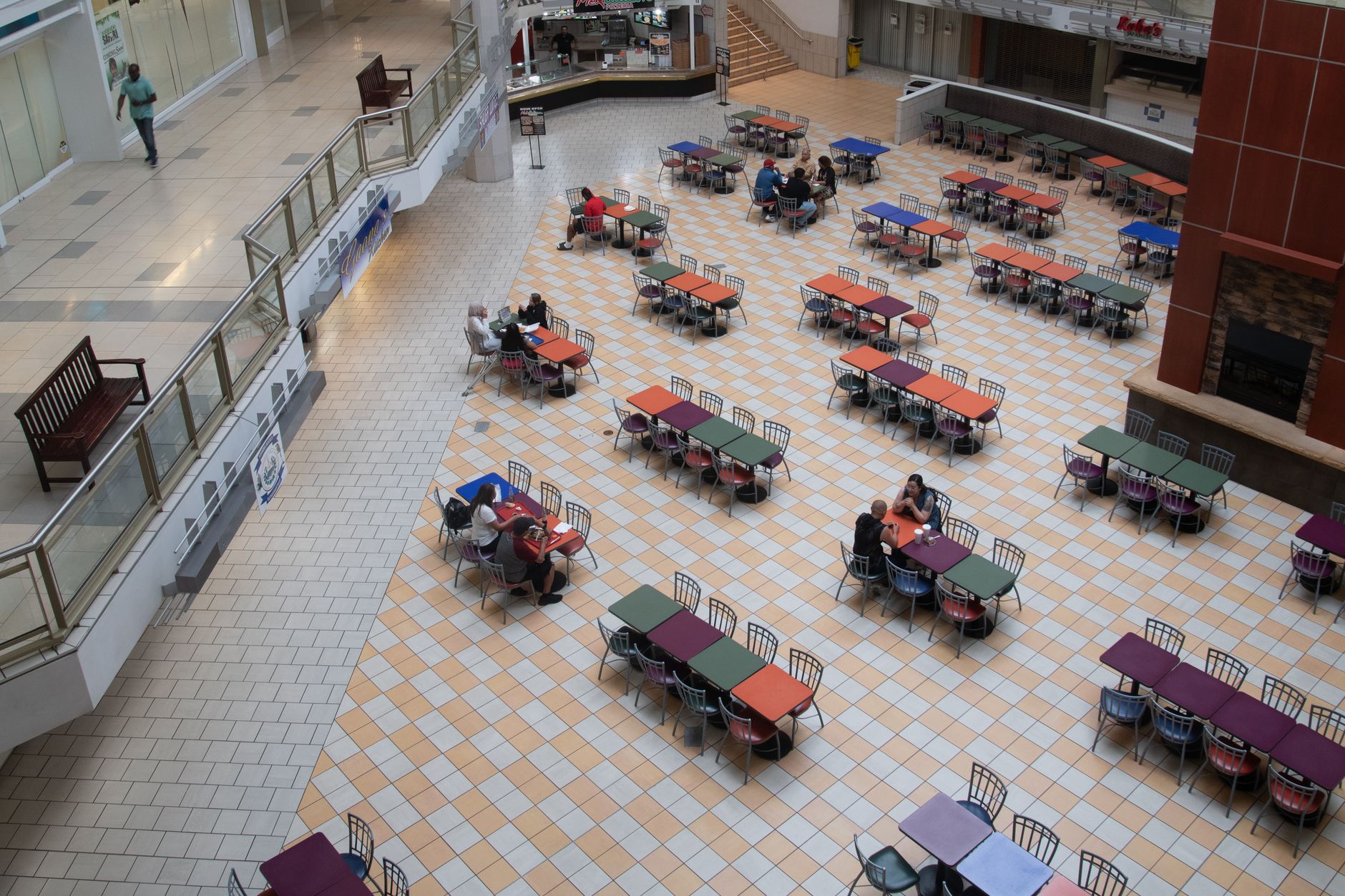
The robot works best on shared seating and the paths that connect it to the counters. Each area has its own traffic pattern, so the route plan should match the flow in each one. The six areas below are where the work usually fits.
Keep the robot out of the narrowest spaces. One vendor guide recommends at least 4 feet between tables for safe navigation, and it advises against narrow, cluttered aisles. Some corners of a court may stay staff-run, and the site assessment will flag them early.
The kitchen and the service corridor behind the counters stay with staff. Cooking, hot oil, sharp tools, and raw ingredients are handled by people, so the robot's work begins at the pass and ends at the seat.
How does the robot work alongside your existing staff?
A delivery robot is added to a team, not used in place of one. A court with a robot still needs cooks, counter staff, and someone on the floor during every shift. The robot works best with at least one person managing the loading point and the routes, so plan the team first and then decide how many routes the team can load and watch.
The shift change is mostly about who does what. Runners who used to carry trays move to loading, watching the floor, and helping guests who need more than a tray delivered. One vendor claim says a robot can replace one to two food runners per shift, a range that depends on your traffic and layout, and it is best read as a planning estimate.
Training is short and practical. Staff learn to load trays, set table numbers, clear a stalled route, and call for help. Your team still owns the guest. The robot moves the food, and the people greet, answer questions, and fix whatever goes wrong.
What drives the savings in labor hours?
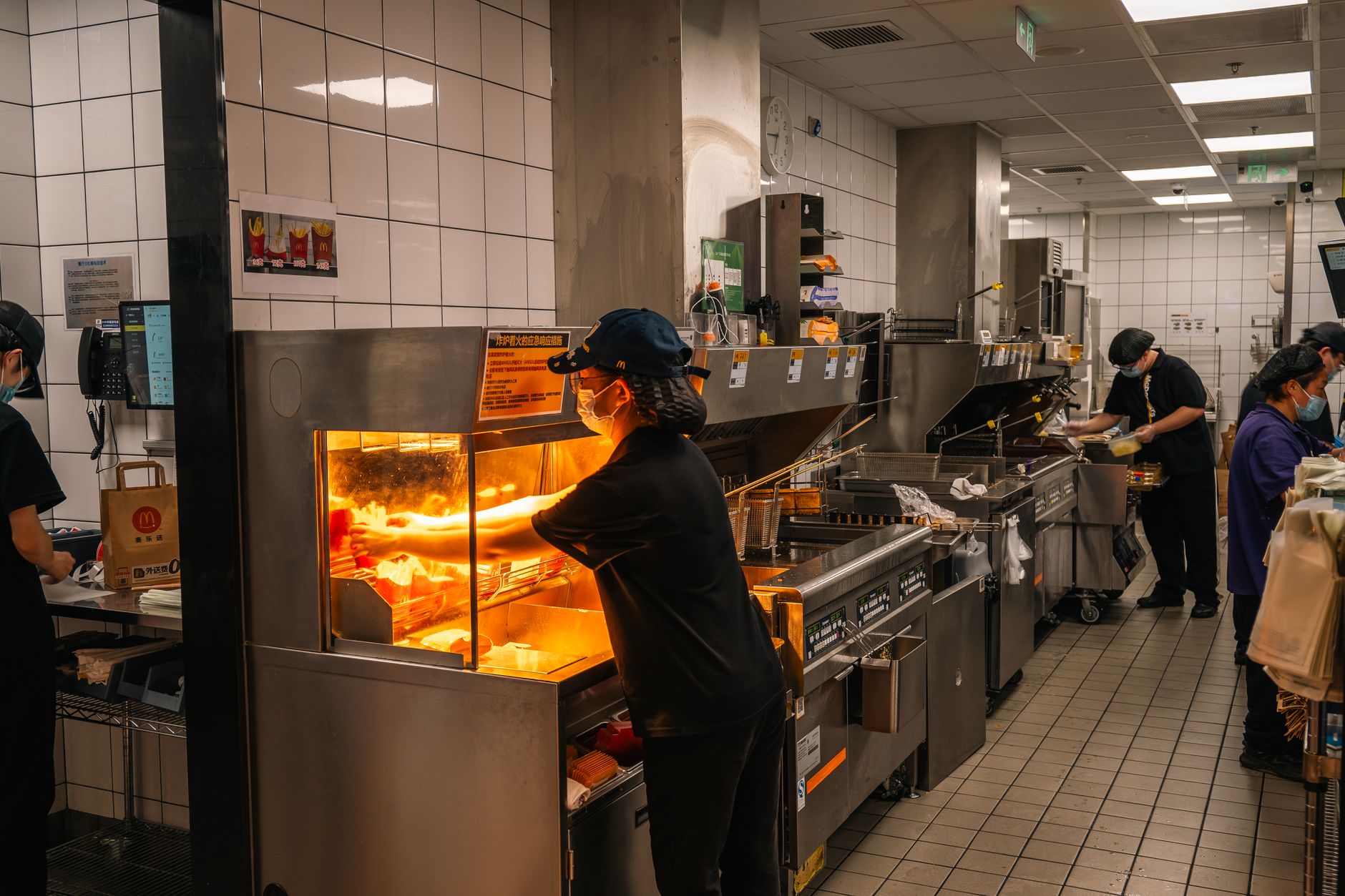
Savings come from the hours spent walking trays and clearing tables at peak times. Those hours depend on how many trips a shift makes, how far seats sit from the counters, and how long the rush lasts. A large court with many trips per hour has more to gain than a small one with a few tables, so ask for trip counts before you estimate anything.
Vendor figures give a sense of scale, but none that we could find came from an independent study. One vendor reports that a single delivery robot can save at least 20 labor hours per week. Another reports a figure of more than 1,500 staff hours saved each year, with no method given, and a third reports table turnover up 15 to 20 percent. Treat these as claims to test on your own floor, not as promises.
The fastest way to measure is a short pilot. Track trips per rush, the time from pass to table, and how often staff walk the same route. A pilot that starts with one leased unit gives you your own numbers before any wider rollout, and one vendor guide suggests exactly that approach.
What can the robot not do?
A delivery robot has limits, and you should know them before the site assessment. It moves trays along mapped routes. It does not take orders, handle payments, check allergies, clear trash, or talk with a guest who needs help. It is one part of the service, not all of it.
When a route is blocked, the robot waits or stops, and staff must clear the path. That is why the route plan and the person at the loading point matter as much as the robot itself.
- Take orders, take payments, or answer allergy and menu questions.
- Clear trash, wipe tables, or reset chairs.
- Work through aisles blocked by chairs, carts, or crowds, where it will pause until the path opens.
- Carry more than its tray capacity or serve tables outside its mapped route.
How do you get started with a delivery robot for your food court?
Start with a free site assessment. We walk the court with your managers, measure aisles and seating, note peak hours, and identify where routes will run and where staff will keep control. The assessment shows which robot fits your floor and what the route plan looks like.
Next comes the lease. Robots are leased through financing, and the payment comes in the quote after the free site assessment, so you see the full picture before you commit. We pick the right robot for the site, lease it through financing, deploy and integrate it, train the staff and service it nationwide. Go-live support covers the first rush hours so your team is not left to sort out problems alone.
Many courts begin with one leased unit on the busiest route, measure results over a set period, and then decide whether to add routes. That keeps the first step small and the next decision grounded in your own trip data.
Frequently asked questions
Want a delivery robot at your food court?
Tell us about your site. We will recommend the robot, quote the lease, and keep it serviced.
Sources
- U.S. Bureau of Labor Statistics, Occupational Outlook Handbook: Food and Beverage Serving and Related Workers
- Restaurant labor trends blog citing National Restaurant Association data
- Vendor blog on delivery robot efficiency
- Vendor blog on restaurant automation
- 2018 grocery trade article on a food mall robot in South Korea
- Vendor restaurant robot guide