
Key takeaways
- Harness assembly is still mostly manual, so repetitive steps tie up skilled hands.
- A cobot shares the same bench with operators, so the station keeps running around it.
- Cable tie placement and taping have the clearest cobot case studies so far.
- Flexible cable is the main limit, so expect a narrow task scope at first.
- Start with one station and a free site assessment before any lease quote.
How can cobots for wire harness plants help today?
Cobots for wire harness plants do one job well: they take the repetitive steps off skilled hands so operators can spend more of the shift on work that needs judgment. A cobot is a collaborative robot arm that shares a bench with a person instead of sitting behind a cage. In a harness shop, that usually means taping, cable tie placement and some connector steps.
The case is strongest where the task is fixed and repeats, such as applying tape or placing ties at the same spot on the same harness family. Research on harness work points to these steps as the ones automation can reach first. Wire preparation and crimping have long been automated on many lines, but final assembly has not, and that gap is where cobots fit.
For a plant manager, the practical questions are which station to start with, how operator hours change, and what the lease looks like. The sections below cover each one, and they say plainly what the research has and has not measured.
Why does harness assembly still depend so much on skilled hands?
One ergonomics study of harness assembly reports that the work is about 90 percent manual, according to MDPI. The same research ties this to process complexity and product variability, such as wires that differ in kind, size and length. A line that runs many harness designs cannot easily lock a fixed machine in place, so the work stays with people who can adjust by feel.
Automation has made progress at the edges. According to an encyclopedia entry on harness automation, crimping is largely automated in wire preparation, which covers cutting, stripping and terminal crimping. The same review finds that cable routing and mating electric connectors are the only assembly tasks with automation options, so most of the final assembly bench stays manual.
A 2017 paper indexed on Scientific.net describes fully automated crimp-and-blockload machines for small harnesses. It argues there is still large room to improve efficiency and quality, which leaves the middle of the process open to new tools.
What are the main benefits of cobots in this kind of plant?
The first benefit is ergonomic. At a Slovenian harness maker, a cobot was added to a manual station to shorten cycle time and make the station safer and less physically taxing for assemblers, according to Assembly Magazine. Scoring identified taping as the clearest target. The published snippet does not confirm a cycle-time figure, so treat that goal as a direction, not a measured result.
A 2022 case study in Robotics found that a cobot significantly reduced non-ergonomic postures in cable-tie placement, according to Navas-Reascos and colleagues. Their scoring used RULA and JSI, and the unassisted process scored at the highest possible level on both. For an operator who ties cables all shift, fewer awkward reaches and twisted postures add up over weeks and years.
The second benefit is consistency. A fixed step done the same way each time keeps output more even across shifts, which matters when several operators share the same bench. It also frees the skilled operator for the steps that need fingers and judgment, such as spotting a kinked wire before it moves downstream.
How does a cobot work at the bench day to day?
The cobot sits at the same bench as the operator. The operator loads the harness, routes the wires and sets the part in its position. The cobot then takes the repetitive step, such as placing a tie at a marked point or applying tape along a fixed run, and the operator checks the result before the next harness moves on.
Setup is where the planning sits. The team defines the step, the grip points and the position for each harness family. Changing the product means changing that setup, so a plant with many short runs should begin with a family that repeats often and keep the number of setups small at first.
The cobot does not need its own room. Because it shares the bench, the rest of the station keeps running, and the operator can step in whenever a part is out of position. Faults are cleared at the bench by the same person who was already watching the step.
Setup is the part to rehearse, because it is where a new station is most likely to need adjustment. Running a first-piece check at the start of each shift gives the lead a clear signal before the station moves into full production.
Which areas of the plant does the cobot work in?
Cobots fit where a bench task repeats on a predictable part. In practice that means a handful of stations rather than the whole floor. Research so far covers taping, cable-tie placement and connector mating, and those are the steps worth testing first.
Taping and tie placement are the cleanest first tests because the path is fixed. Connector mating is harder because the seat must be checked each time, so it usually comes after the first two are proven. Routing, testing and kitting stay with people in most cases. Routing is where flexible cable is hardest for a cobot to handle, and testing needs the judgment to spot faults a cobot would miss.
The site assessment decides which of your stations make sense for cobots for wire harness plants, and it gives the answer for your own parts rather than a general rule.
How does the cobot work alongside existing staff?
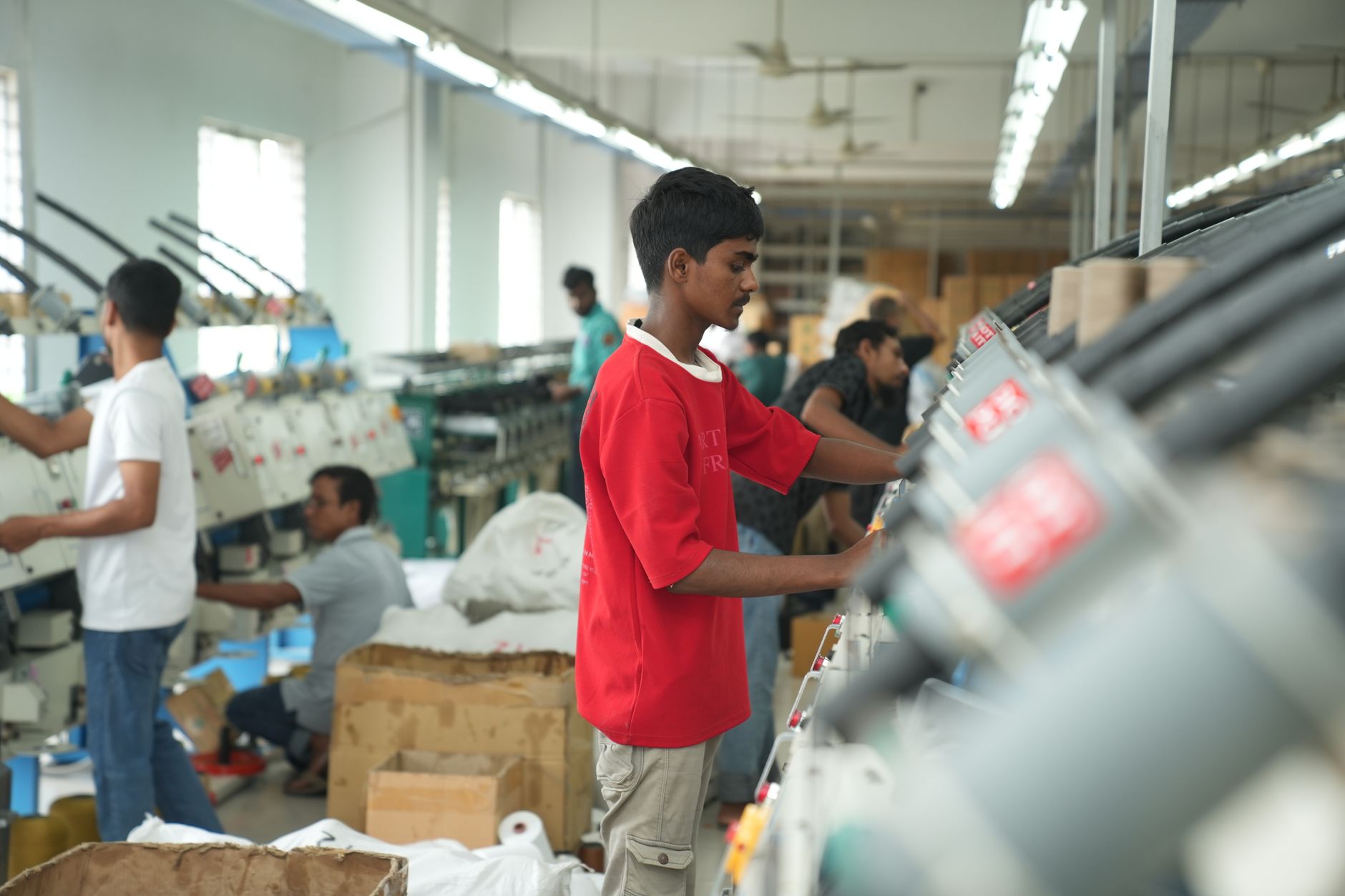
A cobot changes the job of the bench, not the need for people. Operators still prepare and route harnesses, check each finished piece, handle exceptions and run changeovers. The cobot takes the repeated motion, and the team keeps its skill.
Plan for a cobot plus a smaller, cross-trained team, never a machine running alone. A harness station needs someone who can spot a crooked tie, a kinked wire or a mis-seated connector, and that person has to be on the bench. Cross-training helps here, since any operator on the shift should be able to run the cobot and clear its faults.
We pick the right cobot for the site, lease it through financing, deploy and integrate it, train the staff and service it nationwide. Training covers the operators who share the bench and the leads who manage setup, which keeps skilled people where they are needed most.
Where do the savings come from?
The savings come from the hours skilled operators spend on repeated steps, along with the strain that comes with them. The research we could verify does not give a sourced range for hours saved at harness stations, and we will not invent one. Measuring a cycle-time gain at one station is what the site assessment is for.
A useful measure is cycle time per harness at the candidate station, recorded for a week before any change. Record the same figure after the cobot runs, and count the operator hours that move to inspection or routing. A plant that does this has a number it can defend instead of a projection.
Market context helps set expectations. According to the International Federation of Robotics, cobots held nearly 12 percent of new industrial robot installations in 2024, with 13 percent year-on-year growth, after a 10.5 percent share in 2023. Totals differ by source: IFR cites 603,000 industrial robot units for the year, while The Robot Report cites 354,000 for 2025, so the cobot share is the more consistent figure to plan around.
What can a cobot not do yet?
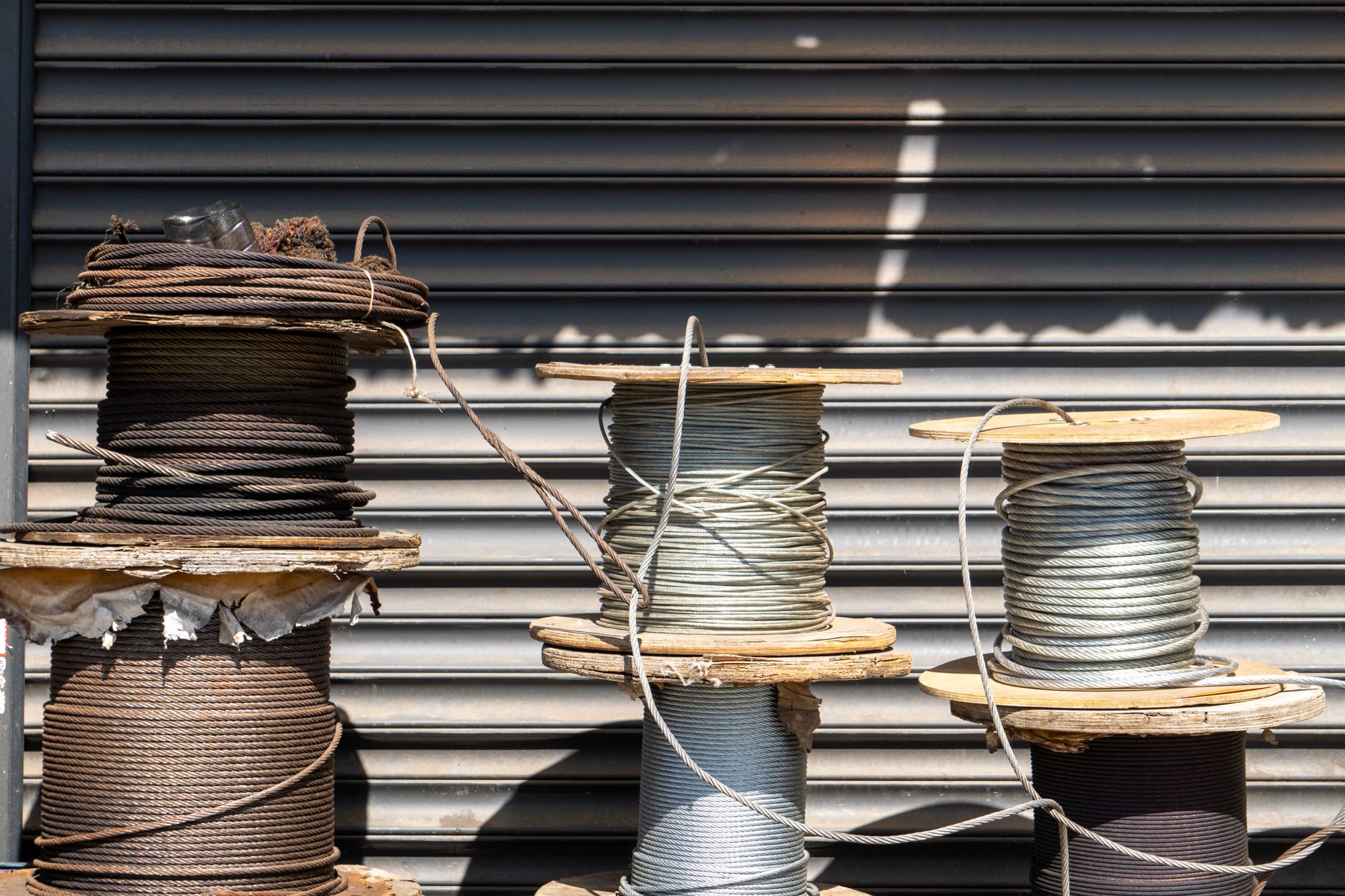
Flexible material is the hard limit. Researchers name cobots' struggle with cables as a barrier, and a harness is mostly flexible cable. A cobot that works well on a fixed tie point can still miss on a loose wire that shifts in the grip, which is why operators keep the routing.
Fully robotic harness cells are a different category. Research points to multiple sensors and manipulators as a route that carries a larger plant project, so a plant that wants full automation faces a bigger decision. The cobot is a narrower tool with a narrower scope, and it is sized to a station rather than a line.
A cobot also does not fix product mix on its own. A station that runs many harness families each day needs a setup routine for each one, and the gain shrinks when changeovers are frequent. Expect the first results on the families that run most often.
How do we get started?
Start with one station. Pick the bench where the repeated step is the largest share of the work and the part is stable enough to hold in place. Keep the rest of the line running while the team learns the setup.
The first contact is a free site assessment. We map the station, check the parts and the bench layout, and recommend the cobot that fits the site. Robots are only leased through financing, and the payment comes in the quote that follows the assessment, so no lease quote is given before the site has been reviewed.
After go-live, we service the cobot nationwide, so the plant has one partner for deployment, training and service from the first day. A pilot on one station gives the team a record of its own before it decides on a second.
Frequently asked questions
Want a cobot at your wire harness plant?
Tell us about your site. We will recommend the robot, quote the lease, and keep it serviced.
Sources
- MDPI, Robotics harness assembly ergonomics review
- Encyclopedia.pub, harness automation entry
- Scientific.net, 2017 paper on crimp-and-blockload machines
- Assembly Magazine, wire processing feature 2026
- Assembly Magazine, cobot cycle time case
- MDPI Robotics, Navas-Reascos et al. 2022 cable-tie case study
- International Federation of Robotics, President's report 2026
- The Robot Report, IFR robot count