

Key takeaways
- Scheduled floor passes fit into closed hours and quiet periods, when the halls are empty.
- Entry halls and tiled exhibit corridors take the heaviest visitor traffic each day.
- A floor cleaning robot works best with a smaller team, not in place of one.
- Labor savings depend on floor area and run hours, so measure them in your own building.
- Glass, tank edges, wet areas and animal spaces stay with trained people.
See what a cleaning robot costsRun the numbers in the ROI calculator
How can cleaning robots for aquariums help?
Cleaning robots for aquariums take on the floor work that visitor traffic creates every day. Entry halls, ticket lines and long tiled corridors between exhibits collect grit, drips and tracked-in water faster than a small crew can keep up with during open hours. A floor cleaning robot can run the same route on a schedule, usually while the building is closed or quiet, so the floors start the morning in better shape.
The main benefit is consistency. The same passes run at the same times, and staff hours move away from pushing equipment across big tiled halls and toward the work that needs a person: spills near exhibits, animal care support, guest questions, and the glass and edges a robot should not touch. The floor is ready when the doors open, and the team spends its time where judgment matters.
We pick the right robot for the building, lease it through financing, deploy and integrate it, train your staff and service it nationwide. The sections below cover where the robot works, how a day runs, what drives the savings, and what it cannot do.
What floor problem do aquariums face today?
Aquariums draw steady crowds, and their floors show the wear. According to the Association of Zoos and Aquariums, there are 56 accredited aquariums and 9 facilities that are both zoos and aquariums, out of roughly 240 accredited institutions. Each of those buildings has entry halls, ticketing areas and tiled exhibit floors that take the same traffic every open day.
Visitor numbers are large. According to the Association of Zoos and Aquariums, about 209 million people visit these institutions worldwide each year, based on its 2024 survey. An archived AZA visitor-demographics page, captured in 2021, cited about 183 million annual US visits to zoos and aquariums combined, so the scale of the problem is not a small one.
For the operator, the timing is the trouble. Tracked-in water, food crumbs and grit build up through the day while staff are busy with exhibits and guests. Cleaning during open hours can disrupt visitors, and a crew that waits until closing has a short window before the next morning. Floors that look clean at opening are often the ones that were handled well the night before.
What are the main benefits?
The first benefit is coverage that stays on schedule. A robot runs the entry hall and main corridors on the same route every night, so floor care does not depend on whether a shift runs short or a staff member is pulled to an exhibit.
The second is quieter floors during open hours. A robot that runs after close or in quiet periods avoids the noise and foot traffic of a crew moving carts and buckets among guests. The team also starts the day with a predictable floor, which makes the first hour of opening calmer for everyone.
The third is labor redirected to work that needs people. Each hour a robot covers is an hour a person can spend on animal care support, exhibit upkeep, guest service and spot cleaning. How much time that frees depends on floor area and run hours, so we size the plan to your building rather than to a general figure.

Which areas of an aquarium does the robot work in?
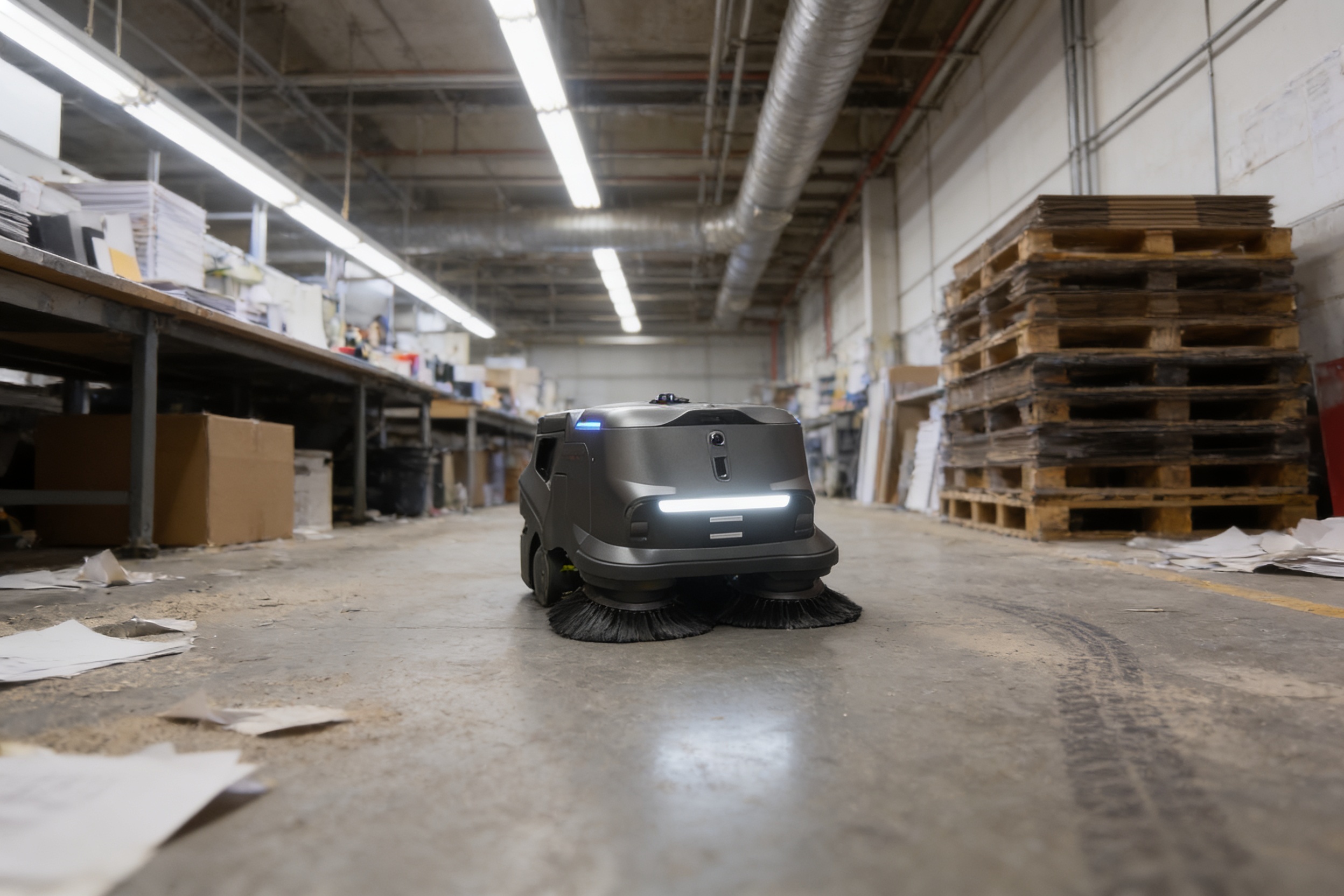
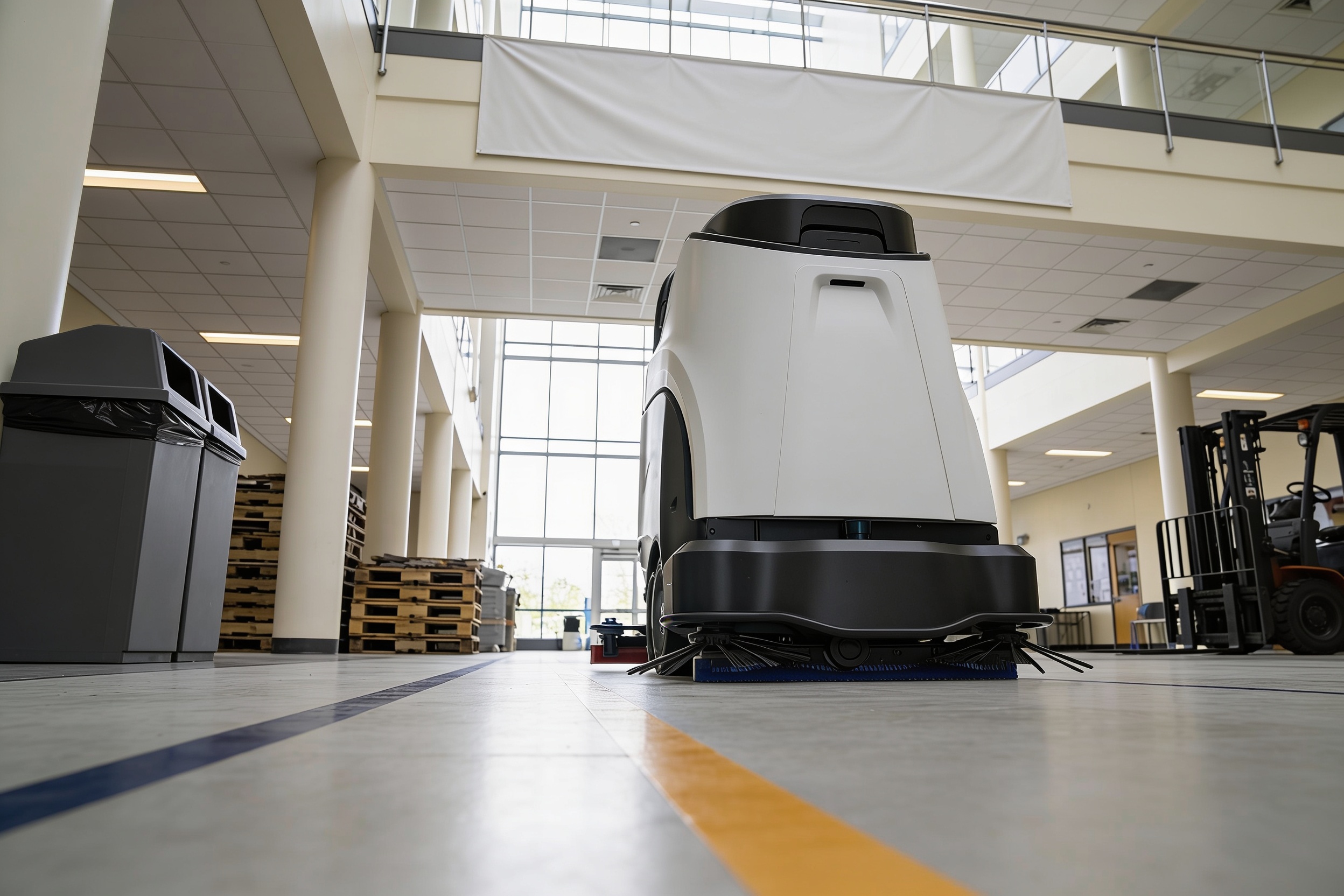
The robot works best on the hard, open floors that visitors cross most often. Strong candidates include large tiled halls, the entrance and ticket area, long corridors between galleries, and cafe and gift shop floors when those spaces are empty or closed to guests during the pass. Flat, unobstructed routes are where a floor cleaning robot earns its place.
Some areas are a poor fit. Exhibit edges, glass viewing panels, tank rims, stairs, ramps with level changes, rooms with live animals and anywhere with open water are better handled by trained people. Restroom and other wet areas usually need hands too. A site assessment maps the route, checks thresholds and marks every stop the robot should not make.
How does the robot work day to day?
The day starts with staff, not the robot. Before opening, a team member reads the overnight run log, clears any blocked path and confirms the route is free of stands, cones and stray equipment. The robot's work begins once the building empties, and the morning check tells the team whether the floors need extra attention.
After close, the robot runs its scheduled pass on the entry hall and corridors, returns to its charging spot and logs any fault. In the morning, staff review what it flagged, such as a spill it could not clear or an obstacle that stopped the route. Those flags are what keep the schedule dependable over time.
During open hours the robot generally stays parked, and staff handle spills and spot cleaning. A fixed rhythm like this is easier to manage than an unscheduled crew moving through the building, and it gives the team a clear way to tell whether the schedule is keeping up.
How does the robot work alongside existing staff?
A floor cleaning robot works best with a smaller team, not in place of one. The robot handles repetitive floor passes, and people handle work that needs judgment and hands: spills near exhibits, animal care duties, guest questions, maintenance and any decision a machine should not make. Every shift still needs people.
Training matters more than most operators expect. Staff learn how the route is set up, how to clear a blocked path, how to read the run log and when to call for service. We train the team on site so the robot becomes part of the routine rather than an extra task on a busy morning.
Service is part of the arrangement. We service the robot nationwide, with remote triage for faults and on-site dispatch when hands are needed, so a unit is not left idle while your team waits. The team's job stays the same: run the building well, and let the robot take the floor passes that repeat every night.
What drives the savings, and how large can they be?
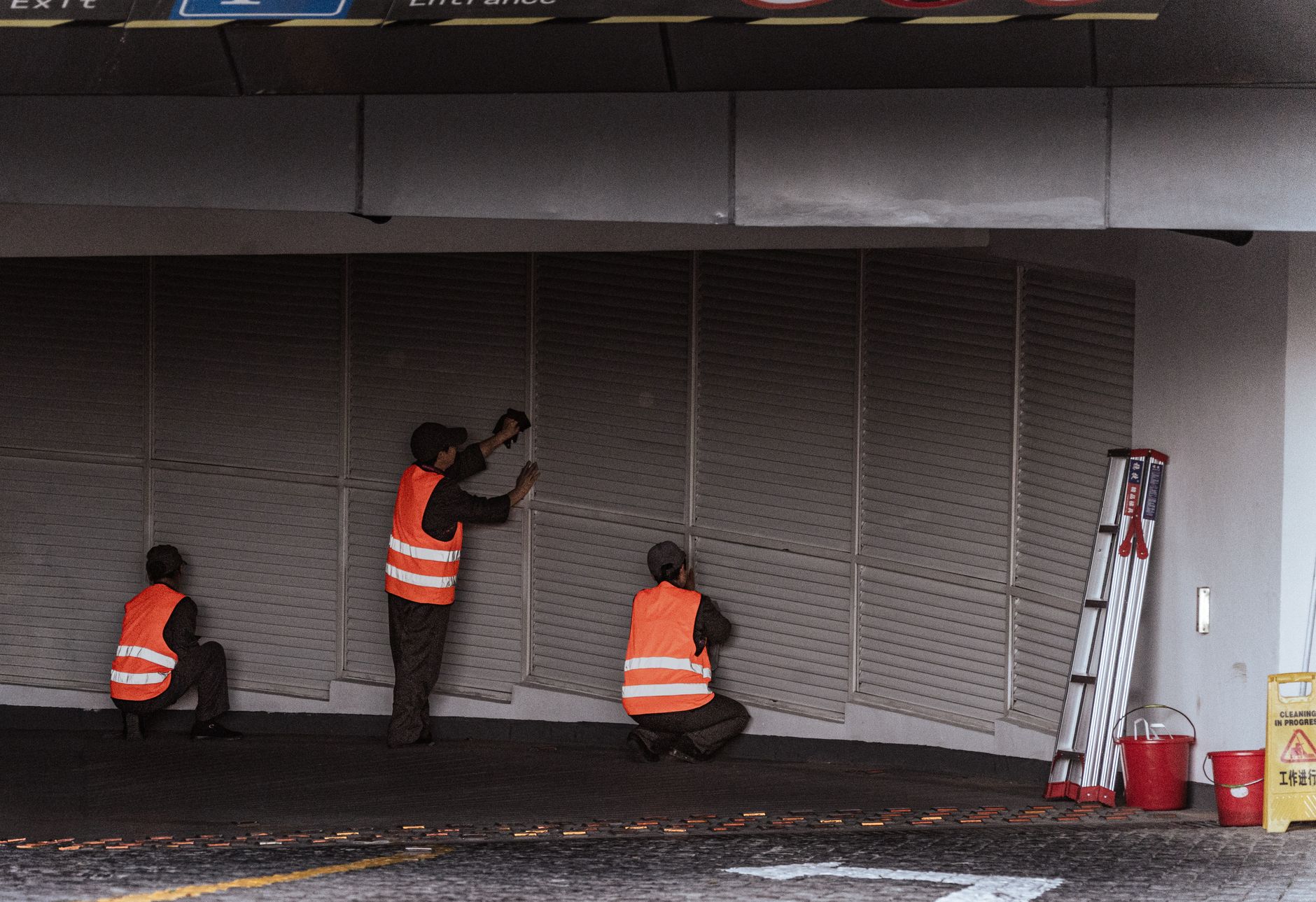
Savings come from hours. The main variables are floor area, how many hours the robot runs and how much of the work it actually takes over. Vendor case studies show the range, but they are not independent audits, and your building will produce its own numbers.
In a healthcare network case study from 2023, total labor per night fell from 16 hours to 5 hours with a smaller team, about 11 hours saved per night. A Canadian warehouse running a floor scrubbing robot reported more than 300 labor hours saved over about one year compared with conventional cleaning, according to material handling trade press. A cleaning team at a bank campus reported 26 hours per week of ride-on vacuuming saved, according to a contractor case page.
Multi-site reports show scale. A grocery retailer reported 33,649 hours saved across its stores in 2024, which is a total for many locations rather than one building. A cleaning contractor working with a US high school reported savings of 4 to 6 hours per day, and projected 20 to 30 hours per week once the school reopened at full capacity. That last figure is a projection, not a measured result.
What can a floor cleaning robot not do in an aquarium?
A floor cleaning robot is not a full cleaning crew. It does not clean glass viewing panels, tank rims, acrylic surfaces or exhibit walls, and it should not work near animals, open water or displays. Those tasks stay with trained staff using the right tools and procedures.
It also cannot handle the unexpected. A large spill, a broken item, a visitor or child on the floor, or a route changed by a new stand needs a person. Robots stop when they meet obstacles, which is good for safety, but a human must clear the path and restart the run.
Set expectations early. Plan for the robot to cover the large open floors, and keep people on the edges, the wet spots and the animal areas. Once that split is written into the schedule, the robot becomes a dependable part of the routine.
How do you get started?
Start with a free site assessment. We walk the building, map the floors and entry routes, note the areas to avoid, and talk through your hours and staffing. The quote follows the assessment. A fixed robot lease payment is quoted after the site visit, and the payment comes in the quote, which covers the robot, deployment and service.
We pick the right floor cleaning robot for the site, lease it through financing, and deploy and integrate it with your schedule. Our team trains your staff, supports go-live and services the robot nationwide, so you have one partner for the whole arrangement. Many operators begin with one unit in the busiest hall and expand once the run logs show what the schedule delivers.
Ask for the route, the run hours, the service response plan and the staff time the plan assumes. For teams weighing cleaning robots for aquariums, those answers say more than any general estimate, including the ones on this page.

Frequently asked questions
Upcoming museums & cultural venues events
Want a cleaning robot at your aquarium?
Tell us about your site. We will recommend the robot, quote the lease, and keep it serviced.
Sources
- Association of Zoos and Aquariums statistics page
- Association of Zoos and Aquariums visitor demographics (archived, captured 2021)
- Healthcare network vendor case study, 2023
- Material handling trade press article on floor scrubbing robots
- Grocery retailer vendor case study, 2024
- US high school cleaning contractor case study
- Bank campus cleaning contractor case page