
Key takeaways
- Repeat pallet moves between racks and dock lanes are the easiest work to hand to an autonomous forklift.
- Clear aisles give counter and will-call staff room to work without forklift traffic crossing their path.
- Vendor savings figures vary widely, so your own route counts and staffing gaps matter more than headline percentages.
- The robot works alongside a smaller team, and staff still cover counter sales, exceptions and loading decisions.
How can autonomous forklifts for electrical supply distributors help?
Electrical supply distributors move a steady stream of heavy palletized stock: cable on reels, boxes of breakers, conduit bundles, fittings and fixtures. Most of it travels the same few routes every day, from the receiving dock to the racks, from the racks to order staging, and from staging to the loading doors where contractor trucks wait. Autonomous forklifts for electrical supply distributors suit that repeat work because they follow set routes without a driver making every run.
The main benefit is clearer aisles. When forklift traffic is predictable, the robot can take the repeat pallet moves between racks, receiving and shipping lanes, and your counter, will-call and loading crews can focus on the orders in front of them. The gains usually come from the routes that run most often rather than the most complicated jobs, which is why a site assessment starts with a route count.
The rest of this page covers the problem as it looks in a branch today, the benefits, the day to day work, the areas the robot covers, how it fits beside your team, what drives the savings, what it cannot do, and how to get started.
What does pallet movement look like at an electrical supply branch today?
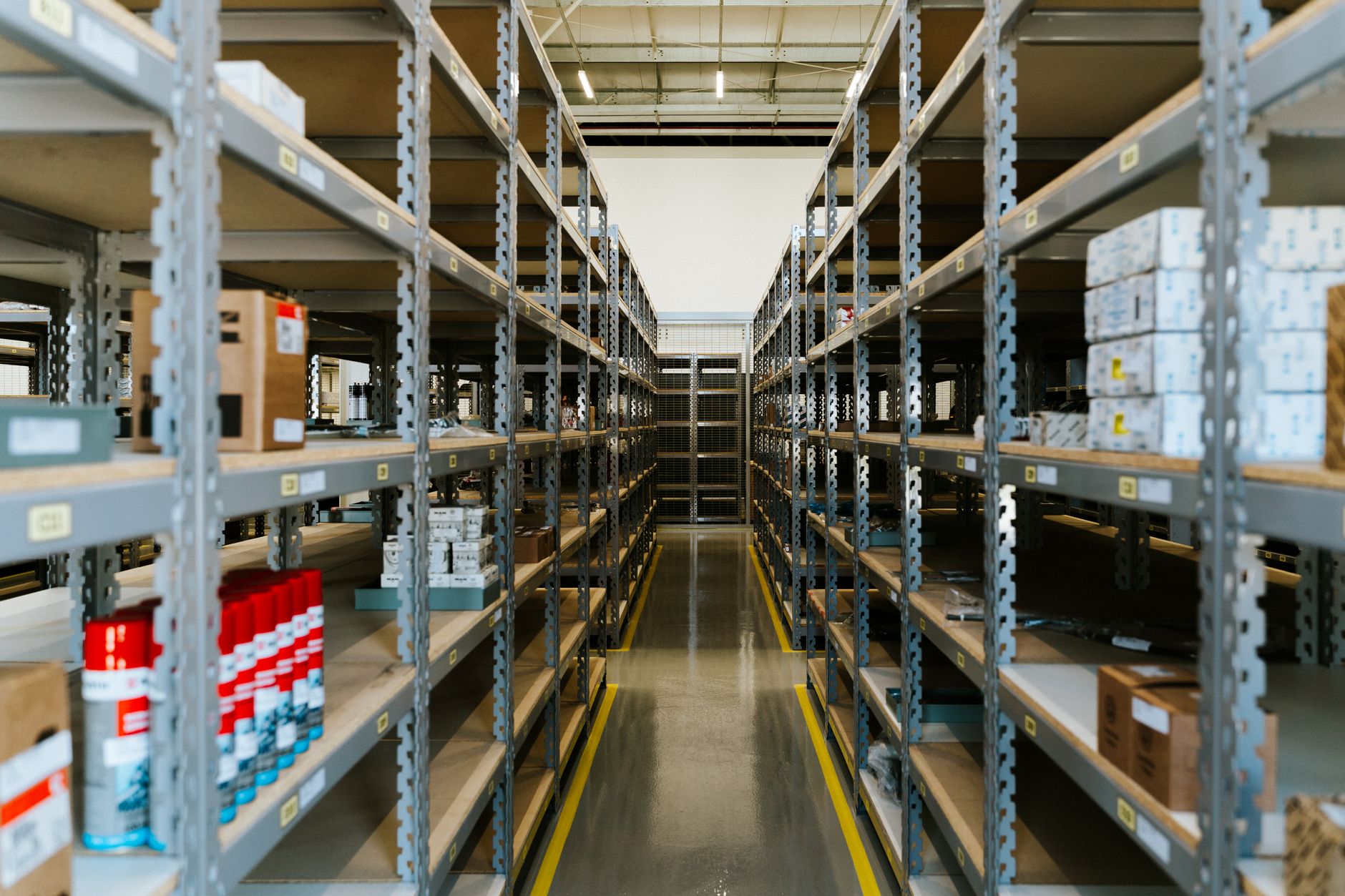
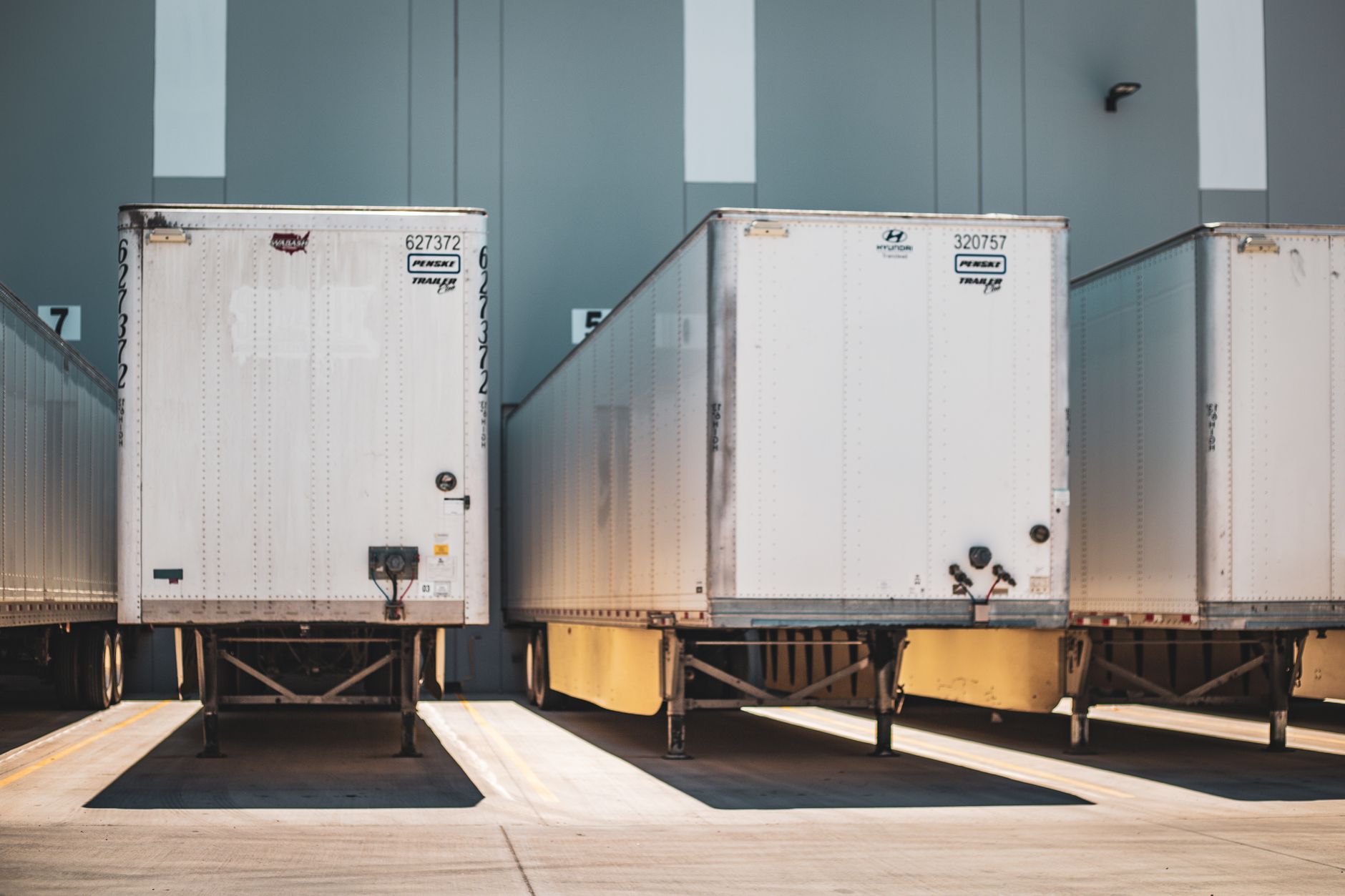
Most branches are one building doing several jobs at once. A receiving dock may be unloading a truck while a will-call customer waits at the counter and a contractor backs into the loading lane. The forklifts serving those areas are often shared by receiving, put-away, picking and loading, so each pallet move competes with another for the same aisle.
Aisle space is the real constraint. Racks hold fast moving wire, conduit and fittings in tight rows, and a loaded forklift needs room to turn and keep distance from people picking orders. When staging spills into the aisles while a driver waits for a free truck or a free forklift, the whole floor slows down.
Labor is the other pressure. According to the U.S. Bureau of Labor Statistics, 867,700 people held material moving machine operator jobs in 2024, and projected growth from 2024 to 2034 is 1 percent, which the agency describes as slower than average. A 2025 survey by a warehouse labor vendor names forklift operators among the hardest roles to staff, and a vendor blog puts annual forklift operator turnover at 35 to 45 percent, though that blog is not a primary study.
What are the main benefits for a distributor?
The first benefit is predictable movement. An autonomous forklift runs the same routes to the same destinations, so the aisles stop filling with unplanned traffic. Staff know where the robot is headed and can plan their own walks around it, and supervisors can see the queue instead of hunting for a free driver.
The second is less time spent on the long, repetitive legs of a shift. A vendor of autonomous forklifts reported travel time drops of roughly 20 to 30 percent in unnamed field pilots, in material from September 2025. Treat that as a direction rather than a promise for your floor, since the pilots were not named and the report comes from the seller.
The third is steadier staging at the dock. The robot does not get pulled into another task in the middle of a run, so staging can follow fixed run times rather than whoever happens to be free. That matters most on mornings when several trucks arrive close together.
How does the robot work there day to day?
The work starts with a map. Before go live, the building is mapped, racks, dock lanes, staging spots and charging points are set, and the robot is taught the routes it will run. Moves arrive from a task queue fed by your warehouse system, so a pallet order becomes a job without anyone radioing a driver.
For each move, the robot drives to the rack, picks the pallet, travels the mapped route to a staging lane or loading door, sets the load down and returns for the next task. It slows or stops when a person is in its path and resumes when the way is clear. Charging happens at set points during slower periods, so the queue is planned around it.
People stay in the loop. Supervisors watch the queue, and the team is alerted to exceptions such as a blocked aisle, a damaged load or a pallet that is not where the system expects it. Those alerts are where staff add the most value, because the robot cannot judge a damaged load on its own.
Which areas of the branch does it work in?
The robot works where pallets travel on repeat. In practice that means the receiving dock to bulk racks, racks to order staging, staging to the loading doors, and back storage that feeds the front of the house. The zones below show the areas most branches start with.
It is a poor fit for the counter, the sales floor and any area where customers walk without a clear lane. Those spaces depend on people, and the team should keep them. The best first route is the one with the most repeat traffic and the fewest surprises, and the site assessment is where that route gets identified.
How does it work alongside the existing team?
A branch runs a robot plus a smaller team, not a robot alone. The team still includes people at the counter, staff handling will-call, pickers who work on judgment, and someone who watches the queue and clears exceptions. The robot takes the repeat legs so the team spends its hours on the work that needs a person.
Forklift operators usually move into supervising the queue, handling exceptions, checking loads and making loading decisions. That takes training, which we provide during deployment and the first weeks after go live. The people who know the aisles best also know which routes need changes, so bring them into the planning from the start.
A vendor case study describes a consumer goods factory that went from 36 forklift operators to 4 fleet supervisors across three shifts. That is a much larger operation than most branches, so read it as an example of how roles can change, not as a forecast for your staffing.
What drives the savings, and how large can they be?

Savings come from fewer forklift hours on repeat legs, less idle waiting for a free driver, fewer aisle conflicts and fewer shifts covered with extra hours. According to a trade publication covering a robotic cross dock deployment, the operator reported a more than 30 percent cost reduction on any given shift. The facility kept two supervisors and cut its forklift operator count.
A vendor of autonomous forklifts claims a 64 percent reduction in human labor costs compared with a forklift, and a 33 percent efficiency gain compared with an electric pallet jack, in a third party warehouse case study. Vendor figures are the main labor savings evidence available, and they are not the same as results at a branch.
Labor supply is the other lever. A 2025 survey by a warehouse labor vendor found that most respondents reported turnover under 10 percent, though a notable minority reported higher. Where turnover is high, the value may show up as fewer uncovered shifts rather than fewer hours. No verified hours per shift benchmark exists for branches, so the site assessment measures your route counts and staffing gaps before any quote.
What can the robot not do?
It cannot serve customers, run the counter, take a phone order or judge whether a reel is damaged. Any task that needs a person to read a situation stays with the team. It also does not fix a layout problem. Blocked aisles, crowded staging and faded floor markings slow it down the same way they slow a person.
Loads outside its rated capacity, irregular pallets and oversize cable reels may need a person or a different machine. Routes have to be mapped and kept clear, so frequent layout changes mean remapping. Charging takes time, and the queue has to allow for it.
It is also not a guaranteed saving. Labor results depend on route counts, shift length, traffic and how the branch uses the robot. Treat any headline percentage as a starting point and ask for numbers built from your own operation.
How do you get started?
Start with a free site assessment. We map the aisles, dock lanes, staging spots and traffic, count the pallet moves on a typical day, and review how work flows through your warehouse system. The output is a recommendation for the right robot for your site, not a generic brochure.
Next comes the lease. The robot is leased through financing, and the payment comes in the quote after the site assessment. Many branches begin with one leased unit on the busiest route and expand once the numbers hold. We can also talk through backup planning for any lane that cannot go without a unit.
Once the lease is in place, we deploy and integrate the robot, train your staff and provide go live support. Our service covers the robot nationwide, with on site dispatch and remote triage when something stops. Your branch keeps its team, and we keep the robot working.
Frequently asked questions
Want an autonomous forklift at your electrical supply distributor?
Tell us about your site. We will recommend the robot, quote the lease, and keep it serviced.
Sources
- U.S. Bureau of Labor Statistics, Occupational Outlook Handbook
- 2025 State of Warehouse Labor report (vendor survey)
- Trade publication on robotic cross dock deployment
- Vendor case study, third party warehouse
- Trade article on autonomous forklift pilots, September 2025
- Vendor case study, consumer goods factory
- Vendor blog on forklift operator turnover