
Key takeaways
- Repeated pallet moves between depalletizing, storage and line feed are the work an autonomous forklift handles best.
- According to the National Association of Manufacturers, as cited in a staffing firm survey, there were 462,000 manufacturing job openings in the US in January 2025.
- Most published hour savings come from vendors, so test them against your own pallet counts and trip times.
- The robot works alongside a smaller team of operators and planners, never in place of all staff.
- Start with a free site assessment, then receive a lease quote through financing.
Where do autonomous forklifts fit in a can plant?
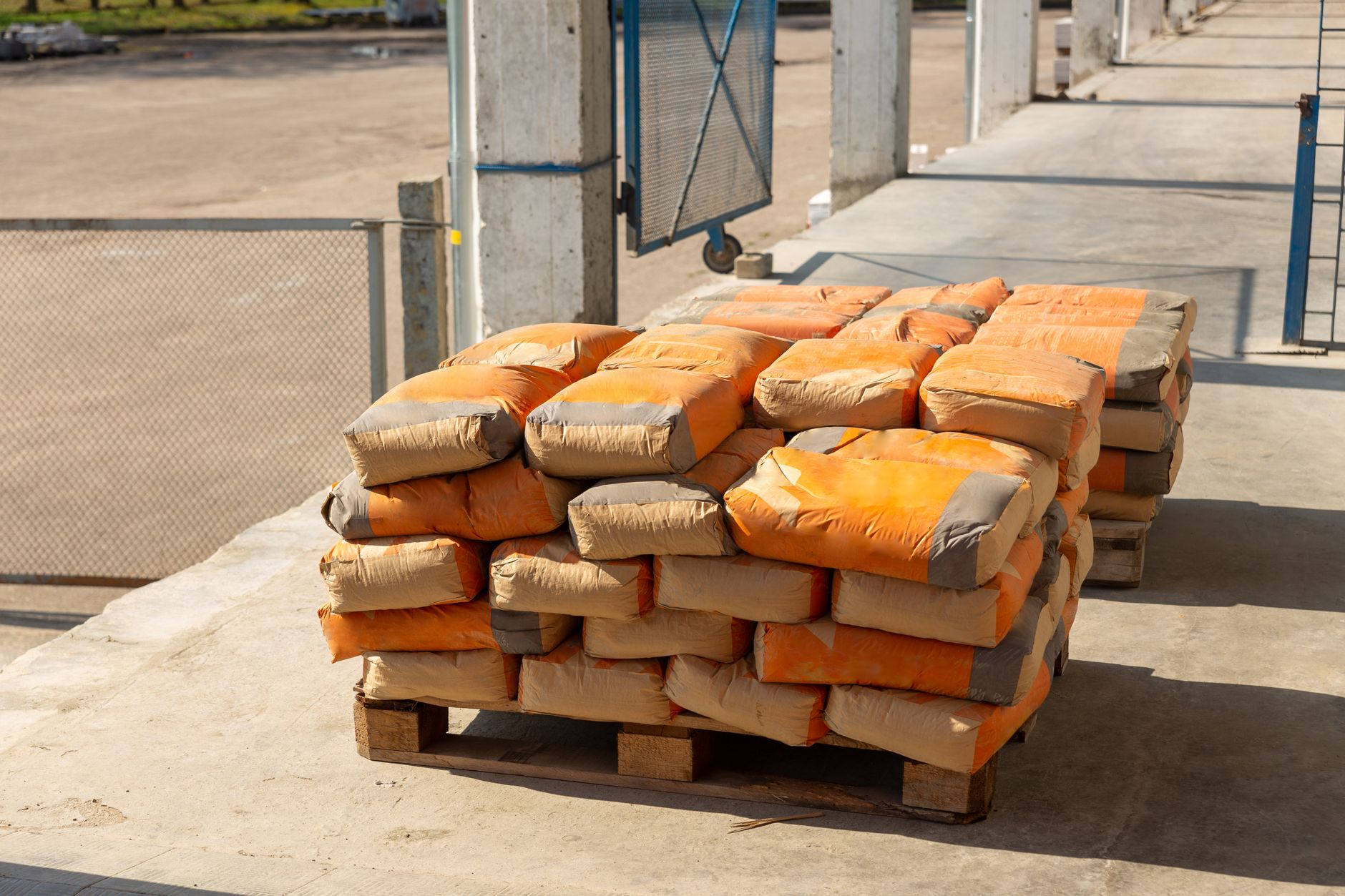
Autonomous forklifts for can manufacturing plants take over one kind of work well: repeated pallet moves on a fixed route. In a can plant that route usually runs between the depalletizer, storage and line feed, with empty pallets, incoming material and finished goods moving on much the same schedule every shift. Every pallet moved by hand is labor time that is not spent on the line.
The fit comes from repetition. A robot that knows its stops can pick up a load at the depalletizer, carry it to storage or to a line feed point, and return for the next one without an operator steering each trip. Work that repeats all day adds up quickly, so the hours returned to the plant add up too.
This page covers the problem at a can plant today, the main benefits, how the robot runs a shift, which areas it serves, how it works alongside the people on the floor, what drives the savings, what it cannot do, and how to start. Savings are given as sourced figures and examples, not promises, and vendor figures are labeled as such.
What does pallet handling look like in a can plant today?
A can plant runs on timing. Empty pallets must be ready when the depalletizer needs them, material must reach the line feed before a station runs short, and finished goods must leave staging on schedule. Much of that movement is still done by hand-driven forklifts, and the same people are often pulled into changeovers, quality checks and line support when the schedule shifts.
The staffing pool is tight. According to the National Association of Manufacturers, as cited in a staffing firm survey, there were 462,000 manufacturing job openings in the US in January 2025. When a plant cannot fill a handling seat, the moves fall to whoever is still on shift, and that is often the people closest to the line.
The job itself is large in the labor market. According to the Bureau of Labor Statistics, industrial truck and tractor operators held 792,500 jobs in 2024. The same agency projects about 83,200 openings per year on average over the decade for the broader material moving machine operator group, which includes forklift operators along with other roles.
The plant base is also shifting. According to an industry research estimate, there were 277 metal can and container manufacturing businesses in 2026, with an average decline of -1.3% per year over 2021 to 2026. That count is of businesses, not plants. A data aggregator counts 175 metal can manufacturing establishments under NAICS 332431, with 19 of them in Ohio, but it does not state its data year and it is not official Census data. Use these as market context rather than an exact plant count.
Turnover adds to the load. In a survey cited by a staffing firm, 50% of respondents named employee turnover as a driver of hiring. Each new driver needs training on routes, pedestrian zones and load handling before becoming fully productive, and that training time comes out of the hours of the people already on the floor.
What are the main benefits for a can plant?
The first benefit is hours. Pallet moves on a fixed loop are among the easiest handling work to automate, so the people who used to run them can cover changeovers, line checks and maintenance support. The second is steadiness. A robot on a set route keeps the same rhythm every shift, which makes line feed easier to plan and easier to explain to the line leads.
The gains tend to show up in a few places:
None of these gains depends on a single shift being perfect. What matters is the trend over weeks: fewer late loads at the line feed and fewer hours spent walking or driving the same route by hand. Those are the numbers worth tracking from the first day.
- Fewer labor hours spent on repetitive pallet moves, which frees operators for line work.
- Steadier line feed, with fewer gaps caused by a pallet that was not moved in time.
- Mapped, repeatable routes that are easier to check, audit and train for than hand-run trips.
- Less long-distance travel for staff who would otherwise cover the same aisles all shift.
How does an autonomous forklift run a shift in a can plant?
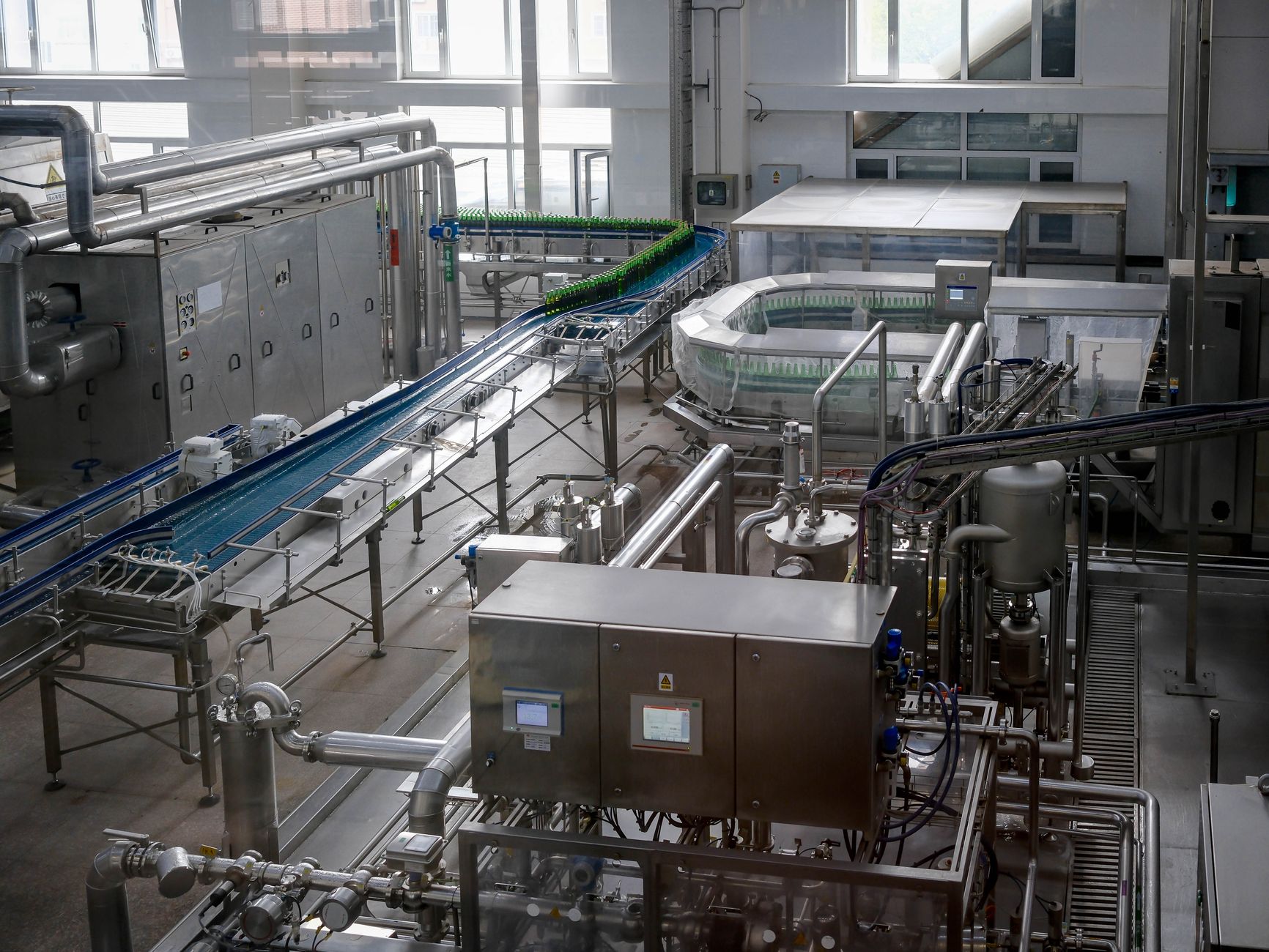
The robot follows a mapped route between fixed stops: the depalletizer, the storage racks, the staging area and the line feed points. A site assessment maps those stops and the travel lanes before anything runs. Staff set priorities in the system, so the robot knows which pallet is due next and which stop can wait.
A typical shift is repetitive by design. The robot picks up, moves, drops and returns, slowing or stopping for people who enter its path. A trip that cannot finish is flagged so a person can clear it, and the robot waits for the next instruction rather than improvising a new route through the plant.
Charging and breaks are scheduled into the day so line feed does not depend on one unit's battery. Staff review the trip log at shift change, which shows which stops ran late and where a lane needs clearing before the next crew starts.
Which areas of a can plant does it work in?
The robot works in the handling areas that repeat on a fixed pattern. Most plants start with two or three of these zones and add more as the first routes prove out. The zones below are where a can plant usually sees repeat trips.
Coverage follows the floor plan. A long plant with several storage bays or multiple line feed points gives the robot more repeat work per shift, while a compact plant may need fewer routes. The site assessment decides which zones are worth mapping first, and which ones can stay with manual equipment for now.
How does it work alongside the people on the floor?
The robot takes the repetitive pallet trips, and the people keep the decisions. Operators still set priorities, clear blockages, handle damaged or irregular loads, and watch the line. The model is one or more robots working with a smaller team, not a plant run by machines alone.
Turnover makes this practical. When staff leave and replacements take time to train, a robot on fixed routes gives the plant a steady baseline of moves while the team is rebuilt. Experienced staff move to the work that needs judgment, and new hires learn the line with less pressure in their first weeks.
Training is part of the deployment. The people who will work beside the robot learn how it stops, how it is paused, how to clear a flagged trip, and how to report a problem. We train them during go live so the handover is clear from the first shift, and we stay on site while the routes settle.
What drives the savings, and how large can they be?
Savings come from hours. The hours returned depend on how many pallet moves a plant makes per shift, how long each one takes by hand, and how much of that time operators can redirect to line work. For autonomous forklifts for can manufacturing plants, those three numbers, taken from your own records, matter more than any published example.
Published figures show a range, though none are guarantees. A vendor case study about a manufacturing plant in Tennessee reports 60 labor hours automated each week, over 1,800 hours of autonomous operation, and a return within two years. That case used an autonomous tugger rather than a forklift, and its figures are vendor-reported and not independently audited.
Other sources point the same way. A vendor case study about a large aerospace manufacturer reports an estimated annual saving of 4,000 labor hours, which is an annual figure, not a per-shift one. A logistics company's infographic says one robot can save 3 to 4 hours of traveling time per 8-hour shift in a warehouse setting. Treat these as signals to test on your own floor, not as a forecast for a can plant.
A simple way to test them: count the pallet moves on a typical shift, time one trip by hand, multiply, and compare the result with the hours the line feed actually needs. Then ask for the same count to be checked during the site assessment.
What can an autonomous forklift not do?
It does not replace operator judgment. A robot cannot decide what to do with a damaged pallet, reorganize a rack on its own, or take a load outside its mapped route without a person planning the change. It works within the lanes and stops it has been given.
The floor matters as much as the robot. Level floors, marked lanes and consistent staging make it reliable. Blocked aisles, loose pallets left in lanes and frequent layout changes slow it down. It is a good fit for repetitive travel, not a replacement for every task in the plant, and a plant that changes its layout often should plan time for re-mapping.
Plan for downtime in the early months as well. A fallback, such as manual forklifts kept available for exceptions, keeps the line fed while a unit is serviced.
How do you get started?
Start with a free site assessment. We map the depalletizer, storage, line feed and staging points, measure the travel lanes, and count the pallet moves on a typical shift. From that we recommend the right robot for the site, and the lease quote follows the assessment.
Service Robot Co. is a US commercial robot integrator. We lease robots through financing, and the payment comes in the quote. We pick the robot that fits the site, deploy and integrate it into the plant, train the staff who work beside it, and service it nationwide.
Many plants begin with one unit on the most repetitive route, measure the hours it returns over a set period, and then decide whether to add more. That keeps the first step small and the results easy to read against your own records.
Frequently asked questions
Want an autonomous forklift at your can manufacturing plant?
Tell us about your site. We will recommend the robot, quote the lease, and keep it serviced.
Sources
- Bureau of Labor Statistics, Occupational Outlook Handbook: material moving machine operators
- National Association of Manufacturers figure as cited in a staffing firm survey on manufacturing employment
- Industry research estimate, metal can and container manufacturing businesses
- Data aggregator, NAICS 332431 metal can manufacturing establishments
- Vendor case study, autonomous tugger at a Tennessee manufacturing plant
- Vendor case study, large aerospace manufacturer
- Logistics company infographic on automated forklifts