
The short answer
Cobot ROI for machine shops usually comes from keeping CNC spindles cutting during hours when nobody is on the floor, plus the loading and unloading labor a robot takes off skilled machinists. The savings range depends on how many hours the robot realistically tends, the local wage for that loading work, and the fixed lease payment, which is quoted after a free site assessment. Treat any range as an estimate until your own cycle times and shift pattern are measured.
Key takeaways
- The return comes from spindle hours that run unattended and loading labor that stops taking machinist time.
- Labor savings are priced on the loading and unloading hours the cell takes over, not on a machinist's whole day.
- Cycle length, batch size and raw stock staging move the payback more than any other input.
- Shops with long unattended runs on a few part families see the clearest case.
- The payback figure becomes real only after a site assessment measures your own cycle and shift data.
Run the numbers for your site
Pick your city or state for a real regional number - we use the real BLS wage there. (On the live site this auto-detects from your location.)
What do you want to automate?
The cobot stacks the repetitive end-of-line pallets; your team handles changeover and QA.
What return can machine shops expect from cobots?
Cobot ROI for machine shops is mostly a question of spindle hours. A collaborative robot arm loads raw stock into a CNC machine, starts the program, and unloads the finished part, so the spindle can keep cutting while the operator is elsewhere or while the shop runs lights out. The return is the value of those extra machine hours, minus the lease payment and the labor that still stays on the floor.
The labor pressure behind this is real. According to the U.S. Bureau of Labor Statistics, machinists held about 299,500 jobs in 2024, and combined employment for machinists and tool and die makers is projected to decline 2 percent from 2024 to 2034. A 2024 manufacturing workforce study reported in trade press projects up to 3.8 million manufacturing jobs needed between 2024 and 2033, with about 1.9 million potentially unfilled. A shop that cannot hire another machinist cannot easily add a second shift, but a cell can put more hours on the spindles it already owns.
Adoption is growing too. According to trade press coverage of International Federation of Robotics data, the global operational stock of industrial robots rose 9% to a record 5 million units in 2025. A manufacturing robotics statistics summary reports more than 64,500 cobots sold in 2024, nearly 12% of new installations, up 13% year on year. That growth means more proven machine tending cases to learn from, and more service coverage to lean on after go live.
Where does the cobot return come from on a machine shop floor?
The return comes from three places. The first is unattended spindle time. The second is loading and unloading labor that a machinist would otherwise spend standing at the machine. The third is steadier output, because the robot repeats the same grip, placement and probe sequence on every cycle, which reduces the variation that comes with changing operators and shift handoffs.
A 2020 trade magazine feature on cobot machine tending describes two cobots added to CNC mills running a second operation. Before automation, the shop's general manager said the machine got about 9 hours of production a day, because an operator had to load and unload parts by hand. The feature, which relays the robot maker's own case study, reported weekly machine running time rising to 76 hours. Treat that as one shop's result, not a benchmark for yours, since the setup, part mix and staffing were specific to that plant.
Quality can also shift. Consistency is hard to put a number on, so treat it as a secondary benefit in the case rather than the core of it, and count it only where scrap or rework data shows a real change.
Median hourly wage, Laborers and Freight, Stock, and Material Movers, Hand
$4,380
Monthly cost of one full-time worker, at the median wage plus payroll costs (an estimate, not a quote).
How does the cobot lease cost math work?
The math behind cobot ROI for machine shops has four inputs. The first is the hours the robot realistically takes over: loading and unloading time per cycle, multiplied by the number of cycles it can run without a person present. The second is the value of the spindle hours that were idle and are now cutting. The third is the labor side, priced at the local wage for the work the robot takes over. The fourth is the cost of the lease, which is a fixed robot lease payment.
For the labor side, use the government wage data on this page for Laborers and Freight, Stock, and Material Movers, Hand. Loading and unloading is material moving work, even when a machinist is the one doing it today. The robot does not take over the machinist's setup, programming or inspection judgment. It takes the repetitive hand-loading off their plate, and that is the only labor priced in the savings range.
Subtract the lease payment, plus the staff time for setup, first article checks and fault clearing, from the sum of the two value streams. The result is a range, because each input moves with the shop. The lease payment is quoted after a free site assessment, so it reflects the actual machine, cell and service plan rather than a generic estimate. Pull the spindle value from your own controller data, and keep it separate from the labor value so the two inputs do not blur together.
What changes the cobot payback up or down?
Cycle length matters most. A long machining cycle gives the robot many minutes of rest and the spindle many unattended hours per load. A short cycle keeps the robot loading constantly, and it can become the bottleneck, which limits how many spindles one cell can serve. Part variety matters next. A shop running a few part numbers in long batches usually gets a faster return than one changing fixtures and programs several times a day.
In-machine probe checks, deburring steps and gaging add time to each cycle, and a manual inspection step at the end of the line adds more. Shift pattern matters too. Unattended hours only pay if someone is available to restart stopped cycles and clear faults. A cell that stops in the middle of the night and waits until morning recovers far fewer hours than the plan assumed.
Batch size is the swing factor for many shops. A cell that runs a long stretch of one identical part overnight behaves very differently from one that switches between several part numbers in a day, even when the cycle times match. The site assessment logs both patterns, so the range reflects what the shop actually runs rather than its best week.
What are the risks to a cobot return, and how do you avoid them?
The most common risk is a cell that waits. If raw stock is staged late, fixtures are not ready, or the program stops on a tool break, the spindle sits idle and the labor savings disappear with it. Avoid this by staging material in a fixed location, using kitted fixtures and a written fault procedure, and sizing the first deployment to a machine family the shop already runs well.
Safety is the second risk. Collaborative robots are designed to work near people, but a cell still needs a risk assessment, guarding decisions and a lockout procedure for maintenance. According to a third-party summary of Bureau of Labor Statistics injury data, manufacturing recorded a total recordable case rate of 2.7 per 100 full-time workers in 2024, versus 2.3 for all private industry. That gap is a reason to lay out the cell so hands stay away from moving parts during setup and clearing.
Maintenance is the third risk. A cell that stops when one gripper wears is only as good as the service behind it. Keep a spare gripper and a documented fault tree at the machine, and agree on a response plan for after hours, because unattended running means failures often happen when no one is watching.
How long does it take to reach cobot payback in a machine shop?
Most timelines run in phases. The site assessment measures cycle times, spindle use, part families and staging space, and it produces the savings range and the lease quote. Installation, fixture checks and program integration follow. Our team handles deployment and integration, trains the staff on changeovers and fault clearing, and stays on hand through go live, when operators watch the first unattended runs before the shop trusts them overnight.
Payback starts when the cell runs its planned unattended hours reliably, not on installation day. A realistic plan allows a ramp period and treats the first months as a test of how many hours the cell actually runs. Vendor estimates of payback in a few months exist, but they are not measured results, so the shop's own site data should set the clock.
Track the first months of unattended hours against the assessment. If the cell runs fewer hours than planned, look at staging, fault causes and program stops before blaming the cell. A review at each stage keeps the payback case honest and shows whether a second cell is worth adding.
What does a machining shift look like with a cobot in the cell?
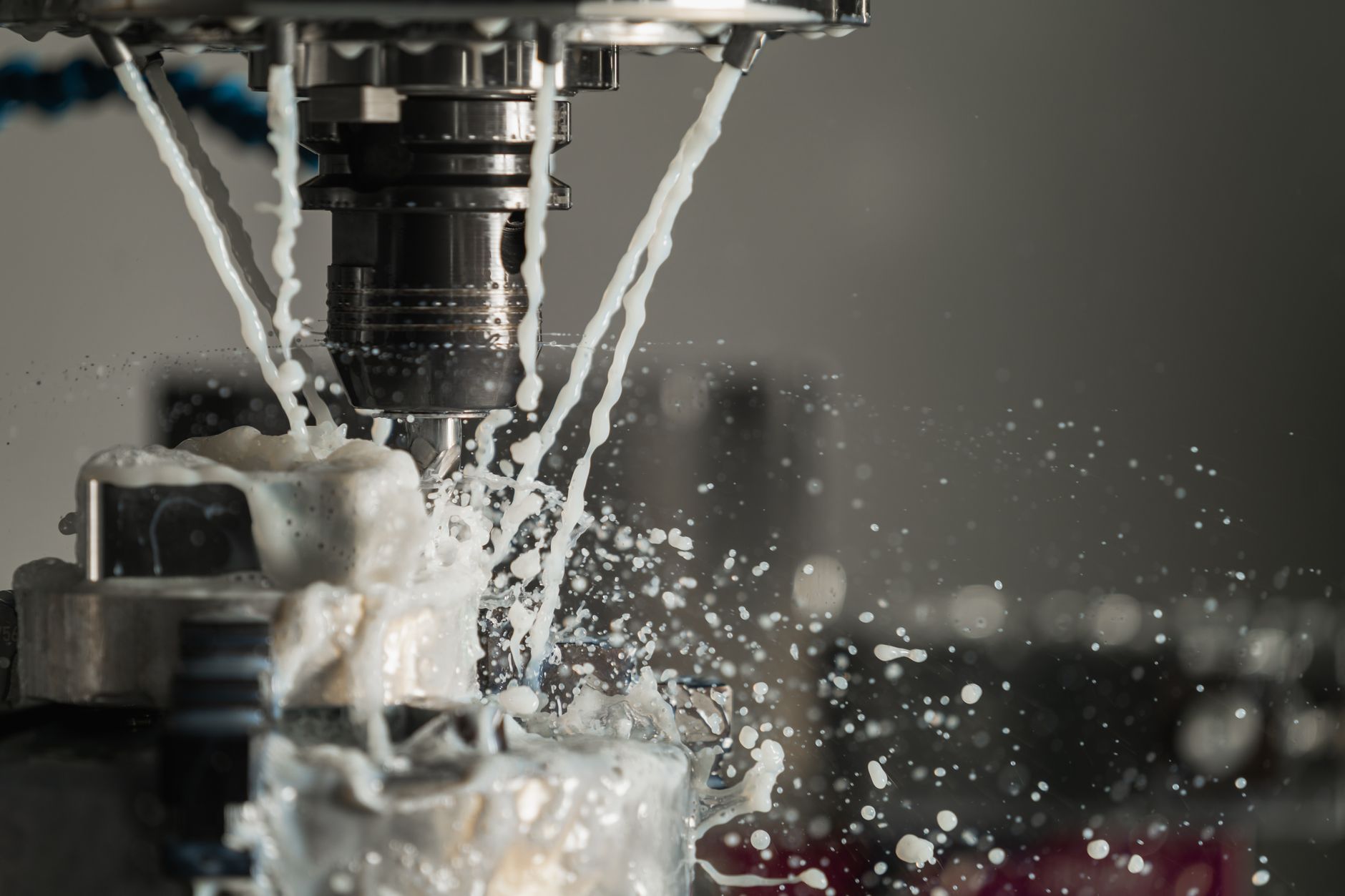
A typical shift starts with the operator setting up the cell for the next batch: raw stock staged, fixtures checked and the program confirmed. Once the cycle starts, the robot loads each blank, the spindle cuts, and the robot unloads the finished part into the bin. In shops with in-machine gaging, a probe check runs inside the cycle, and a failed check stops the cell and flags the operator.
The operator's time moves from standing at the machine to planning batches, checking first articles and clearing faults. That shift matters because the setup and inspection skill a machinist brings is the part the robot does not replace. The labor the robot takes is the repetitive material moving work that the government wage data on this page covers, which is the part of the day that does not need machinist judgment.
Ending the shift is a handoff. The operator reviews the bin, logs the batch count and notes any alarms, so the next shift starts with a clear picture of what the cell did while nobody was in the room.
Does a cobot fit a small machine shop with a few machines?
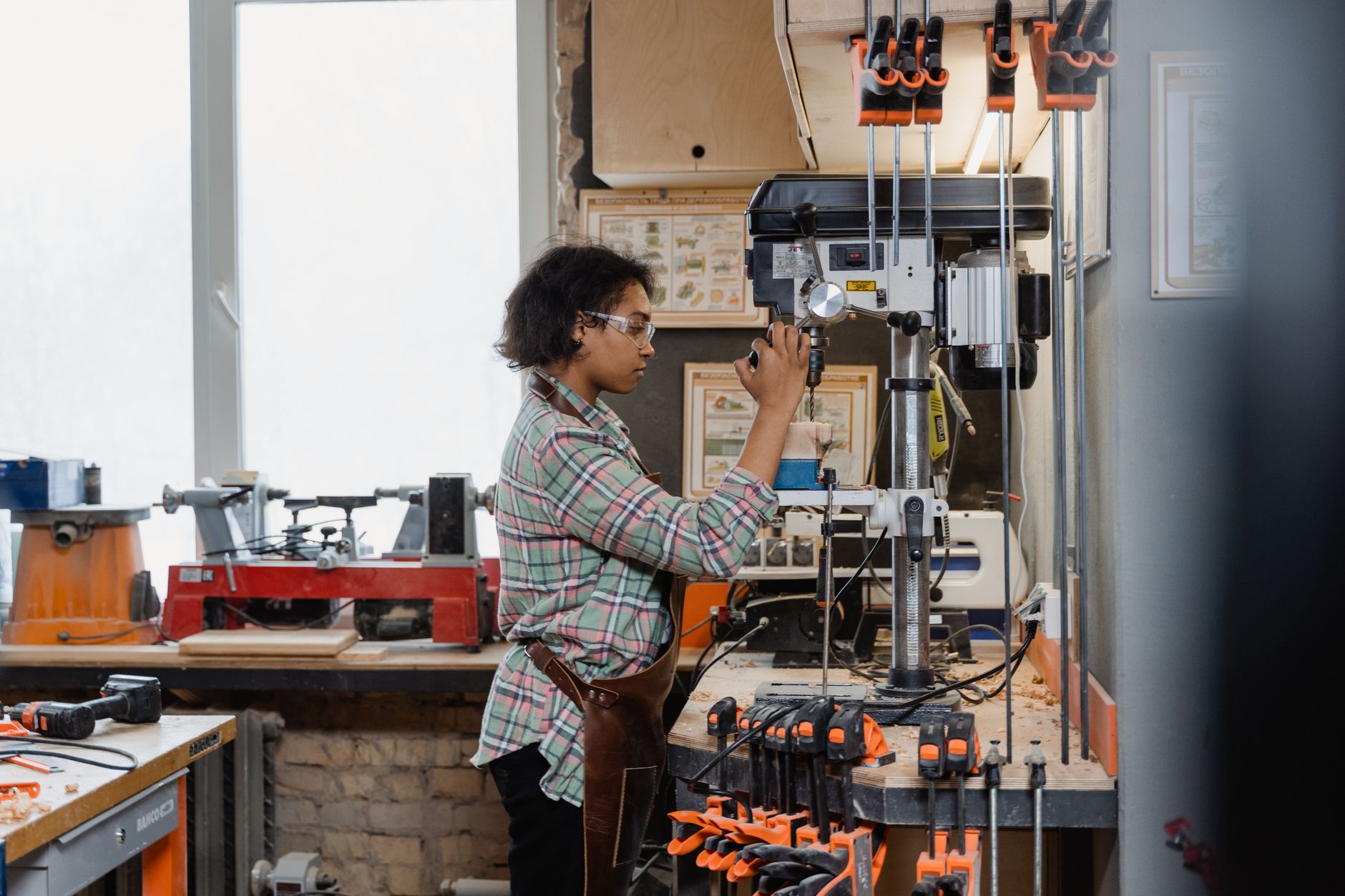
It can, but the math is tighter. A small shop with one or two machines has fewer spindle hours to recover, and often one person who also programs, quotes and inspects. The return depends on whether the shop already runs long unattended cycles or wants to start that practice. Starting with one leased unit on one well understood machine family is a common way to test the case before adding more.
Count the machine hours and machinist hours in your own week rather than relying on national figures. The Bureau of Labor Statistics data here describe the occupation nationally and do not show how many machinists a shop of your size employs, and we did not find a verified per-shop count for this job. Shop counts are uneven too: one NAICS 332710 industry data summary reports 17,205 US shops, while the 1997 Economic Census counted 23,619 establishments under the same code. That spread is why this page builds the range from one shop's data.
Smaller shops also depend more on reliability than speed. A cell that runs a few unattended hours each week and keeps running is worth more than a faster cell that needs someone standing beside it, so judge the setup on uptime and clear fault handling.
How do I get an exact cobot ROI figure for my shop?
A free site assessment gives you the exact figure for your shop. We measure cycle times, spindle use, part families, staging space, fixture needs and the shift pattern your team can actually staff. We then pick the right robot for the site, quote a fixed robot lease payment through financing, and show a savings range built from your numbers. Run the calculator on this page with those inputs to test how sensitive the result is.
Bring a few things to the assessment: a recent week of machine logs or a rough count of unattended hours, the loading time per part, the number of changeovers per week, and the wage the shop pays for loading work. Those inputs let the range be checked against your own labor and spindle data. We service the cell nationwide, so faults in the first months are answered by a team that knows the setup.
Ask for the assumptions behind any range in writing. A figure you cannot trace back to your own machine logs and staffing is not yet one you can sign off on.
Frequently asked questions
Want a cobot at your machine shop?
Tell us about your site. We will recommend the robot, quote the lease, and keep it serviced.
Sources
- US Bureau of Labor Statistics, Occupational Employment and Wage Statistics (OEWS May 2024)
- U.S. Bureau of Labor Statistics, Occupational Outlook Handbook, machinists and tool and die makers
- Trade press report of a 2024 manufacturing workforce study
- Third-party summary of BLS Survey of Occupational Injuries and Illnesses data
- 2020 trade magazine feature on cobot machine tending
- Trade press report of International Federation of Robotics data
- Manufacturing robotics statistics summary
- NAICS 332710 Machine Shops industry data summary
- U.S. Census Bureau 1997 Economic Census, NAICS 332710 (archived)