
The short answer
Cleaning robot ROI for ski resort lodges comes from the routine hours spent on large hard floors in lobbies and dining halls, valued at the local wage for janitors and building cleaners from the government wage data on this page. The net return is the labor hours a robot realistically takes over, minus the fixed lease cost for the same period. The outcome is a savings range set by a free site assessment, not a promise.
See what a cleaning robot costsRun the numbers in the ROI calculator
Key takeaways
- Lodge lobbies and dining halls are the floors where a cleaning robot earns its place, because traffic is heavy and predictable at peak times.
- The return is the hours offset, valued at the local wage for this job, minus the lease cost, and the result is always a range.
- Visits move with the snow year, and the 2025-26 preliminary national total fell about 9.1% below the 10-year average.
- Carpets, stairs, restrooms and guest service stay with people, so the share of work a robot takes is the number to measure.
- A free site assessment turns the range into a quote for a fixed lease payment on your own floors.
Run the numbers for your site
Pick your city or state for a real regional number - we use the real BLS wage there. (On the live site this auto-detects from your location.)
What do you want to automate?
The robot runs the open floor overnight; your crew keeps detail and edges.
What is cleaning robot ROI for ski resort lodges?
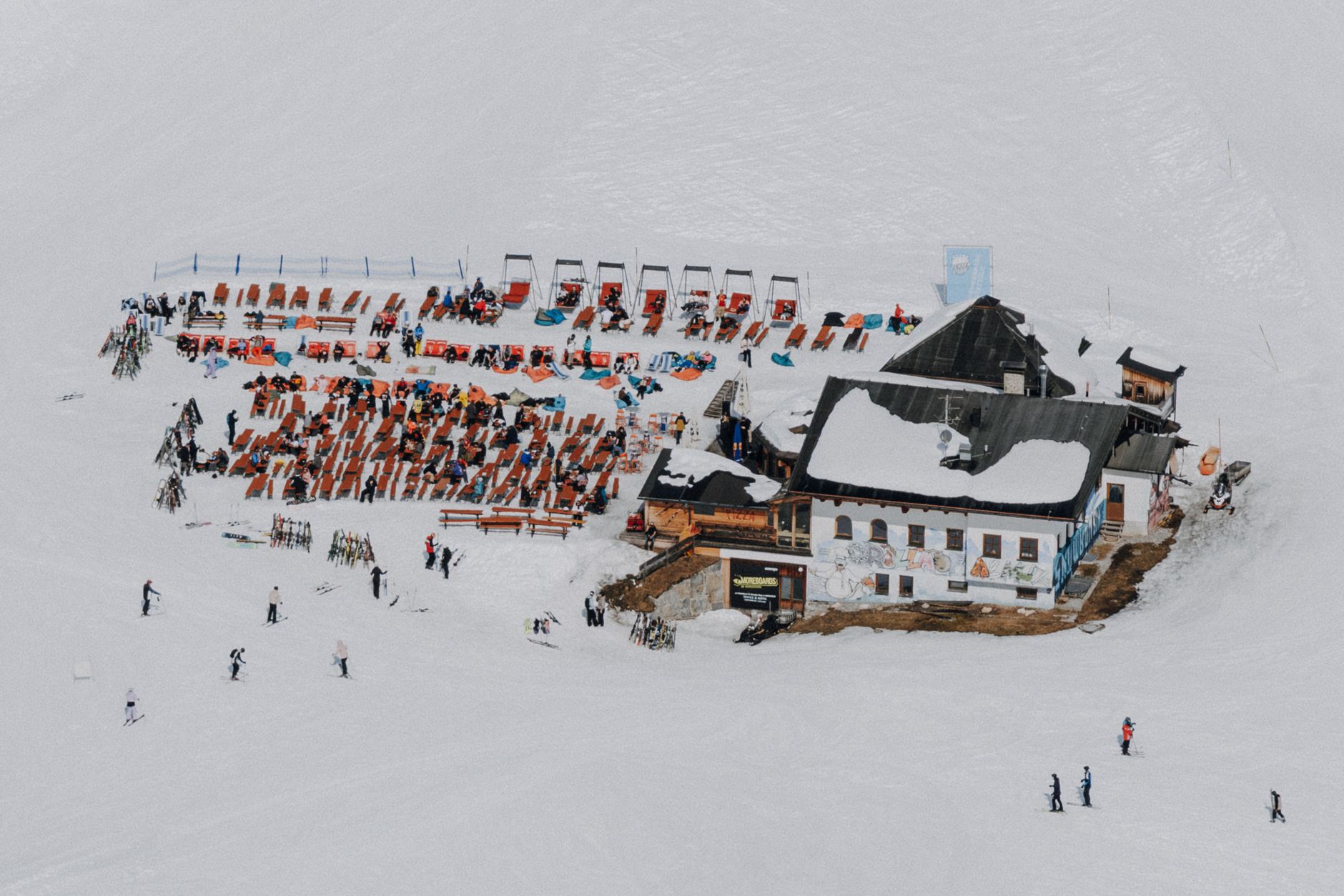
Cleaning robot ROI for ski resort lodges is the return a lodge gets when an autonomous floor cleaner takes over part of the routine work on its hard floors. In a lodge that means the main lobby, the fireplace lounge, the ski check area and the dining hall. These are large open spaces where snow, grit and meltwater come in on boots all day, and the floor needs repeat passes at peak times rather than one deep clean a week.
The return is simple to state and harder to pin down. You count the labor hours the robot offsets, value them at the local wage for janitors and building cleaners from the government wage data on this page, and subtract the lease cost for the same period. Each input changes with floor area, traffic and operating hours, so the honest answer is a range.
This page explains where that range comes from, how the math works, what moves it, the risks to the return, a realistic timeline and how to get a precise figure. It is written for the person who signs off on the decision, so it leans on hours and sources rather than promises.
How large is the ski market these lodges serve?
According to preliminary data from the National Ski Areas Association, as reported by SGB Online, U.S. ski areas recorded about 52.6 million snowsports visits in the 2025-26 season. That total was down about 9.1% from the 10-year average. The same summary splits the visits by region: Rocky Mountain 20.1 million, Northeast 12.9 million, Midwest 5.8 million, Pacific Southwest 5.7 million, Southeast 4.8 million and Pacific Northwest 3.2 million.
The number of operating areas is the other scale marker. SGB Online reported that the National Ski Areas Association counted 492 operating ski areas for the 2024-25 season. A lodge serves a share of visits that rises and falls with the snow year, so its floor traffic is not even from one season to the next. Plan the robot around the busy weeks you can expect, not the best year on record.
The research for this page did not find a verified count of the people who clean lodge floors, and it did not find a national seasonal headcount per lodge. The typical headcount in the page data is therefore a planning assumption. The site assessment replaces it with your own staffing figure.
Median hourly wage, Janitors and Building Cleaners
$4,041
Monthly cost of one full-time worker, at the median wage plus payroll costs (an estimate, not a quote).
Why do lodge lobbies and dining halls suit a floor cleaning robot?
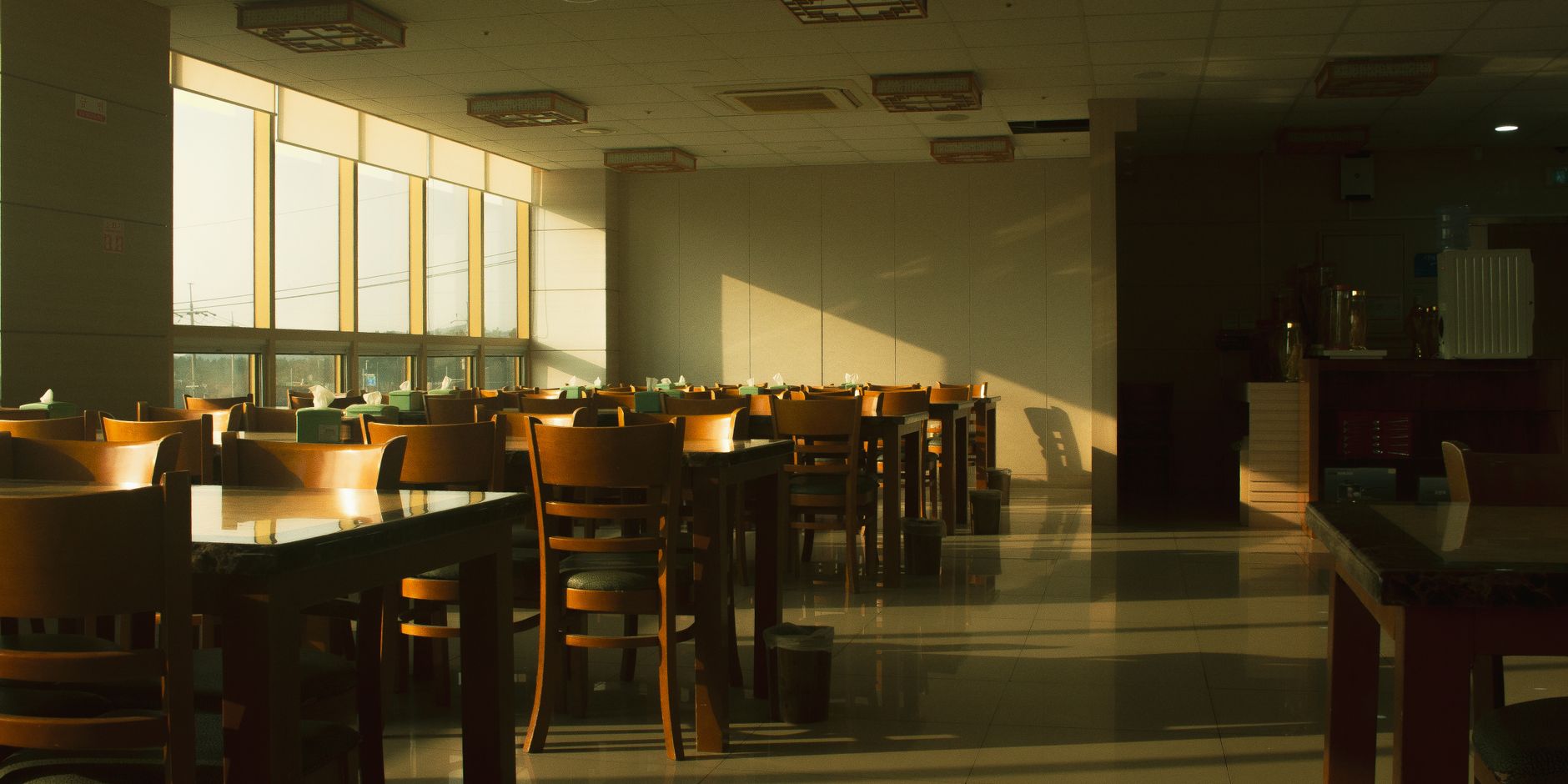
A floor cleaning robot earns its place on wide, flat, hard surfaces that get the same kind of traffic at the same times each day. Lodge lobbies and dining halls fit that pattern. Guests arrive in waves after lift openings, the same paths carry foot traffic through the morning, and the floor is busy again after lunch and at the end of the day. A robot can run a mapped route in the gaps between those waves without a person steering it.
The labor side is the work of janitors and building cleaners. The Bureau of Labor Statistics reports about 2.4 million jobs in that occupation in 2024. It projects 2% growth from 2024 to 2034, a net change of 47,800 jobs, and about 351,300 openings a year, mostly from replacing workers who leave, according to the Occupational Outlook Handbook. A job with that many openings each year is one a lodge keeps refilling, and that is the cost a robot offsets in part.
Guest service staff, such as front desk teams and servers, do hosting and food service work. The robot does not take that work. It takes the janitors and building cleaners type of work off their plate, and the calculator prices only that type of work.
How does the ROI math work for a lodge?
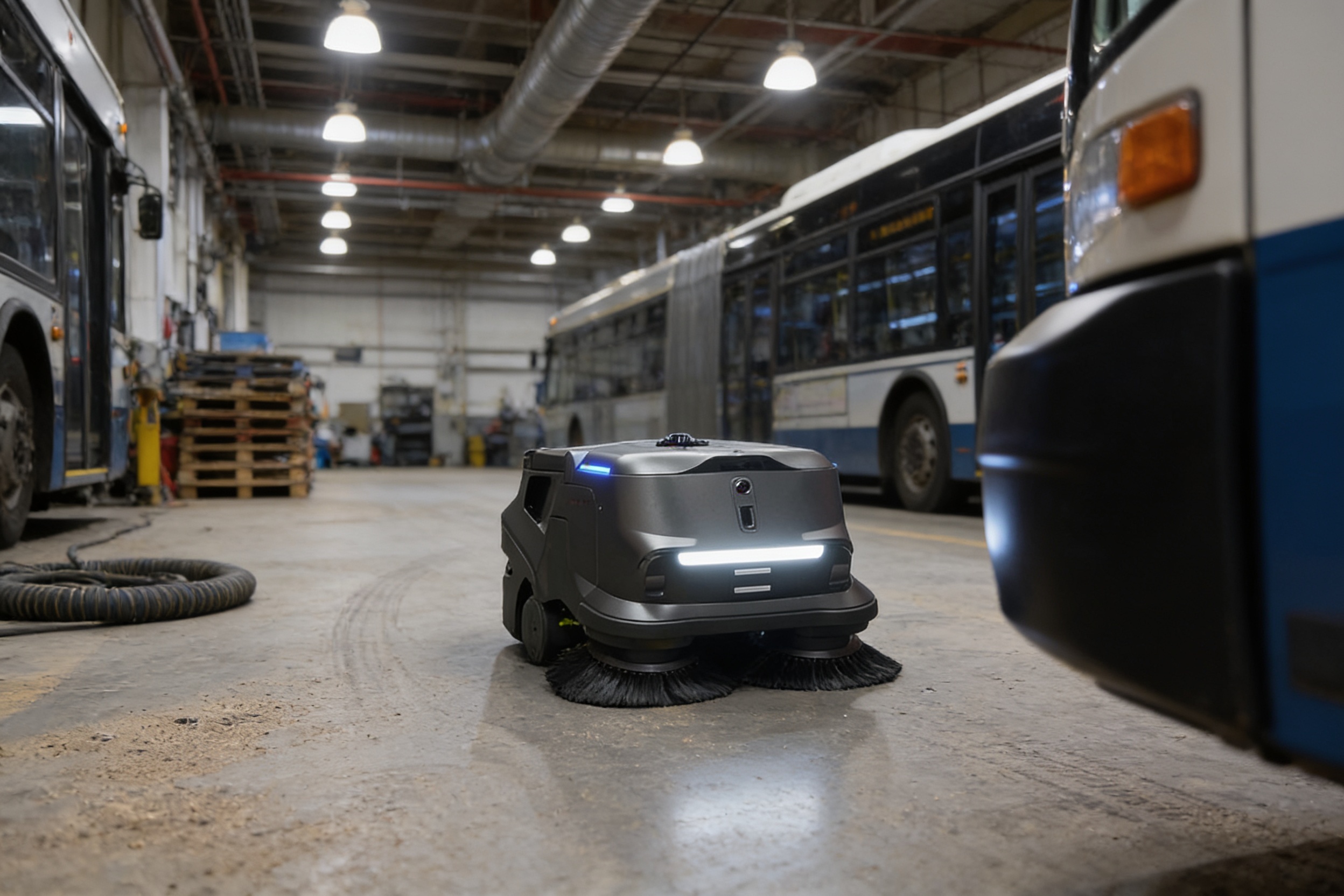
The calculator on this page starts with the hours of floor work a robot can realistically take over. It multiplies those hours by the local wage for janitors and building cleaners from the government wage data on this page. That gives the value of labor offset. It then subtracts the lease cost for the same period to show the net return. A positive net return means the robot's lease is covered by labor you would otherwise schedule.
The step that moves the answer most is the share of work a robot takes. A robot does not clean everything a lodge touches. It takes the repeat passes on hard floors while staff handle spills, guest areas, edges and carpets. The site assessment measures that share on your floors instead of assuming it. The vendor case studies in the research show large labor drops, but they are vendor-reported, cover hospitals and grocery stores, and are not a lodge benchmark, so this page does not use them.
The table below is the worksheet. Fill each row from your schedule today and from the assessment. The research did not turn up verified lodge floor hours, so the table does not carry hour figures of its own.
What changes the number up or down?
Floor area and layout move the number most. A lobby that is one open hard floor with clear paths gives a robot a long, usable route, while a lobby broken up by stone pillars, fixed furniture and rugs leaves less of the floor in scope. Traffic comes next. Heavy, predictable foot traffic at peak times means more passes are worth automating, and a light season means fewer.
Operating hours matter as much. A lodge that closes its dining room between meal periods has clean slots for robot passes, and one that runs busy until closing has fewer. Overnight runs keep the robot away from guests and free staff for service in the morning. Lease term and service level in the quote change the net figure too, so compare the same term and the same service across options.
Snow and entry conditions are the quiet driver. Wet, salty and grit-heavy entries lower the share a robot can take, because the route needs more cleaning and more human checks. The assessment tests those entries directly.
What are the risks to the return and how do you avoid them?
The first risk is overestimating the share of work the robot takes. Lodge floors carry snow, wet boots, grit and salt, and a route that works in a dry week may need changes in a wet one. Avoid this by testing the entry and mat zones during the assessment, and by treating the first season as measurement rather than proof.
The second risk is a traffic year that comes in below plan. The NSAA preliminary figures show visits fell about 9.1% below the 10-year average in 2025-26, so a plan built on a record year overstates hours. Build the case on a conservative traffic assumption and check it against the season's actual visits once the season ends.
The third risk is treating the robot as a safety measure. California's 2024 injury table, which is state data and not the national BLS table, lists an incidence rate of 5.9 for accommodation and 4.2 for amusement, gambling and recreation. Those figures show that the sectors a lodge belongs to carry recorded injuries. A robot does not replace wet floor signs, entry matting or staff walk-throughs when the floor is wet.
How long does it take to go from assessment to payback?
The timeline has phases, and the length of each depends on the site. First comes the site assessment, which maps the hard floor, measures usable route, records traffic and notes operating hours. Next is the quote, which states a fixed lease payment for a set term and service level. Integration and staff training come after that, followed by supervised runs on the mapped route before the robot works unattended.
Once the robot runs unattended, the first full season is the real test. Payback is measured on the hours the robot actually took over, not the hours in the plan. Because lodge traffic is seasonal, a payback calculation has to include both the busy weeks and the quiet ones. A plan that only counts peak weeks will show a faster payback than the season will deliver.
Ask the integrator which phases you control and which you do not. Floor mapping and staff training depend on your team's availability. Route changes after a snowfall depend on the floor. Writing those dependencies into the plan keeps the timeline honest.
How do you get an exact figure from a free site assessment?

A free site assessment is the fastest route to a precise figure. Bring your floor plans, your operating hours, the times the lobby and dining hall are busiest, and your floor schedule with the people and hours on it. We map the hard floors, measure usable route and mark the zones the robot should skip, such as stairs, rugs and restrooms.
We are an integrator, not a single machine maker. We pick the robot that fits your floor, lease it through financing, deploy and integrate it, train your staff and service it nationwide. The quote follows the assessment, and it gives the fixed lease payment along with the savings range the site data supports. That range, with its assumptions written out, is the document to take to the person who signs the decision.
What does the robot not take off the floor?
The robot covers repeat passes on hard floors in lobbies and dining halls. It does not do carpets, stairs, restrooms, kitchens, guest service, table-side spills, or the detailed corners that need hand work. Those tasks stay with staff, so the staffing plan still needs people for the work the robot cannot take.
The right question is not whether the robot replaces the crew. It is how many hours of routine floor work come off the schedule in peak weeks, and whether those freed hours go to work that needs a person. Ask for that breakdown in the quote, task by task, so the savings range rests on named tasks rather than a general claim.
Frequently asked questions
Want a cleaning robot at your ski resort lodge?
Tell us about your site. We will recommend the robot, quote the lease, and keep it serviced.
Sources
- US Bureau of Labor Statistics, Occupational Employment and Wage Statistics (OEWS May 2024)
- U.S. Bureau of Labor Statistics, Occupational Outlook Handbook: Janitors and Building Cleaners
- SGB Online, National Ski Areas Association preliminary 2025-26 season data
- SGB Online, National Ski Areas Association report on operating ski areas and visitation
- California Department of Industrial Relations, 2024 occupational injury table 4