
The short answer
Cleaning robot ROI for ferry terminals comes mostly from janitor and building cleaner hours taken off large, flat passenger floors between sailings and overnight, weighed against a fixed lease payment quoted after a site assessment. The size of the return depends on the open floor area, the length of the window when the floor is clear, and the share of the work a robot can realistically take. Savings are shown as a range, not a promise, and the firm figure comes from a free site assessment of your terminal.
See what a cleaning robot costsRun the numbers in the ROI calculator
Key takeaways
- Most of the return comes from janitor and building cleaner hours on large open passenger floors.
- Waiting rooms, boarding halls and long corridors are where a floor scrubber fits best.
- Restrooms, stairs, disinfection and spills stay with staff, and those hours must stay in the math.
- The savings figure is a range that moves with the cleaning window, the floor layout and the lease cost.
Run the numbers for your site
Pick your city or state for a real regional number - we use the real BLS wage there. (On the live site this auto-detects from your location.)
What do you want to automate?
The robot runs the open floor overnight; your crew keeps detail and edges.
What return can a ferry terminal expect from a cleaning robot?
Cleaning robot ROI for ferry terminals comes mostly from labor. A terminal has large, flat passenger floors, such as waiting rooms, ticket halls and boarding areas, that need repeat cleaning between sailings and overnight. An autonomous floor scrubber can take a share of that work on a mapped route, so the return is the janitor and building cleaner hours it covers, weighed against the cost of the lease.
Expect a range, not a single number. A 2019 survey by AACEM and ISSA found that 27 percent of respondents had active autonomous cleaning equipment, and about one-third of the rest said they were likely to adopt within a year. Two terminals of similar size can still land far apart, because one has a long overnight window and open floors while the other has a short gap between crowded sailings. This page explains how the range is built, what moves it, and how a free site assessment turns it into a quote.
How large is the floor area a ferry terminal has to clean?
According to the Bureau of Transportation Statistics, reporting ferry operators served 760 terminals on 1,106 unique route segments in 2019, across 40 states, three US territories and two Canadian provinces. The same agency reported that US ferries carried about 131.6 million passengers that year. The national count matters less than the floor area at your site, because the robot's hours come from the square footage it actually cleans.
For scale only, Minneapolis-St. Paul airport reported in 2020 that cleaning crews worked 28,000 hours each month, or 933 hours per day, to keep about 3.2 million square feet clean. An airport is not a ferry terminal, but the figure shows how quickly crew hours build up in a large passenger building. A terminal with a smaller footprint still has the same kinds of surfaces: hard floors, grit tracked in from foot traffic, and wet entries after boarding.
Median hourly wage, Janitors and Building Cleaners
$4,041
Monthly cost of one full-time worker, at the median wage plus payroll costs (an estimate, not a quote).
Where does the labor saving actually come from?
According to the Bureau of Labor Statistics Occupational Outlook Handbook, janitors and building cleaners held about 2,447,700 jobs in 2024, and the Handbook lists about 351,300 openings a year for the occupation. Those openings show how often employers have to refill this work. The Handbook projects growth of 2 percent through 2034, so the labor pool is not shrinking.
Turnover adds to the cost. CleanLink coverage of the Frontline Labor Report put annual turnover in this industry anywhere from 100 to 400 percent in reporting from before 2020, so an overnight crew is often partly new. Each vacancy leaves floor area uncleaned or pulls someone off another task. A robot covers the open floor on its schedule, whatever the roster looks like that week.
No verified count of janitors per ferry terminal was found for this page. The crew size in the calculator is a planning default, and the site assessment replaces it with the roster and hours you actually log. The value of each hour the robot takes is set by the local wage for this job, shown in the government wage data on this page.
How does the savings math work?
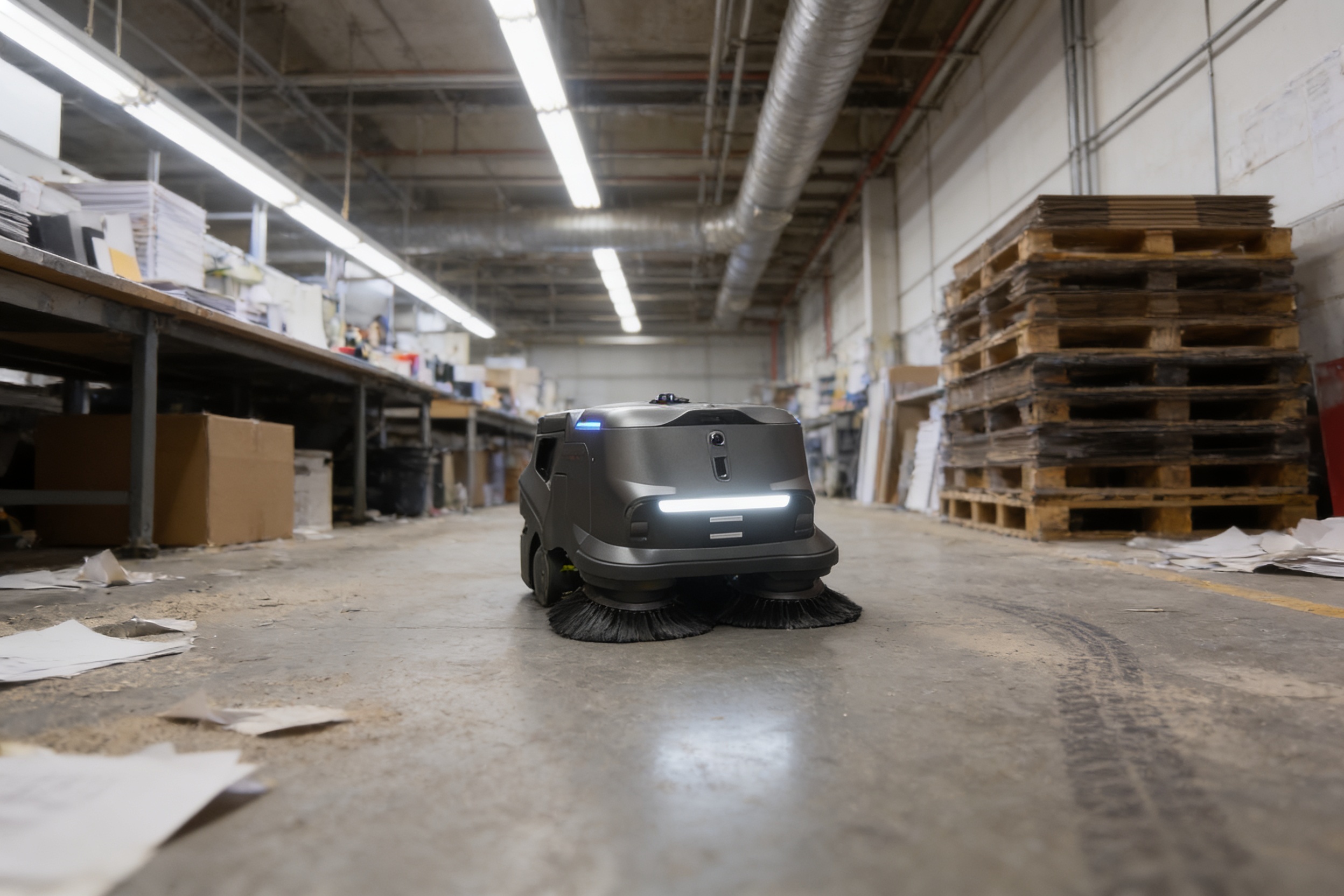
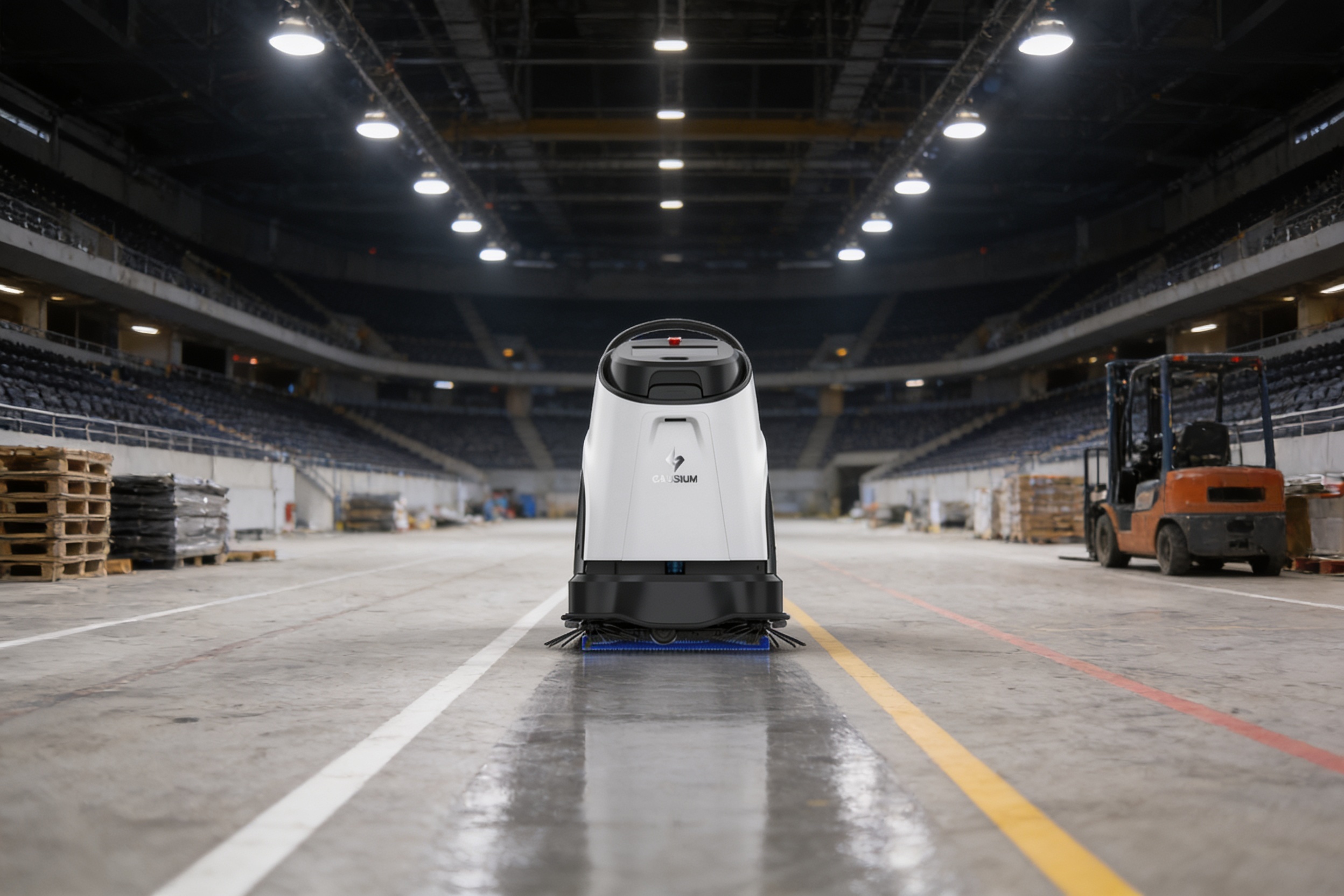
Start with the floor the robot can cover in a shift, measured in square feet. The Juneau, Alaska municipal memo gives a useful standard: a custodian on a 10-hour shift at a level 2 or 3 standard is expected to clean about 25,000 to 32,000 square feet, and general washroom cleaning is set at 120 minutes per 1,000 square feet. Those are municipal figures, not ferry standards, but they show how labor hours scale with area.
Next, decide what share of that work a robot realistically takes. Open waiting rooms and corridors are most of it. Restrooms, stairs, thresholds and disinfection tasks stay with people. Multiply the hours the robot takes by the local wage for this job, then subtract the fixed lease payment and service coverage quoted after the site assessment. The result is a savings range, and it moves whenever the hours or the share moves.
Keep the remaining staff hours in the model. A robot does not remove the need for someone to start the route, check the result and handle spills. If those hours are left out, the savings look larger than the floor will deliver.
Which parts of a ferry terminal does the robot clean?
The best fit is the largest open floor with a clear route. Waiting rooms and boarding halls usually have that shape. Long passenger corridors can work too when the route is clear of carts and stanchions. Map those areas first in the site assessment.
Other areas stay with staff. The St. Louis airport terminal cleaning schedule, in its 2026 RFP addendum, sets railings and seating to be disinfected twice per shift and some tasks once per shift, on 8-hour shifts. Restroom blocks, stairs, ramps at the gangway and wet entries need hands and judgment. The robot takes the open-floor passes so the crew can give those areas full attention.
What changes the number up or down?
The biggest lever is the window. A robot can only run when the floor is clear, so a long overnight gap between the last and first sailing allows more hours taken than a short gap between crowded sailings. Floor layout is the second lever. Fixed seating rows and carts shorten the usable route and push more work back to staff.
The hours logged today matter as much as the layout. If janitorial hours are estimated rather than logged, the savings range is only as good as the guess. Turnover and unfilled shifts raise the value of each covered hour. Lease term and service coverage set how often the robot is actually running. The checklist below covers the points to confirm.
What risks could weaken the return, and how do you avoid them?
Injury exposure is a real cost in this work. The Bureau of Labor Statistics reported 21,100 nonfatal injury and illness cases with days away from work for janitors and cleaners in private industry in 2020, a rate of 191.6 per 10,000 full-time equivalent workers. The 2019 rate was 157.4, nearly twice the all-occupations rate of 86.9. The 2020 year is the latest national figure verified for this page. Moving open-floor passes to a robot reduces repetitive scrubbing for the crew, but the robot needs its own safe route.
Other risks are operational. A route that is not remapped after a layout change leaves floor uncleaned. Carts or a late boarding crowd can stop a run, so the return falls if nobody owns the reset at shift start. Plan for spare unit coverage and on-site dispatch in the lease terms, so one failed unit does not wipe out a night of hours. Train the staff who start and check the route, not only the people who watch the machine.
How long does it take to go from assessment to payback?
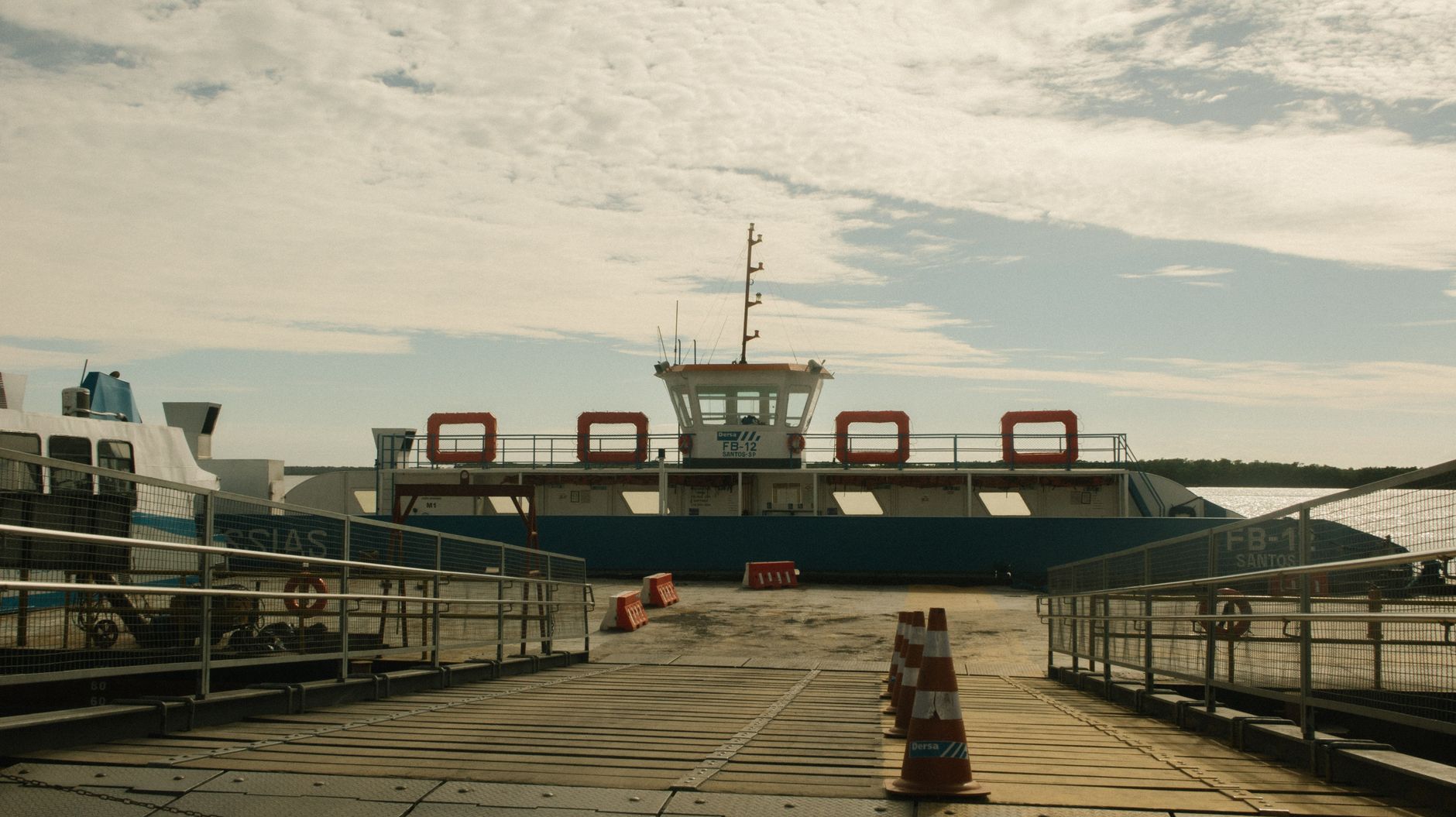
The sequence runs in order. The free site assessment maps the floor, measures open area, logs the sailing schedule and records existing janitorial hours. A lease quote follows from that assessment. Financing is then arranged, the robot is deployed and integrated, staff are trained, and go live support covers the first runs.
Payback timing depends on the terminal, so no fixed week count is promised here. A phased start with one unit on the most open floor lets you measure real hours before scaling. Review the first full month of logged hours against the range, then decide on additional units. Expect the early weeks to need the most attention from the staff who own the route.
How do I get a precise figure from a free site assessment?
Bring the floor plans, the sailing timetable for the overnight and between-sailing windows, and the janitorial hours logged over a normal period. Note the restrooms, stairs and other areas the crew must handle by hand. The assessment walks the floor, maps the route and sorts the area into what the robot takes and what stays with staff.
From there we produce a savings range for your terminal and a lease quote with a fixed lease payment. The range is a range, and the quote is the figure to decide on. Ask for the assessment before comparing options, because a precise number needs the floor you actually have.
Frequently asked questions
Want a cleaning robot at your ferry terminal?
Tell us about your site. We will recommend the robot, quote the lease, and keep it serviced.
Sources
- US Bureau of Labor Statistics, Occupational Employment and Wage Statistics (OEWS May 2024)
- Bureau of Labor Statistics Occupational Outlook Handbook, Janitors and Building Cleaners
- Bureau of Labor Statistics, Injuries, Illnesses and Fatalities snapshot, janitors and cleaners 2016 to 2020
- Bureau of Transportation Statistics, ferries carried 131.6 million passengers in 2019
- CleanLink, Frontline Labor Report coverage
- AACEM and ISSA Autonomous Cleaning Survey report
- Minneapolis-St. Paul airport cleaning crew hours, 2020
- Juneau, Alaska municipal custodial standards memo
- St. Louis airport terminal cleaning RFP addendum, Appendix A