
The short answer
Cleaning robot ROI for car dealerships comes from the showroom floor passes a leased autonomous scrubber can take over during open hours, measured as labor hours offset against the lease cost quoted after a free site assessment. The result is a savings range, not a promise, and it moves with how much of the floor is open and mapped, how many hours your crew spends on it now, and how consistently the robot runs. Use the calculator on this page to see the range, then confirm it with measurements from your own site.
Key takeaways
- The return comes from the floor hours the robot takes over, not from a headcount cut.
- Savings are a range that depends on the share of work the robot can take and on your measured hours.
- Staff still handle spills, detailing and edges, so plan the robot as a share of the shift.
- The labor side is valued at the local wage for this job from the government wage data on this page.
- A free site assessment turns the range into a lease quote and a payback estimate for your showroom.
Run the numbers for your site
Pick your city or state for a real regional number - we use the real BLS wage there. (On the live site this auto-detects from your location.)
What do you want to automate?
The robot runs the open floor overnight; your crew keeps detail and edges.
What is the return on a cleaning robot for a car dealership?
Cleaning robot ROI for car dealerships comes from the floor work staff already do during open hours and how much of it an autonomous scrubber can take over without pulling people off the sales floor. A showroom is a visible space with steady customer traffic, so the aim is a consistent pass through the day rather than one deep clean at close. The return is the labor hours that shift, offset against the lease cost, and it lands as a range rather than a single figure.
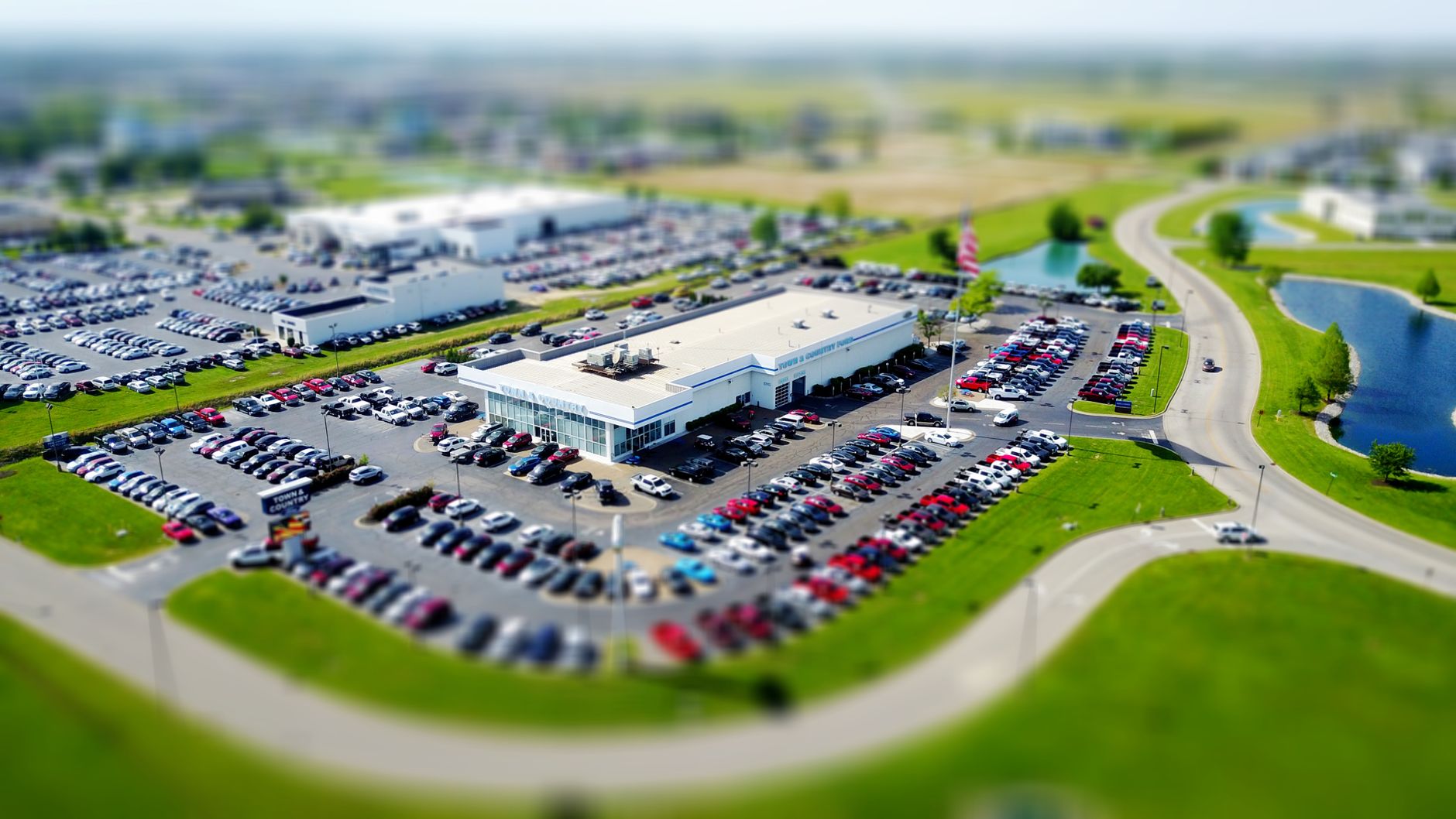
Dealerships vary a lot in layout. A planning guide from Dojo Business describes a small dealership as 20,000 to 30,000 square feet in total, with 10,000 to 15,000 square feet of vehicle display and 1,000 to 2,000 square feet of customer reception. That guide calls its own figures estimates rather than an industry standard, so treat them as orientation. What matters for the return is the open, mappable floor a robot can actually cover during open hours.
The calculator on this page is pre-filled for this setting. It does not return one answer, because the two inputs that move the number most are the hours your crew spends on the showroom today and the share of that floor the robot can run on. Both are measured at your site.
How does the savings math work for a showroom floor?
The math has three parts. First, the hours of janitors and building cleaners type of work the robot takes over. Second, the local wage for this job from the government wage data on this page, which values those hours. Third, the lease cost quoted after a site assessment, which is set against the value of the hours taken. The gap between the hours offset and the lease cost, over the lease term, is the payback view.
The share of work matters more than most owners expect. A robot takes the repeatable passes on open floor, while staff keep spills, tracked-in dirt, detailing near displays, and any area the robot cannot safely reach. If an estimate assumes the robot takes the whole shift, it overstates the offset. Ask for the hours split task by task, as in the table below, and check that each row is measured rather than assumed.
The sales team is not part of this math. The robot takes the janitors and building cleaners type of work off the floor, so the labor side is the cleaning hours alone. The time salespeople spend with customers stays out of the calculation.
Median hourly wage, Janitors and Building Cleaners
$4,041
Monthly cost of one full-time worker, at the median wage plus payroll costs (an estimate, not a quote).
Who does the cleaning now, and what does turnover look like?
The Bureau of Labor Statistics Occupational Outlook Handbook reports about 2,447,700 jobs for janitors and building cleaners in 2024, with projected growth of 2% from 2024 to 2034, which is slower than average. A workforce that is not growing quickly means staffing a cleaning shift stays a recurring task for a dealership, not a one-time hire.
Published data does not give a headcount for one dealership, so the typicalHeadcount value on this page is a planning placeholder. Replace it with the number of people your team actually schedules on the floor during the site assessment. Turnover needs the same caution. Vendor material cites very high turnover for commercial cleaning, and a trade report disputes that figure for building service contractors overall. We did not verify a turnover rate for dealership cleaning crews, so use your own records.
The people who mainly work a showroom are sales and service staff. The robot's role is to take the cleaning passes off their day, not to change their jobs. Any turnover benefit should come from your own staffing history rather than from an industry average.
Are other dealerships and cleaning operators using autonomous cleaners?
An ISSA benchmarking survey, reported in ISSA Today in September and October 2025, found that 43% of respondents plan to add autonomous cleaning equipment. That is a plan figure, not a count of facilities already running robots, and the sources reviewed for this page do not give a current share of facilities running autonomous scrubbers.
An older AACEM and ISSA survey from 2019 described adoption as being in an infant stage, with about one-third of non-adopters likely to adopt within a year. That survey is several years old and its full report is available to members only, so read it as a sign of direction rather than a current benchmark.
The practical read is that adoption is growing but not yet standard. Early pilots are easier to justify when the savings range rests on your own floor measurements rather than on how many peers have adopted the technology.
How big is a dealership floor, and how much can a robot cover?
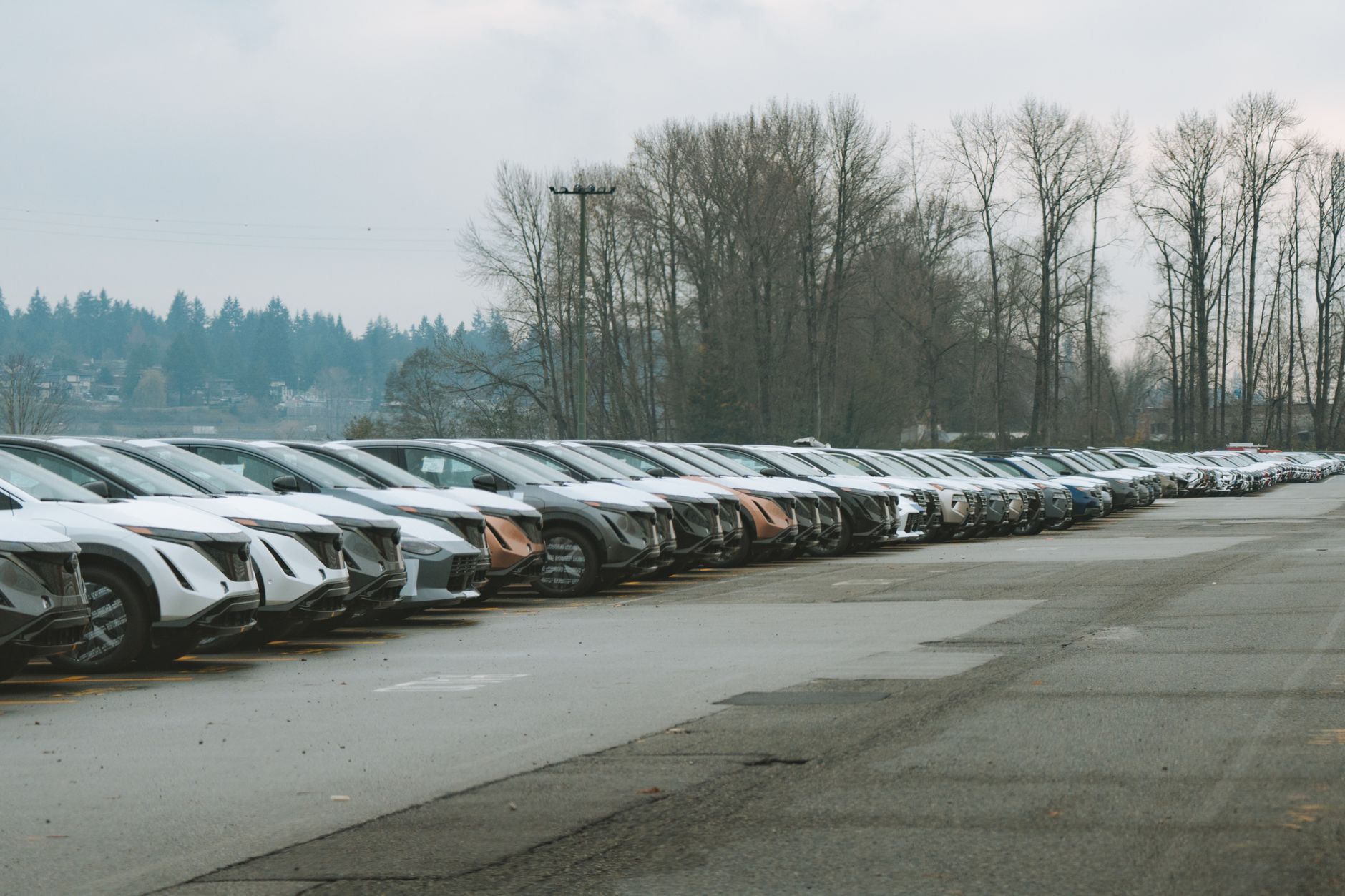
Dealership floor area is not one number. The planning guide cited above puts a small dealership at 20,000 to 30,000 square feet in total, with the vehicle display taking 10,000 to 15,000 square feet and the reception area 1,000 to 2,000 square feet. The total footprint tells you less about the return than the open path through the showroom does.
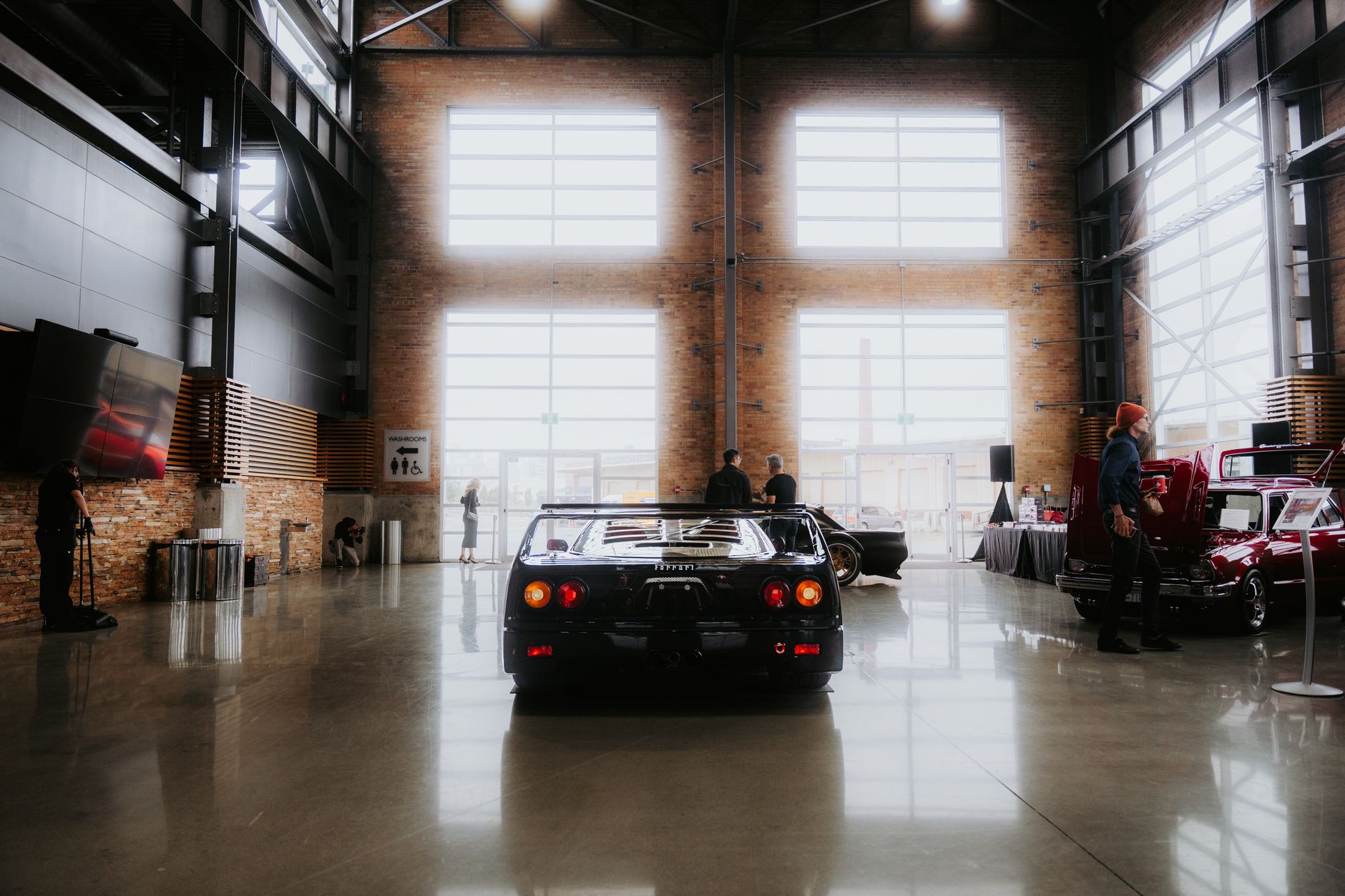
Coverage is a mapped route. The robot runs the showroom and aisles it can reach with a clear path, so the usable area is the floor that is open during open hours. Display islands, vehicle staging, and doorways blocked during deliveries all shrink the route, and each one lowers the offset.
The NADA 2025 full-year report counts 16,990 franchised new-vehicle dealerships in the US, which sold 16.2 million light-duty vehicles. That scale shows the segment is large and steady, but it does not give a per-store cleaning area, so the coverage figure should come from your floor plan.
What is the injury and safety picture for cleaning work?
According to Business Insurance, reporting Bureau of Labor Statistics data, the total recordable case rate across all private industry was 2.3 per 100 full-time equivalent workers in 2024, down from 2.4 in 2023 and the lowest recorded. We did not find a published rate for automobile dealers, so this all-industry figure is the only BLS benchmark used on this page.
Cleaning passes involve repeated pushing, bending, and wet floor work, and showroom floors add tire marks, rain tracked in from the lot, and customers walking through. A robot takes over the repeated pass, which reduces how often a person pushes a machine across the same floor. It does not remove spill response, which stays with a trained person.
Safety also depends on the robot's route. Keep a clear, marked path, set stop zones at doorways and the service drive, and confirm that staff know how to pause the unit. These steps protect customers as well as the crew.
How does a robot get set up in a working showroom?
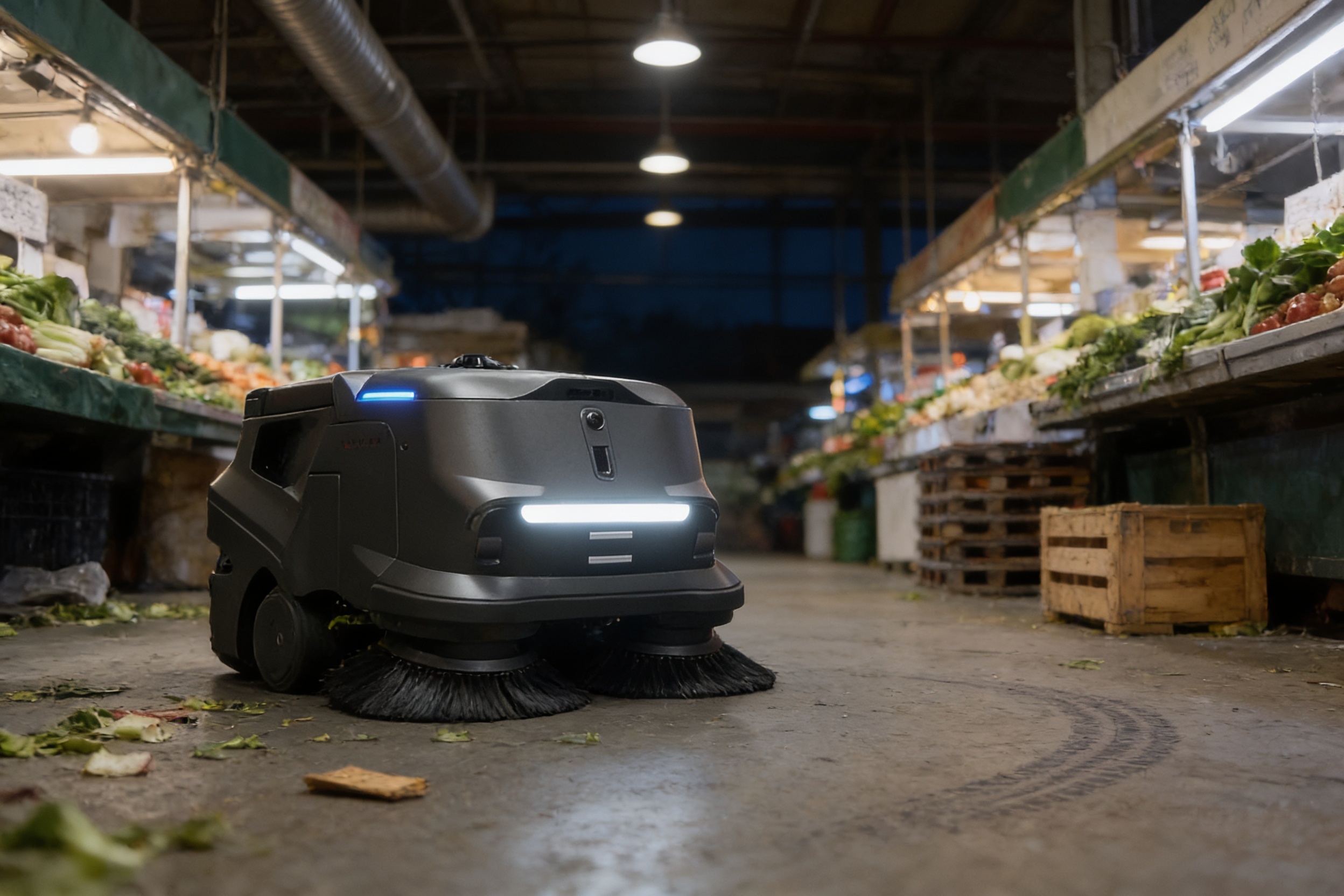
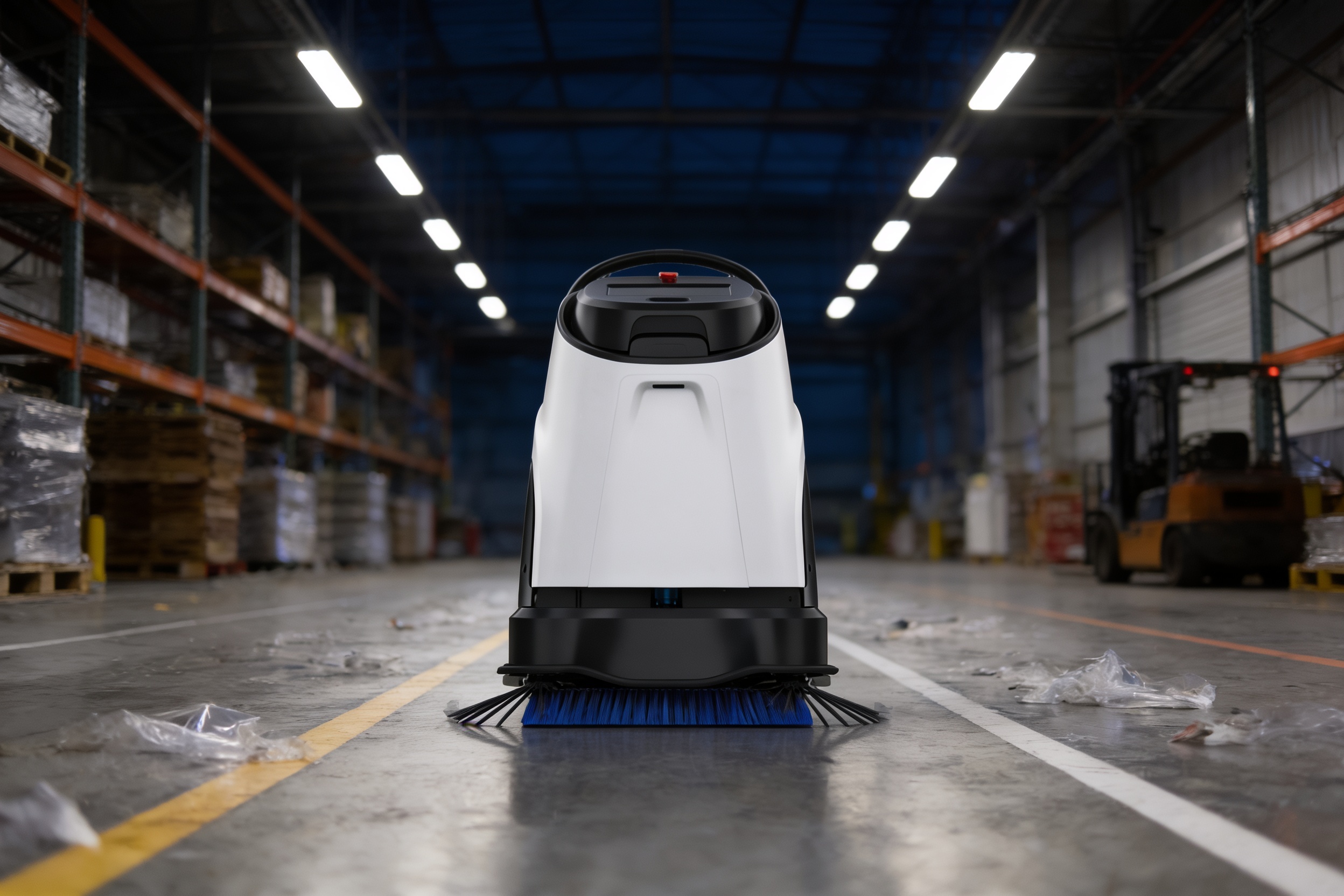
We pick the right robot for the site, lease it through financing, deploy and integrate it, train the staff and service it nationwide. Setup starts with a site assessment that maps the showroom, aisles, service drive, and entry, and records the hours the crew spends now. From that map we plan the route, the open-hours schedule, and the places where staff need to stay on the floor.
Most dealerships start with one leased unit in a phased rollout, so the team learns the route and the stop points before any added coverage. Go-live support covers the first days of running in open hours, when staff check the path, adjust around display changes, and build the habit of responding to spills. The quote comes after the assessment and sets out the lease terms, service, and go-live support.
Training is short and practical. Staff learn how to pause the unit, clear a blocked path, and report a fault, and the service team handles repairs and dispatch nationwide.
- Repeatable floor passes in open hours
Cleaning Robot
Runs the same mapped route on schedule, including during open hours
Staff
Covers the same route, but staff are often pulled to other tasks
- Consistency across the day
Cleaning Robot
Same pass each time, which suits a showroom that is always visible
Staff
Varies with workload, interruptions and energy
- Spills and tracked-in mud
Cleaning Robot
Needs a person to respond
Staff
Handles it on the spot with judgment and the right supplies
- Corners, edges and detail near displays
Cleaning Robot
Limited by the mapped route and clearance
Staff
Reaches tight areas and wipes trim, glass and fixtures
- Customer questions and interaction
Cleaning Robot
Does not answer questions and stops when people are in the way
Staff
Greets, redirects and answers questions
- Changes to the layout
Cleaning Robot
Needs remapping when displays or vehicle staging move
Staff
Adapts to a new layout the same day
What are the risks to the return, and how do you avoid them?
The main risk is overestimating the offset. If the floor is cluttered with vehicles, display islands, and delivery staging, the route shortens and the hours offset falls. Avoid this by measuring the open, mappable floor during the assessment and moving staging out of the route before go-live.
The second risk is the staffing plan. If the crew is cut before the robot has run a full cycle of open hours, spills and edges go unhandled and the showroom looks worse, which cancels the benefit. Keep the crew through the pilot, then reassign their hours to the work the robot cannot take.
The third risk is the lease term. A long term does not help if the measured offset is small. Test the offset during the pilot, then choose the term against measured hours rather than the best week.
How long does it take to reach payback, and how do you get a precise figure?
A realistic path runs from site assessment to go-live over several weeks, because mapping, route planning, and staff training come before running in open hours. The first weeks of running are for tuning the route and measuring the actual offset. Payback follows the measured offset and the lease term, so the honest timeline is the one the pilot data gives you.
To get a precise figure, book a free site assessment. We map the showroom and service areas, log the cleaning hours your crew spends now, identify the share the robot can take, and return a lease quote with a payback estimate built on those measurements. The savings range on this page is a starting point until the assessment replaces the assumptions.
Bring the floor plan, the current cleaning schedule, the open hours, and any known problem areas, such as heavy tracked-in dirt or a service drive with frequent traffic. The more of the floor the assessment sees, the tighter the range becomes.
Frequently asked questions
Want a cleaning robot at your car dealership?
Tell us about your site. We will recommend the robot, quote the lease, and keep it serviced.
Sources
- US Bureau of Labor Statistics, Occupational Employment and Wage Statistics (OEWS May 2024)
- BLS Occupational Outlook Handbook, janitors and building cleaners
- NADA 2025 full-year report
- Dojo Business car dealership space requirements guide
- Business Insurance, BLS 2024 work injury data
- ISSA Today, September and October 2025 benchmarking survey
- AACEM and ISSA autonomous cleaning survey, 2019