
The short answer
Autonomous forklift ROI for pet supply distributors comes from the hours of laborers, freight, stock, and material movers, hand work that a robot takes over on repeatable pallet runs, set against a fixed robot lease payment and the staff time that exceptions still require. Savings are a range, not a promise, and the range moves with how much of daily pallet movement follows mapped routes and how many shifts run. A free site assessment turns that range into a figure for your floor.
See what a autonomous forklift costsRun the numbers in the ROI calculator
Key takeaways
- The return comes from routine, mapped pallet runs, not from the number of forklifts in the building.
- The savings range is priced on the government wage data for laborers and freight, stock, and material movers, hand work.
- Exceptions, mixed loads and dock work stay with people, so plan staff time for them.
- Public counts of pet supply distributors are uncertain, so build the case from your own routes and shift logs.
- A one route pilot and a free site assessment give a figure you can defend in a budget review.
Run the numbers for your site
Pick your city or state for a real regional number - we use the real BLS wage there. (On the live site this auto-detects from your location.)
What do you want to automate?
The robot takes the repetitive cart and pallet moves off the heaviest motion.
Autonomous forklift ROI for pet supply distributors: where the return comes from
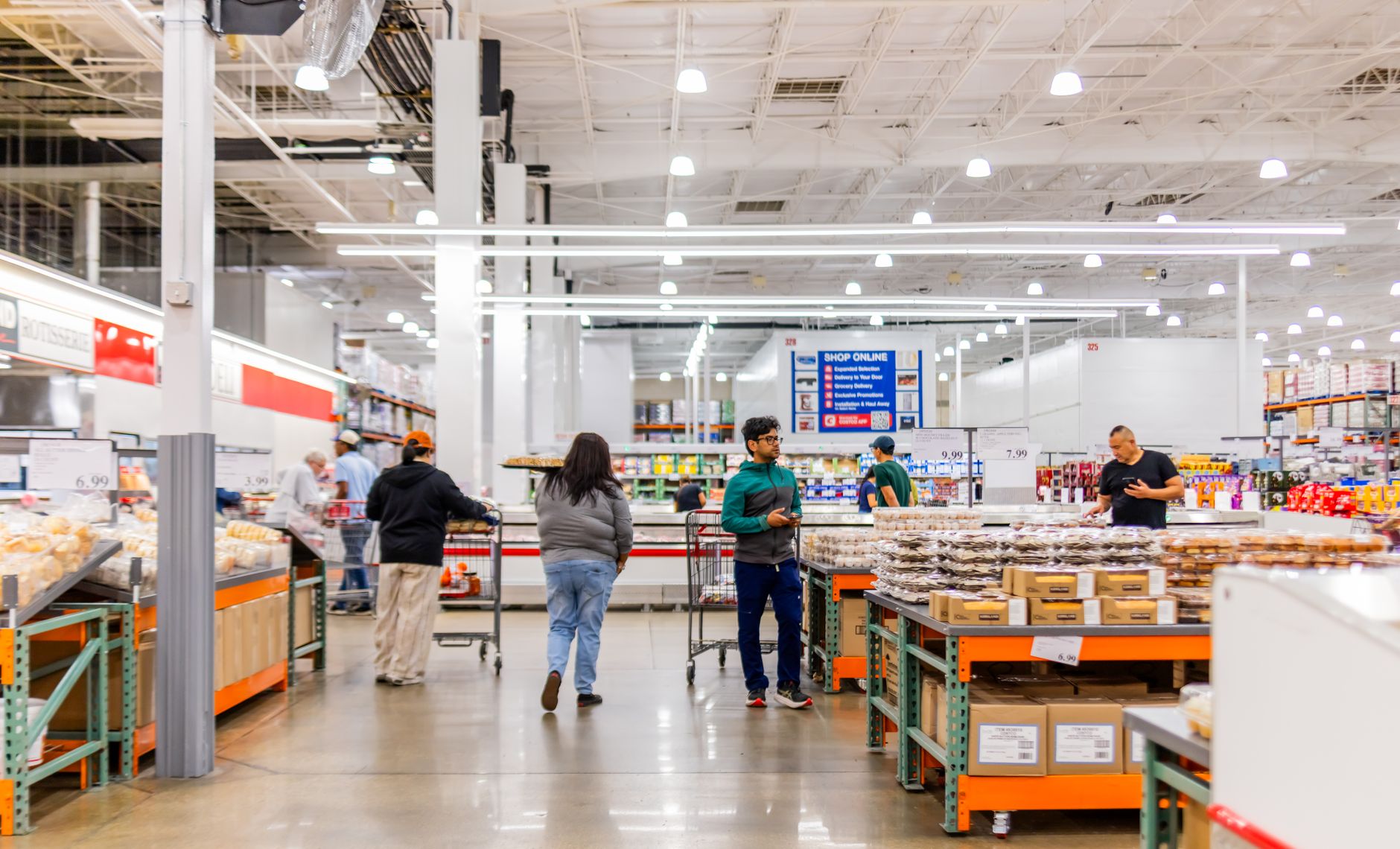
The return on an autonomous forklift in a pet supply distributor comes from one place: repeatable pallet moves that people now make by hand or on manual trucks. Bagged and case packed goods arrive palletized, and they travel the same paths every day, between receiving, reserve racking, pick faces and the outbound dock. A robot that runs a mapped path does those trips without breaks, so the savings show up most clearly on the long, predictable runs.
The return is smaller than the full labor bill, and it is not the number of machines in the building. A robot takes over a slice of the work. The people who stay still handle damaged pallets, mixed loads, short-notice moves and anything the map does not cover. The number that matters is the share of total pallet movement that is routine, mapped and steady from shift to shift.
How many pet supply distributors and warehouse workers are there?
Counting these businesses precisely is harder than it should be. According to Vantainsights, citing 2023 County Business Patterns, there were 10,571 establishments in NAICS 42499, the code for other miscellaneous nondurable goods merchant wholesalers. The Census does not publish that level separately, so this is a broad neighborhood rather than a pet supply count. According to naics.com, the narrower code NAICS 424990 covers pet and pet supplies except pet food, while pet food falls under NAICS 424490.
The people doing this work are counted in a different way. According to O*NET, the occupation Freight, Stock, and Material Movers, Hand had 2,988,900 jobs nationally in 2024. The Bureau of Labor Statistics Occupational Outlook Handbook puts hand laborers and material movers at about 7.0 million jobs in 2024, with projected growth of 4% from 2024 to 2034. These are national totals across all industries, so they show the size of the labor pool, not what one distributor employs.
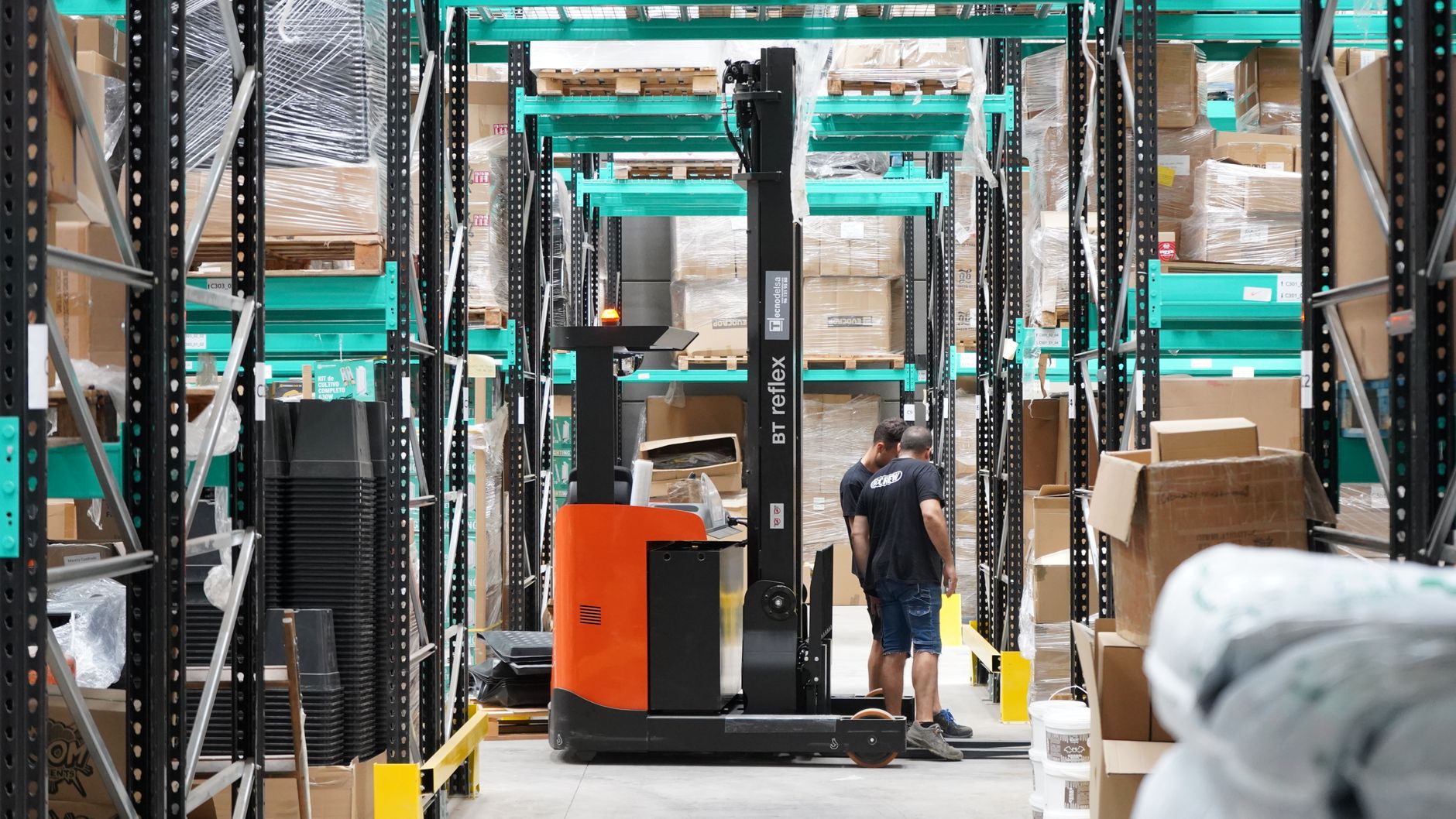
At one pet supply site, the team doing this kind of work is a small group on receiving and the dock. Our working estimate is about six people, but we have not verified that count, so use it only as a starting point for your own roster.
Median hourly wage, Laborers and Freight, Stock, and Material Movers, Hand
$4,380
Monthly cost of one full-time worker, at the median wage plus payroll costs (an estimate, not a quote).
How does the lease math work for an autonomous forklift?
The math compares two streams of money and time. On one side are the hours of laborers, freight, stock, and material movers, hand work the robot takes over, valued at the wage for that job. The government wage data panel on this page shows the local wage for that job, and the savings range is priced on it. On the other side are the fixed robot lease payment and the staff time spent on supervision, exceptions and recovery.
Written as a formula, the annual return is the hours taken over, multiplied by the wage for that work, plus any overtime or temporary coverage the robot removes, minus the lease payment and the exception time that stays with people. A lease through financing means no large upfront capital is needed, and the payment is fixed, so the budget line is predictable. Maintenance is included, which keeps repair costs out of the annual calculation. The payment itself is quoted after a free site assessment, because it depends on the robot, the floor and the service plan.
What injury and incident figures should you weigh?
Forklift safety is the first thing a sign-off reviewer asks about, and most public figures are secondary. A safety consultant summary of OSHA estimates lists about 85 forklift related deaths a year, about 34,900 serious injuries and 97,185 accidents a year. The same summary says those figures are repeated by consultants and are not confirmed on OSHA's own site. It also cites OSHA estimates that about 1.5 million workers operate about 855,900 powered industrial trucks.
The official national count is clearer. According to Safety+Health Magazine's report on the Bureau of Labor Statistics Census of Fatal Occupational Injuries, there were 5,070 fatal work injuries nationally in 2024, down 4.0% from 5,283 in 2023. The fatality rate for transportation and material moving was 12.5 per 100,000 full time equivalent workers in 2024, down from 13.6 in 2023. Other summaries of the same release report a different trend, so check the primary Bureau of Labor Statistics release before quoting a trend line.
For the return, a robot does not remove the hazard. It changes where people stand. The safety case rests on fewer people in the lanes during the long runs, and on mapped, predictable paths that a supervisor can audit.
Which hours does a robot take over in a pet supply warehouse?
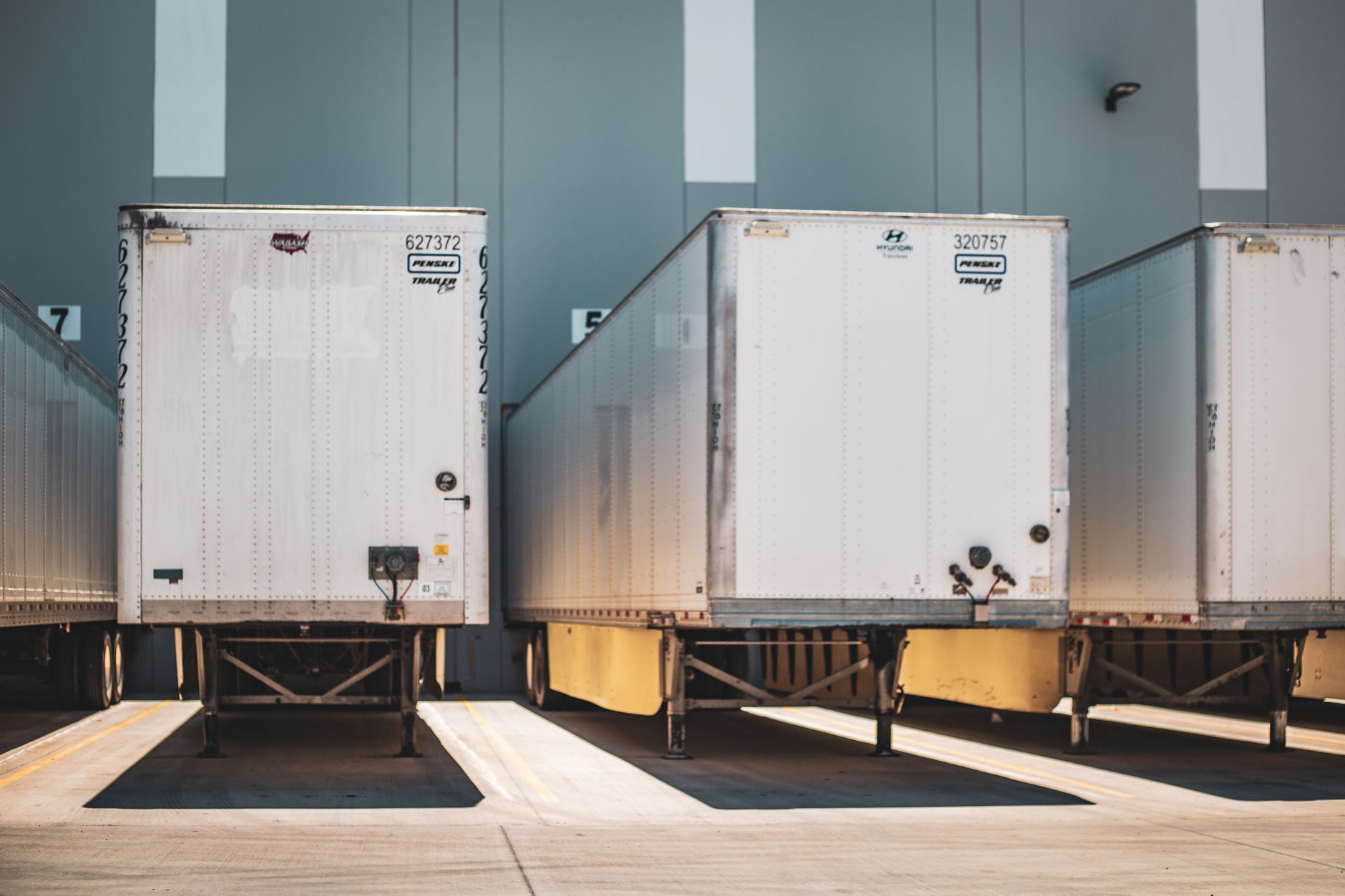
The best candidates are the moves that repeat. Receiving pallets to reserve racking, reserve racking back to pick faces, and pick staging to the outbound dock all follow fixed lanes that can be mapped. Each trip looks the same, so the robot can run it all day, and the hours it removes are the hours people spend on those same trips and the waiting between them.
The realistic share is lower than the total of all pallet movement. Staff still handle damaged pallets, mixed loads that need judgment, returns, cross dock items and moves that start in areas the map does not cover. The site assessment measures the real share by logging a sample of shifts, which is more reliable than any industry average, including the averages on this page.
| Task | Today | With a robot |
|---|---|---|
| Receiving pallets to reserve racking | Logged hours from a sample of receiving shifts | Mapped run by the robot, with staff loading and confirming |
| Reserve racking to pick faces | Logged hours from replenishment trips | Scheduled runs during quieter picking windows |
| Pick staging to outbound dock | Logged hours from outbound loading | Robot delivers, staff stage and load trailers |
| Damaged pallets and mixed loads | Logged hours from exception handling | Stays with people, the robot does not take these |
| Returns and cross dock moves | Logged hours from returns handling | Stays with people for now |
Hour figures come from each site's own shift logs, gathered during the free site assessment. No verified typical hour figure for this setting was found, so this page does not publish one.
What changes the number up or down?
Four things move the number most: how many shifts the robot runs, how long and how repeatable the routes are, how consistent the pallets are, and how often staff turnover forces retraining. A robot that runs two shifts on fixed lanes earns more of its lease than one that sits idle between bursts of inbound freight.
Turnover matters in both directions. According to DC Velocity, citing an older ARC survey, 39.2% of surveyed warehouses reached annual turnover under 10%, and the WERC benchmark for best-in-class is under 4.8% annual turnover. High churn means more training hours and more mistakes on unfamiliar routes, and a steady robot route becomes more valuable because it does not change when the team does.
Adoption is still early for this kind of equipment. According to ABI Research, autonomous forklift shipments were 12,286 in 2024 and are forecast to reach 220,605 by 2032, a 44% compound annual growth rate. That is an analyst forecast, not a share of total forklift shipments, so it shows that the supplier pool and deployments are growing, not how common these units are in your region.
What are the risks to the return, and how do you avoid them?
The most common risk is a robot that runs fewer routes than the plan assumed. This happens when the map covers less floor than expected, when staff keep moving pallets by hand out of habit, or when the first lane chosen is too short to matter. The fix is to start with one high volume route, measure it against the logged baseline, and widen the map only after the first route runs cleanly.
A second risk is the exception load. If supervisors cannot clear a stopped robot quickly, the hours saved on the route are lost at the dock. Avoid this by training the team on a short exception procedure, setting a clear escalation path, and keeping a spare unit in the plan through spare unit coverage. We pick the robot for the site, lease it through financing, deploy and integrate it, train the staff, and service it nationwide, so one partner handles the call.
Third, the safety case depends on layout. Shared lanes with pedestrian traffic need written rules, and the route plan should separate robot lanes from walking paths wherever the floor allows.
- Repeatable pallet runs on fixed lanes
Autonomous Forklift
Runs the same route at the same pace on every shift
Staff
Gets the job done, but speed and attention drift over long runs
- Off-map moves and exceptions
Autonomous Forklift
Stops and calls for help when the path is unclear
Staff
Improvises, judges damage and reroutes around problems
- Mixed loads and irregular pallets
Autonomous Forklift
Handles consistent, well stacked loads best
Staff
Wins on irregular loads and judgment calls
- Shift coverage
Autonomous Forklift
Can run a repeatable schedule without breaks
Staff
Needs scheduling, breaks and cover for absences
- Turnover and retraining
Autonomous Forklift
The route stays the same when staff change
Staff
Each new hire needs time to learn the lanes
- Carrier contact, counts and paperwork
Autonomous Forklift
Not part of this work
Staff
Handles carriers, counts, paperwork and returns
How long does it take to reach payback from assessment to go live?
The timeline runs in stages, and payback is measured after go live, not promised before it. First comes the site assessment, where the route map, the logged hours and the shift pattern are captured. Then comes a pilot on one high volume lane, which tests the map, the exception procedure and the staff routine on a small part of the floor.
After the pilot, the route list widens in phases, with go live support on each addition so the floor does not stop. Payback is measured over the first full operating period against the logged baseline, which is why the baseline matters more than any estimate. Phases are scheduled around inbound peaks, and the plan is adjusted if the first lanes do not reach the hours shown in the assessment.
How do you get a precise figure from a free site assessment?
The savings range on this page is a starting estimate built from the inputs you enter. A precise figure comes from a free site assessment, where we map the floor, log a sample of shifts, identify the routes that repeat, and test how consistent the pallets and cases are. The output is the hours the robot can realistically take over, the fixed robot lease payment quoted for that site, and the exception time that stays with your team.
Bring your recent receiving and outbound volumes, your shift schedule, a floor plan with dock doors and rack rows marked, and a list of your most frequent pallet moves. With those, the assessment can separate the moves that repeat from the ones that need a person, and the savings range becomes a number you can defend in a budget review. Request the assessment before you decide, not after.
Frequently asked questions
Want an autonomous forklift at your pet supply distributor?
Tell us about your site. We will recommend the robot, quote the lease, and keep it serviced.