
The short answer
Autonomous forklift ROI for HVAC equipment distributors comes from the repeatable pallet moves a branch makes between racks, trailers and dock doors, measured as labor hours offset against a fixed lease payment. The savings range depends on how many of those hours a robot can realistically take over, how many shifts it runs and what the lease quote includes. The range narrows only after a free site assessment measures your own floor.
See what a autonomous forklift costsRun the numbers in the ROI calculator
Key takeaways
- The return comes from repeatable pallet moves, not from the whole floor.
- Count only the share of hours the robot can realistically take over.
- The lease payment is quoted after a free site assessment and should show what service is included.
- Pilot one zone to prove the measured share before scaling to more units.
- Savings are a range that narrows only with your own floor data.
Run the numbers for your site
Pick your city or state for a real regional number - we use the real BLS wage there. (On the live site this auto-detects from your location.)
What do you want to automate?
The robot takes the repetitive cart and pallet moves off the heaviest motion.
What return can HVAC equipment distributors expect from an autonomous forklift?
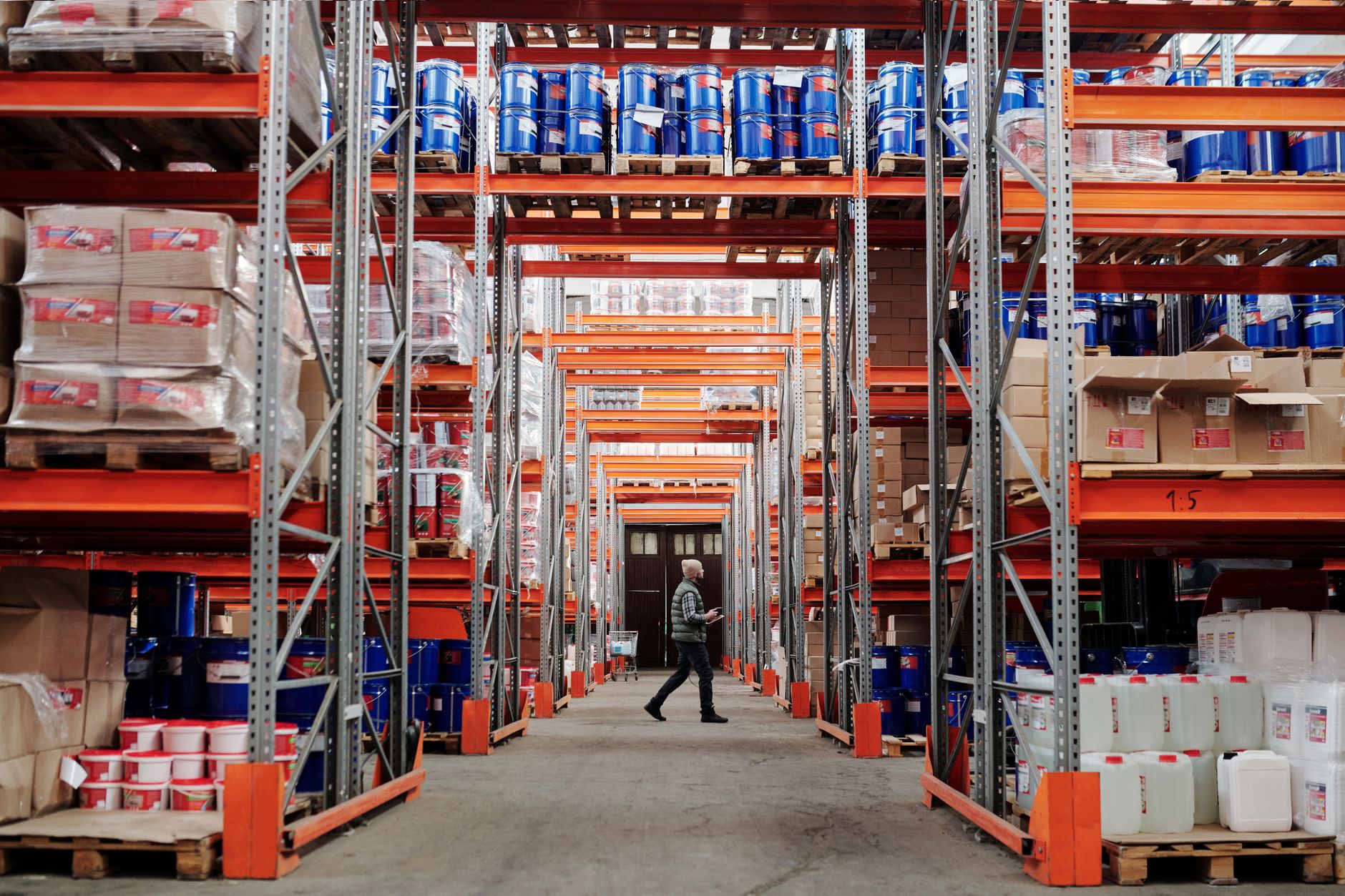
Autonomous forklift ROI for HVAC equipment distributors comes from one thing: heavy palletized moves that a person otherwise makes between racks, trailers and dock doors. A robot that repeats that route through a shift can take a real share of those hours off the floor team, and the return is the labor hours it offsets minus the fixed lease payment. The savings figure is a range, not a promise, and it moves with how much of the day is truly repeatable.
The setting explains why this fits. HVAC equipment distribution is trade wholesale, where condensers, air handlers, coils, controls and palletized ductwork move in and out of the building all day. The federal classification for warm air heating and air conditioning equipment merchant wholesalers is NAICS 423730. An industry profile for that code lists 175 employees as the small-business threshold, a figure to check against the latest SBA size table before you rely on it.
Scale also matters. According to ACHR News's 2022 ranking of the top 30 HVACR distributors, the top-ranked company reported 6,850 employees across 671 locations, the most recent ranking we could confirm for this page. Large networks run many branches, so the case should be built branch by branch, using the hours at each dock and rack line rather than a network average.
Is autonomous forklift adoption far enough along to trust the numbers?
Adoption is growing, but most published figures come from market research firms that sell their reports, so read them as direction rather than proof. According to a market research summary of the autonomous forklift market, the category is projected to grow at a 9.3% CAGR. According to a market research summary of US autonomous mobile robots, 17 thousand units were deployed in 2025, with a forecast CAGR of 20.52%.
Neither source says how many distribution branches run autonomous forklifts, and we did not find a verified share of facilities using them. Industry associations such as A3 and MHI are the places to look for that kind of benchmark. For your own decision, the useful question is not whether the category is growing but whether your aisles, load mix and shift pattern give a robot enough repeatable work to earn its lease.
Median hourly wage, Laborers and Freight, Stock, and Material Movers, Hand
$4,380
Monthly cost of one full-time worker, at the median wage plus payroll costs (an estimate, not a quote).
Where does the return come from in an HVAC distribution warehouse?
The return comes from heavy, repeatable moves: receiving pallets from inbound trucks, putting them away into racks, pulling orders to staging and loading trailers at the dock. In a branch these moves tend to follow the same routes all shift, which is the pattern an autonomous forklift handles well. Work that changes with each order, such as splitting a broken pallet or re-stacking a damaged unit, stays with trained people.
Safety is part of the picture, though it is not a savings line. According to the U.S. Bureau of Labor Statistics, the total recordable case rate for warehousing and storage (NAICS 493) was 4.8 per 100 full-time workers in 2024, with 4.1 for cases with days away, restriction or transfer and 1.5 for days-away-only cases. BLS also recorded 32 fatalities in that sector in 2024, up from 28 in 2023, and notes a series break from 2023 data because of the NAICS 2022 revision, so compare years with care.
Forklift risk reaches well beyond warehousing. A forklift incident statistics summary reported 84 forklift-related deaths in 2024 across all industries, a figure that is not specific to warehousing or distribution. Use these numbers as a baseline for reviewing incident risk, not as a measure of your branch.
How many labor hours does the robot actually take over?
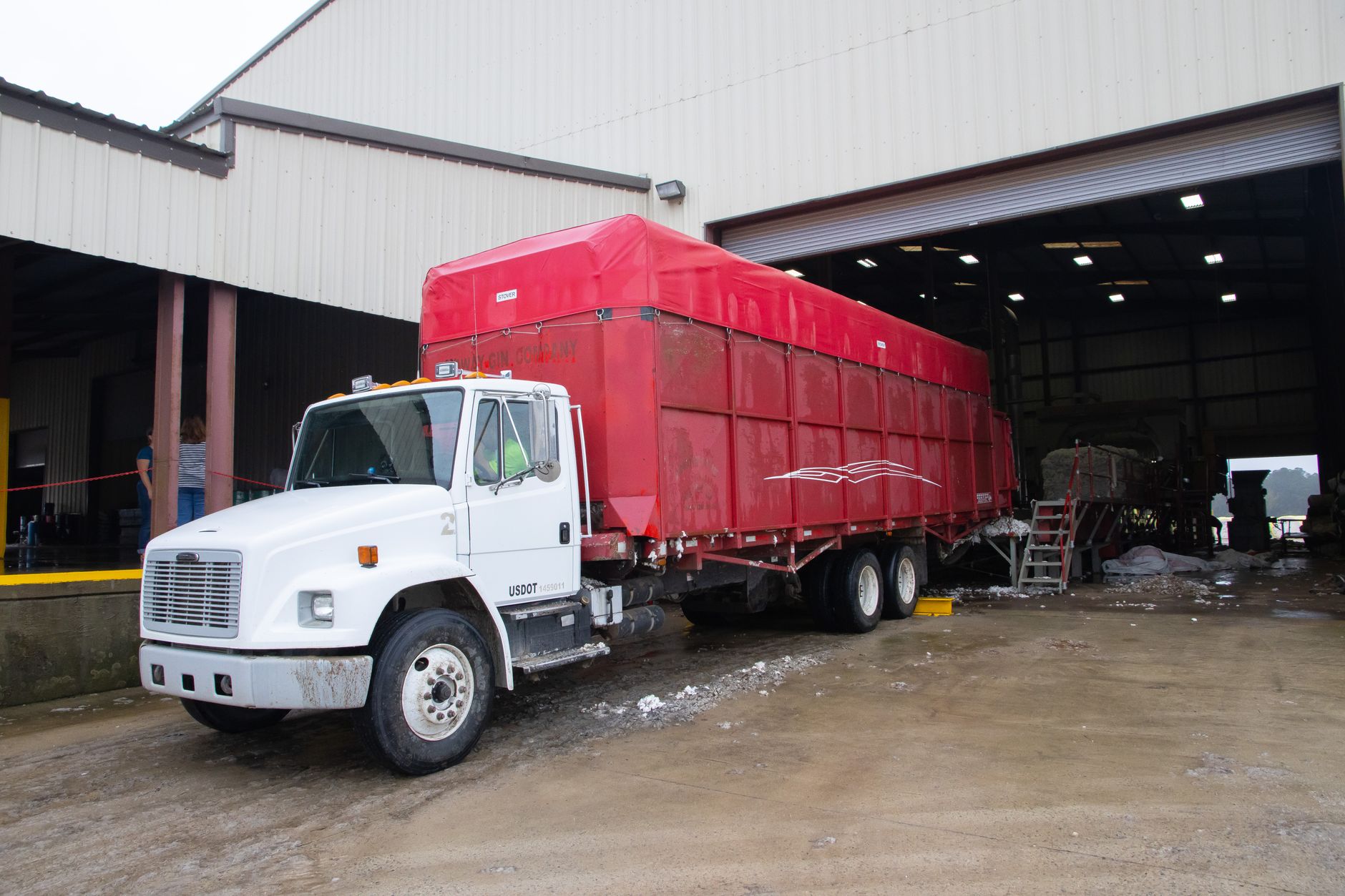
The labor side is priced in hours of work, not headcount. The work the robot takes over is the work of Laborers and Freight, Stock, and Material Movers, Hand, and the government wage data on this page gives the local wage for that job. Every hour the robot takes over is an hour the floor team does not spend on the route, so the first step is to log how long the repeatable moves take now.
For planning, this page assumes five people on the material handling floor of a typical branch. That is a working assumption, not a published count, and your own roster replaces it during the assessment. Staffing is the other side of the picture. When a floor team is hard to fill, each hour the robot covers is worth more, so measure those hours carefully before you size the fleet.
The table below shows the kind of breakdown we build during an assessment. The hour values come from a time study on your floor, not from a published figure, because we did not verify an hours-per-shift number for HVAC distribution branches. Measure across several shifts, including a peak week, since a single day can mislead you.
How does the ROI math work?
The return is simple to state and harder to measure. Start with the labor hours per week the robot can realistically take over, which is the measured repeatable time multiplied by the share of that time the robot can perform after exceptions, breaks and charging. Multiply those hours by the local wage for Laborers and Freight, Stock, and Material Movers, Hand from the government wage data on this page, then add any overtime or temporary coverage the branch uses for the same work.
Subtract the fixed lease payment for the robot and its service over the lease term. The lease is quoted after a free site assessment, once the unit is matched to your aisles, load weights and shifts. A positive result over the term is the return. The ROI calculator on this page is pre-filled for this industry and shows a savings range, and that range is the output of these inputs, so another floor produces another band.
Two details break most first estimates. The realistic share is almost always below the theoretical share, because exceptions and blocked aisles take their cut. And lease quotes only compare fairly when they show the same scope, meaning what service is included, how often the robot is serviced and who answers when it stops.
What changes the number up or down?
Some inputs move the band more than others. Shift count matters most, because a robot running two or three shifts spreads its lease across more handled pallets. Aisle width and rack height decide whether the route is practical and how fast the robot can travel. Pallet weight and mix matter too, since heavy units and irregular loads shrink the share of work that repeats cleanly.
Dock layout and the trailer schedule are the next levers. Trailers that arrive in bunches leave the robot idle for long stretches and then overloaded at the peak, while steady arrivals keep it working. Floor condition, including ramps, slope, seams and wet spots, affects speed and the number of stops. Labor availability cuts both ways: a floor team that is hard to fill raises the value of the hours, but a branch planning to cut headcount needs a staffing plan before go live.
How does a robot compare with a person on this work?
A robot is not better at every task, and the comparison is most useful when it is honest. The robot repeats the same route without fatigue and covers a shift when staffing is short. A person reads a damaged pallet, adapts when a trailer changes at the last minute and handles the exception the route did not plan for.
The strongest case for a person is judgment. The strongest case for the robot is repetition at volume. Most branches end up with a mix, and the ROI comes from moving the repeatable share to the robot while keeping judgment on the floor.
- Repeatable route all shift
Autonomous Forklift
Runs the same route on each shift without breaks
Staff
Works the route with breaks, fatigue and shift changes
- Exceptions and damaged loads
Autonomous Forklift
Stops and calls for help, does not judge the load
Staff
Judges the damage and decides what to do
- Peak days
Autonomous Forklift
Capacity is set by fleet size and the route
Staff
Can add hours, overtime or temporary help
- Coverage gaps
Autonomous Forklift
Covers the shift when staffing is short
Staff
Depends on hiring, scheduling and turnover
- Training time
Autonomous Forklift
Staff train on the fleet and the stop procedures
Staff
Training repeats as people move on and new people arrive
What are the risks to the return, and how do you avoid them?
The biggest risk is overestimating the share of work the robot can take. Pilot one zone first, measure the hours it actually takes over and expand only when those numbers hold through a peak week. A site that is poorly mapped, or whose rack layout keeps changing, will slow the robot and create manual interventions, so mapping should happen once the layout is settled rather than before a planned reset.
Downtime is the second risk. A robot that stops for a day pushes staff back onto the route, so service coverage matters as much as the lease terms. Ask who dispatches on site, how remote triage works and whether a spare unit covers repairs. The third risk is staff acceptance. A floor team that feels replaced will resist the change, so involve the people who run the route in the pilot and in writing the stop procedures.
How long does it take from assessment to payback?
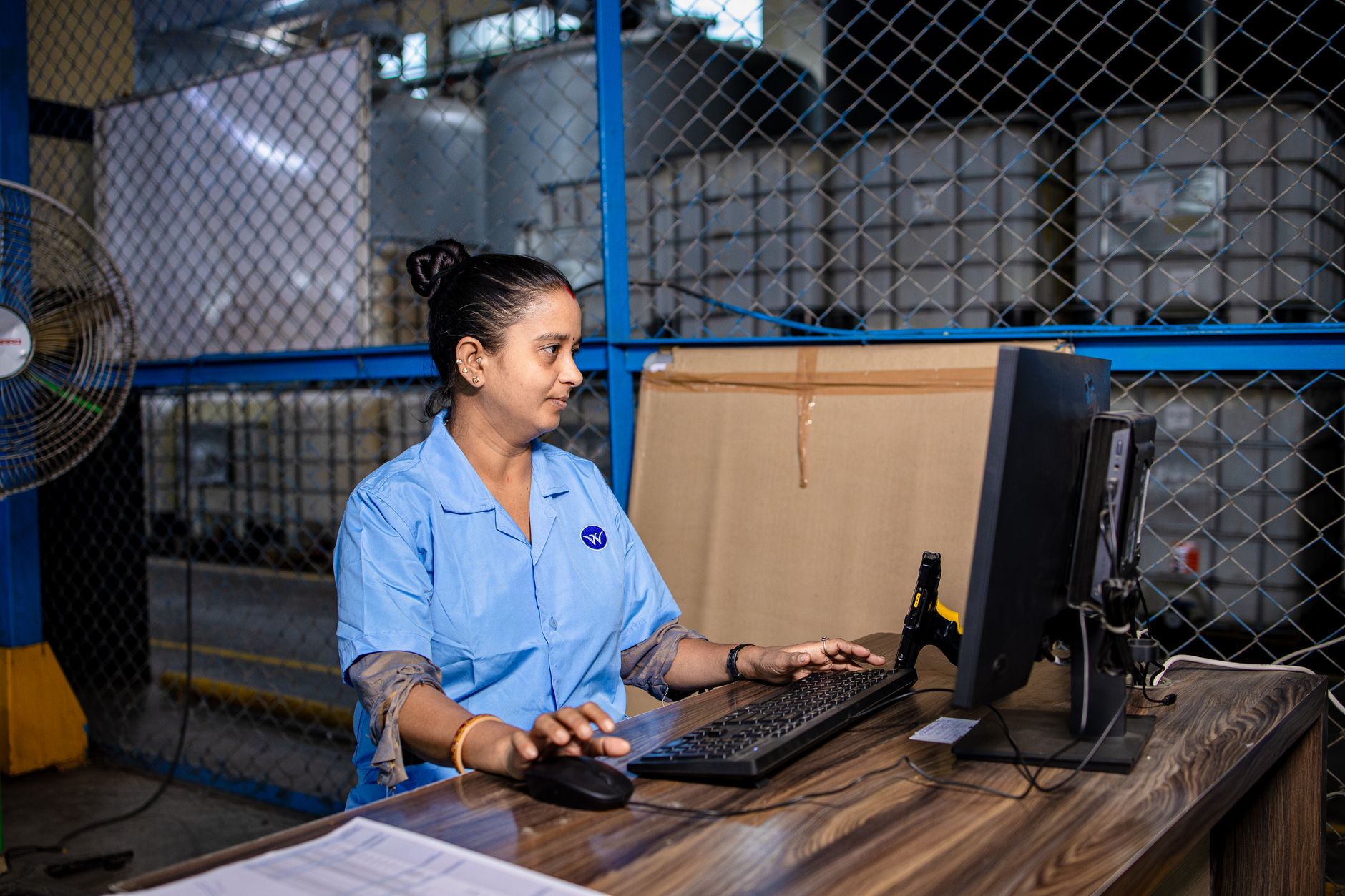
The timeline runs in phases. First is the assessment, where the floor is measured and hours are logged across several shifts. Next is the match, which covers choosing the robot for the site, sizing the fleet and agreeing lease terms. Then come mapping, deployment and integration with existing systems, followed by training for the staff who run and supervise the robot.
After go live, the pilot runs through normal and peak weeks. Payback arrives when the cumulative labor offset and avoided costs exceed the lease payments over the term. Phase lengths depend on site size, floor readiness and scheduling, so we set dates in the assessment rather than quoting a generic one. Review the numbers at fixed points during the term and adjust fleet size if the measured share runs above or below plan.
How do I get a precise figure from a free site assessment?
The free site assessment is where a band becomes a number. Bring pallets moved per shift if you track them, the shift pattern, aisle widths, rack heights, dock door count, the trailer arrival pattern and the load weight range. We measure the floor, time the route, confirm which moves are repeatable, then match a robot to the site and quote the lease.
We pick the right robot for the site, lease it through financing, deploy and integrate it, train the staff and service it nationwide. The lease payment is quoted after the assessment, with service spelled out in the quote so you can compare it with the labor offset on the same basis. That is the point where the calculator range narrows, because the inputs come from your floor rather than a sector average.
If you want to start small, ask about one leased unit in one zone. A measured share from a single zone is the fastest way to replace the band with a figure you trust.
Frequently asked questions
Upcoming warehouses & 3pl events
Want an autonomous forklift at your HVAC equipment distributor?
Tell us about your site. We will recommend the robot, quote the lease, and keep it serviced.
Sources
- US Bureau of Labor Statistics, Occupational Employment and Wage Statistics (OEWS May 2024)
- U.S. Bureau of Labor Statistics, NAICS 493 warehousing and storage
- NAICS 423730 industry profile
- ACHR News 2022 Top 30 HVACR distributors
- Forklift incident statistics summary
- Autonomous forklift market research summary
- US autonomous mobile robot market research summary