
The short answer
The return on an autonomous forklift ROI for farm supply cooperatives is a savings range, not a fixed number. It comes from labor hours taken off repetitive pallet moves on fixed aisles, mostly after dark, and from fewer open shifts when drivers are hard to staff. How large the range gets depends on how much of the site's material handling repeats and how much still needs a person.
See what a autonomous forklift costsRun the numbers in the ROI calculator
Key takeaways
- The return comes from repeating night pallet moves on fixed aisles and fewer unfilled shifts.
- Savings are a range set by the share of recurring work a robot can take, measured from your own logs.
- Sampling, grading, mixing and exception handling stay with people.
- The lease cost is quoted only after a free site assessment.
- Payback is measured against your own shift data after go-live, not assumed in advance.
Run the numbers for your site
Pick your city or state for a real regional number - we use the real BLS wage there. (On the live site this auto-detects from your location.)
What do you want to automate?
The robot takes the repetitive cart and pallet moves off the heaviest motion.
What return can farm supply cooperatives expect from autonomous forklifts?
The short answer for an autonomous forklift ROI for farm supply cooperatives is a savings range, not a fixed number. The return comes from labor hours taken off repetitive pallet moves on fixed aisles, mostly after dark, and from fewer open shifts when drivers are hard to staff. How big that range gets depends on how much of the site's material handling repeats and how much still needs a person.
This page explains where the return comes from, how the math is built, what pushes the number up or down, and how a free site assessment turns a range into a lease quote. It is written for the person who signs off on the decision, so the focus is on what to measure before anything is leased.
Why are night pallet moves hard to staff at farm supply co-ops?
Farm supply cooperatives sit inside a small and shrinking group. According to the USDA bulletin published in January 2026, 1,620 agricultural cooperatives were counted for 2024, and the count continues to decline. The USDA's 2023 statistics listed 1,647 cooperatives, but that total also covers farmer, rancher and fishery co-ops, so it is not a count of farm supply operations alone.
Staffing at a multi-service site is thin. One job listing for a single co-op location in Avon, South Dakota, describes about 15 full-time staff covering feed, fuel, custom fertilizer application and year-round grain handling. That is one listing, so read it as an example, not a national benchmark. Pallet work at a site like that is shared among people who also run the counter, the fuel and the application trucks.
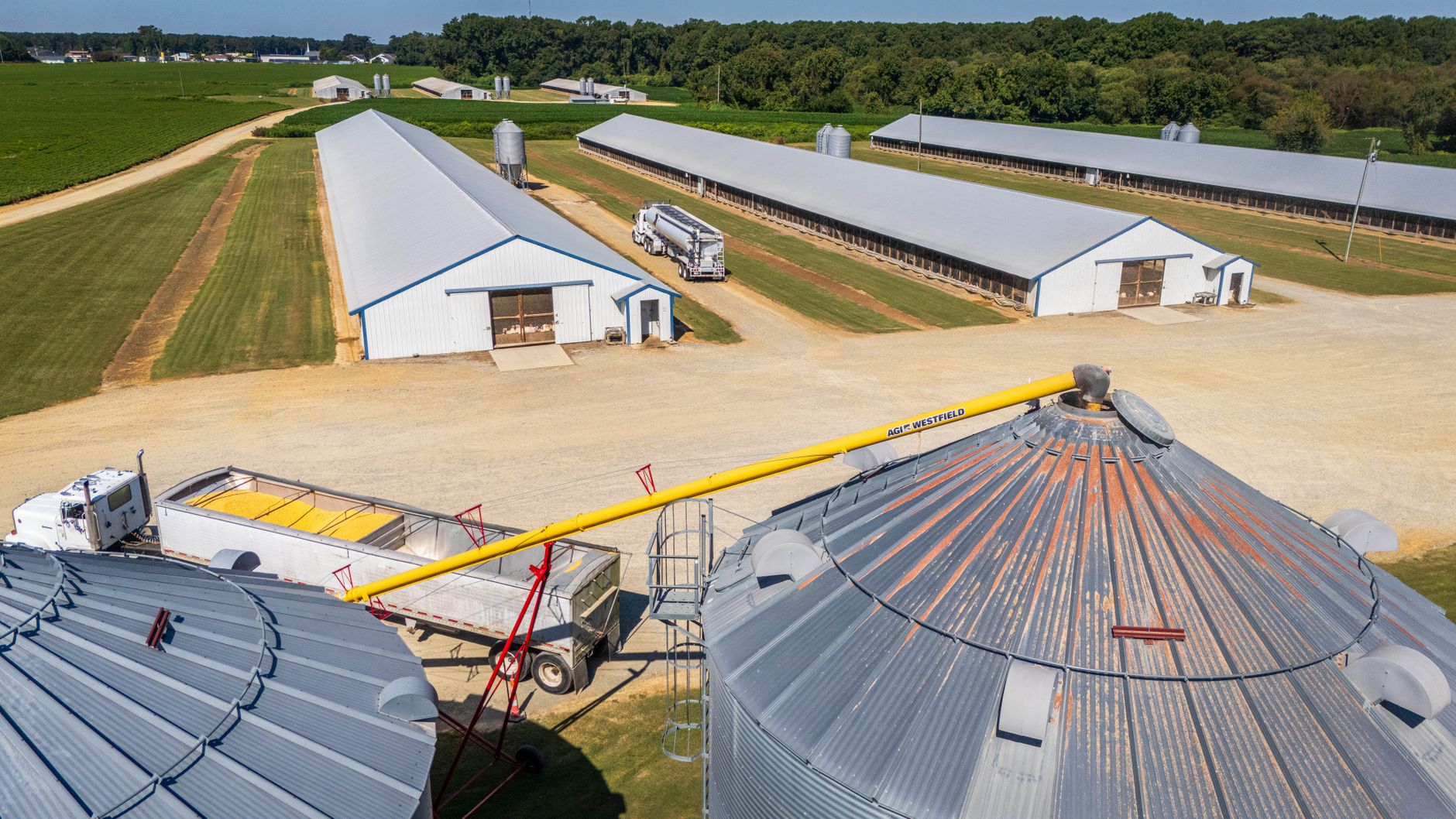
Seed, fertilizer and feed warehouses run high-volume pallet moves on fixed aisles. That repetition is the work an autonomous forklift is built for, and it is also the work that slips when a driver calls out late in the day.
Median hourly wage, Laborers and Freight, Stock, and Material Movers, Hand
$4,380
Monthly cost of one full-time worker, at the median wage plus payroll costs (an estimate, not a quote).
Where does the return come from in this setting?
The return has three sources: labor hours that a robot takes off the repetitive moves, night shifts that stop going unfilled, and less overtime or split-shift coverage to make up the gap. The core is pallet movement between receiving, storage and load-out. On a fixed aisle the route repeats, and repeating routes are where a robot performs most reliably.
The labor side is priced on the work, not on a guess about staff. The savings are the hours of laborers and freight, stock and material movers, hand type of work the robot takes over, and the government wage data on this page gives the local wage for that job. The BLS Occupational Outlook Handbook lists about 2,988,900 jobs in that occupation. Where the people who mainly run a site hold another job, such as counter or fuel staff, the robot takes the transport work off their plate, and their own time is not priced into the math.
Injury exposure is harder to price but real. The BLS fact sheet counted 614 workers who died in forklift-related incidents from 2011 to 2017, and 9,050 nonfatal injuries or illnesses with days away from work in 2017 alone. Those are national figures, not site data, but they show why fewer people on forks at night has value beyond the wage math.
How does the ROI math work for a leased autonomous forklift?
Start with the labor hours per week spent on the repetitive pallet moves you plan to automate. Measure them from shift logs and dispatch records, not from memory. Multiply by the share of those hours a robot can realistically take, which is almost never all of them. That gives the hours offset, which you then price at the wage for that job from the government data on this page.
Subtract the costs the robot adds: the lease payment, service coverage and the time staff spend on training and supervision. The lease figure is quoted after a free site assessment because it depends on the unit, the floor, the integration and the term. The savings range is the spread between a conservative and an optimistic hours share, net of those costs. A range that stays positive at the low end is a stronger case than one high number built on best-case assumptions.
| Task | Today | With a robot |
|---|---|---|
| Receiving to storage pallet moves | Logged in your shift records | Routed on fixed aisles, staff monitor the queue |
| Storage to load-out staging | Logged in your dispatch records | Runs the same fixed aisles, exceptions go to staff |
| Truck loading and unloading | Measured on site | Mostly stays with staff |
| Grading, probing and inventory measurement of grain | Measured on site | Stays with staff |
| Mixing and weighing | Measured on site | Stays with staff |
No published hour figure for this setting was verified in this research. The hours come from your own shift logs and a floor walk during the free site assessment.
How much of the work does a robot realistically take?
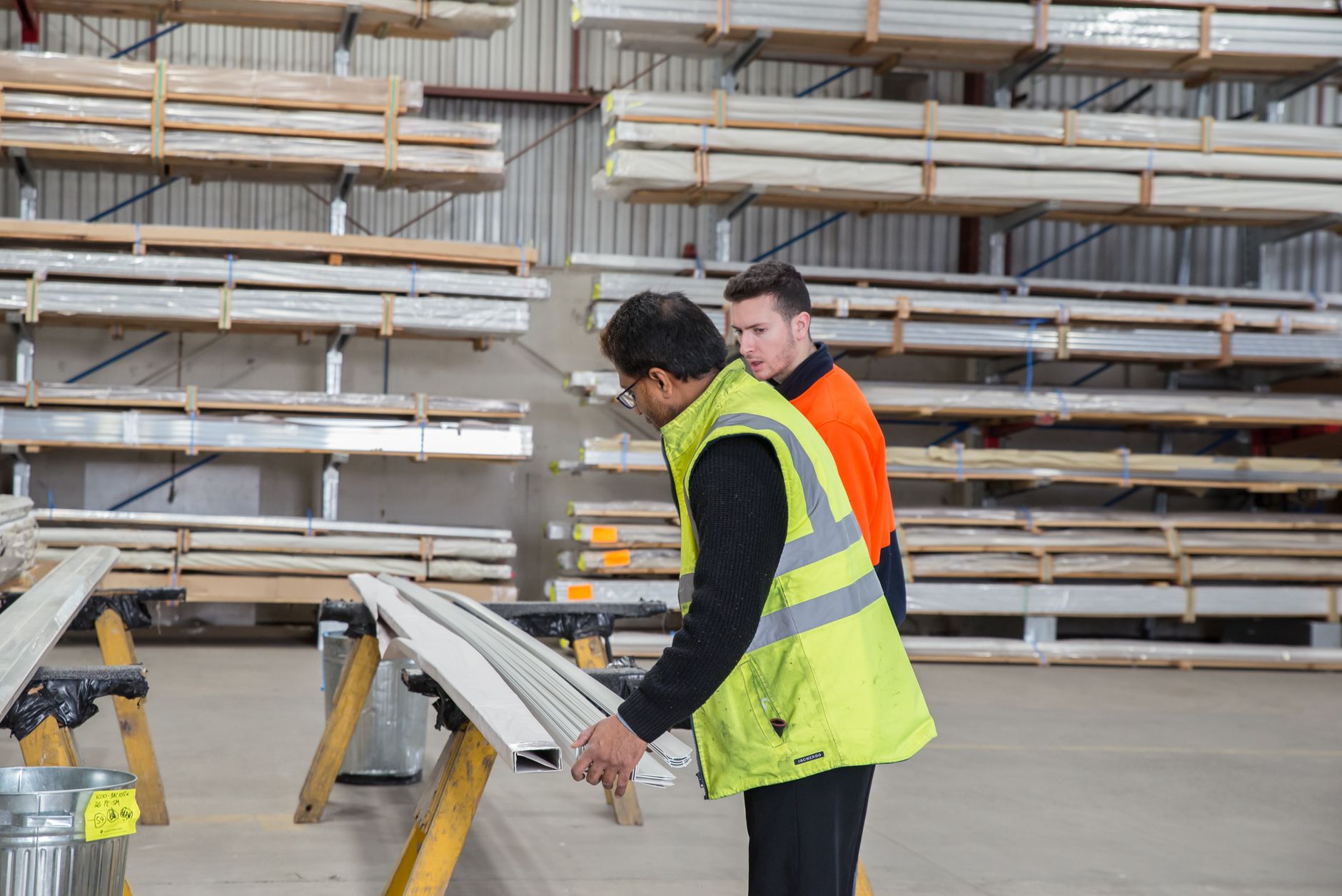
Not all of it. Job postings for co-op warehouse roles list receiving, grading, probing and inventory measurement of grain, loading and unloading, mixing fertilizer and chemicals, and weighing and grading trucks. A forklift can move the pallets in those tasks, but sampling, mixing and weighing still need people. Treat the robot as the owner of the repeating transport leg, not the whole job.
The practical test is which moves recur on fixed routes. Receiving to storage, storage to load-out and staging for trucks usually repeat enough to schedule. Damaged pallets, mixed loads and anything that needs a human eye tend to stay manual. The share a robot takes is whatever fraction of the recurring moves can be routed cleanly, and that fraction is measured on your floor.
- Night coverage
Autonomous Forklift
Runs fixed routes through the shift without a driver present
Staff
Needs a driver on shift, and a driver can call out
- Exception handling
Autonomous Forklift
Stops or asks for help when an obstacle or fault appears
Staff
Adapts on the spot, reads a damaged pallet and sorts a mixed load
- Sampling and grading
Autonomous Forklift
Does not probe, grade or sample grain
Staff
Does this work with the judgment it needs
- Consistency over a long shift
Autonomous Forklift
Repeats the same route without fatigue
Staff
Slows down or makes more small errors late in a shift
- Setup before go-live
Autonomous Forklift
Needs mapping and route setup first
Staff
Needs a briefing, but the staffing gap stays open until hired
- Main cost driver
Autonomous Forklift
Lease payment and service coverage
Staff
Wages, overtime and the cost of unfilled shifts
What changes the number up or down?
Four things move the range most: the share of moves that repeat on fixed aisles, how many night hours go unfilled, how clean the floor and markings are, and how much staff time goes to supervision. Each one can push the low end of the range up or down, so check them before anyone signs.
Adoption is widespread enough that peer sites make a reasonable reference point. MHI's 2025 Automation Survey found that nearly half of surveyed firms reported active robot deployments. A peer's result does not transfer to your aisles, though, so use it to ask better questions rather than to set your number.
What are the risks to the return and how do you avoid them?
The main risks are low utilization, a shifting product mix, a route that keeps getting blocked, and a staff that never learned to supervise the unit. Any of these can leave a leased robot idle during shifts that were meant to be covered. They are avoidable if you pilot one unit, measure utilization weekly and name a clear owner for exceptions.
Safety context matters here. The BLS 2024 national release counted 1,391 fatalities in transportation and material moving occupations, down 7.0 percent from 1,495 in 2023, with a fatality rate of 12.5 per 100,000 FTEs, down from 13.6. OSHA's 2020 regional directive, citing BLS, estimates an average of 100 workers killed and 20,000 seriously injured per year in fork truck incidents. That estimate is older and secondhand, so use it for context, not for the math.
What is a realistic timeline from assessment to payback?
The path runs in phases: site assessment and mapping, sizing and quote, a one-unit pilot on the busiest route, integration and staff training, then go-live with supervised shifts. Each phase has a clear exit test, so you know whether to widen the fleet or fix the route before spending more time on it. Payback is calculated against your own logs after go-live, not assumed in advance.
We pick the unit for the site, arrange lease financing, deploy and integrate the robot, train your staff and service it nationwide. One partner handles scheduling, backup coverage and dispatch, which matters when a night-shift fault needs a response before morning. The timing depends on the floor and the route count, so the assessment sets the schedule rather than a generic plan.
How do you get a precise figure from a free site assessment?
Bring the aisle layout, the shift schedule, the last year of unfilled or split shifts, and pallet counts by route. We measure the floor, map the routes and set the hours share on the work that repeats. The output is a savings range built from your numbers and a lease quote that reflects the actual unit and integration. The assessment is free, and the lease is quoted only after it.
When you compare integrators, ask each one the same questions: what hours share they assume, what the service plan covers, how an after-dark fault is handled and what happens to uptime during a repair. A precise figure is one you can trace back to your own logs, so ask for the calculation along with the number.
Frequently asked questions
Want an autonomous forklift at your farm supply cooperative?
Tell us about your site. We will recommend the robot, quote the lease, and keep it serviced.
Sources
- US Bureau of Labor Statistics, Occupational Employment and Wage Statistics (OEWS May 2024)
- USDA agricultural cooperative statistics summary, January 2026
- USDA 2023 agricultural cooperative statistics bulletin
- Job listing, Farmers Elevator, Avon SD
- BLS fact sheet on fatal occupational injuries involving forklifts
- BLS Census of Fatal Occupational Injuries, 2024 release
- BLS Occupational Outlook Handbook, hand laborers and material movers
- MHI 2025 Automation Survey
- OSHA CPL 21-07 regional directive on powered industrial trucks