

The short answer
Delivery robot cost in Madison, WI depends on the route the robot must run, the floors and doors it must cross, the number of units, and how many staff hours the route takes today. Madison's labor market and winter snow on exterior sidewalks shape how many hours a robot can take over and how much of the year it can run. A lease payment is quoted only after a free site assessment, because the route is what the number is built from.
See what a delivery robot costsRun the numbers in the ROI calculator
Key takeaways
- The cost depends on route length, floors, surfaces, shift hours and unit count, not on one published figure.
- Accommodation and food services had a 3.5% quits rate in August 2026, against 2.1% for private industry, according to BLS.
- Hour savings should be measured on your own route, with published studies used only as a guide.
- Winter limits exterior sidewalk routes, so plan interior runs first and treat sidewalks as a seasonal decision.
- A lease quote follows a free site assessment and lists what it covers and what it does not.
Delivery robot cost in Madison: what it depends on
A delivery robot's cost in Madison, WI is set by the route it has to run, not by a single rate for the city. A restaurant with a short kitchen to dining room loop and a hotel with a long corridor and a freight elevator need separate robots, separate maps and separate service plans. The lease payment reflects those differences, which is why we quote it only after we have seen the building.
The local labor picture adds specifics. According to the Bureau of Labor Statistics, food preparation and serving related occupations were about 8.1% of Madison metro employment in May 2025, against 8.8% nationally. The metro's mean hourly wage for all occupations also ran above the national mean in that same release, so each hour of routine staff walking carries more weight here than headcount alone shows. Winter adds a seasonal layer for any route that leaves the building.
What drives the cost of a delivery robot here?
The largest driver is the route: how long it is, how many stops it makes and how many zones it crosses. A loop between one kitchen and one dining room needs fewer mapped zones and less supervision than a circuit that serves three floors and a loading dock. Every added floor, elevator call or door the robot must open adds integration work and more places where a run can stall.
Floor surfaces come next. Smooth concrete and sealed floors suit most robots. Carpet, changes between flooring types, wet tile, and exterior sidewalks with seams or curbs each change navigation and maintenance. The site assessment records each surface along the route and notes how crowded those halls get at peak hours.
Units and shifts set the rest. One robot running two shifts carries a different load than two units with a spare covering service visits. More units raise the lease, but a backup unit keeps scheduled runs on time when one is in the shop. The factors in the diagram below carry the most weight in our quotes.
Which Madison businesses run delivery robots?
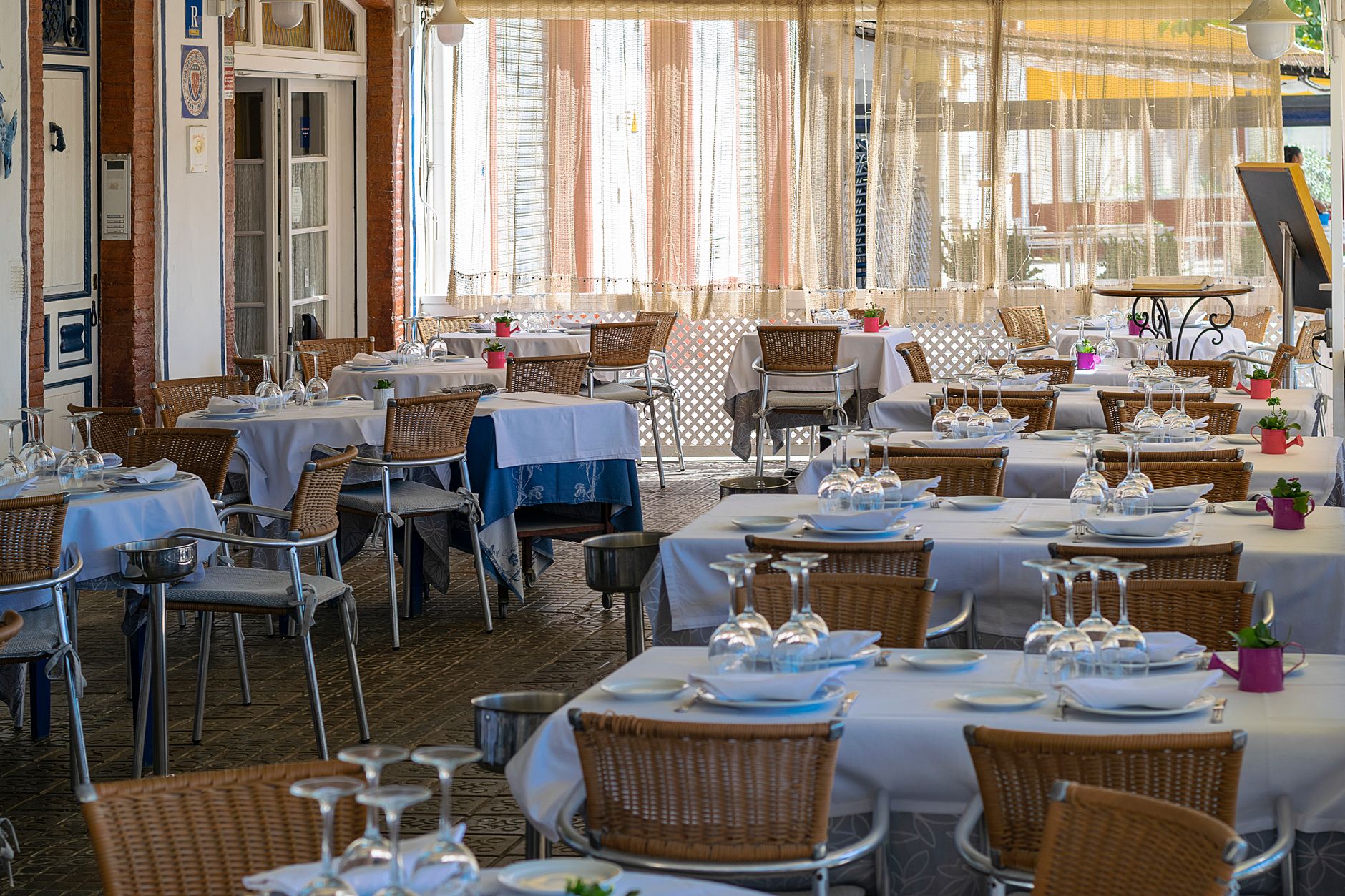
The usual users are restaurants and bars, hotels, hospitals, senior living communities, and office and campus buildings that move food, linens, medication, mail or supplies between floors and wings. Nationally, restaurant and foodservice establishments are estimated at about 720,000 to more than 1 million, depending on how the count is defined, according to a 2026 third-party estimate. The NAICS 722 category alone is put at about 720,000 to 730,000 establishments.
Madison's own mix is worth checking. Food preparation and serving was a smaller share of local employment than nationally in the BLS May 2025 release, so a restaurant here competes for staff in a broader job market. The useful question is not how many restaurants exist, but how many runs your building makes each shift and who makes them today.
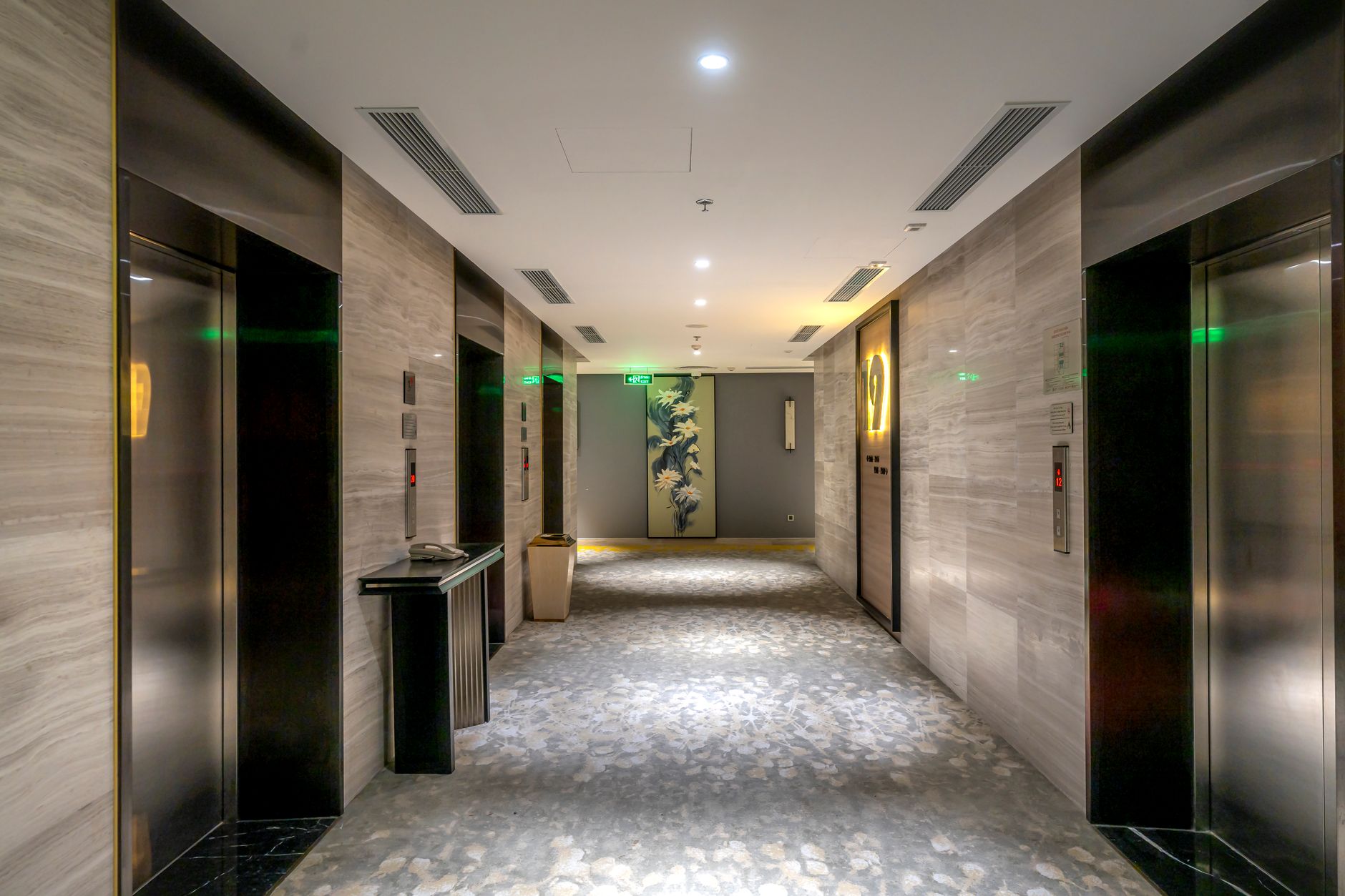
How hard is it to staff the hours a robot takes over?
Turnover is what makes labor hours hard to plan. According to the Bureau of Labor Statistics, the quits rate in accommodation and food services was 3.5% in August 2026, down from 3.9% a year earlier, against 2.1% for private industry overall. In March 2026, the job openings rate in that sector was 5.5%, according to BLS Economics Daily.
Hospitals show a similar pattern. The NSI 2026 hospital survey, covering calendar 2025 and reported by Becker's Hospital Review, put hospital employee turnover at 18.5% and staff registered nurse turnover at 17.6%. Those are the staff whose walking between wings and supply rooms a robot can take over.
A robot is not a headcount decision here. It covers scheduled runs during open shifts and frees trained staff for work that needs judgment.
What hours does a delivery robot take over?
Hour savings are the number a finance reviewer will ask for, and the best published figures come from hospitals. A 2026 ISPOR conference abstract on an intensive care unit program reported that nurses' active logistics time fell from 111.34 minutes a day to 20.43 minutes, a reduction of 81.6%, and estimated about 553 nursing hours released per year.
Read that as one study, not a universal rate. Restaurants, hotels and campuses do not publish comparable figures for Madison, and a kitchen's runner time depends on its floor plan and the distance between stations. We time those runs during the site assessment and show the hour basis in the quote.
Vendor and hospital reports exist too, including deliveries and hours saved at several hospitals. They are not audited, so use them to frame questions for your own site rather than to set a number.
How does leasing through financing work?
We lease robots through financing, so you do not carry the full equipment cost at the start. The lease spreads the cost over an agreed term, and the quote shows the fixed robot lease payment that applies. That payment is set after a free site assessment, because route length, floors, surfaces, shift hours and unit count determine the scope of work.
A lease quote should answer four questions: what the payment covers, how long the term runs, what service is included, and which hours the robot is expected to take over, with the basis for each. Ask for those answers in writing before comparing offers. A single unit on a defined route is a practical starting point, and additional units can be added once the first route runs as planned.
What can a delivery robot not do?
A delivery robot runs fixed routes on mapped floors. It does not climb stairs, carry loads outside its rating, or repair itself on site, and crowded halls at peak times slow it down. It also needs the building to cooperate, with clear doors, working elevator access where the route uses one, and staff who know how to clear a blocked path.
Winter is the Madison-specific limit. A UW-Madison campus pilot used 30 sidewalk units at the time, and a vendor representative told a local news station that the robots would not run on some winter days. A university spokesperson said the robots have low-profile traction tires for Wisconsin winter, a claim made by the university rather than independent testing.
Snow is a serious load. More than 40 inches fell in one season in Madison, and the grounds crew for the campus clears about 936 acres. Plan interior routes first and treat exterior sidewalks as a seasonal decision.
How do I get a quote after a free site assessment?
Start with the routes you want covered. List the stops, floors, doors, elevators, floor types and the hours of each shift. Mark which runs are scheduled and which are on demand, because on-demand runs need more capacity and a faster response.
We visit the site, map the route, time today's runs and confirm what the robot can and cannot cover. The written quote then comes back with the lease payment, the term, the service terms and the hours the robot is expected to take over. Each figure shows its basis, so you can check it against your own runs and against the other offers you are weighing.
Many customers begin with a single unit on one route. Once that route runs as planned, adding a unit or a backup for service coverage is a change to the quote rather than a new project.
Frequently asked questions
Upcoming events in Madison, WI
Put a robot to work in Madison.
We walk your site, learn the job, and recommend the unit that fits. Then we quote the lease, deploy it, and keep it serviced.
Sources
- BLS OEWS Madison metro release, May 2025
- BLS Economics Daily: quits rate in accommodation and food services, August 2026
- BLS Economics Daily: job openings rate, March 2026
- Becker's Hospital Review: NSI 2026 hospital workforce report
- ISPOR 2026 poster abstract on an ICU delivery robot program
- WKOW: delivery robots on the UW-Madison campus
- UW-Madison News: grounds crew and snow clearing
- Ckitchen: how many restaurants are in the U.S. in 2026