
The short answer
Cleaning robot cost in Louisville/Jefferson County depends on how much floor the robot covers, when it runs, how crowded the route is, and how much mapping, integration and service the site needs. Robots are leased through financing, so the number to compare is the fixed lease payment in a quote issued after a free site assessment, with everything it includes listed. A quote's size traces back to the floor itself and the hours it takes to clean it.
See what a cleaning robot costsRun the numbers in the ROI calculator
Key takeaways
- Floor area, shift timing and traffic set the shape of the lease quote at most Louisville sites.
- Mapping, integration, training and service are the costs people most often miss when they compare quotes.
- National figures show janitorial work is large and steady, with heavy turnover and a real injury rate.
- Compare quotes line by line, and ask in writing what is covered, including insurance.
- A free site assessment turns a generic estimate into a quote built on your floor.
Cleaning robot cost in Louisville/Jefferson County: what it depends on
The cost of a cleaning robot for a business here is set by the site before it is set by the machine. Two buildings of the same size can get varying quotes if one runs a single shift on open concrete and the other runs three shifts through tight aisles with dock traffic. Expect the lease quote to reflect floor area, surface type, hours of operation, the number of units the route needs, and how much setup the site requires.
We do not publish one number for Louisville/Jefferson County because the lease depends on those inputs. This page explains which inputs move the number, what each one changes in the work, and what to ask for before you sign. The sections follow the order most owners and operations managers ask about these costs.
What drives the price to lease a cleaning robot here?
Floor area is the first input. A robot covers ground at a set pace, so a larger footprint means more route time each night and often more than one unit. Surface matters as well. Sealed concrete and polished floors are the simplest case, while worn tile, grout lines, thresholds and carpet change the setup and how often the unit needs attention.
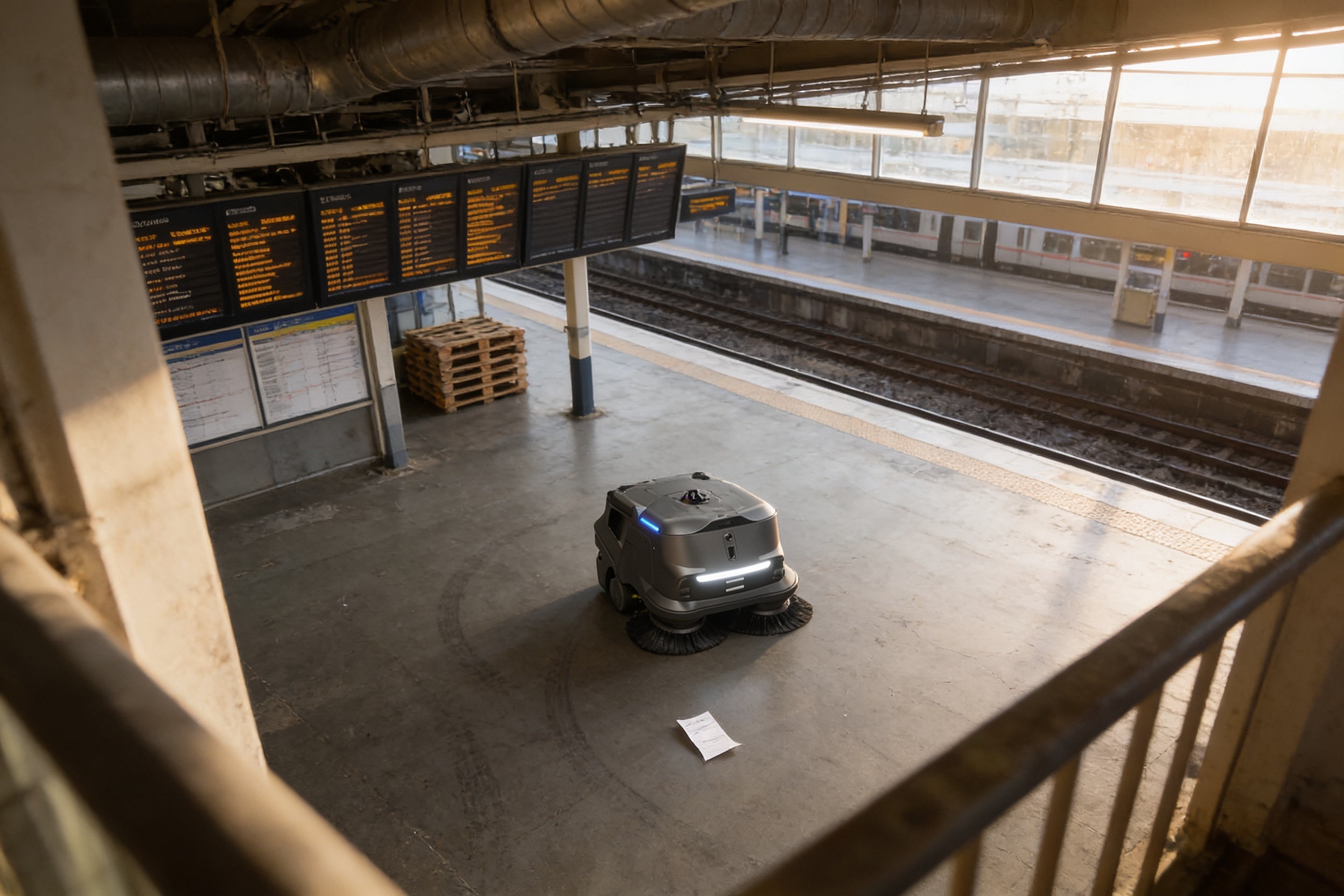
Shift pattern and traffic come next. A robot that runs after close has no staff or customers in the path, which is why overnight floor care is the most common use. A robot that must run while forklifts, pedestrians or shoppers are on the floor needs a tighter route, more safety setup, and sometimes a second unit to cover the same window.
Mapping, integration and unit count complete the list. Mapping takes survey time before go-live. Integration connects the robot to the schedules or work order system your staff already uses. More units add charging, spare coverage and service visits. Each one appears in the quote, so compare the lines rather than the lease payment alone.
Service terms set how fast a down unit returns. Slow response means crew members cover the floor by hand, so response time is itself a labor cost.
Which businesses in Louisville and Jefferson County run these robots?
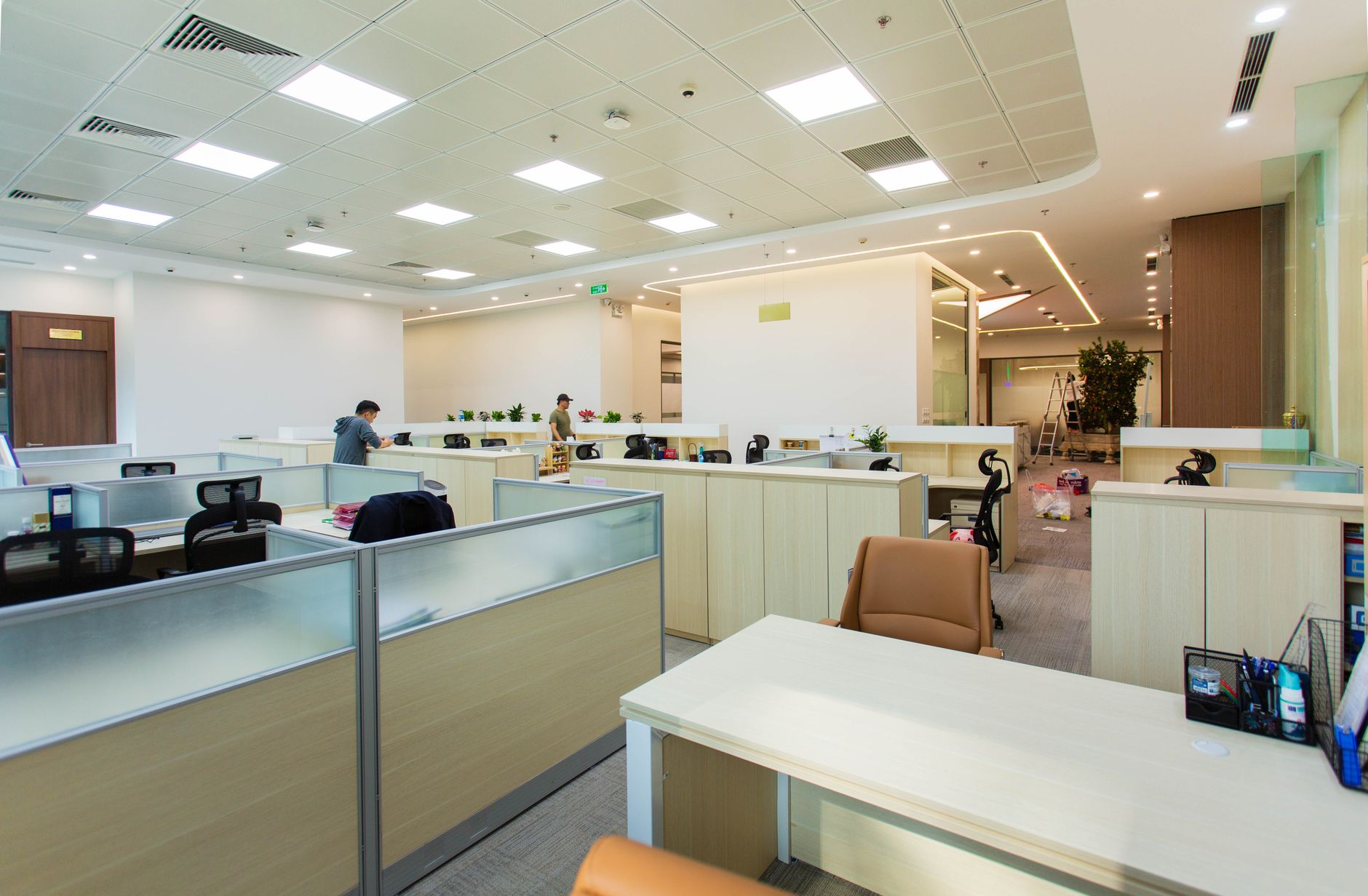
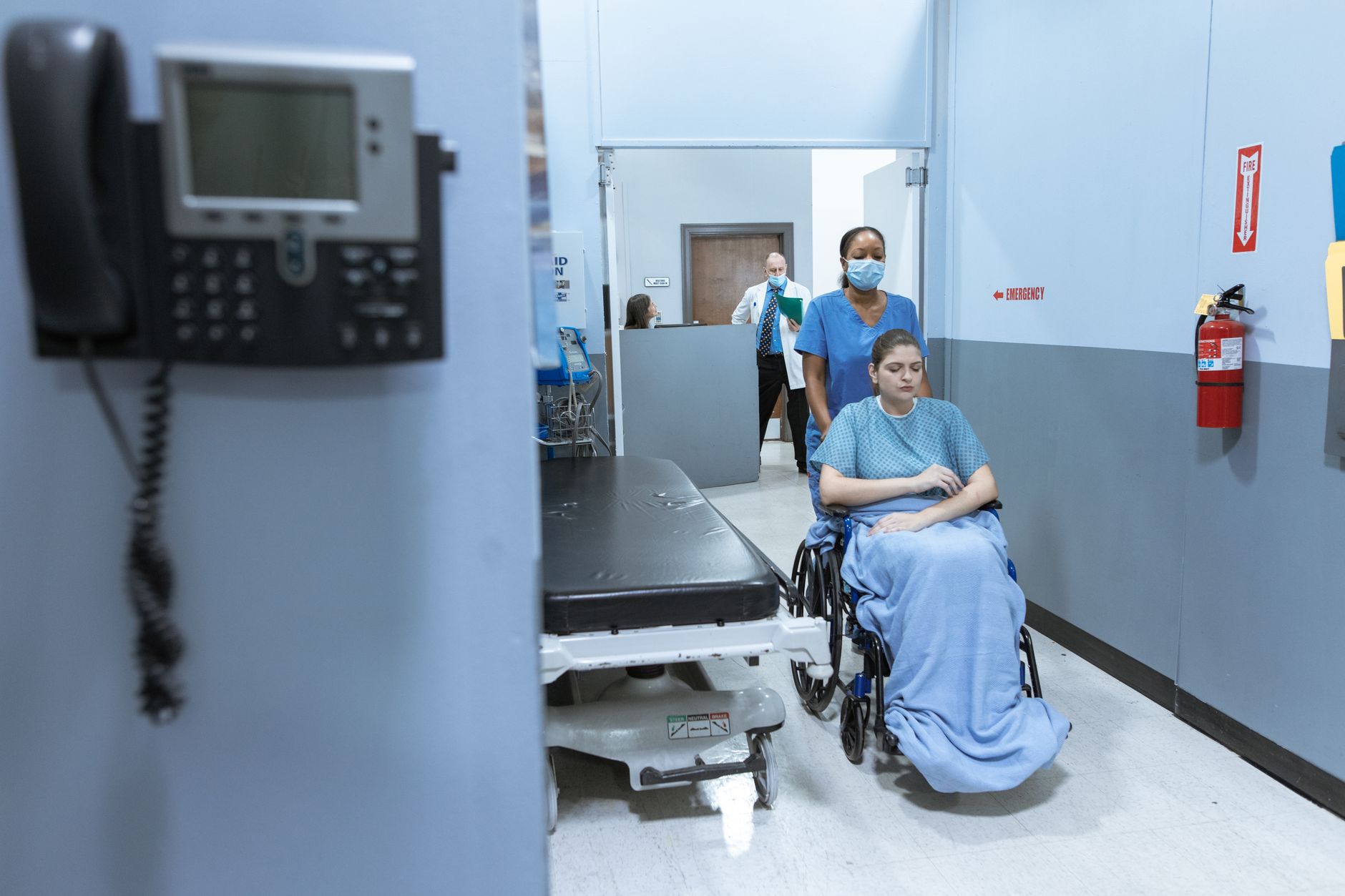
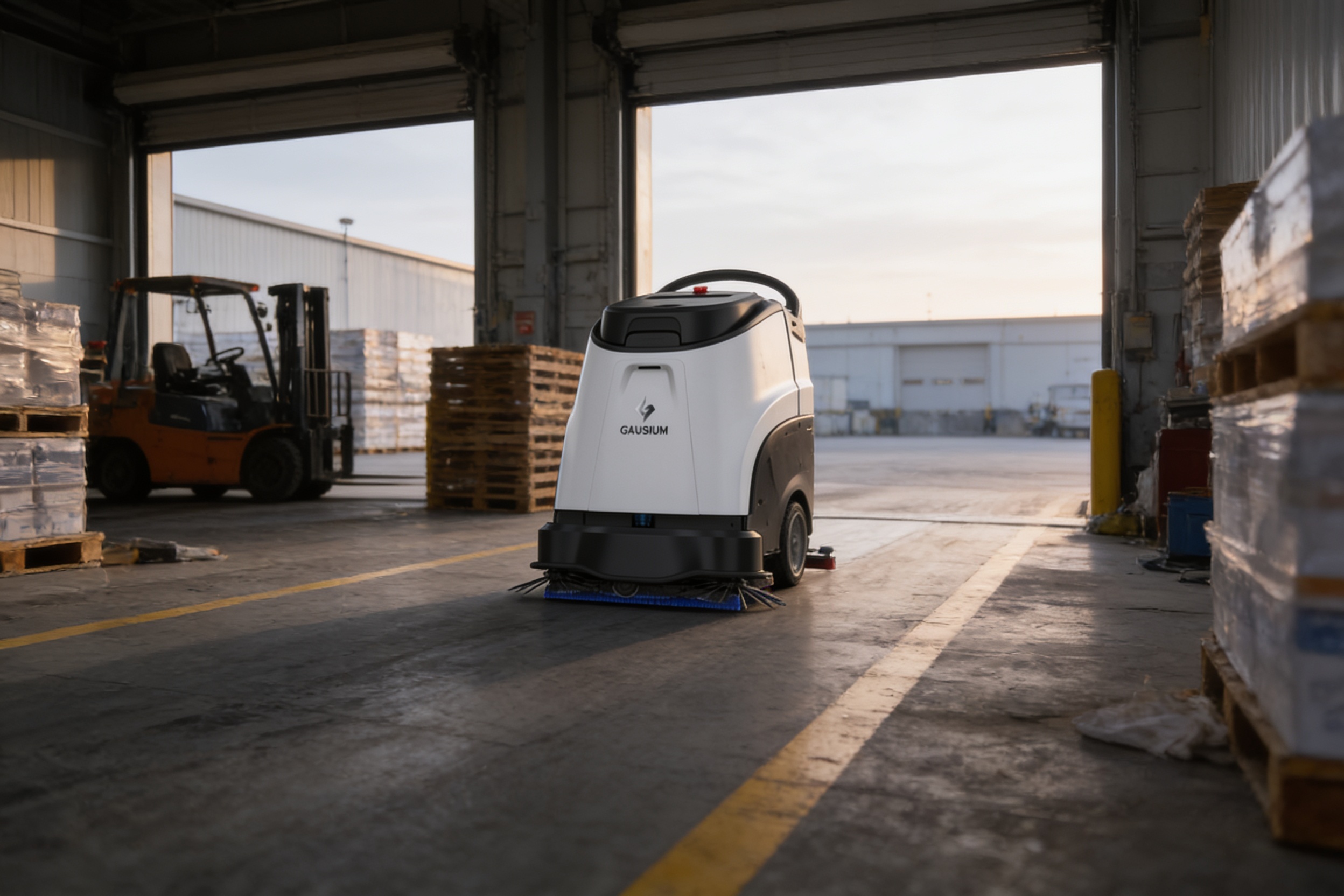
The sites that fit best are large, mostly indoor and open, with a predictable cleaning window. In this area that means warehouses and distribution space, grocery and big-box retail, hospitals and clinics, schools and campuses, office buildings, gyms and event venues. Staffing firms in Louisville post building cleaning openings, so a hiring pool exists, but the research for this page did not verify a metro headcount for the occupation.
National figures set the scale. The Bureau of Labor Statistics reports about 2.4 million janitor and building cleaner jobs in 2024 and projects growth of 2 percent over 2024 to 2034, which it calls slower than average. It expects about 47,800 new jobs and about 351,300 openings a year, most of them from turnover and exits. A site with long vacancies or fast turnover feels that labor cost first.
A third-party summary of Census County Business Patterns counts 67,799 janitorial services establishments with paid employees nationally in 2023, and about 61 percent had 1 to 4 employees. That means many cleaning contractors are small, which matters when a site weighs a service contract. Confirm the Louisville/Jefferson County figures on the federal data site before you set a budget.
How many hours does a floor crew spend, and what does a robot take over?
Floor work in these buildings is repeated, timed and mostly done at night. In a 2023 hospital network case study published by a robotics vendor, two autonomous scrubbers ran from about 8:30 pm to 2 am. Floor-care labor fell from about 16 person-hours per night to 5, and the time to finish a clean dropped from 8 hours to 5. These figures are self-reported and describe that building, not yours.
A retail property case from a similar vendor recorded autonomous cleaning running about 2.5 hours a day on average. A grocery chain case reported 33,649 hours reallocated across stores in 2024 and about 104,553 autonomous route runs. A Canadian warehouse operator, reported in a materials handling trade publication, said its robots cleaned just over 3.5 million square feet and saved more than 300 labor hours against conventional cleaning over about ten months.
Read these as the kind of hours that move, not as a promise. The hours a robot takes over depend on how much of the route is open floor, how often it runs, and how much still needs a person, such as edges, corners, spills and detail work.
How does leasing through financing work, and what does the quote include?
The robot is leased through financing, not sold to you, so there is no large upfront capital outlay for the machine. The lease quote is issued after a free site assessment, because floor area, schedule and unit count decide the terms. A quote for one building will not match another, even when the square footage is close.
A complete quote lists the lease payment and term, service terms, deployment and mapping, integration, training, and any spare-unit coverage. Ask for each as a separate line. A quote folded into one number is harder to compare, and it hides the items most often missed in the hidden costs section.
What can a cleaning robot not do?
A floor robot handles open, mapped floor well. It does not replace every task in a building. Restrooms, stairs, tables and fixtures, and detail work in corners and along equipment bases still need people. Loose items such as cords, debris or dropped product can stop a route until someone clears them.
Setup limits matter too. Doors that stay closed during the cleaning window, temporary barriers that were never mapped, and wet or uneven surfaces can interrupt a run. A site with heavy daytime traffic may need a shorter route or a schedule change, and both come out of the site assessment.
Why does injury history matter for floor cleaning?
Floor cleaning is physically demanding and carries real injury risk, which is part of why the labor math matters beyond the hourly total. The Bureau of Labor Statistics reported a 2020 nonfatal injury and illness rate of 191.6 per 10,000 full-time workers for janitors and cleaners, except maids and housekeeping cleaners, with 21,100 cases. Its 2015 to 2019 snapshot gave a 2019 rate of 157.4 and 18,680 cases with days away from work.
These are national figures for the whole occupation, not Louisville alone, and they are not a claim about any one employer. They are a reason to count the crew's exposure in the comparison. The question for a site is which tasks still put staff in repetitive or awkward positions, and whether a robot removes any of them.
How do I get a cleaning robot quote for my site?
Start with a free site assessment. We walk the building or review the plans, measure the usable floor, note surfaces and traffic, and confirm the cleaning window. The assessment shows whether one unit covers the route, how much mapping time the site needs, and where the robot would charge.
Bring square footage, a floor plan, the shift schedule, the cleaning task list, and existing crew hours. Note your busiest hours, doors that stay closed, and areas that still need staff. With those, the quote arrives after the assessment with the lease, service, deployment and training itemized, so you can set it against the labor the floor takes now.

Frequently asked questions
Upcoming events in Kentucky
Put a robot to work in Louisville/Jefferson County.
We walk your site, learn the job, and recommend the unit that fits. Then we quote the lease, deploy it, and keep it serviced.
Sources
- U.S. Bureau of Labor Statistics, Occupational Outlook Handbook: Janitors and Building Cleaners
- U.S. Bureau of Labor Statistics, injury and illness snapshot, janitors 2015 to 2019
- U.S. Bureau of Labor Statistics, injury and illness snapshot, janitors and cleaners 2016 to 2020
- Census County Business Patterns, NAICS 561720, as summarized by a third-party site
- Hospital network case study, 2023, published by a robotics vendor
- Retail property case study, published by a floor care vendor
- Grocery chain case study, published by a floor care vendor
- Materials handling trade publication, warehouse floor scrubbing report