
The short answer
The cleaning robot cost for subway stations depends on how much floor a unit must cover in each overnight closure window, how that floor is built and laid out, and how much mapping, integration and service the site needs around the machine. Because each station differs, the lease quote is built after a free site assessment, not from a published average.
Key takeaways
- Floor area covered in the overnight window is the first driver a site assessment measures.
- Closure hours set how many units a station needs, so timing belongs in the quote.
- Mapping, integration, training and service are costs to confirm line by line.
- Stairs, landings and fare lines usually stay with staff, so plan for flat mapped floor.
What does a cleaning robot cost for subway stations depend on?
The cleaning robot cost for subway stations depends on how much floor a unit must cover in each overnight closure window, how that floor is built, and how much setup and service the site needs around the machine. A station is rarely one open room. A platform may be a long run with edges and tactile strips, a concourse may be a wide tiled plane broken by kiosks, and stairs and fare lines split the path into segments. Each of those changes the number of passes, the route and the supervision a site needs.
No single published figure answers the question for every station. We build the lease quote after a free site assessment, where the floor is measured, the closure window is timed and the route is mapped. Two stations of similar size can produce different quotes if their layouts, traffic or service needs vary.
This page explains the factors that move the number, the costs that are easy to miss, what a floor scrubber cannot do in a station, and how a quote is built. Where it uses figures, it names the source and sticks to what the research confirmed. It does not state station hours, because no verified figures for station hours were found.
Why do subway stations suit floor scrubbers?
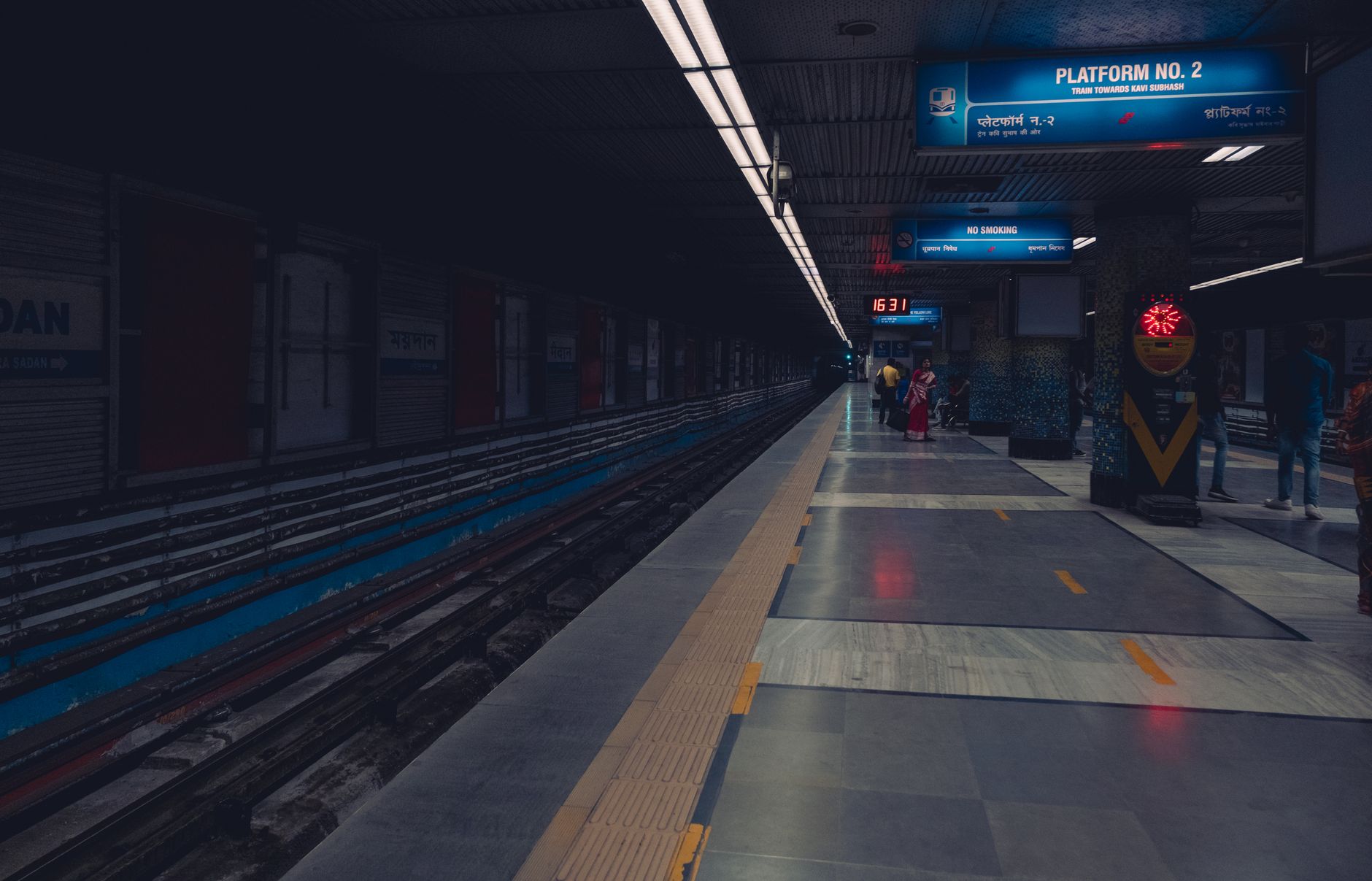
Subway stations combine three traits that suit floor scrubbers. They carry heavy foot traffic, they have long open runs along platforms and concourses, and they close to trains for an overnight window. A scrubber works best on large, mostly clear floor with a known route, and a platform often fits that description, with most of the work concentrated in a few long lanes.
Traffic is rising, which keeps the nightly load high. According to APTA's 2026 Q2 ridership report, heavy rail ridership is up 5.29%. More riders means more grit, spills and wear on the same floor, so the soil a crew or unit must recover each night grows along with the ridership base.
The scale is large too. According to Wikipedia's compilation of station counts for one large US subway system, that system has 472 stations, or 423 when counted by station complex, with 32 complexes that have transfers. Numbers like these mean cleaning scope is planned station by station, not as one network-wide decision.
What drives the cost up or down at a station?
Floor area per overnight window is the first driver. The more square feet a unit must cover before service resumes, the more runtime, units and route planning the site needs. Platform length matters as much as total area, because long open runs let a unit work efficiently while stairs, columns and fare lines add stops and turns.
Surfaces change the job. Sealed tile and concrete clean differently from textured stone, grooved edges or tactile warning strips, and wet or dry conditions change the cleaning settings and how often a route must run. Stairs, ramps and steep grades usually need a separate route plan from flat floor, which adds planning time.
The closure window and traffic set the schedule. A short overnight closure leaves less time for one unit to finish, so a station may need another unit or a second pass. Heavy day traffic affects how soiled the floor is at close, and that changes how much the first pass has to recover.
Mapping, integration, number of units and service complete the picture. Each unit needs a mapped route and a working link to site routines and dispatch. More units add coordination and spare coverage, and the service distance and response expectations shape the quote as well.
How many hours of cleaning does a robot take over?
For subway stations, this page does not give a standard hour figure. The research did not find verified numbers for floor area per station, hours to scrub a station per shift, or staff per station. The hours a unit takes over depend on route length, passes and the crew's present sequence, so the site assessment times each task on the floor and turns those times into hours for that station.
Staffing context is still useful. According to the Bureau of Labor Statistics Occupational Outlook Handbook, janitors and building cleaners held 2,447,700 jobs in 2024, and employment is projected to grow 2% from 2024 to 2034, which is slower than average. The same source lists about 351,300 openings a year on average, mostly from replacement needs.
That pattern matters for overnight work. When most openings come from people leaving, sites keep recruiting for the same shifts, and gaps show up on nights and weekends. Safety is part of the workload too. According to a BLS summary of 2024 workplace injuries and illnesses, about 2.5 million private-sector workplace injuries and illnesses were reported, down 3.1% from 2023, and all private industry logged 2.3 cases per 100 full-time equivalent workers, down from 2.4 in 2023.
What can a cleaning robot not do in a station?
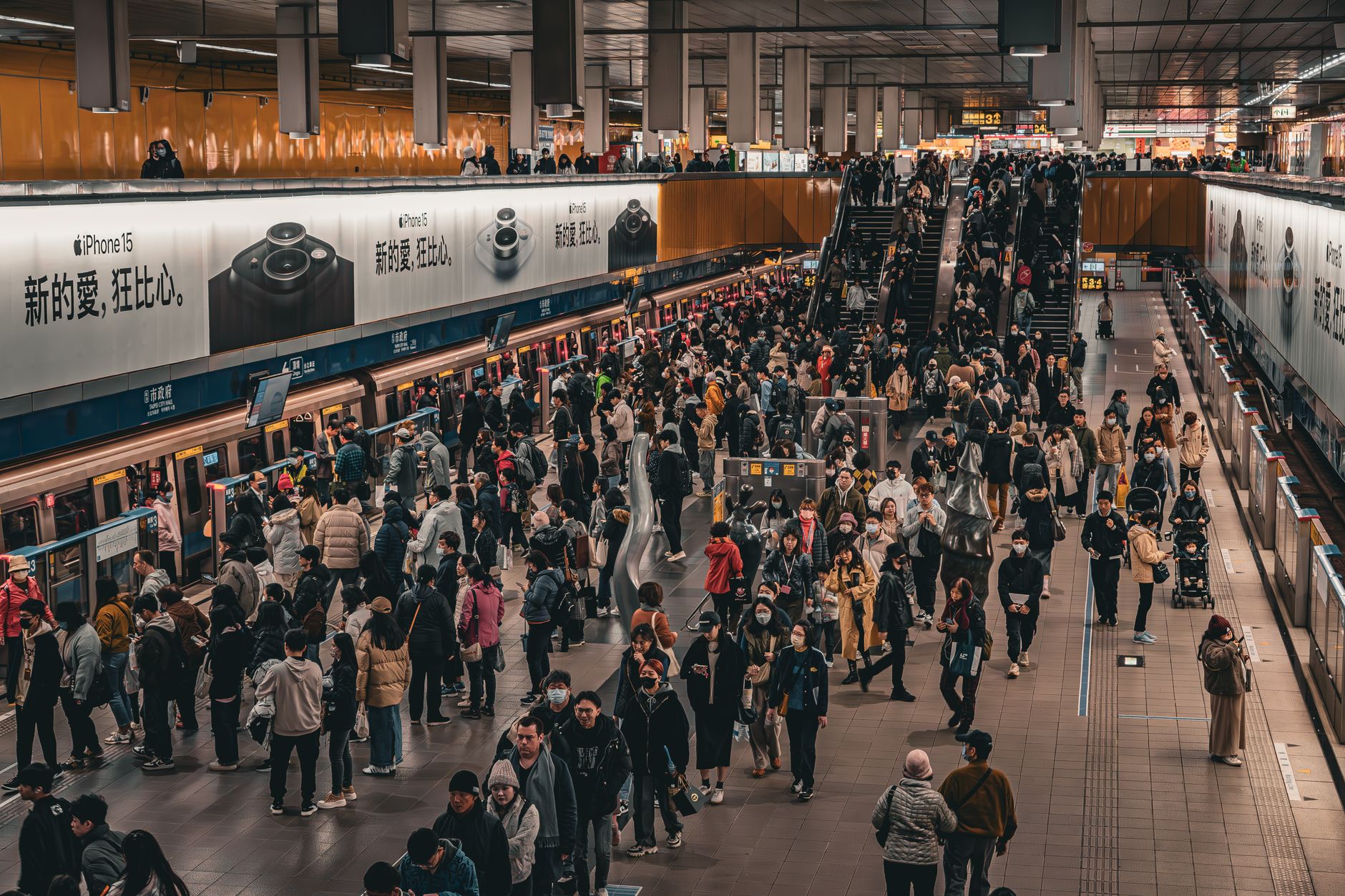
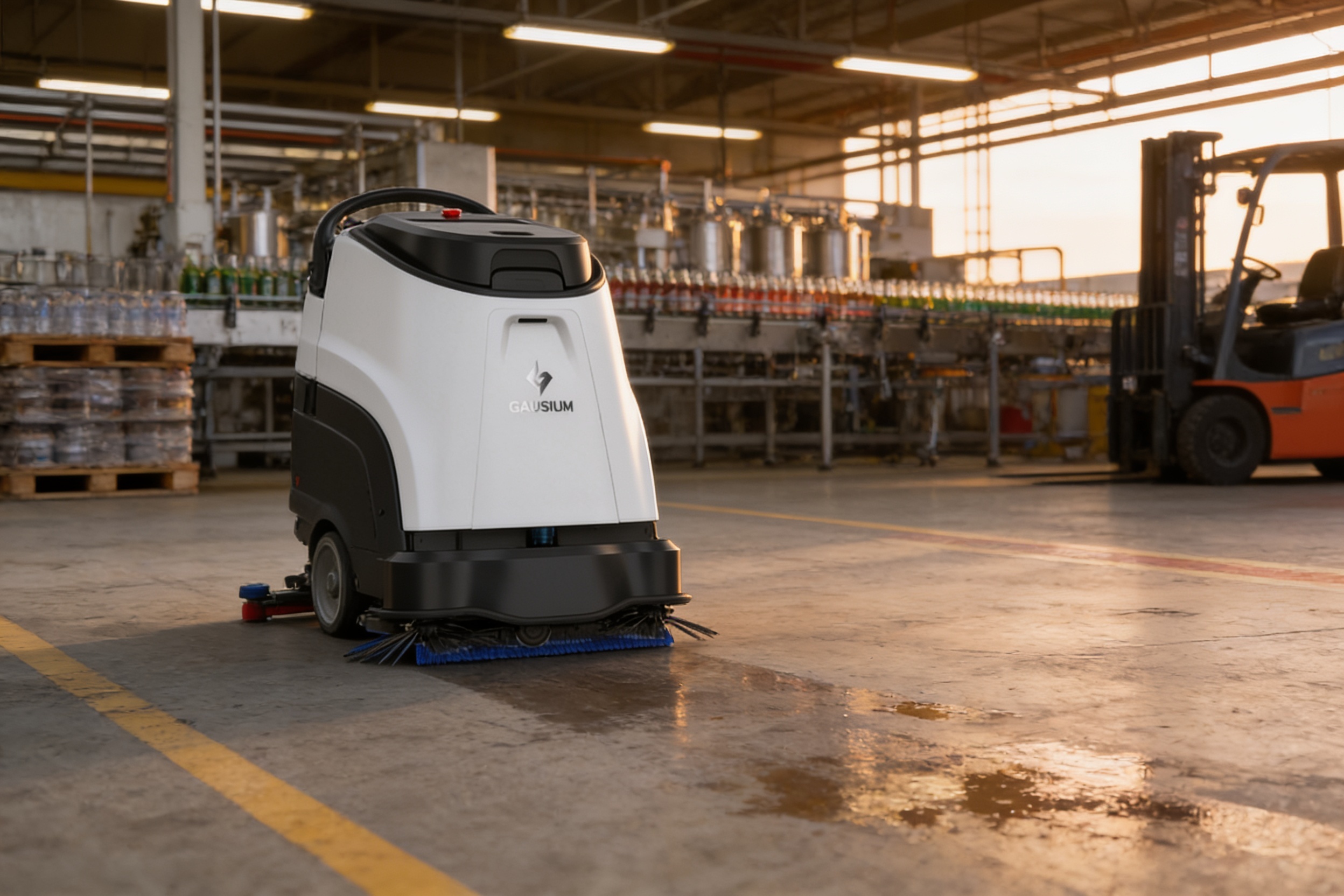
A floor scrubber works on flat, mapped floor. It does not empty bins, wipe handrails, clean restrooms, or deal with a spill it has not been set up to detect. Stairs, escalators and fare lines usually stay with staff, and any change to the route needs a remap.
It also needs a clear route. Items left in lanes, temporary barriers and moving equipment can stop a run or force a detour. Staff must respond to alerts, clear obstructions and decide when a station is ready to reopen. The unit does not make that call.
Public pilots are still early. According to NowToronto, a Toronto transit agency has tested robotic cleaners in subway stations, with no decision on permanent deployment as of that report. Separately, ABC7 New York reported that a transit agency planned to pull overnight cleaning crews from some stations, then dropped the plan after the reporting said the pilot had failed. Overnight cleaning needs a defined scope, clear checks and a backup plan whichever tool does the work.
How does leasing through financing work for a cleaning robot?
Financing spreads the equipment cost into a fixed lease payment over the term, so the site does not have to carry the full equipment cost up front. The payment and term appear in the quote, along with what the lease covers. Because the cost is fixed, it can be set against the shift budget more predictably than a variable overtime line.
The lease sits next to the labor it may replace. Compare the fixed payment with the overnight shifts you cover today, the cost of unfilled shifts, overtime, and any incident exposure you already carry. Those lines, not a generic benchmark, decide whether the lease fits the station.
Ask which service, parts and dispatch terms run for the whole lease term, and what happens when the term ends. Get each item as a separate line so it can be compared with your existing cleaning contract.
What does the lease quote include?
A quote built from the site assessment should state the number and type of units, the route and mapping work, the lease term and payment schedule, deployment and integration, training and service coverage. It should also say what is not included, such as construction-driven remaps or units added later.
Ask for spare coverage and dispatch times in writing. A backup unit or loaner plan reduces the risk of a station opening with a dead unit, and the quote should say how fast a fault gets an on-site response overnight. Ask the same questions about software: which dashboard, which updates, and who handles changes to the route.
Check the quote lines against the shift hours they replace. If the quote names the supervision hours still required, the net effect on the overnight budget is easier to judge.
How do you get a quote after a free site assessment?
Start with the station list, the overnight closure hours for each site, and any floor plans or construction changes you already have. We run a free site assessment, measure the platforms and concourses, check surfaces and traffic, time the closure window and map the route. The result sets the unit count, the service plan and the lease quote.
We pick the right robot for the site, lease it through financing, deploy and integrate it, train the staff who run it, and service it nationwide. The quote follows the assessment rather than a generic estimate, so it reflects the stations you operate, not an average station.
If you want to test before committing, start with one unit at one station and a defined overnight scope. A pilot shows the real route, the real traffic and the real supervision hours, which is the information a wider rollout across a network needs.
Frequently asked questions
Want a cleaning robot at your subway station?
Tell us about your site. We will recommend the robot, quote the lease, and keep it serviced.
Sources
- BLS Occupational Outlook Handbook: Janitors and Building Cleaners
- BLS The Economics Daily: workplace injuries and illnesses in 2024
- APTA 2026 Q2 ridership report
- Wikipedia: station counts for a large US subway system
- ABC7 New York: overnight subway cleaning coverage
- NowToronto: subway cleaning robot tests coverage