
The short answer
Cleaning robot cost for movie theaters depends on how much hard floor the robot must cover inside each showtime gap, how many auditoriums share that window, and how much carpeted aisle needs a separate tool or a manual pass. Mapping, integration, staff training and service add to the total, and the layout a site assessment finds sets the final scope. The fixed lease payment is quoted after that free assessment, not from a generic figure.
Key takeaways
- Hard floor area and the number of auditoriums sharing each turnaround window set most of the scope.
- Carpeted aisles usually need a separate tool or a manual pass, so measure them before you compare quotes.
- Mapping, software, service, insurance and training are the lines people tend to miss in a first estimate.
- The usable turnaround window is timed on site, because it is often shorter than the gap on the schedule.
- The fixed lease payment comes in a quote after a free site assessment.
What does cleaning robot cost for movie theaters depend on?
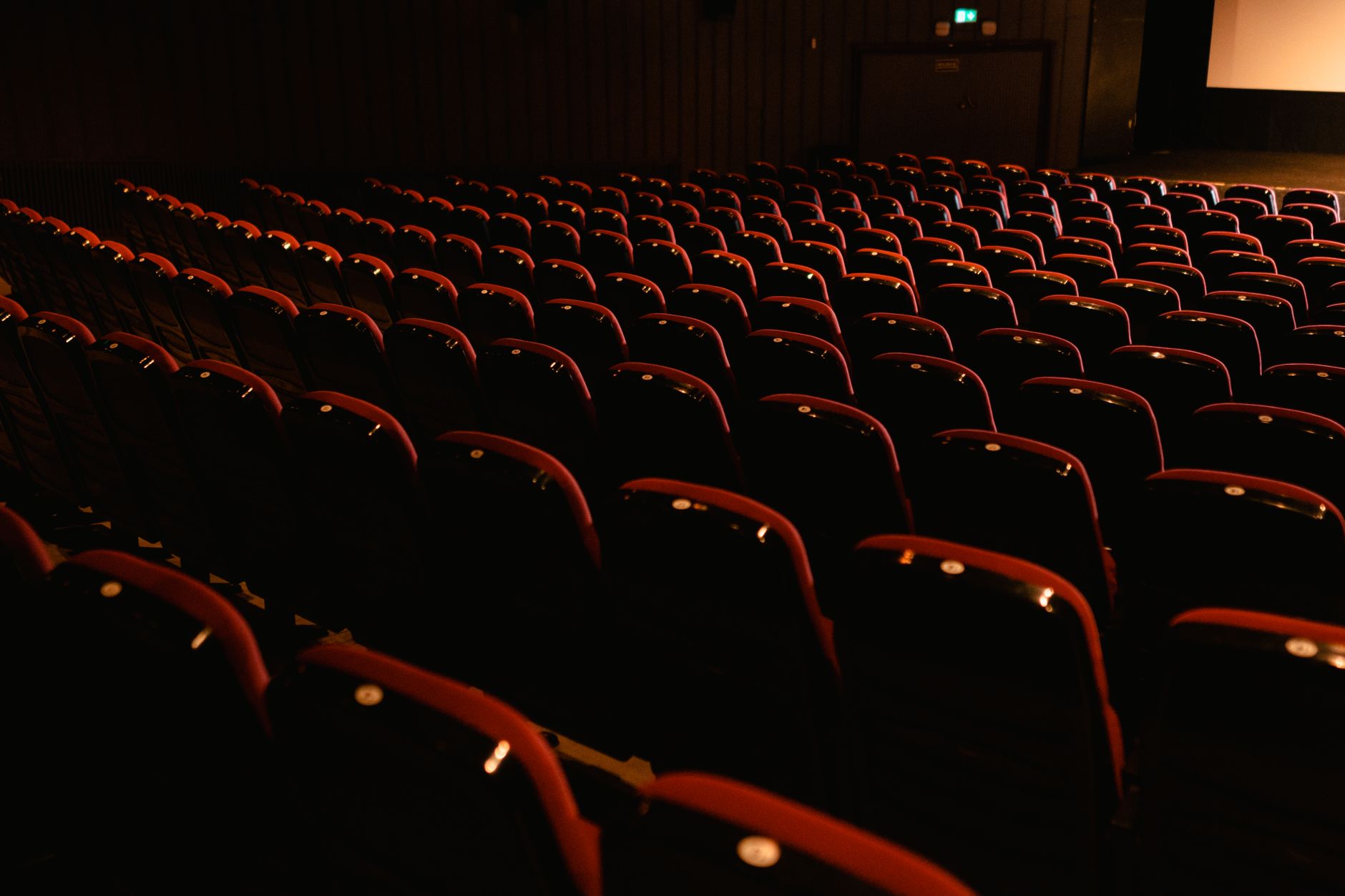
The honest answer is layout and timing. A movie theater is not one open floor. It is a lobby and concourse with heavy foot traffic, a set of auditoriums that empty and refill on a fixed schedule, and aisles that may be carpeted. Each area asks something different of a robot, so the cost follows the mix of hard floor, carpet and schedule.
For cleaning robot cost for movie theaters, three inputs matter most: the hard floor area to clean inside each turnaround window, the number of rooms that share that window, and the share of floor that needs a separate tool or a manual pass. Staff time, mapping, integration and service come on top. No single number fits every house, so the quote follows a site assessment.
How many movie theaters and screens are there in the US?
According to a wire report on a movie theater trade group's March 2025 rebrand, the group represented more than 32,000 movie screens in the U.S. That is a rounded trade group figure, not a count from a government agency, so treat it as a scale marker. Site counts are older. Published datapoints on U.S. cinema sites counted 5,747 active sites in 2017, down just under 26% from 7,744 in 1995.
Employment is the other scale check. According to the Bureau of Labor Statistics, 122,500 people worked in NAICS 512130, Motion Picture and Video Exhibition, in May 2023, and 62,680 of them were entertainment attendants. That code also covers video exhibition, so it describes the industry broadly rather than theaters alone. The BLS does not say how much of the attendants' time goes to floor care, so measure that on site.
Which factors move the cost up or down?
Seat count is a rough proxy for traffic and spill load. A large auditorium holds more guests, so it leaves more debris and more sticky spots in the minutes after a film ends. Several rooms sharing one turnaround window multiply that work, and the robot must finish before the next crowd arrives. What matters for the quote is how many rooms share the window and how long that window really is.
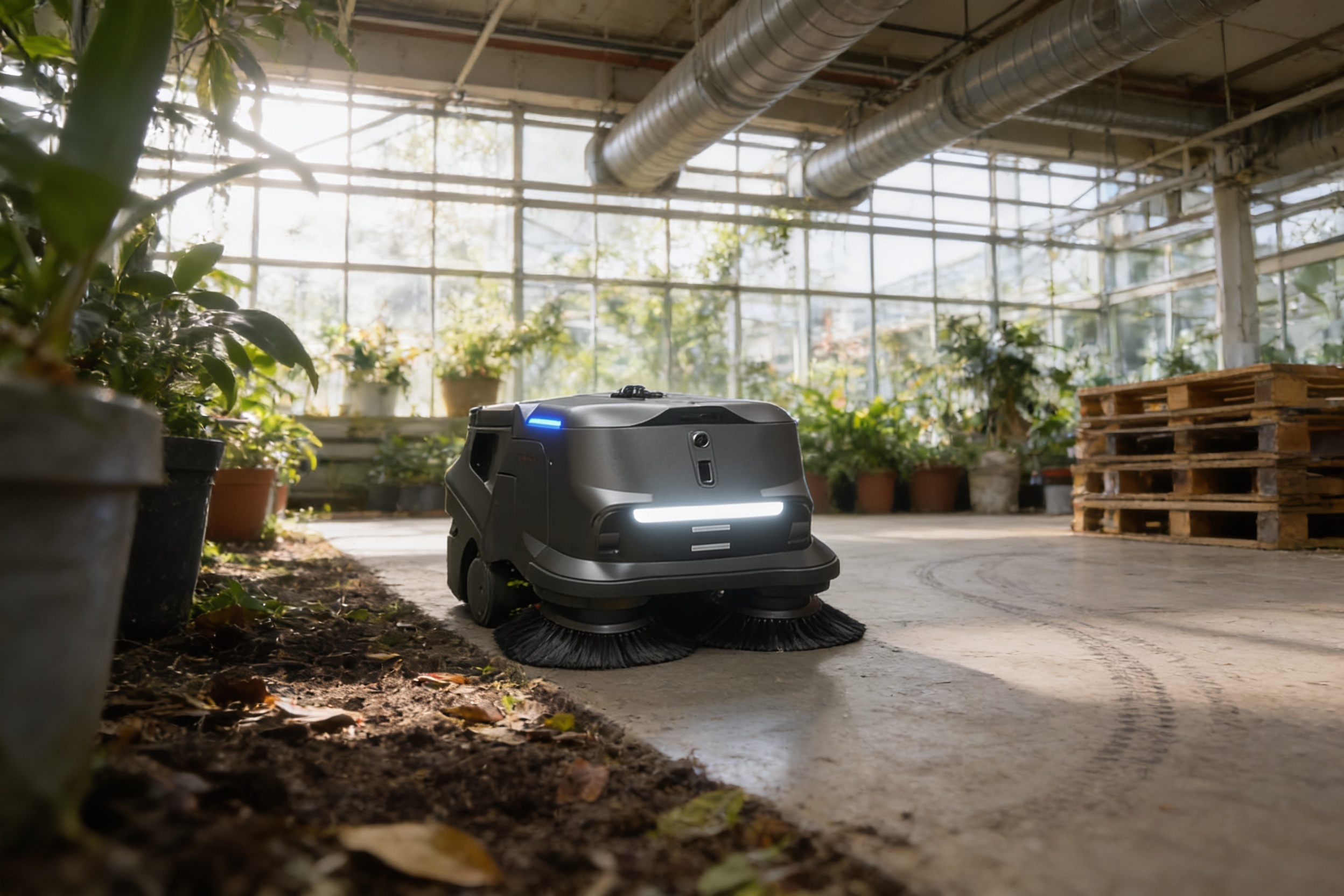
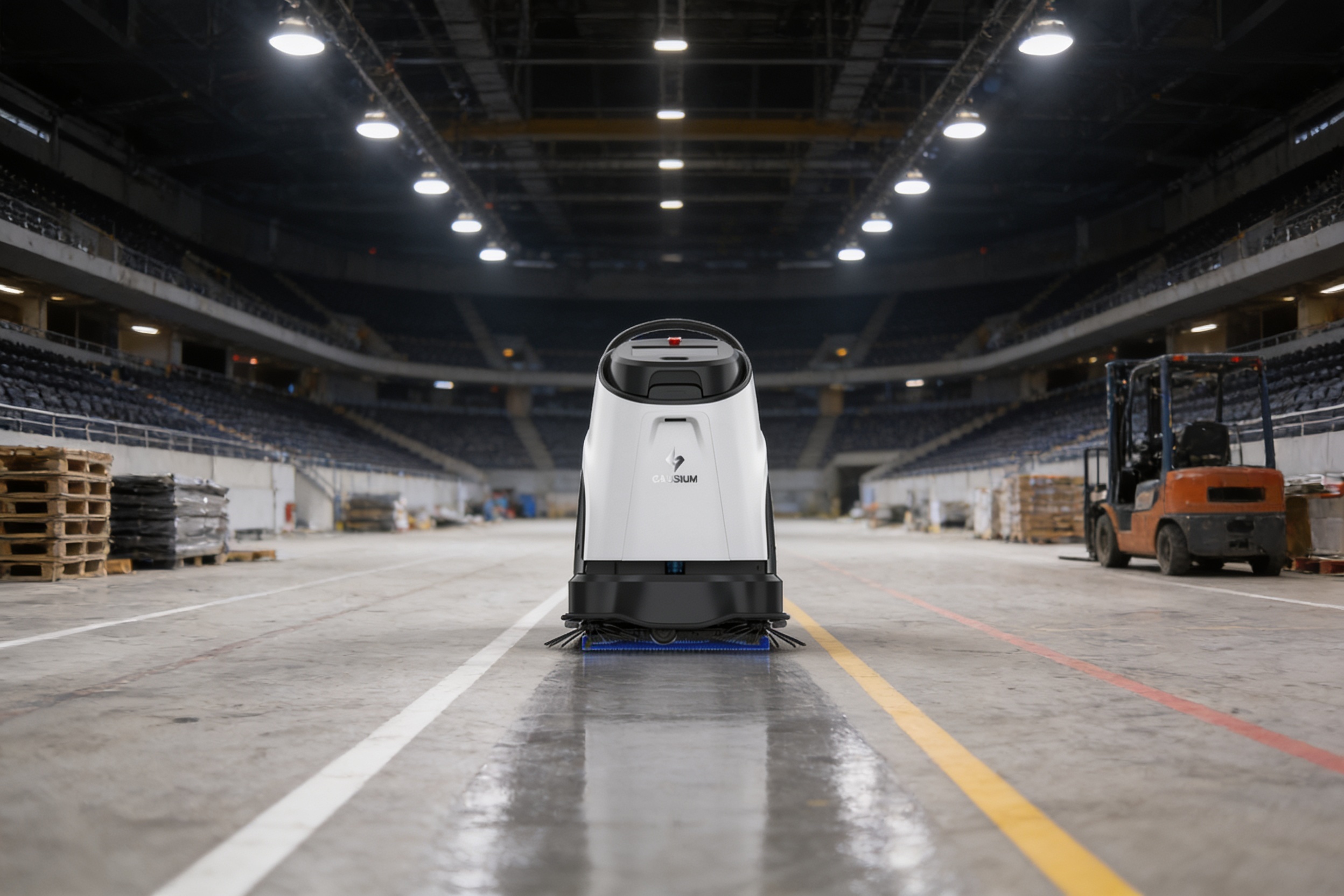
Surfaces decide which machine you need. A floor scrubber handles hard surfaces such as lobby tile and concourse floors. Carpeted auditorium aisles usually need a separate tool or a manual pass, so a house with a lot of carpet may carry a bigger scope than its floor plan suggests. Measure carpet early, because it changes the scope.
Traffic and schedule set the usable window. Lobby traffic can keep part of the floor busy even between showings, and a robot slows or stops around people. The usable window can be shorter than the gap on the schedule, which is why we time it on site. The number of units follows from that window: one unit may cover a small house, while a large multiplex may need more units or a spare so one repair does not leave a room uncleaned.
How many labor hours does this cleaning take?
Floor cleaning draws on a large labor pool. According to the Bureau of Labor Statistics Occupational Outlook Handbook, about 2,447,700 janitors and building cleaners were employed in 2024. The same source projects 2% growth from 2024 to 2034, slower than average, with about 351,300 openings a year on average. No formal educational credential is typically required to enter the occupation.
Injury risk is part of the labor picture. The BLS injury snapshot for janitors and cleaners, excluding maids and housekeeping cleaners, reported 157.4 days-away-from-work cases per 10,000 full-time equivalent workers in 2019. That is the occupation as a whole, not a theater figure, but it shows that floor work carries a real injury load. The 2016 to 2020 snapshot counted 21,100 nonfatal days-away cases in 2020.
Theater-specific labor data is thin. The BLS does not publish cleaning hours for theaters, and no official turnover figure for the occupation turned up in this research. Staffing gaps are better measured on your own schedule than taken from a national average.
Two estimates exist, and both come from parties with a stake in the result. A cleaning industry vendor comparison, with its method not stated, reported about 300 hours of manual labor a month against about 130 robotic scrubber hours for the same area. A large retailer forecast two hours of employee time saved per location per day. Measure your own hours before you rely on either.
What can a cleaning robot not do in a movie theater?
A floor robot covers open hard floor. It does not do the whole room. Some work stays with staff, and the site plan should say so in writing.
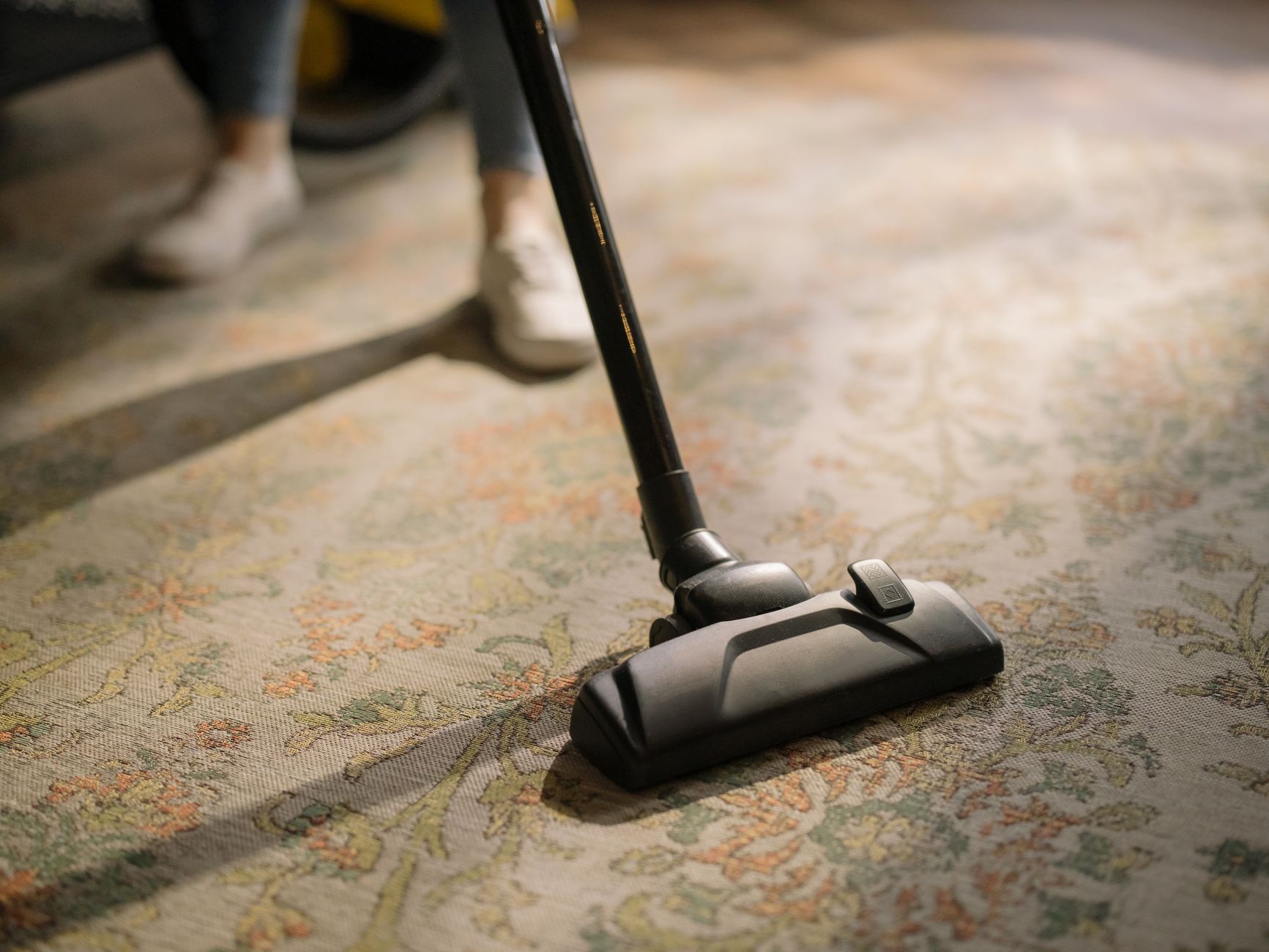
Carpeted aisles need a plan, not an assumption. Most floor scrubbers are built for hard surfaces, so carpet usually needs a separate machine or manual work. Ask for the carpet area in writing before you accept a single-robot scope.
Crowds also limit it. A robot pauses or detours around people, so a late showing with guests still in the room reduces the usable window. Tight rows, thresholds and changed layouts can stop a unit until the map or the route is updated.
- Seats, armrests and cup holders in each auditorium
- Restrooms and high-touch surfaces
- Trash and spills that need a manager decision
- Spills that need a hazard response, such as broken glass or an unknown fluid
- Stairs, thresholds and the edges of rows the robot cannot reach
How does leasing a cleaning robot work?
You lease the robot through financing. The equipment goes into service without a large upfront capital outlay, and you carry a fixed robot lease payment over the lease term. The term, the payment and what the lease includes are set in your quote, not in this article.
Leasing spreads the equipment cost into a schedule you can plan around, which matters for a theater with seasonal peaks and quieter months. Financing terms depend on your business profile, so each lease is written for the site rather than offered as a fixed package.
Our role covers the whole chain. We pick the robot for the site, arrange the lease through financing, deploy and integrate the unit, train staff and service it nationwide. One partner handles the robot, the setup and the repair calls, so you do not coordinate separate vendors for each step.
What does a cleaning robot lease quote include?
A usable quote shows the fixed lease payment, the lease term, mapping, deployment and integration, staff training and service terms as separate lines. If a line is missing, ask whether it is included or extra before you compare offers. A quote that lumps everything together is hard to check against the site.
Our quote is built after the site assessment, so it reflects your real floor plan, not a generic layout. It sets out the work we do: site mapping, deployment and integration, staff training, and service nationwide. Insurance terms and software or reporting features are written into the quote, so you can check them against your own requirements.
Ask about spare units and response times for your region. A single unit with no spare leaves a room uncleaned during a repair, and that trade-off belongs in the quote beside the lease payment, not in a footnote.
How do I get a quote after a free site assessment?
Start with the free site assessment. It walks the lobby, concourse, auditoriums and aisles, times the turnaround windows, measures the carpet area, and maps the doors and access points that matter for the route.
Bring what you already have: the number of auditoriums, seat counts per room, the showtime schedule with the gap between showings, hard-floor and carpet areas, and any renovations planned in the next year. Those inputs decide the number of units and the scope of the quote.
Adoption is rising, but it is still early for this kind of work. A 2026 BSC Market Study, as cited in a 2026 press release, says about 32% of building service contractors plan to adopt robotic floor equipment within 12 months, roughly double the 2025 figure. The study itself was not reviewed for this page. A 2019 industry association survey described adoption as in an infant stage.
Once you have the quote, compare it with staff time on the same windows, using the hours you measured on site rather than national averages. That comparison, not a headline figure, tells you whether the lease fits your house.
Frequently asked questions
Want a cleaning robot at your movie theater?
Tell us about your site. We will recommend the robot, quote the lease, and keep it serviced.
Sources
- U.S. Bureau of Labor Statistics, Occupational Outlook Handbook: Janitors and Building Cleaners
- U.S. Bureau of Labor Statistics, May 2023 OES: Motion Picture and Video Exhibition
- U.S. Bureau of Labor Statistics, injury snapshot: Janitors and Cleaners, 2016 to 2020
- U.S. Bureau of Labor Statistics, injury chart data: Janitors and Cleaners
- Wire report on movie theater trade group rebrand, March 2025
- Published datapoints on U.S. cinema sites by type
- 2026 press release on the BSC Market Study
- Cleaning industry vendor comparison on robotic floor equipment ROI