
The short answer
The autonomous mobile robot cost for corrugated box plants depends on how far rolls, die-cut sheets and finished bundles travel, how many stops and robots the line needs, and how much mapping and integration the floor requires. Traffic, floor surfaces, shift pattern and the service plan move the total up or down. The lease quote is set after a free site assessment, not from a published figure.
See what a autonomous mobile robot costsRun the numbers in the ROI calculator
Key takeaways
- The robot count follows route length and stop count more than any headline feature.
- Mapping and line integration are part of the first project, so they belong in the quote.
- The injury figures available are old and the adoption figures are broad, so measure your own shifts before deciding.
- Robots take repeated moves on fixed routes, while forklifts and people keep the irregular loads.
- The lease quote follows a free site assessment, which sets the scope and the terms.
Autonomous mobile robot cost for corrugated box plants: the direct answer
The cost of an autonomous mobile robot in a corrugated box plant follows the work it takes over. On a typical converting line that work is moving paper rolls from storage to the corrugator, carrying die-cut sheets between converting machines and staging areas, and taking finished bundles to the dock. Each of those moves repeats on a set route across multi-shift runs, which is why it suits a robot, and why route length and stop count matter more than any headline feature.
This page gives no price. A lease quote depends on your floor, your route count and the support your line needs, so we start with a free site assessment and then price the lease, deployment, training and service for that site. What follows covers each factor that moves the number, the hidden costs people miss, and what the industry figures tell you about labor and risk.
What changes the cost on a box plant floor
Floor layout is the first driver. A plant with a long converting line, a separate paper storage area and a dock across the building needs more route length than a compact plant with the same machines. Route length sets how many robots the line needs to keep rolls and bundles moving on time, and the robot count is the largest single factor in the total.
Surfaces and aisles come next. Smooth, level concrete with clear sight lines is easier to map and drive than a slab with joints, ramps, floor drains or thresholds. Roll stands and pallets parked in an aisle force slower speeds or a longer route, so the site walk records where material waits.
Traffic and shifts shape the rest. Forklifts, pallet jacks and people crossing a route add stops and need safety zones. A plant that runs three shifts with people on the same paths needs more route planning than one that runs the robot in an overnight window. Shift pattern also decides how much staff time the robot frees up, so it belongs in the same calculation as the route.
Integration adds cost where the robot has to talk to the line. A robot that only carries loads between two points is simpler than one that waits for a stacker, signals a machine or takes jobs from the production schedule. Each interface needs engineering time and testing before the robot runs without an operator.
How many box plants are there, and how many people work in them?
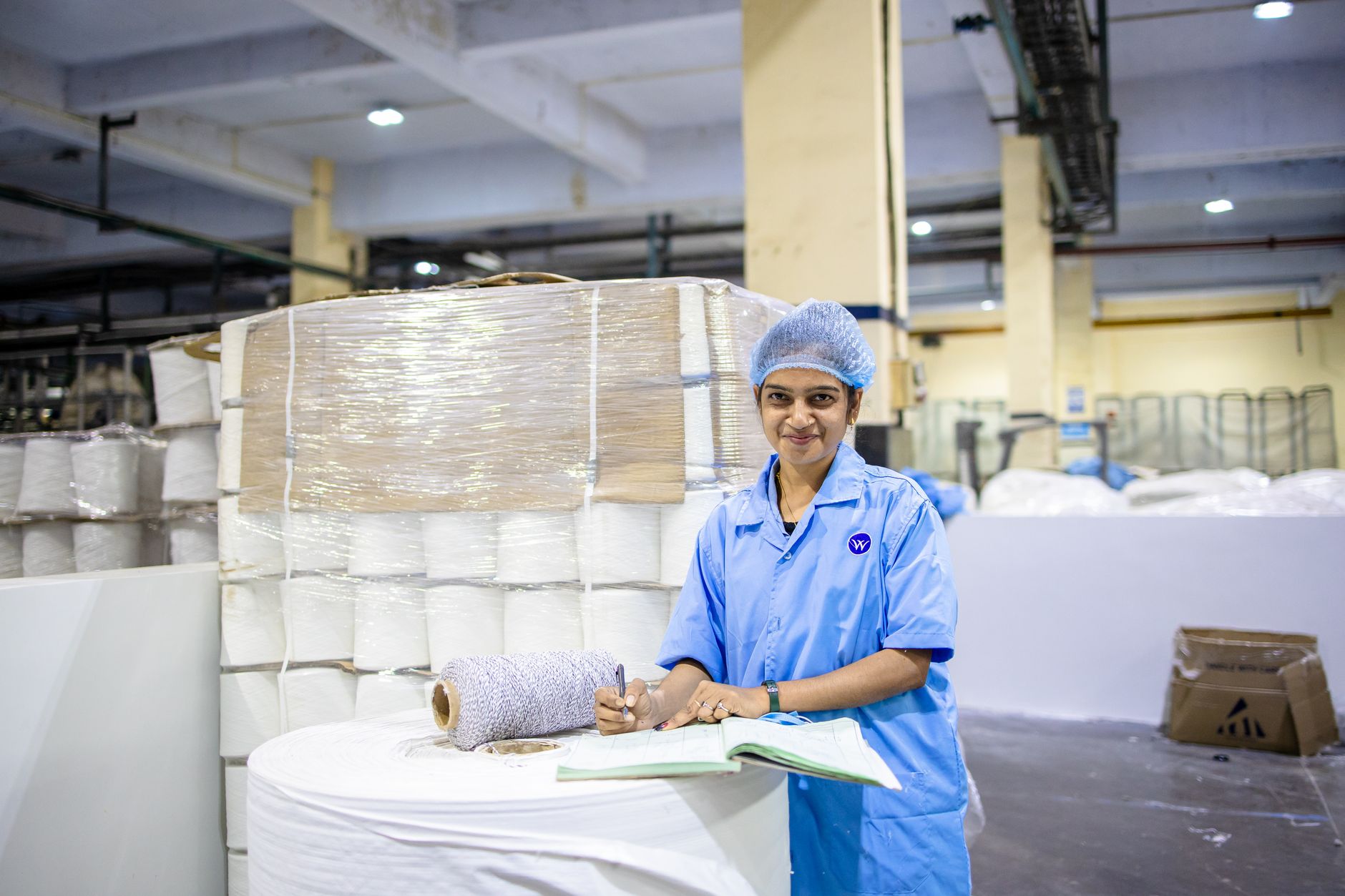
According to the Fibre Box Association 2024 annual report, the industry had 1,092 plants in operation, made up of 458 corrugator plants and 634 sheet plants, and that was 14 plants fewer than in 2023. The association's 2014 report counted 1,206 industry plants, according to a Packaging Strategies summary of that report, so the plant count has fallen over the decade.
A trade article citing Bureau of Labor Statistics data puts the industry at about 1,150 plants and about 103,000 workers. That count is not the association's, which is a reason to size a project from your own plant rather than from a national total. The same article reports that employment rose 4.7% from Q1 2020 to Q1 2024 while total wages rose 26% over the same period. That gap suggests higher pay per worker more than a bigger workforce.
For a single plant, these figures set context rather than cost. They show a shrinking count of plants with a labor base that has held up, which gives each remaining plant a reason to look hard at repeated moves. The number that matters is the moves per shift on your own converting lines, and that comes from your run log.
Shifts, staffing and turnover: where the labor hours go
We did not find a published staffing count for material movers in this industry, and we did not find a measured number of hours per shift for roll and sheet moves, so this page does not estimate either. The turnover data is more usable. According to the Bureau of Labor Statistics JOLTS release, the total separations rate for all industries was 3.3 percent in 2025, unchanged from 2024. FRED's seasonally adjusted series for nondurable goods manufacturing shows a separations rate of 2.8 in December 2025 and 2.6 in February 2026.
Low separations mean fewer replacements to train each year. In a plant with steady crews, the training cost is mostly the first deployment and the occasional crew change, not constant churn. That is why the quote shows the initial training block separately from ongoing service, so you can see which part repeats.
Multi-shift runs are where the labor math matters. A roll or sheet move done by a person takes time from the same crew that runs the machines, and a gap at a shift change leaves the line waiting. A robot on a fixed route covers those moves while the crew watches the machines. The hours saved depend on the moves per shift, and only a walk-through and a log of the run can measure that.
Incident rates on converting lines: what the older numbers show
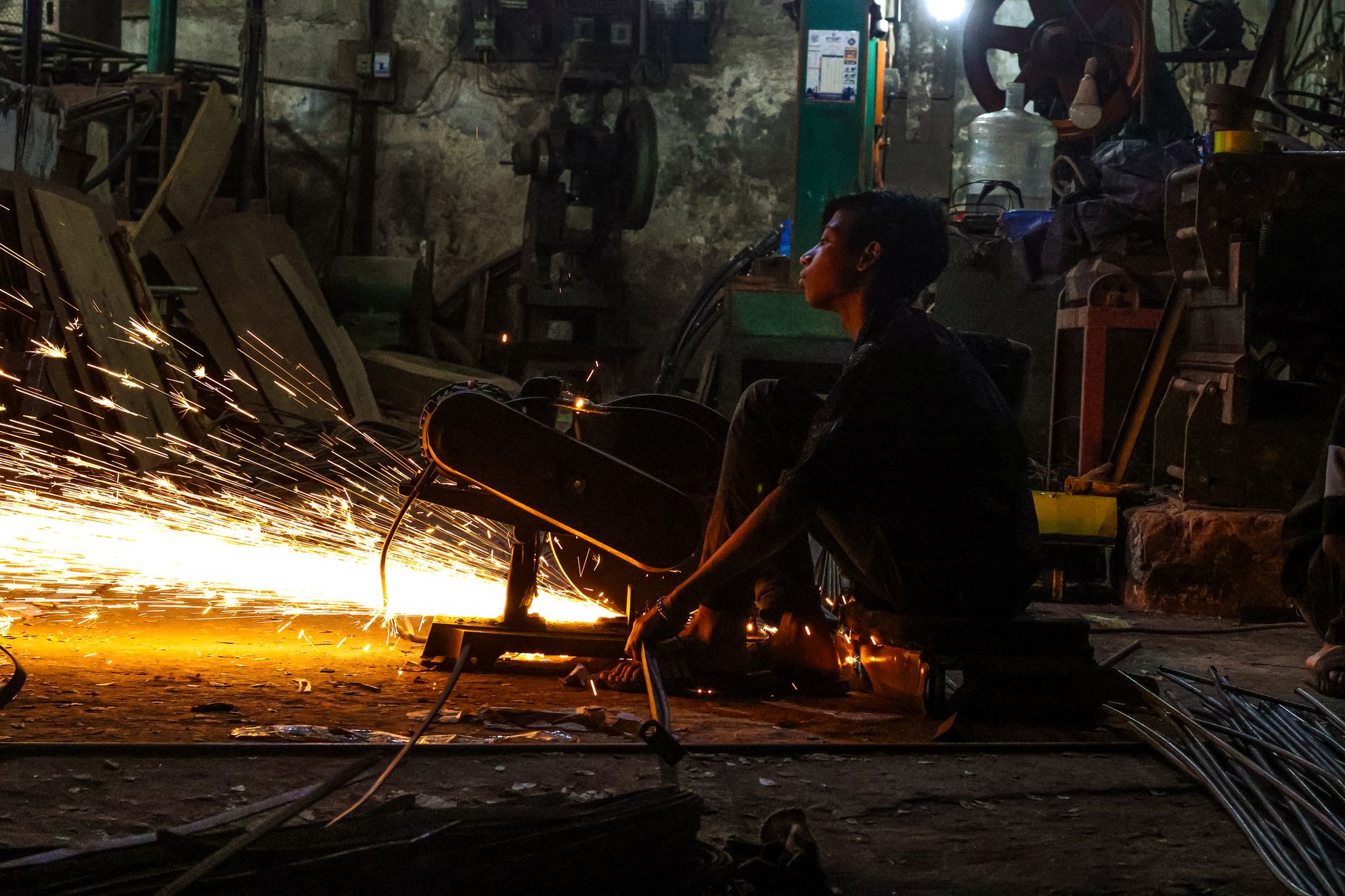
We did not find a current national injury rate for paperboard container manufacturing, so the figures here are older. A Bureau of Labor Statistics table for 2000, hosted by the New Jersey Department of Labor, lists a national incidence rate of 4.2 for corrugated and solid fiber boxes and 7.1 for paperboard containers and boxes.
A New York State table of BLS data gives 2.7 for paperboard container manufacturing, NAICS 32221, in 2012 and 2.8 in 2013. Those are state rates for a related code, not national figures for corrugated plants, and they are not recent.
Why include them at all? Converting floors put forklifts, heavy rolls and crossing staff in the same space. Fewer manual trips on fixed routes reduce how often people and loads share that space, which is a reason to look closely at the routes. It is not a claim that a robot removes injury risk. A safety review should cover stop zones, pinch points and the load handoff at each machine.
Robot adoption: how many companies already use them
According to a Peerless Research Group survey of 217 professionals involved in robotic automation, reported by Robotics 24/7 in January 2025, about 48% of companies already use robots and 32% plan to adopt within three years. The survey covers robots in general, not autonomous mobile robots, and it does not break out corrugated box plants.
Adoption figures specific to corrugated plants were not found in this research pass. The useful reading is that roughly half of the companies in that survey already have robots, so a plant that starts now is not early. A single pilot route gives the plant its own measured reference point for the next phase.
Trade reporting on box plant automation says plants are adding pre-feeders, conveyance, robots, stackers and bundlers to meet productivity goals and offset labor shortages, according to the trade article citing BLS data. That fits the cost drivers: the robot is one link in a line, so its cost depends on the rest of the line.
What a robot cannot do on a converting line
A robot on a fixed route is good at repeated moves on a known path. It is not a general handler. It cannot clear a jam on a corrugator, decide which roll to pull when a job changes, or lift a load beyond its rated capacity. It also cannot run a path that stays blocked, so staging areas need room to keep the route clear.
Irregular loads still need people or a forklift. A damaged bundle, a roll with a bent core or a pallet set outside the mapped zone needs a person to decide what happens next. Plan those exceptions into the workflow so the robot does not sit at a dead end waiting for a decision.
Some layouts need a separate study before any quote. Doors with thresholds, elevators, or floors that change level usually add engineering work. The site assessment records those points, and the route design says which moves stay on the robot and which stay with people.
How leasing through financing works and what the quote includes
Robots are leased through financing, and the payment appears in the quote, not on this page. The quote follows a free site assessment because the route count, the floor, the shifts and the integration set the scope. Those four things decide what the lease covers, so any page without them cannot give a fair figure.
A complete quote should list both what is included and what is not, so you can compare it with other offers on the same basis. It should also state what the plant provides, such as power, network access and staff time for mapping.
One practical approach is to start with one route, measure the moves and stops over a normal run, then size the next phase from that log. A first phase with one route keeps the first commitment smaller and gives the plant its own measured hours before it commits to more units.
- Lease term and payment schedule
- Robots, routes and stop points covered
- Deployment and integration with each machine
- Training block for operators, leads and maintenance staff
- Service plan, response terms and spare coverage
- What the plant provides, such as power, network and staff time
- Exclusions and insurance terms in writing
How to get a quote after a free site assessment
The fastest route to a useful quote is a site walk with the person who runs the line and the person who plans the shifts. Bring the list of machines and staging points, the shift schedule, floor drawings if they exist, and a note of the moves that cause the most trouble. Those four items let the assessment size the route without guessing.
After the assessment, the quote shows the robot count the route needs and the drivers that set it. A short route on a clean floor makes a smaller scope. A line with many stops, shared traffic or several machine interfaces makes a larger first phase and more testing time, and the quote shows that difference line by line.
We work as the integrator and the service provider for the robots we deploy, so one team handles the site, the lease and the service calls. Our service covers the whole country, so a plant outside the largest metro areas can still get on-site dispatch. Request the free site assessment when the route list is ready, and the quote will follow.
Frequently asked questions
Upcoming manufacturing events
- Trade showBrats & RobotsNov 10, 2026Alliant Energy Center Exhibition Hall, Madison, WI
- Trade showMATE Farm & Ranch ShowFeb 11 to 13, 2027MetraPark, Billings, MT
- ExpoPFMA Expo 2027Feb 17 to 18, 2027Washington County Fair Park, West Bend, WI
- ExpoLouisville Facilities Maintenance ExpoApr 15, 2027Mellwood Art Center, Louisville, KY
Want a warehouse robot at your corrugated box plant?
Tell us about your site. We will recommend the robot, quote the lease, and keep it serviced.
Sources
- Fibre Box Association 2024 annual report
- Packaging Strategies, FBA 2014 annual report
- Trade article citing BLS data on box plant automation
- BLS table hosted by New Jersey Department of Labor
- New York State BLS tables, NAICS 32221
- BLS JOLTS release
- FRED nondurable goods manufacturing separations rate
- Peerless Research Group robotics adoption survey, Robotics 24/7