
The short answer
Drone vs security guard in Minneapolis: for most businesses the practical answer is a drone for scheduled outdoor perimeter checks on large, open or hard-to-walk sites, plus fewer guard hours, not a drone in place of all staff. A drone cannot respond to an alarm, verify who is at a door, control access or handle a confrontation, so a person still has to be on duty and reachable. Before any drone patrol starts, confirm how it is offered, because Minnesota licensing for paid protective services depends on who performs the work and for whom.
Key takeaways
- A drone suits scheduled outdoor patrol, but it does not respond to alarms or handle people.
- Guard turnover is high in the industry, so fewer guard hours also means fewer open shifts to fill.
- Keep at least one person on duty at every site, with the drone as a support tool.
- Minnesota licensing turns on how a patrol is offered to others, not on the drone itself.
- Start with a free site assessment before you choose hours or coverage.
Drone or security guard in Minneapolis: when does a drone make sense?
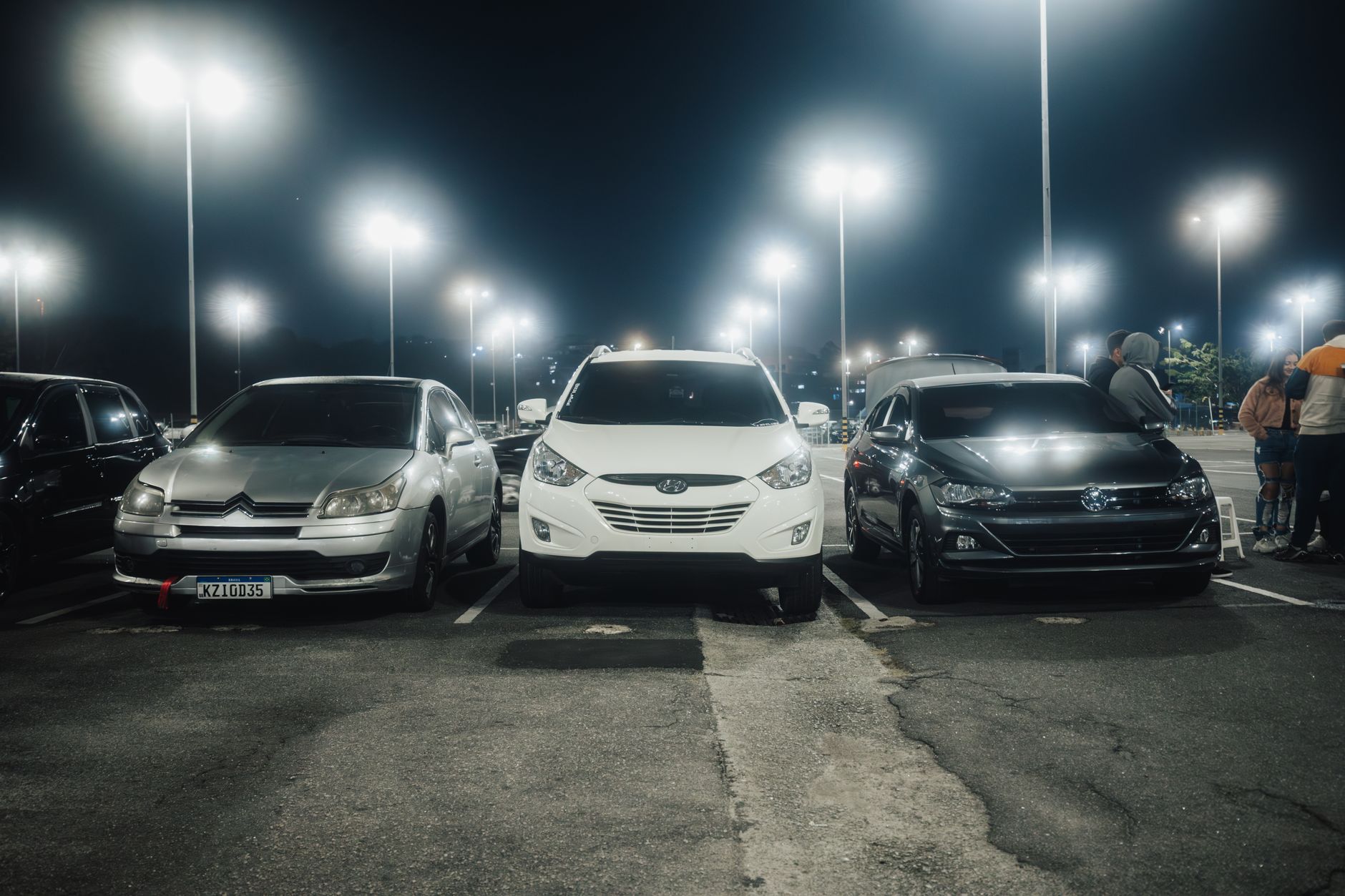
For most Minneapolis businesses, a drone changes how a guard spends the shift. It does not replace the guard. A drone makes sense when the patrol is mostly walking or driving a fixed outdoor route, such as a large parking lot, a rooftop, a fenced yard, a loading area or a long building perimeter. It makes less sense where the main job is dealing with people, which covers lobbies, reception desks, retail floors, clinics and any site where an alarm needs a person to check the door and call police.
Conditions matter here. Cold, wind, snow and low light all limit flight time, sensor quality and whether a flight can happen at all. Ask the vendor for its wind and temperature limits in writing, and test the patrol through a full winter before you rely on it. Night flight is possible under federal rules with lighting requirements, but night planning adds work that changes how many patrols a site can run.
What does a security guard actually do in a shift?
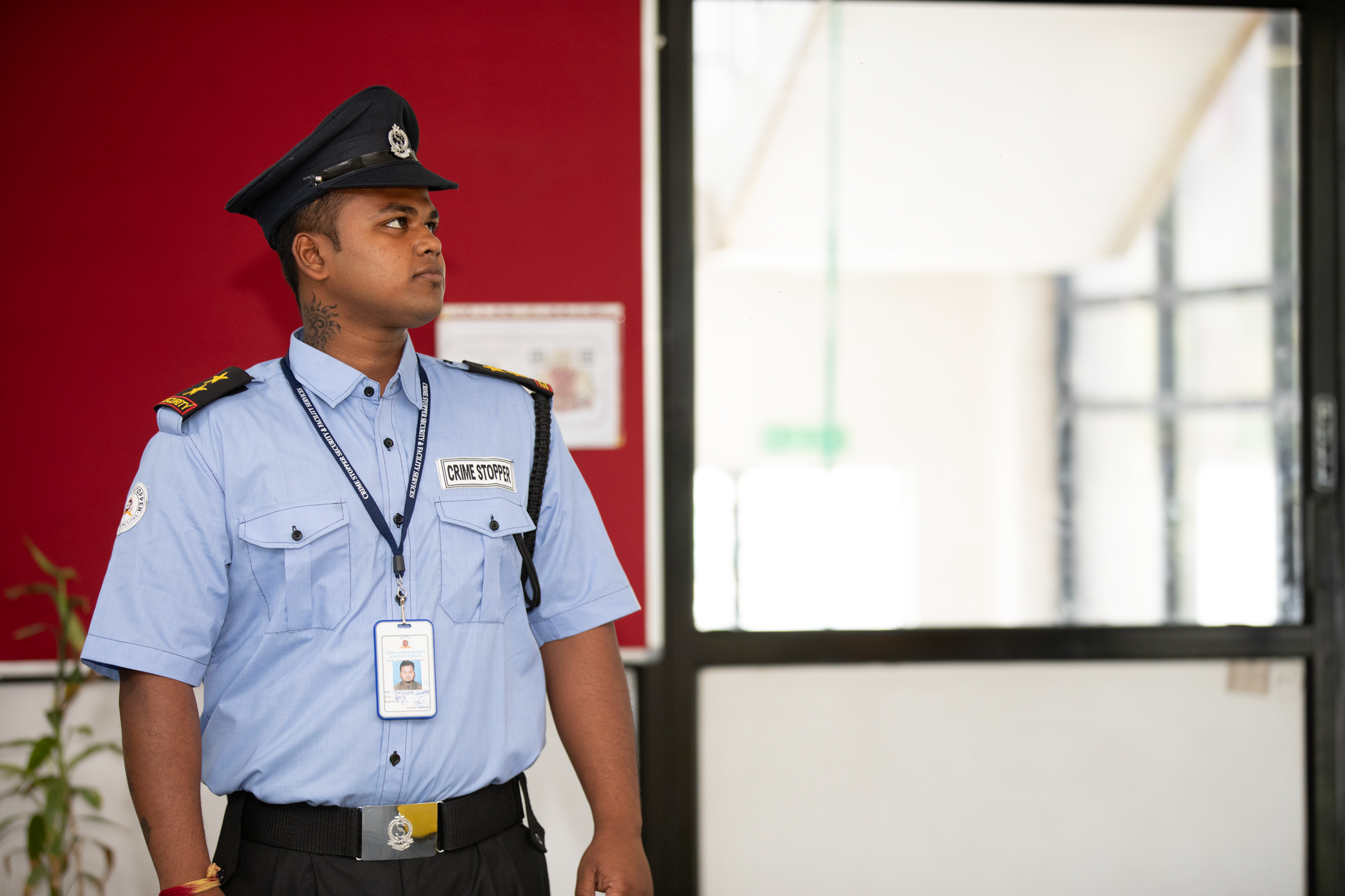
A guard's shift is usually set by post orders, which list the rounds, the gates and doors to check, the alarms to answer, the visitors to sign in and the log to keep. The walking route is only one part. Much of the shift goes to watching cameras and alarm panels, answering the front desk, checking contractors and deliveries, and writing incident reports. A drone can take over part of the route. It cannot take over the rest of the post.
The physical risk is real, and it matters when you weigh a person against a machine. According to the Bureau of Labor Statistics, the all-worker rate for nonfatal workplace violence was 2.9 DART cases per 10,000 full-time workers in 2021 to 2022, and BLS did not break out security guards in that release. An older BLS analysis of 2009 data counted 63 fatal work injuries and about 8,920 nonfatal injuries or illnesses requiring at least one day away from work among security guards. It named falls and assaults as the main nonfatal causes, and it found the fatal injury rate was more than twice the all-worker rate.
Median hourly wage, Security Guards
$5,183
Monthly cost of one full-time worker in Minneapolis, MN, at the median wage plus payroll costs (an estimate, not a quote).
Which parts can a drone take over, and which can't it?
A drone is well suited to repeated, outdoor, open-ground checks. It can fly the same aerial route at set times, look across roofs, lots, fences and yards, and send images of a gate or a light that is out. Each flight can leave a time-stamped record. That takes foot work off the guard on open ground, and it lets the guard go straight to a flagged point instead of walking the whole route to find it.
The work below stays with a person, because it depends on judgment, physical access or direct contact with people.
- Verify who is at a door, gate or loading bay
- Enter the building or respond to an alarm inside it
- Stay with an incident until police arrive
- Calm or manage a person in distress or a conflict
- Control access for visitors, contractors and deliveries
- Make the judgment calls in post orders that depend on context
- Scheduled outdoor route
Drone
Flies the same aerial route at set times and leaves a time-stamped flight log
Security Guard
Walks the route and can check what a camera cannot show, such as a latch or a tag on a gate
- Alarm response
Drone
Can fly to the location and send images, but cannot open a door or confirm who is inside
Security Guard
Goes to the door, checks it, and calls police
- Weather and light
Drone
Wind, cold, snow and low light limit flights, so check the vendor limits in writing
Security Guard
Works through weather with protective gear and shelter, within its own safety limits
- Night coverage
Drone
Can fly at night under federal rules with lighting and planning requirements
Security Guard
Can answer anything that happens on post at night, though night posts can be hard to staff
- People and conflict
Drone
Cannot talk to anyone or manage a conflict
Security Guard
Can speak to visitors, set a boundary, call for help and document what happened
- Records
Drone
Produces video and flight logs with time stamps
Security Guard
Writes incident reports and can give a statement if the matter goes further
What does the labor picture look like for guard shifts?
According to the Bureau of Labor Statistics Occupational Outlook Handbook, security guards held about 1,304,000 jobs in 2025, and the projected change from 2025 to 2035 is 1 percent, slower than average for all occupations. A labor pool that is not growing quickly means hiring for night and weekend posts stays hard in competitive markets.
Turnover is the bigger day-to-day problem. UC Berkeley Labor Center figures put annual turnover in the US security guard industry at 89 percent in 2024, against 66 percent across the private sector, and above the private-sector rate in every year for a decade. These are national industry figures, not Minneapolis figures, and they came through a research summary, so check the underlying page before you quote them.
The Minnesota Department of Employment and Economic Development (DEED) tracks the local side through its Job Vacancy Survey. It recorded more than 500 security guard openings in Minnesota in every survey since 2016, and about 580 in the fourth quarter of 2020. Those are vacancy counts, not turnover, but they show the same pattern: open posts stay open.
We did not verify figures for guard overtime, night-shift coverage or sick-day rates in Minneapolis. Those numbers often decide the case, so take them from your own timesheets. Count the uncovered shifts, overtime hours and call-outs for the last twelve months. The government wage data on this page covers the local wage for this job, but lost hours from turnover and call-outs can matter as much as the hourly rate.
How does a team work with a drone?
The workable setup is a drone plus fewer guard hours, never a drone with zero staff. At least one person stays on duty at every site, and that person receives every alert. The drone covers the scheduled outdoor route, and the guard handles the door, the alarm, the desk and the report. The guard's time shifts away from walking open ground and toward checking what the drone flags and staying reachable.
This arrangement may also reduce how much time a guard spends alone on open ground at night. That is a real benefit, but it does not remove the risk of responding to incidents, which stays with the person on post. Set the handover rules and the response times in writing before the first night.
What can a drone not do?
A drone cannot respond to an alarm in person, cannot open or check a locked door, cannot enter the building, and cannot manage a conflict. Its camera sees what the camera sees, which is often not enough to tell whether a door is latched or someone is hiding nearby.
The federal rules add their own limits. Under Part 107, routine flight beyond visual line of sight needs an individual FAA waiver. According to AIN, the FAA was still issuing these case by case in 2026. A proposed rule, Part 108, was published August 7, 2025, according to a secondary explainer, and the timing of its final version is unsettled, so do not plan a site around it yet.
Privacy is the last limit. A camera in the air sees neighbors, parking lots and public sidewalks, so set rules for what is recorded, how long it is kept and who may view it before the first flight.
Does Minnesota licensing apply to a drone patrol?
Minnesota regulates paid protective agent services through the Board of Private Detective and Protective Agent Services. According to the Minnesota House Research summary, the board licenses persons or companies that provide paid protective agent services under sections 326.32 to 326.339 of Minnesota statutes. A private entity that employs guards solely on its own property does not need a board license.
We found no Minnesota statute or rule that mentions drones or unmanned aircraft. That leaves the question of how a patrol is offered. A business flying its own drone over its own property, with its own staff, stands in a separate position from a company that sells patrol to other businesses. The board does enforce this area. According to Fox9, it identified at least 14 unlicensed companies doing private security during the 2020 unrest and warned about unlicensed personal security.
Whether a drone patrol offered by a vendor falls under the licensing depends on how the patrol is offered and who performs it. Get that answer from the board or from counsel before you sign, and do not rely on a vendor's own description of its licensing position.
How do you start, and how is the cost set?
Start with a site map, a list of the outdoor routes, the time each round takes today, and the post orders. Those four things decide whether a drone takes any real work off the guard. Keep the first step small: one site, one route, one winter of testing, and a review at the end.
We are a commercial robot integrator. We pick the right robot for a site, lease it through financing, deploy and integrate it, train the staff and service it nationwide. If a drone is the right tool for a given site, we say so plainly and point you to the right kind of partner. If a guard should stay on post, we say that too. The lease is quoted after a free site assessment, which maps the site, confirms the hours and sets the scope.
What should you check before you decide?
Confirm five things before you decide. Each one can change the answer, and each takes days to check, not months of study.
- Hours per round today, taken from post orders and timesheets
- Share of the route that is open ground or rooftop, not interior space
- Winter flight limits from the vendor, in writing
- Who would operate the drone, and whether a licensing question applies
- How many people must stay on duty at every site after the change
Frequently asked questions
Upcoming events in Minneapolis, MN
Put a robot to work in Minneapolis.
We walk your site, learn the job, and recommend the unit that fits. Then we quote the lease, deploy it, and keep it serviced.
Sources
- US Bureau of Labor Statistics, Occupational Employment and Wage Statistics (OEWS May 2024)
- Bureau of Labor Statistics, Occupational Outlook Handbook: Security Guards
- UC Berkeley Labor Center, industry turnover
- Minnesota DEED CareerForce, Jobs in demand: security guards
- Bureau of Labor Statistics, Nonfatal workplace violence 2021-2022 factsheet
- Bureau of Labor Statistics, The Economics Daily: security guard injuries (2012)
- Minnesota House Research, private detective and protective agent licensing
- Fox9, state agency warning on unlicensed private security
- AIN, FAA beyond visual line of sight overhaul