
The short answer
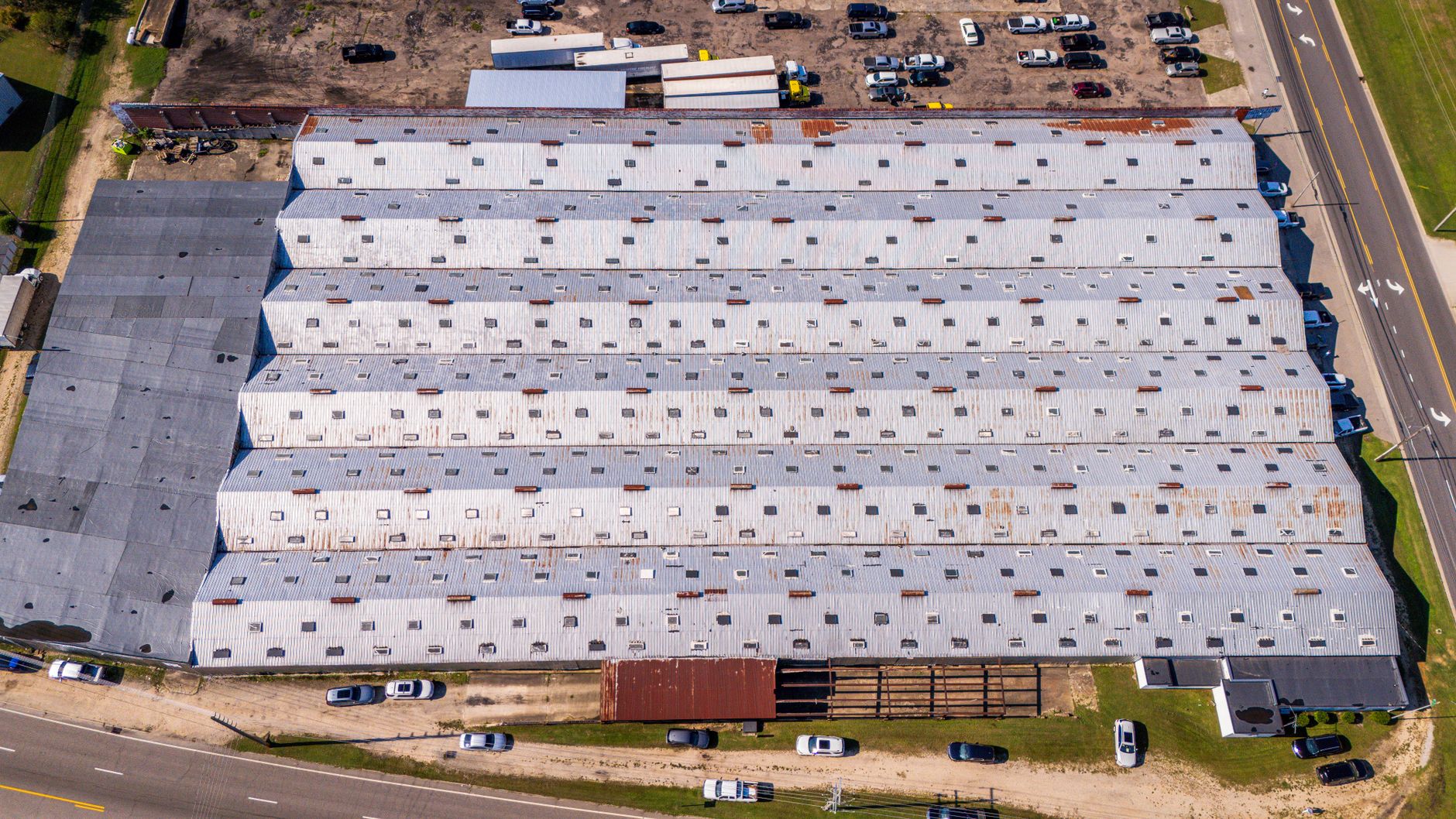
Drone vs roof inspector on a commercial roof comes down to what the walk is for. A drone fits the routine photo pass over the membrane, flashing and drains, keeping people off the roof edge for that check, while a roof inspector is still needed for hands-on testing, flagged areas and sign-off. A drone does not make sense where the work is probing, measuring or repairing, on roofs crowded with equipment, or where local flight rules cannot be met.
Key takeaways
- A drone fits the routine photo pass on flat roofs, and a person still handles hands-on checks and flagged areas.
- Falls are the leading cause of roofing worker deaths, so every edge visit removed lowers exposure.
- The common inspection schedule is at least twice a year, plus checks after major storms.
- Drone time figures come from vendors and have not been independently verified.
- Settle the route, the review process and the visits that still need a person before deciding.
Drone vs roof inspector: which fits a commercial roof?
For most commercial flat and low-slope roofs, a drone fits the routine photo pass and a roof inspector still fits the hands-on work. The drone is useful when the question is whether the membrane, flashing and drains look the way they did on the last visit. It flies the same route each time and sends photos for review, so no one has to stand at the roof edge for that pass. It is the wrong tool for finding out why a seam failed, probing for wet insulation or signing off on a repair.
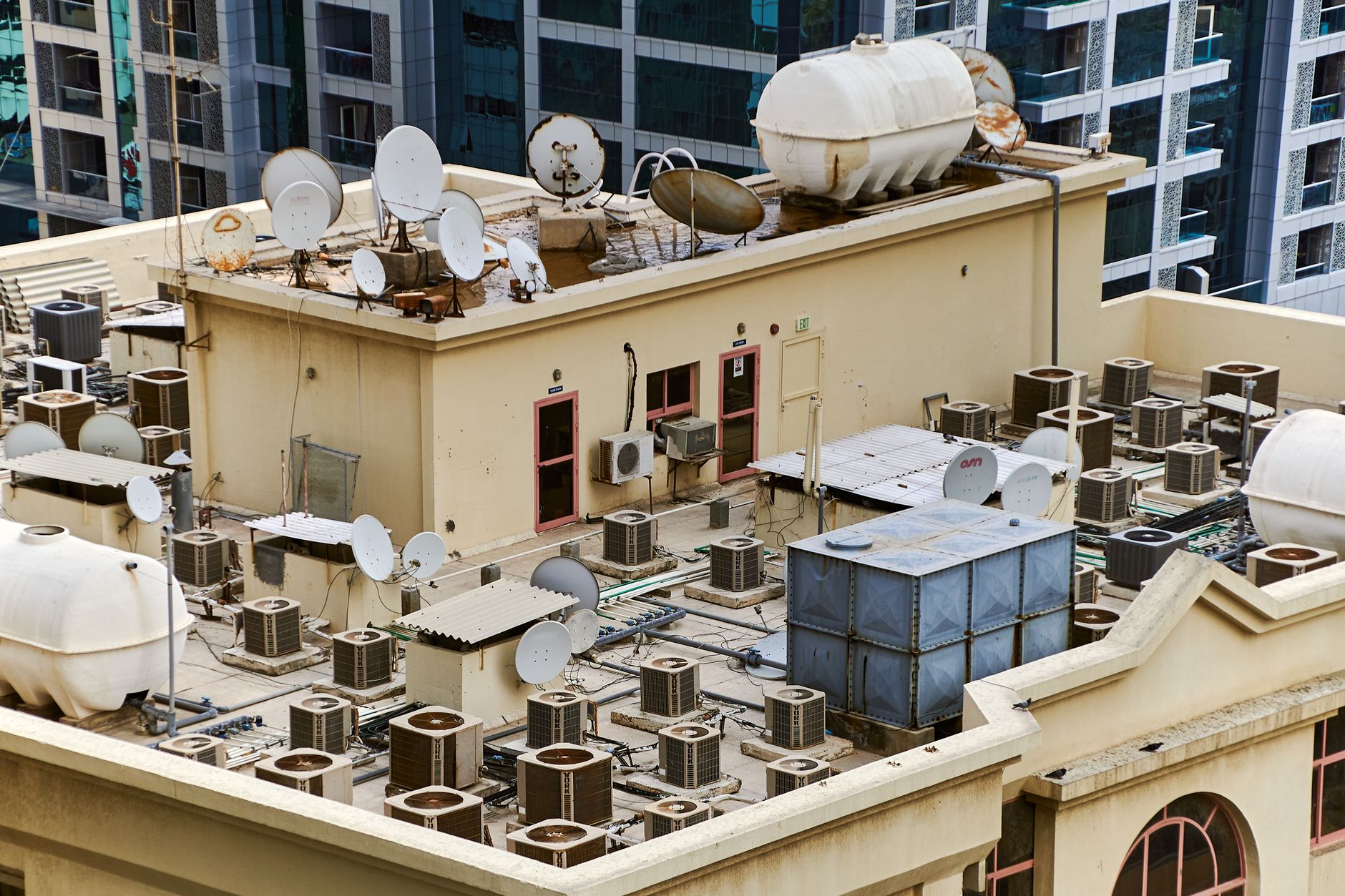
A drone makes less sense on roofs with dense rooftop equipment, many overhead obstacles, or sites where local flight rules cannot be met. In those cases a person still walks the roof, but the route can be shorter and the person can be sent only to flagged areas. The decision is less about which option is better and more about how much of the walk can be moved to the air.
Why does roof fall risk change how often roofs get checked?
Falls are the main cause of death in roofing work, and that shapes how often a roof is walked. According to a roofing trade publication citing BLS fatality data, falls caused 96 of 120 worker deaths at roofing contractors in 2024. The same publication reported a 2024 roofer fatal injury rate of 48.7 per 100,000 full-time workers. That rate is secondhand and was not checked against the BLS release, so treat it as a trade figure rather than an official one.
Older federal-data analysis points the same way. According to a BLS-based analysis hosted by ELCOSH covering 1992 to 1998, falls from roof edges were 70 percent of work-related fall deaths for residential roofers. That data is dated, but newer trade figures still show falls as the leading cause. According to a CDC-hosted study, 67 percent of roof-related deaths occurred at establishments with 1 to 10 employees, so small crews carry much of the exposure.
Inspection frequency is the other half of the picture. According to NRCA guidance reported in a 2013 trade article, building managers should inspect roof systems at least twice a year, ideally in spring and fall, and after hurricanes, tornadoes or hailstorms. NRCA also says inexperienced staff should not walk roofs without experience and proper equipment. We did not find NRCA's newest version of that guidance in this review, so the 2013 text is the one cited here. Some contractors suggest quarterly visits for high-exposure roofs, but that is a contractor claim, not an authoritative source.
The exposure is simple to count. Every visit that needs a person at the edge carries fall risk, and a roof on a twice-a-year schedule with storm checks has several such visits a year. A drone does not remove the need for a person, but it can take the routine pass off the edge.
What does a roof inspector actually do in a shift?
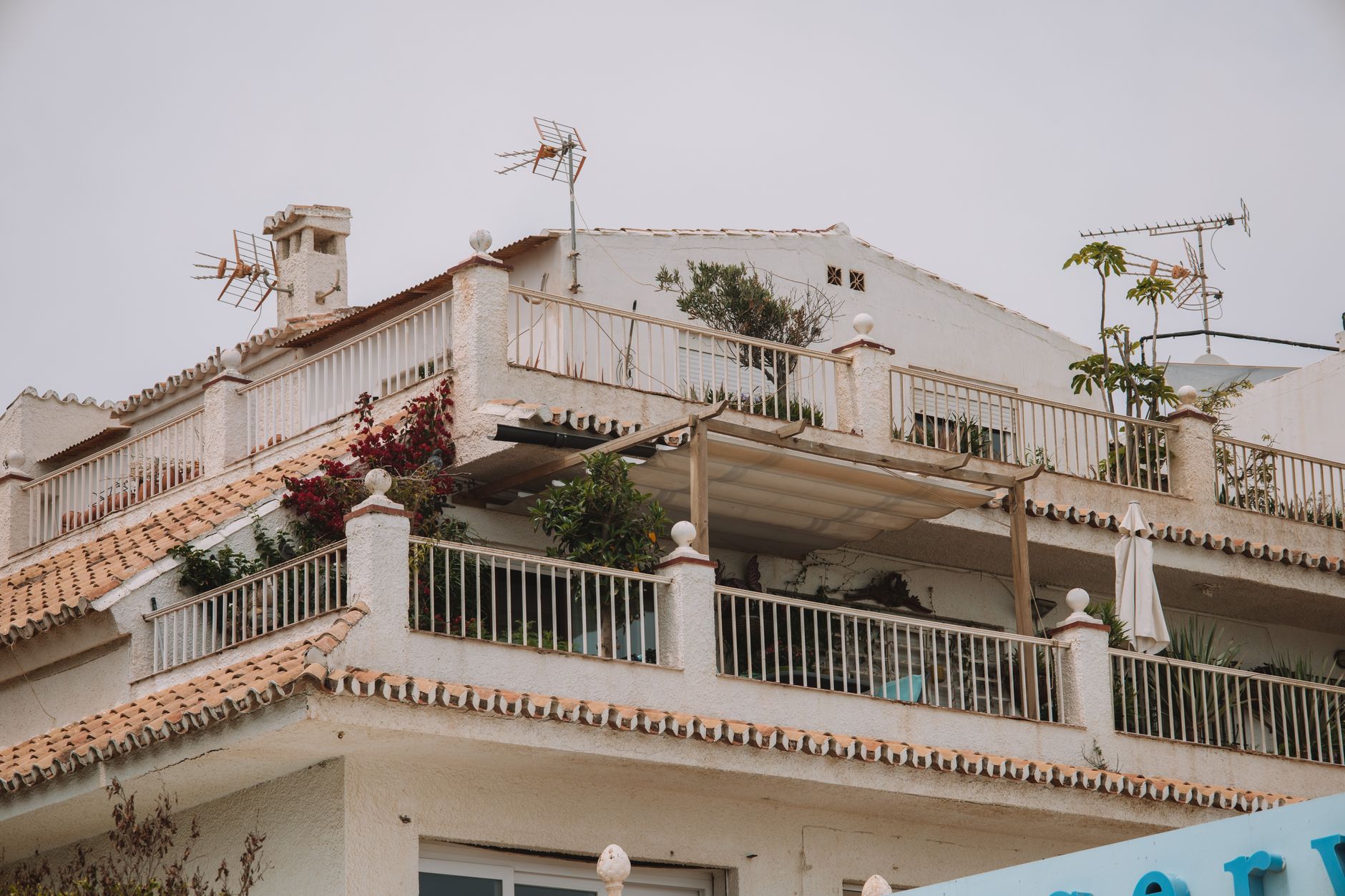
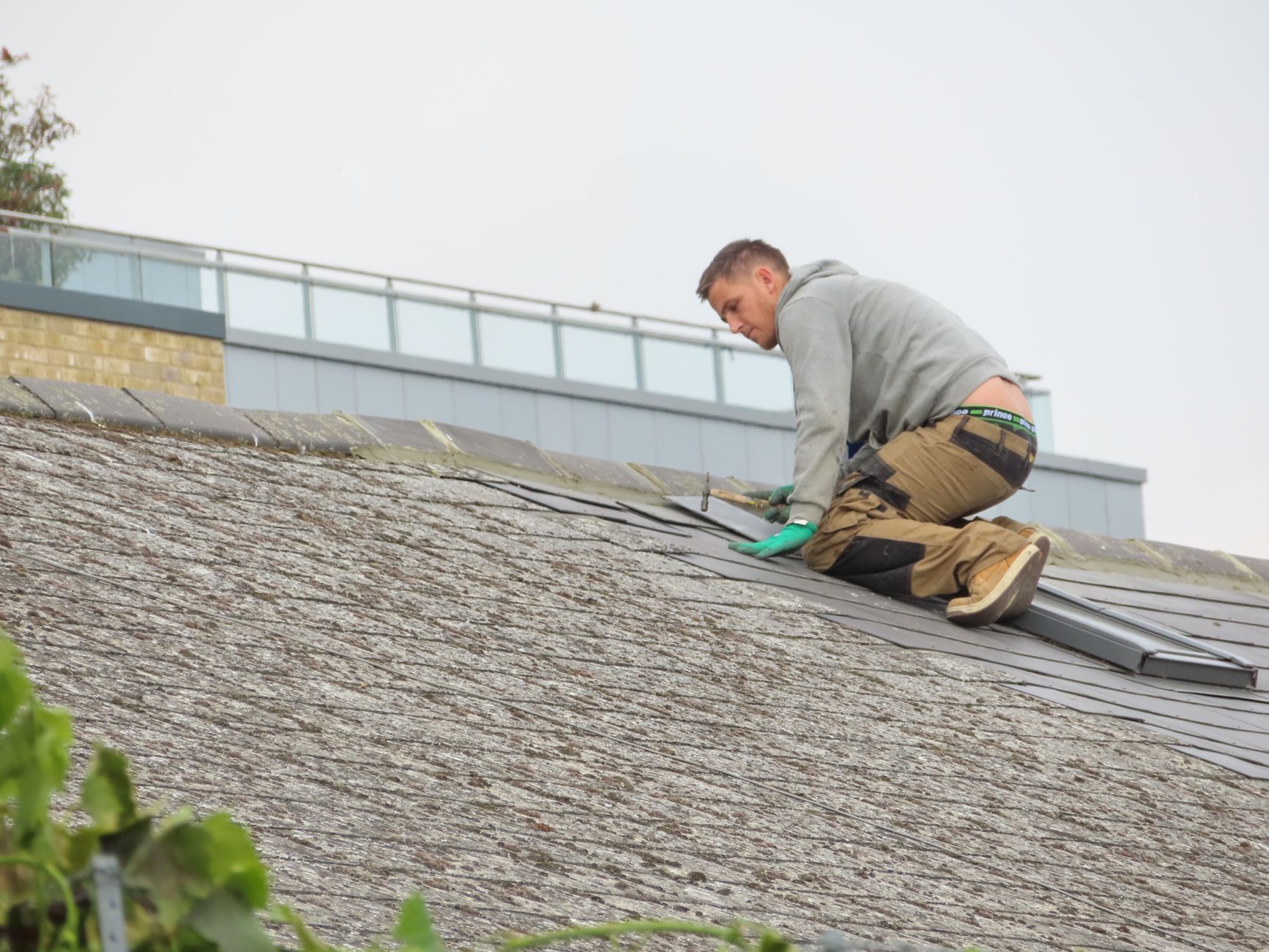
A commercial roof inspection is mostly walking and setup. The inspector reaches the roof, sets up access, puts on fall protection, walks the field and the perimeter, and checks flashing at walls, curbs and penetrations. Drains and scuppers get a look for ponding and debris, and any suspect area gets a closer test by hand or with a moisture meter. Notes and photos are taken on the roof, and the route has to be walked the same way each time so that the photos can be compared.
Much of the shift is transit and setup rather than inspection. A drone vendor blog estimates that a manual inspection project takes 2 to 4 hours, but that figure has not been verified independently. What does not change is the judgment: the inspector decides whether a blister is cosmetic or the start of a leak, and whether a flashing lap is open or only dirty. That judgment is the part a drone cannot take over.
- Route repeatability
Drone
Flies the same route each visit, so photos line up
Roof Inspector
Walks a route that varies with the inspector and the access point
- Fall exposure
Drone
Keeps the routine pass off the roof edge
Roof Inspector
Needs fall protection and a harness at the edge
- Judging a soft spot
Drone
Cannot press, probe or test the membrane
Roof Inspector
Can press, probe and test the area by hand
- Rooftop obstacles and tight corners
Drone
Limited where equipment blocks the camera view
Roof Inspector
Can step around equipment and check hidden corners
- Weather and light
Drone
Limited by wind, rain, low light and heat
Roof Inspector
Can judge what to check on the day, within safety rules
Which parts of a commercial roof can a drone check, and which can't it?
A drone can take a repeatable pass over the membrane and flashing, and send photos for review. That is the same visual check an inspector does while walking the roof, done from above along a fixed route. It works best on the open field of a low-slope roof and on flashing the camera can see from overhead. It is weakest where the flashing face is blocked, where a parapet hides detail, and where the photo angle is too low for a reviewer to read.
A useful way to plan is to split the roof into zones. The drone takes the open field, the drains and the visible flashing lines. A person walks the zones the camera cannot judge, such as tight corners behind equipment and any spot the photos flag.
- Can take: open membrane field, visible seams, surface ponding, drain and scupper views
- Cannot take: probing soft spots, testing seams by hand, measuring wet insulation, checking fasteners
How many hours and how much labor does a roof check take?
Labor data for this exact job is thin. According to the BLS Occupational Outlook Handbook, about 166,700 roofer jobs existed in 2024, and the BLS projects 6 percent growth for 2024 to 2034, about 9,800 new jobs. For construction and building inspectors, the BLS counted about 147,600 jobs in 2024 and projects a 1 percent decline, about 1,200 fewer jobs over the decade. These are national occupation totals, not roof-visit hours, and they do not separate roof work from other inspection work.
Turnover, overtime, night-shift and sick-day figures for roof inspectors were not found in this review, so this page does not state them. The question is best answered on your own roof: how many visits a year, how long each one takes, and how many people go up for each. The drone figures in circulation are a flight of about 10 to 20 minutes against 2 to 4 hours per manual project, both from a vendor blog. No independent study comparing drone and walking inspection time was found.
Even with a drone, the visit does not disappear. A person still goes up after a storm, and still goes up when the photos show a change. What moves is how often a person has to be on the edge and how much of the work is done at a desk.
How does a team work with a drone on a roof?
The working model is a drone plus a person, never a drone instead of the team. The drone flies the routine pass, a trained reviewer goes through the photo set, and a roof person is sent only to flagged areas. The inspector's time shifts from the field to review and targeted visits. A reviewer still needs roof knowledge to judge what a photo shows, so the people who review should have walked roofs before.
Our team picks the right aerial unit for the site, leases it through financing, deploys and integrates it, trains the staff who fly and review it, and services it nationwide. The lease is quoted after a free site assessment, so the first step is the roof itself rather than a list price. Staff keep the fall-protection training they need for the visits that still require a walk.
What can't a drone do on a commercial roof?
A drone cannot put a hand on a soft spot, probe a seam, measure wet insulation or test a fastener. It cannot see under a covered lap or inside a blocked drain. Wind, rain, low light and heat can limit the photos, and a camera from above may miss edge detail where a parapet blocks the view.
Flight is also limited by rules. Commercial drone flights in the US fall under Part 107 for small drones, and the pilot needs a Remote Pilot Certificate. According to a university extension guide dated May 2026, the certificate does not expire, but the Part 107 aeronautical knowledge must be renewed every 24 calendar months, and that refresher training is available online. Airspace limits, building owner permission and site rules still apply on top of that.
A drone pass also does not replace the person who signs the roof report. If the photos show a change, someone still has to walk the roof to confirm the cause.
How do we get started with a roof drone program?
Start with a roof map and the questions the photos must answer. List the roof areas, parapets, equipment, drains and flashing that matter most. Decide the route the drone must repeat, because comparison between visits only works if the route is the same each time. Then set the plan for the visits that still need a person: who goes up, how they are protected, and how often.
The site assessment is where the decision gets tested. It checks roof layout, flight rules, obstacles and the review process before any lease is quoted. A pilot on one building is often the simplest way to learn what a team actually needs, and it shows whether the photo pass reduces walks or only adds review work. The lease is quoted after that assessment, with no hidden fees, and our team handles deployment, staff training and nationwide service after go live.
Frequently asked questions
Want a drone at your commercial roof?
Tell us about your site. We will recommend the robot, quote the lease, and keep it serviced.
Sources
- BLS Occupational Outlook Handbook: Roofers
- BLS Occupational Outlook Handbook: Construction and Building Inspectors
- Roofing Contractor: Top 10 Most Dangerous Jobs in the US 2024
- ELCOSH: Causes of Roofer Deaths
- Professional Roofing: NRCA Tech Today, 2013
- Dart Drones: Drones for Roofing
- University of Maryland Extension: FAA Part 107 Certification and Drone Registration Guide
- CDC Stacks: Roof-related deaths study