
The short answer
Cobot vs manual packer at a tortilla plant comes down to whether the packing station repeats one motion at a steady speed. A cobot makes sense for that fixed station, while a manual packer still wins when the product mix changes often, the pieces vary in shape or fragility, or each pack needs a judgment call. For most plants the practical answer is a cobot working one station alongside fewer packers, not a cobot replacing the whole crew, and a free site assessment shows which case applies before any lease is quoted.
Key takeaways
- A cobot fits one fixed station with a repeated pick-and-pack motion, while a manual packer fits changing product and judgment calls.
- Plan for a cobot plus fewer packers at the station, never for zero staff.
- No tortilla-specific turnover figure is published, so measure your own quits, overtime and night shifts first.
- Public injury data for food manufacturing is reported per 100 full-time workers, which gives you a baseline to compare against your own log.
- A free site assessment comes before any lease is quoted.
Cobot vs manual packer: which makes sense at a tortilla plant?
The short version is that a cobot earns its place where the same packing motion repeats at a fixed station speed, and a manual packer earns its place where the work keeps changing. A line that runs one product for long stretches gives a cobot the steady pattern it needs. The trouble starts when a plant runs many sizes, counts or pack formats in the same week, because every change asks the robot to be re-set and checked.
A cobot is a good fit when the station has a steady infeed, a predictable pick location and a bag or tray pattern that does not change. It is a poor fit when the packer also inspects every piece, handles several package formats each shift, or works a station whose layout changes every few days. Most plants land between those two cases, which is why the decision should start with one station rather than the whole packing room.
The realistic outcome is a cobot working one station, with fewer packers on the rest of the line doing changeovers, exceptions and quality checks. A cobot does not remove the need for trained people.
- Pace on a steady infeed
Cobot
Holds one repeated pick-and-pack pace for long runs when the infeed is steady
Manual Packer
Pace varies with fatigue and breaks, but a person can speed up or slow down as the line requires
- Product changeovers
Cobot
Needs setup or re-teaching for each format, so changes are planned rather than quick
Manual Packer
Adjusts to a new format with little setup, though it still takes time to learn the new pack
- Soft or uneven pieces
Cobot
Gripper design limits what it can handle, and a damaged piece needs a defined reject rule
Manual Packer
Notices tears, misshapen pieces and stacking problems by sight and touch
- Night and weekend coverage
Cobot
Can run a fixed station through a shift without breaks, but still needs a trained person on call for stops
Manual Packer
Needs a schedule, breaks and cover for every absence
- Judgment and exceptions
Cobot
Follows its written rules and stops or repeats errors on anything outside its pattern
Manual Packer
Decides what to do with a jam, a short case or a bad bag
- Training effort
Cobot
Setup and training are done once per format, with the integrator's team
Manual Packer
Training is ongoing for every new hire and every new format
What does a manual packer actually do in a shift at a tortilla plant?
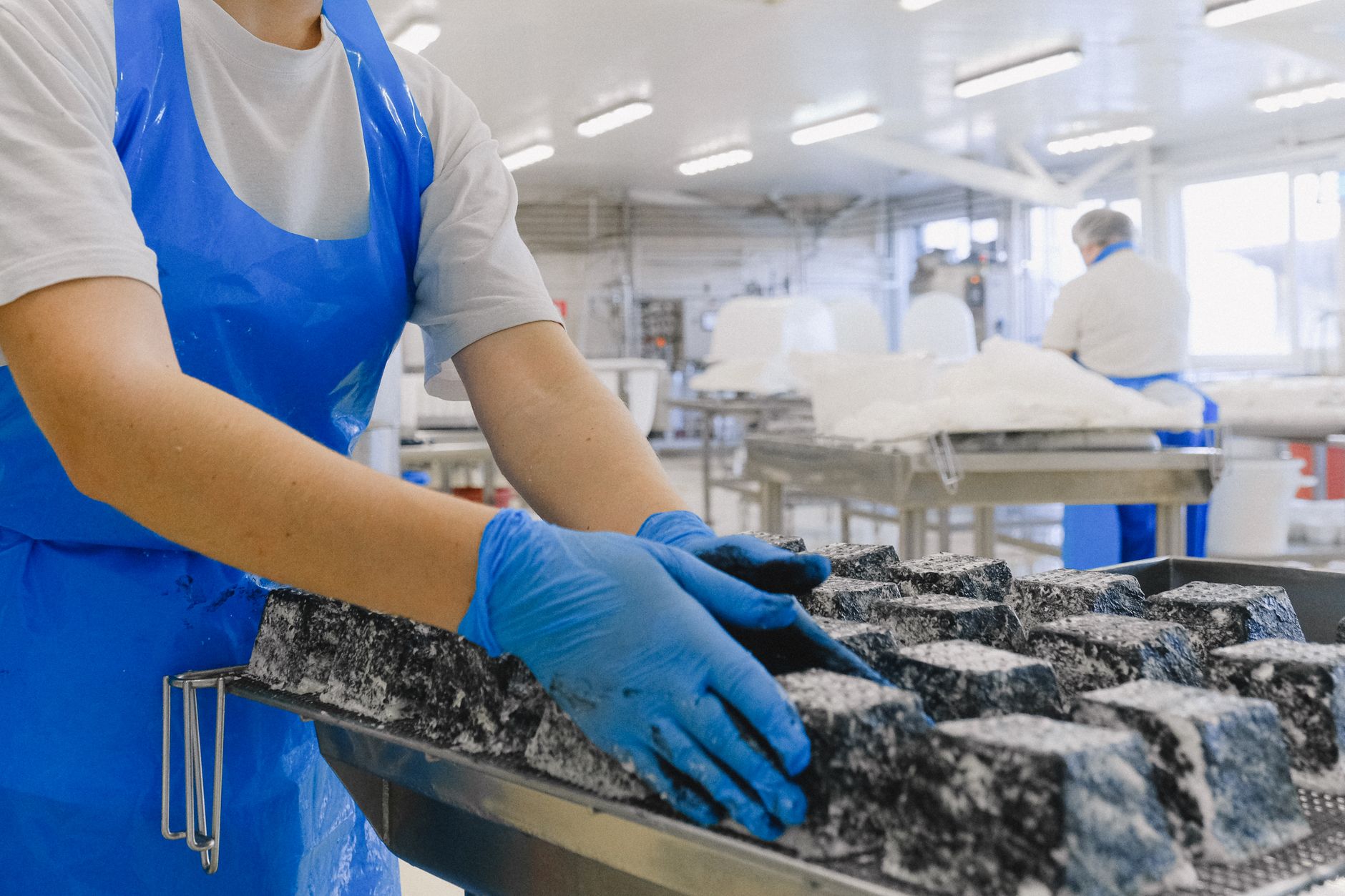
A manual packer at a tortilla plant usually does more than bag product. The work typically includes taking product off the line or a conveyor, counting or weighing it into a bag or tray, checking seals and labels, pulling out damaged pieces and loading finished packs into cases. Some plants add stacking, case closing and staging on pallets. Each step is simple alone, but together they demand constant attention to speed and to what goes into each pack.
How many hours of packing a shift takes depends on the line rate, the number of pack formats and how many people run each station. We did not find a public source that gives typical packing hours per shift for tortilla plants, so that number has to come from your own time study. Record actual packing time, stops, changeovers and rework over a normal week, not a clean demonstration run.
Ask the crew what slows them down. Changeovers, small jams, short cases and product that arrives out of spec often cost more time than the packing motion itself. That is where the cobot decision is really made, because those are the parts a robot handles least well.
Which packing tasks can a cobot take, and which can it not?
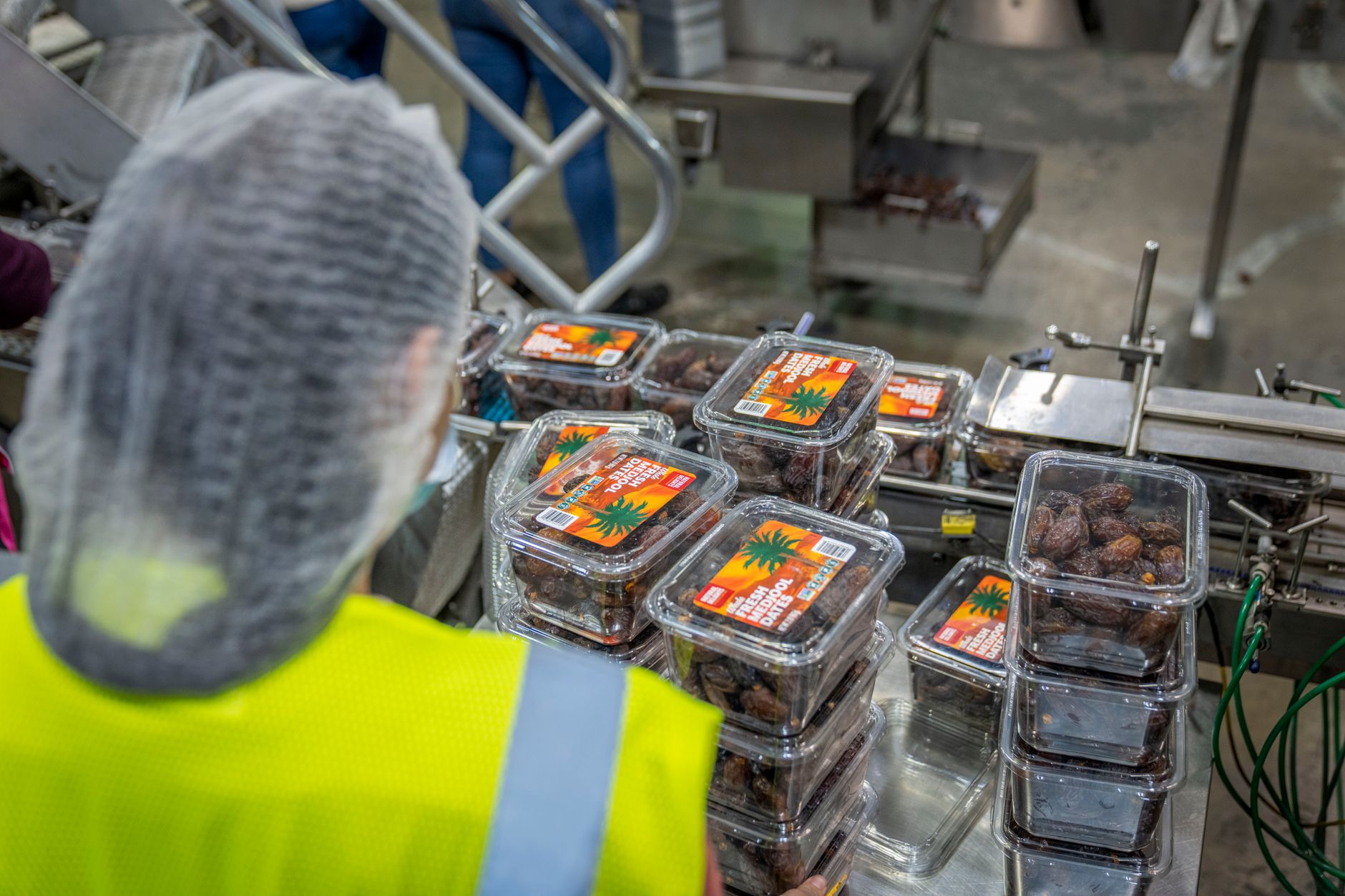
A cobot does best with picks and places that happen in the same spot, with the same grip, at a steady rate. At a tortilla station that often means taking packs or stacks from a fixed infeed, placing them into a bag, tray or carton in a set pattern, and handing the pack to a sealer or case station. The robot works well when the product arrives in the same position and orientation every cycle.
Tasks that stay with people are the ones that depend on judgment or variation. That includes checking each pack for tears or underfill, deciding what to do with a jam, setting up a new format, clearing a line stop and managing product flow upstream. Heavy cleaning, wet-area sanitation and any task that moves around the whole plant also sit outside the cobot's job.
Splitting the station this way shows exactly what a robot can take. It also shows what remains with the packer, which is usually the checking, changeover and exception work that a line cannot run without.
What kind of plant is this, and how many tortilla plants are there?
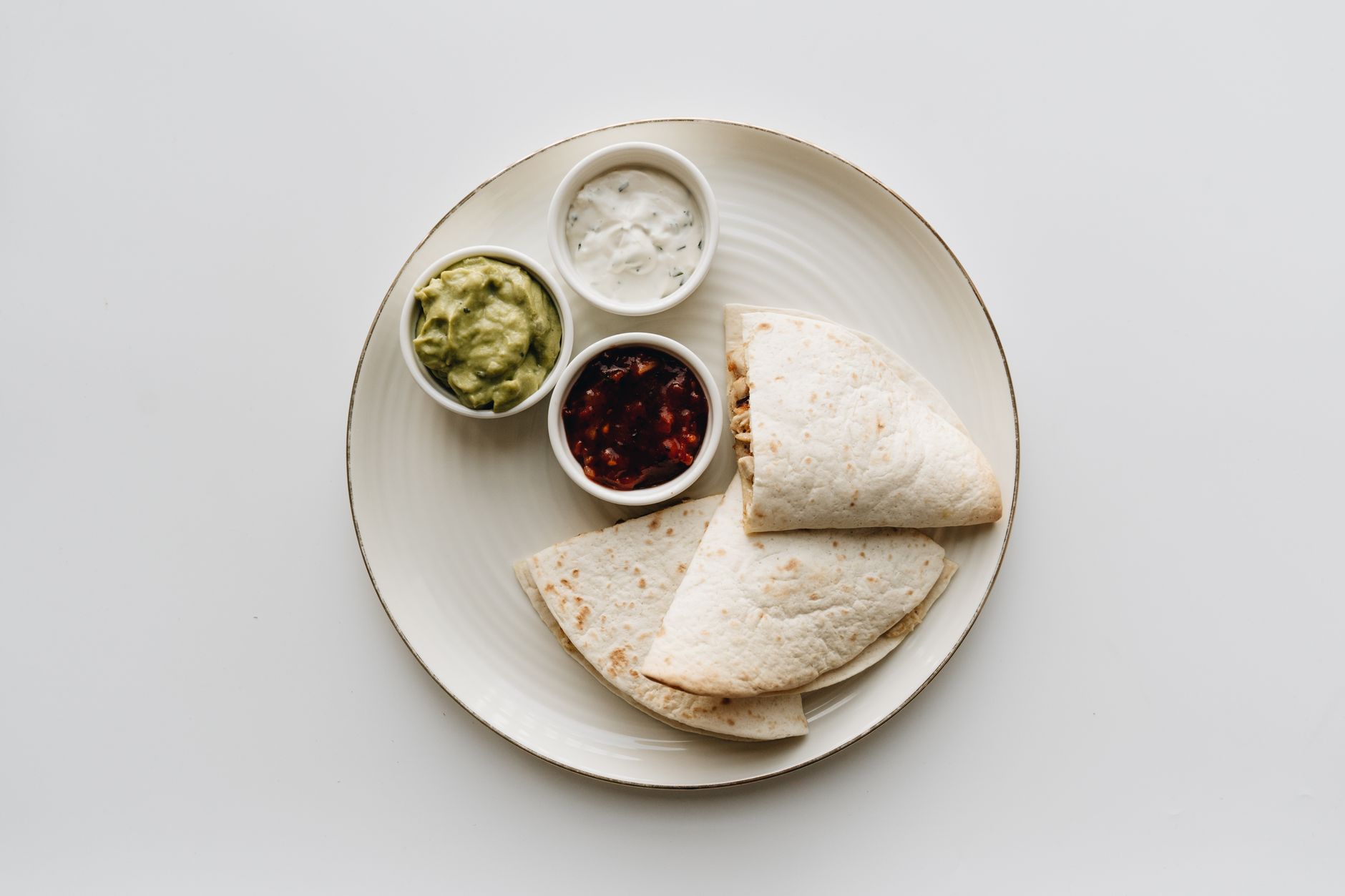
Tortilla manufacturing falls under the federal industry code 311830. The most recent establishment count we found for that code is old. According to the 1997 Economic Census, as archived by the U.S. Census Bureau, there were 235 establishments and about 11,343 employees. That is useful as history but too old to size the market today, and we did not find a current count to replace it.
A more recent figure is the workforce. According to NAICSList, citing the U.S. Census, 20,574 people worked in this industry in 2020. That number covers the whole code, from small shops to large plants, so it describes the workforce in aggregate rather than any one line.
The practical point is that plants differ widely in size and format count. A high-volume plant running one product for long shifts is a different case from a multi-format plant with frequent changeovers, and the robot decision follows that difference.
What do labor and turnover data say about packing jobs?
The occupation closest to manual packing is packaging and filling machine operator. According to O*NET Online, employment in that occupation was 381,200 in 2024, with 398,200 projected for 2034. O*NET currently labels the occupation a Bright Outlook, though older archived labels said otherwise, so check the current listing before citing it.
Turnover is where the gap is. We did not find a turnover figure for tortilla or food packing workers. The closest federal measure we found is the Bureau of Labor Statistics Job Openings and Labor Turnover Survey, which reported 38.0 million total quits and a 2.0 percent quits rate across all industries for 2025, according to Trading Economics. For manufacturing, one recent month showed 172,000 quits and a 1.4 percent quits rate, with 92,000 quits in nondurable goods, a group that includes food, according to Manufacturing Dive. That source does not identify the month, so treat it as a range rather than a benchmark.
Overtime, night shifts and sick days are the numbers that show whether a packing station is short-staffed, and none of them are published for tortilla plants in the sources we found. Pull them from your own timekeeping for the last twelve months and compare shift by shift. A station that runs overtime every weekend presents a different case from one that is merely busy.
How does a team work with a cobot on the packing line?
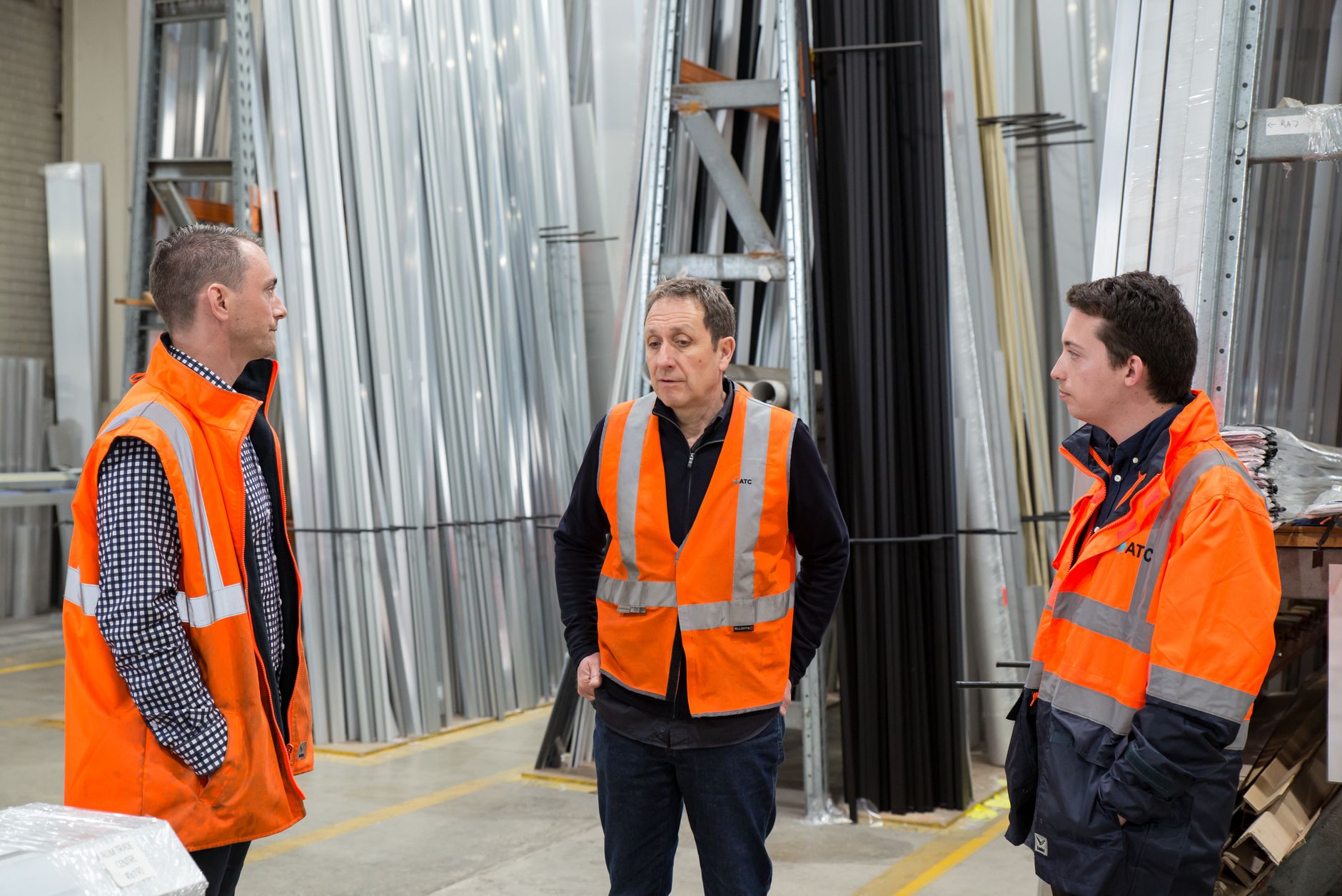
A cobot changes the work of the crew, not whether the crew exists. The robot takes the repeated pick and place at one station. People stay on the line to load the infeed, watch seal and label quality, handle changeovers, clear stops and keep the station clean and inspected. In most plants that means a robot plus fewer packers, with the remaining staff moved toward exception and quality work.
Training is the part that decides how the shift goes. Operators need to know how to stop the cell, clear a fault, recognize a bad pack and call for help. Our team trains the people who run the station, sets the stop rules with them and supports the crew through the first weeks of live running. Written stop and restart procedures matter as much as the hardware.
Plan for both the scheduled shift and the unscheduled gap. A cobot still needs a trained person at the station whenever it runs, including nights, weekends and days when someone is out. Staffing the station with no people is not a plan we support, and it is not how a food line should run.
What can a cobot not do well at a tortilla plant?
The honest limit is variation. A cobot repeats a motion well and handles change poorly. Each new format usually needs setup, testing and sometimes a new grip, so a plant that changes packs several times a shift will spend robot time on setup that a person would not need. Soft and uneven product adds risk, because a grip that works on one piece may fail on the next.
Judgment is the second limit. A cobot does not decide whether a pack is acceptable, whether a tear is a reject or whether a short case goes back to the line. It follows the rules it was given. If a rule is wrong, the robot repeats the mistake faster than a person would, which is why the reject rules need to be written before go-live.
Third, the robot is one part of a station. It does not clean the room, manage the bag supply upstream, coordinate the line or cover absences. If the business case depends on a robot removing a whole shift, the case is probably wrong. The cobot vs manual packer comparison is strongest when the robot takes one defined job.
What do injury rates show for food packing work?
Injury data for food manufacturing is published, but not for packaging workers alone. According to the California Department of Industrial Relations, food manufacturing (NAICS 311) recorded 6.4 total recordable cases in 2024, and 5.0 for cases with days away, job transfer or restriction. The column labels were inferred from the table layout, so confirm them against the source before quoting them.
According to the Washington State Department of Labor and Industries, food manufacturing recorded a 2024 total recordable case rate of 4.9 per 100 full-time workers. Those rates describe the whole plant, not the packing station, so use them as a baseline and compare them with your own log.
Nationally, a JJ Keller summary of federal injury data reports that private industry recorded 2.5 million nonfatal injuries and illnesses in 2024, the lowest since 2003. State and national totals do not show which task caused an injury. Repetitive packing motions are a common reason stations get a closer look, so pull your own incident log by station and task before deciding.
How do you start a cobot evaluation at a tortilla plant?
Start with one station, not the whole packing room. Choose the station with the steadiest infeed, the fewest format changes and the most overtime or injury history. Map it, including infeed height, pack size range, case footprint, power and the written changeover steps. That map is the first thing our site assessment reviews.
We work in order: site assessment and mapping, robot selection for your station, financing through a lease, deployment and integration, staff training, and service after go-live. We service robots nationwide, and the lease quote follows the site assessment, once the station's requirements are known.
Before any decision, define success in your own numbers: fewer hand-pack hours on the station, fewer injuries, less overtime, and a crew that can cover the station on a bad day. Then run the pilot long enough to see a normal week, including at least one changeover.
Frequently asked questions
Want a cobot at your tortilla plant?
Tell us about your site. We will recommend the robot, quote the lease, and keep it serviced.