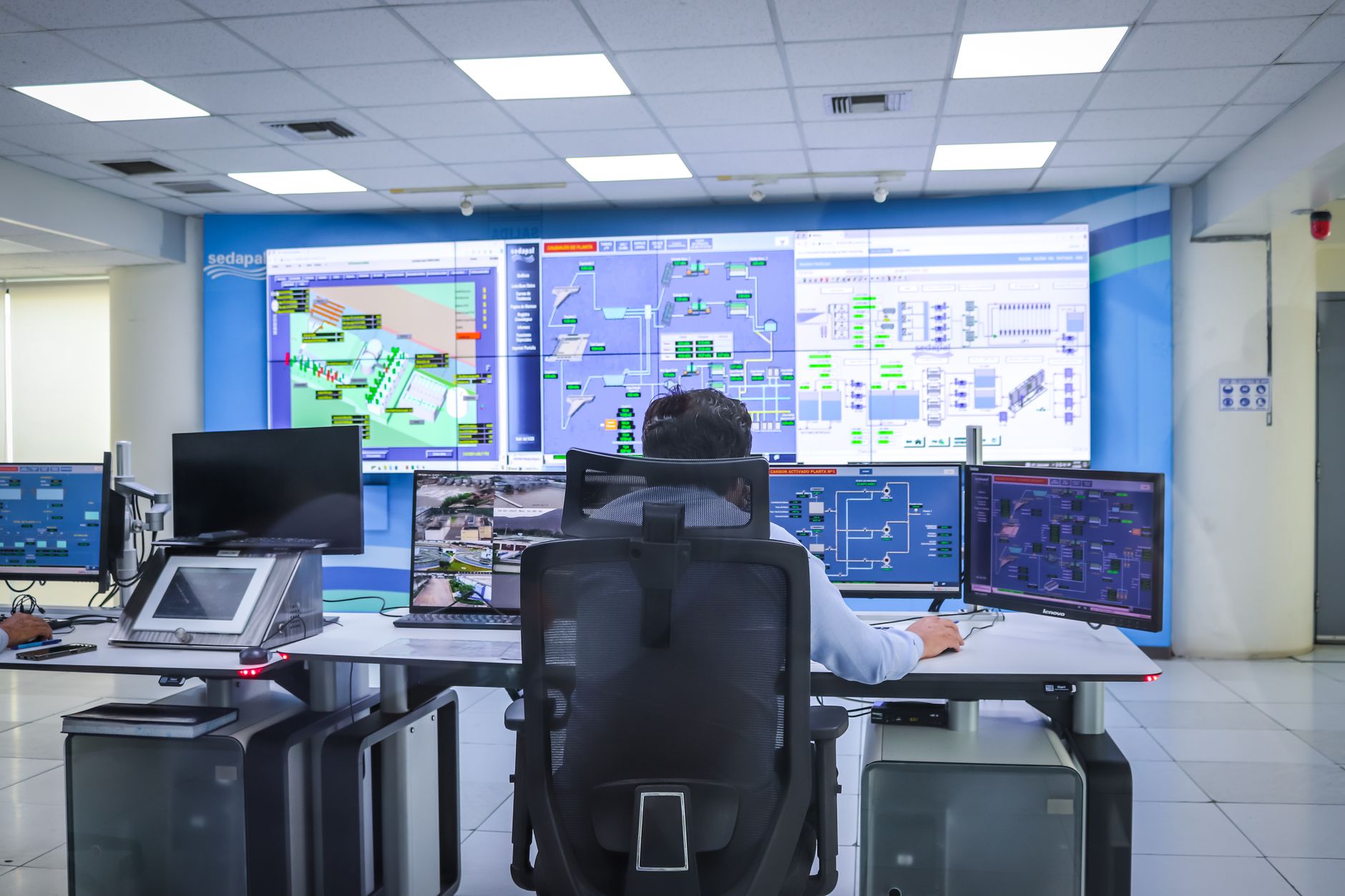
an operator managing three representative data centers
Data Center Inspection Case Study: 51.6% Efficiency Gain
A documented three-site data center deployment lifted inspection efficiency 51.6 percent, raised patrols to 12 a day, and put reports on demand.
- 51.6%
- Inspection-efficiency gain
- 12/day
- Peak patrol frequency
- 600%
- Patrol coverage increase
- >75%
- Report prep time cut
Based on a documented real-world deployment. Figures are from public reporting; the organization is not named.

Routine inspection had become a thin-coverage, high-effort job
The operator was dealing with a stubborn inspection burden: repetitive patrols, dense equipment layouts, and a constant need to catch thermal and visual anomalies before they turned into larger operational problems. Manual rounds could cover the ground, but they did so on a thin cadence and with a heavy human workload attached.
In the documented deployment, inspections were conducted twice per day. Monthly statistical reporting then pulled skilled staff into about 4 days of manual compilation, which meant routine observation and clerical cleanup were competing with higher-value maintenance work.
- Manual patrols ran twice per day.
- Monthly report compilation consumed about 4 days of staff effort.
- The operation needed more frequent visibility without adding more repetitive rounds.
The rollout centered on mapping first, then autonomous task execution
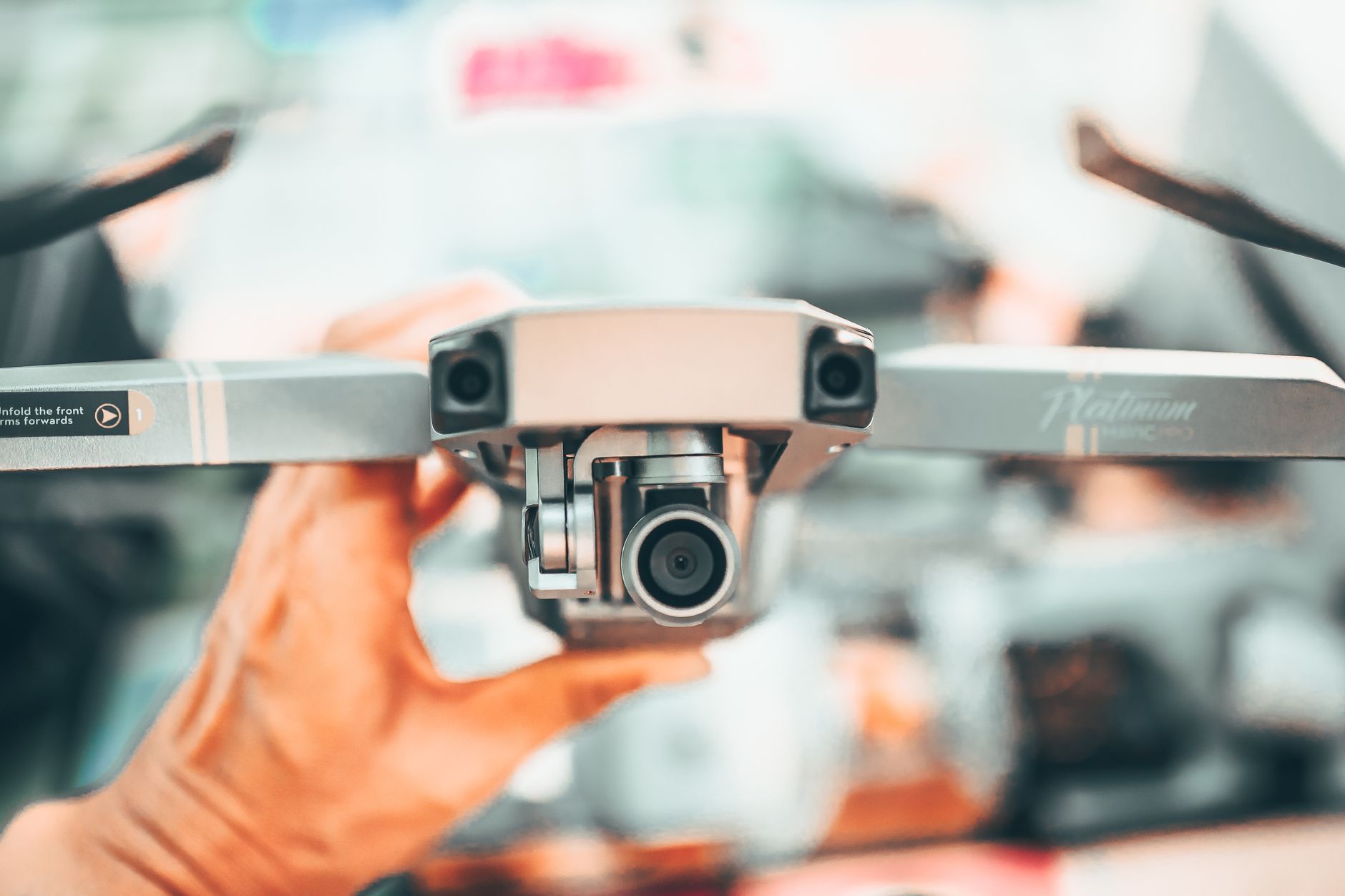
The paper describes an autonomous inspection workflow that began with an initial mapping round. The robot created a centimeter-accurate map, classified important objects, and organized the environment into a layered model linking rooms, devices, and inspection history.
Once that spatial context was in place, operators issued high-level inspection instructions instead of hand-building routes. The robot navigated to target locations, used thermal and visual sensing to inspect equipment, and fed time-stamped findings back into the operating model for immediate review.
The source does not publish commercial rollout terms, training hours, or service-contract details. What it does show clearly is a live-site deployment method: map the facility, validate task planning, run autonomous patrols, and keep operators focused on reviewing exceptions rather than walking every aisle.
- Initial site mapping and environment modeling.
- High-level tasking through natural-language inspection commands.
- Autonomous navigation to specified rooms and devices.
- Real-time fusion of inspection data into structured reports.
Higher patrol frequency and far less reporting drag drove the gain
The measurable lift came from both sides of the workflow. Patrol frequency rose from twice per day to as many as 12 times per day, a 600% increase in patrol coverage that gave the operator far more chances to catch thermal or visual anomalies before the next manual round would have occurred.
Administrative lag also shrank. A monthly statistical report that had required about 4 days of manual effort became an on-demand output generated in real time, cutting report-preparation time by over 75%.
Across inspection trials at three representative data centers, the paper reports a 51.6% efficiency gain when route execution and report compilation are measured together. That matters because it reflects the full inspection loop, not just a faster walk-through.
What this means for US data center operators
This is a documented field example, not a claimed Service Robot Co. client deployment. Its value is that it shows where an autonomous patrol robot changes the economics of data center inspection: more patrols, faster anomaly visibility, and far less time spent turning raw observations into usable reports.
For US operators evaluating inspection robot rental, robot leasing for business, or a robot as a service model, the lesson is plain. The return appears when the robot is matched to the job, the deployment is staged carefully, and the inspection data flows into an operating process people will actually use.
That is where Service Robot Co. fits. As a vendor neutral robot integrator, we select across manufacturers and handle robot deployment and integration, site assessment mapping, go live support, team training, and ongoing service through one accountable relationship. One partner one number, with maintenance included through the full lifecycle.