
a national meal-kit company's production kitchen
A Meal Kit Production Kitchen Adds Robot Arms and Reports 10% Less Staff
A national meal kit company's kitchen added robot arms for assembly. The supplier reports 10% fewer production staff and 25% more consistent deposits.
Deployment at a glance
- 10%
- Production staff reduction, reported by the robot supplier
- 25%
- More consistent deposits than manual work, supplier says
- 3 weeks
- Contract signing to production start, supplier reported
- 12
- Robot arms at parent company plants in two states
Based on a documented real-world deployment. Figures are from public reporting; the organization is not named.

What the line was up against
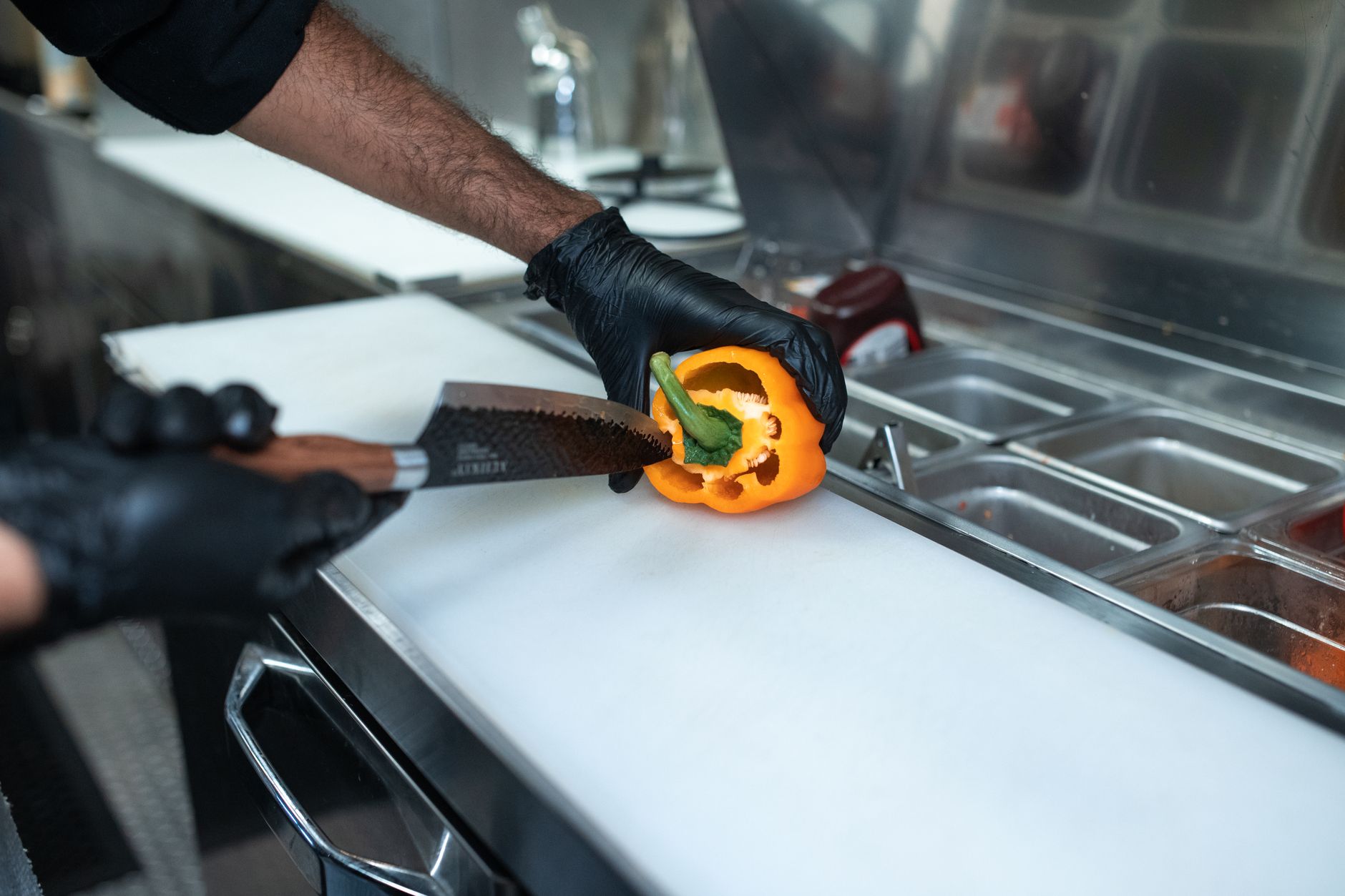
Meal kit production is a rhythm of repeated, precise motions. Every box needs the same components in the same amounts, packed on a schedule set by the week's orders. Hand assembly can keep pace, but it asks a lot of people standing at the same station through long shifts.
Portion accuracy matters for two reasons. Deposits that drift heavy give away product margin, and deposits that drift light short the customer on what was promised. Changeovers between recipes add their own delays on a line that rarely stops.
Choosing arms and moving them onto the line
The deployment used robot arms for kitchen assembly, handling food portioning and depositing it into meal containers. The arms took over the repetitive deposit motion, while people kept responsibility for the rest of the line. Selecting the arm and its work cell came before any discussion of headcount.
According to the robot supplier, production began within three weeks of the initial contract signing. That pace left little room for a long commissioning period, so the fit between each arm and the existing line mattered from the first day.
Staff who had been on the deposit work were not simply let go. The supplier says freed workers moved to other tasks.
- Assess the assembly line and the containers it fills
- Select reach, speed and gripper for each deposit step
- Install and set up the work cell around existing equipment
- Start production about three weeks after contract signing, per the supplier
- Move freed workers to other line tasks
What the supplier reports
The robot supplier reports a 10% reduction in production staff. Its summary puts it another way: the robots displaced about 10% of the staff needed for a run, and the people freed by that change moved to other tasks.
The supplier also reports deposit weights 25% more consistent than manual deposits. Tighter deposits, it says, reduce giveaway, meaning less product lands above the target weight in each container.
These figures are the robot supplier's account of the deployment. The parent company's wider footprint is described in trade press, which reports 12 robot arms across its California and New Jersey plants and quotes a general manager saying labor costs and changeover times would be worse without them.
Where lease based integration fits
Service Robot Co. is a lease only, OEM neutral commercial robot integrator for US businesses. We select the right robots across manufacturers, then finance, deploy, integrate, train and service every unit through a nationwide US engineer network, so a kitchen manager deals with one partner for the whole lifecycle.
For a line like this one, the early questions are practical. Which arm fits the deposit step, how the work cell sits alongside existing equipment, and who responds when a unit needs attention. Those answers come out of the site assessment that precedes any quote.
Our customers lease robots through financing on a three year lease, with one fixed robot lease payment quoted after the site assessment. The results above belong to the supplier, and whether a robot fits your kitchen depends on your line.
Frequently asked questions
Want a robot working for you?
Tell us the job and the site. We will recommend the robot, quote the lease, and keep it serviced.