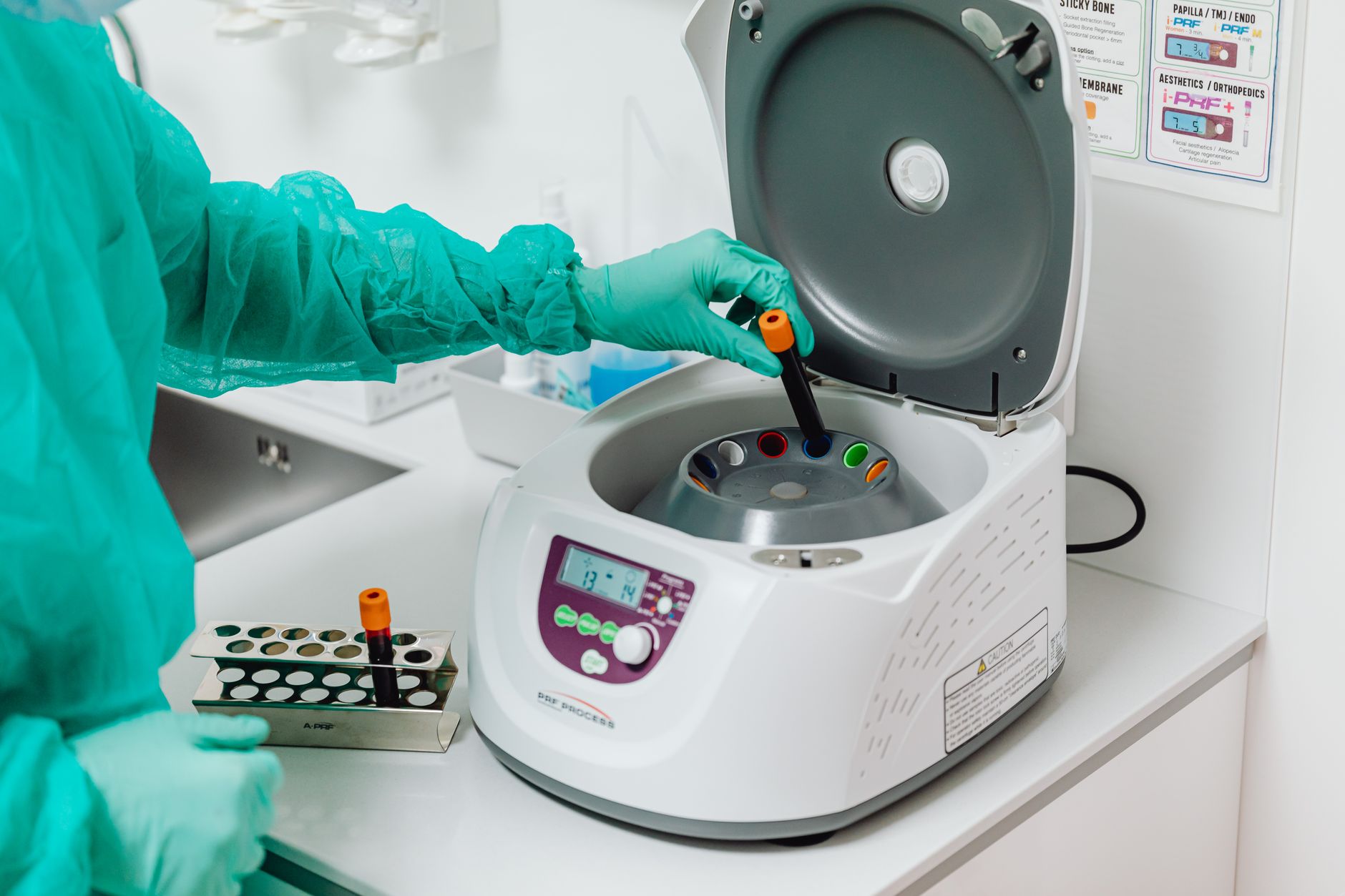
a 210-employee fluid-transfer equipment plant in the United States
Palletizing Cobots Eliminate 50,000 Bends, Twists and Lifts
See how a U.S. fluid-transfer equipment plant used two palletizing cobots to eliminate 50,000 annual bends, twists and lifts and save $45,000.
- 50,000
- manual motions eliminated annually
- $45,000
- yearly safety and productivity savings
- 30 lb
- maximum box weight
- 30+
- assembly cells requiring palletizing
Based on a documented real-world deployment. Figures are from public reporting; the organization is not named.
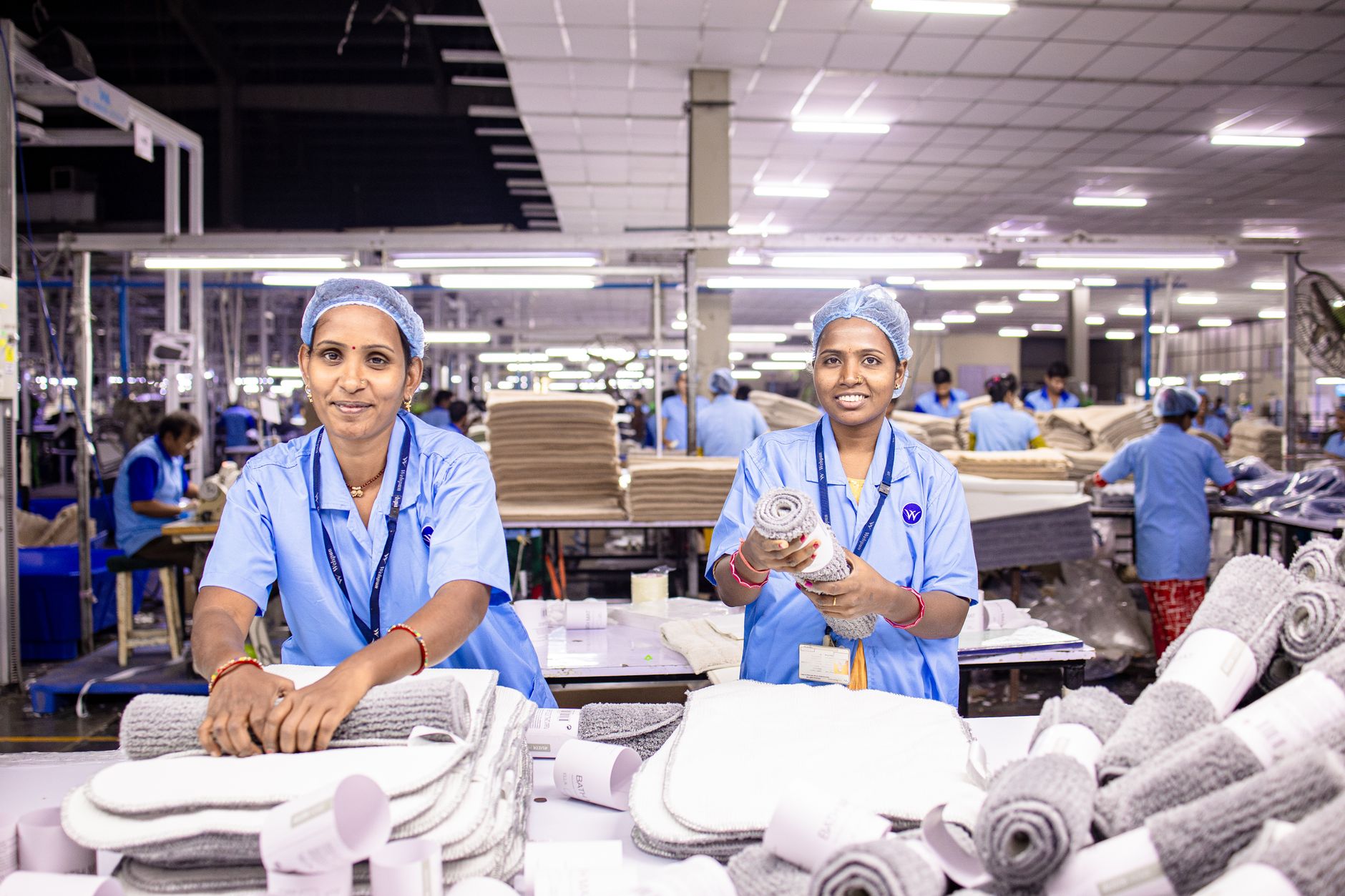
Repetitive Palletizing Had Become an Ergonomic Drain
Across more than 30 assembly cells, employees repeatedly stacked boxes weighing up to 30 pounds. Each finished box brought another bend, twist and lift, making routine end of line work a persistent ergonomic burden.
The plant also wanted to reduce waste, contend with post-pandemic staffing constraints and keep skilled employees focused on assembly and testing. Manual palletizing consumed human effort without drawing on the technical judgment those employees could contribute elsewhere.
- Repetitive lifting and turning across more than 30 assembly cells
- Boxes weighing up to 30 pounds moving from production to pallets
- Skilled employees occupied by low-value material handling
- A need to improve ergonomics, productivity and staffing resilience together
Internal Capability Came First, Then Palletizing Expanded

The plant did not begin with palletizing. It first used a cobot in a precision assembly application, giving internal toolmakers practical integration experience before the team moved into end of line automation.
Palletizing followed in stages. The team introduced one cobot, adapted its reach for the required stack height and later added a second unit that met the next cell's reach and payload requirements without that modification.
Training and supplier support helped personnel with limited robotics experience deploy the equipment internally. In the second palletizing cell, predefined patterns and a proximity sensor identify among up to 25 box sizes and switch programs automatically, without operator input.
- Build internal integration skills through an initial assembly application
- Match palletizer reach and payload to box weight and stack geometry
- Begin with one palletizing cell, then add another after gaining operating experience
- Train and certify internal staff with supplier and integration support
- Automate recipe selection for a high-mix flow of up to 25 box sizes
The Ergonomic Burden Fell, and the Savings Were Measurable
Together, the two palletizers eliminate 50,000 employee bends, twists and lifts each year. The documented financial result is $45,000 in annual productivity and safety cost savings.
The gain is more than a labor calculation. Employees can spend more time assembling and testing products, while repetitive pallet stacking is assigned to equipment built for consistent motion.
The second cell also demonstrates that high-mix packaging need not defeat palletizing automation. It accommodates up to 25 box sizes, with sensing and automatic program changes replacing manual recipe selection.
The published account does not provide an injury-rate change or payback period. Those claims are therefore excluded from this case study.
What This Example Means for Service Robot Co. Customers
This is a documented industry example, not a Service Robot Co. customer deployment. It shows the type of ergonomic exposure, package variation and end of line automation opportunity we assess for United States manufacturers.
Service Robot Co. is a full-service, OEM-neutral commercial robot integrator. We select the robot that fits your floor across manufacturers, then handle financing, robot deployment and integration, training and service through a nationwide engineer network.
Manufacturers can evaluate purchase, robot leasing for business or commercial robot rental through monthly payment programs while retaining a single accountable vendor across the equipment lifecycle. Depending on the application, that may include collaborative robot arm rental, cobot rental for manufacturing or palletizing robot rental backed by a robot maintenance service plan, remote triage and on-site dispatch.
A commercial robot demo or robot pilot program can validate box mix, reach, pallet patterns and operator handoffs before a broader rollout. The commercial structure changes, but the engineering discipline does not.