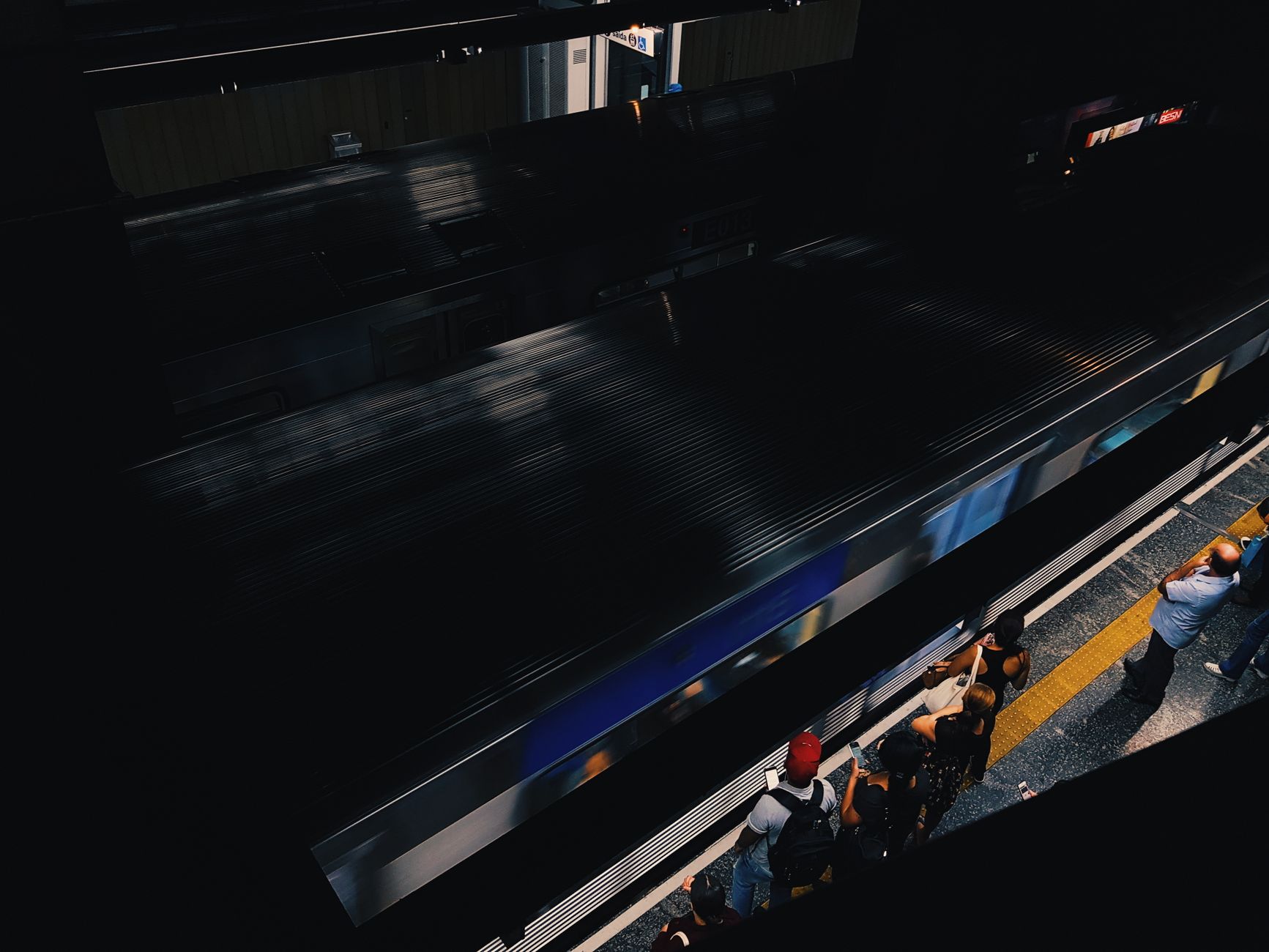
a high-traffic metropolitan rail station in Brazil
Metropolitan Rail Cleaning Cut From 3.5 Hours to 40 Minutes
See how an autonomous floor scrubber cut platform cleaning from 3.5 hours to about 40 minutes at a high-traffic metropolitan rail station in Brazil.
- 40 min
- automated cleaning time
- 3.5 hrs
- previous cleaning time
- 98%
- less water used
- 15 L
- water per operation
Based on a documented real-world deployment. Figures are from public reporting; the organization is not named.
A Narrow Window in a Relentless Environment
At a high-traffic metropolitan rail station in Brazil, routine floor care had to coexist with dense passenger movement and compressed working windows outside peak periods. Manual scrubbing took three and a half hours, consuming much of the time available for maintenance.
The floor was only part of the difficulty. A transit-ready autonomous scrubber also had to navigate people, columns, tactile paving, anti-slip surfaces and platform infrastructure without disrupting station activity.
- Complete routine scrubbing within restricted off-peak windows
- Respond safely to changing passenger flow and temporary obstacles
- Preserve human attention for technical cleaning and hard-to-reach areas
A Monitored Pilot Built Around Station Reality
The autonomous floor scrubber was introduced through a controlled pilot. Work areas were pre-mapped, routes could adjust around obstacles, and the machine was configured to pause as passenger flow increased and resume after the platform cleared.
Trained teams monitored operations in real time, with the scrubber running mainly during off-peak periods. This measured approach paired site assessment mapping with operator training and ongoing support before any wider expansion.
- Map the operating area and validate routes against fixed station features
- Test obstacle response and pause behavior under live passenger conditions
- Train the operating team and monitor early runs in real time
- Use pilot evidence to guide gradual expansion across suitable areas
A Routine Task Compressed to Minutes
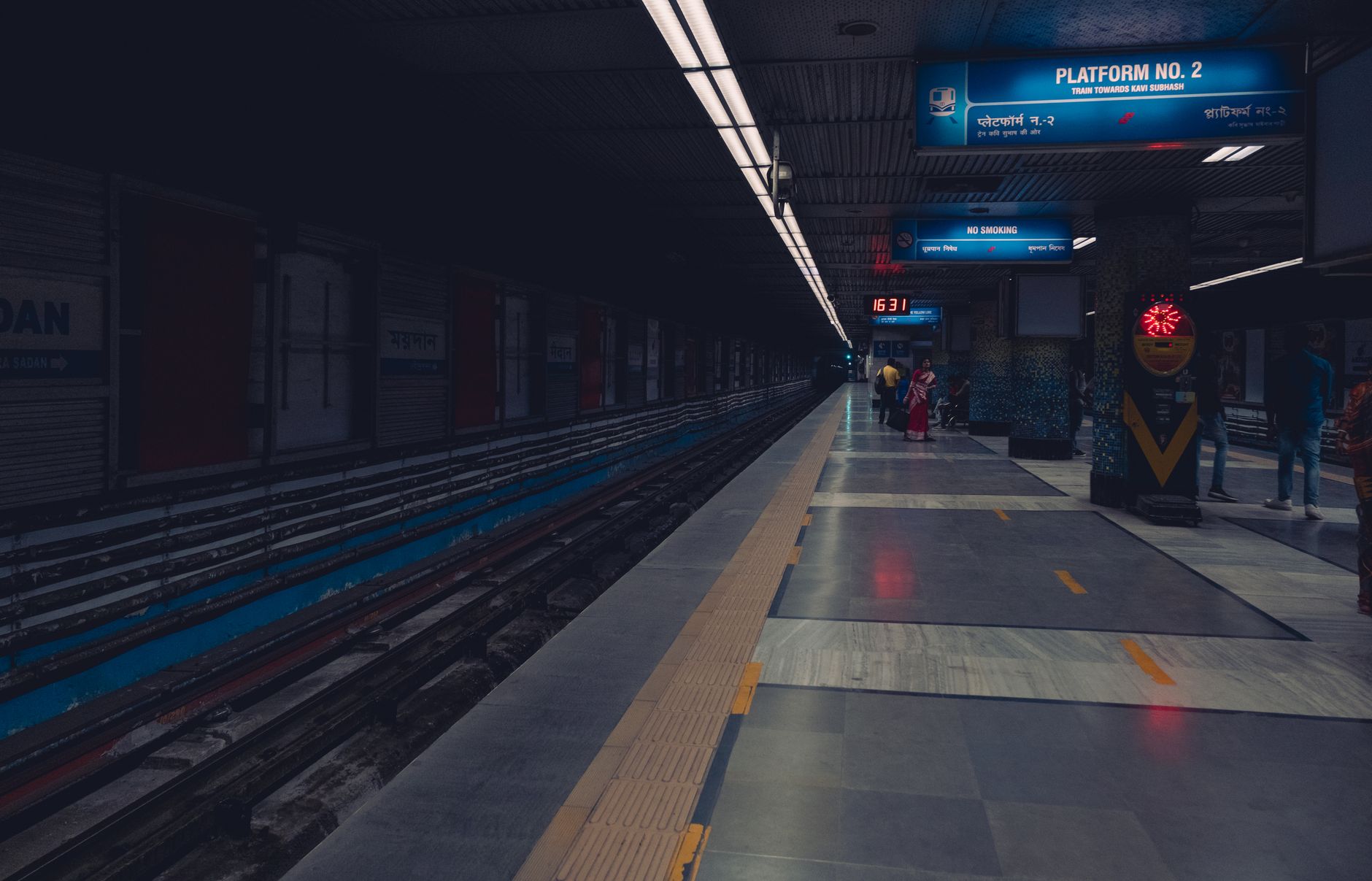
Average platform cleaning time fell from three hours and thirty minutes to around forty minutes. The result gave the operating team substantially more room inside a constrained maintenance window without claiming that every cleaning duty had been automated.
Water use per operation dropped from roughly nine hundred and eighty liters to fifteen liters, a reduction of about ninety-eight percent. That efficiency accompanied the faster cycle rather than trading resource use for speed.
With routine scrubbing covered, staff could redirect attention to technical cleaning, equipment gaps, restrooms, difficult stains and quality supervision. The documented result concerns this specific cleaning task, not total station labor or broader network performance.
What This Evidence Means for US Operators

This is a documented third-party deployment that Service Robot Co. analyzes for its operational lessons. It is not presented as a Service Robot Co. customer engagement, and the transit organization remains anonymized throughout.
For US businesses considering a commercial floor cleaning robot, Service Robot Co. provides one accountable path through the full lifecycle. As a full-service, OEM-neutral commercial robot integrator, we select equipment across manufacturers, then finance, deploy, integrate, train and service every unit through a nationwide US engineer network.
That model can cover a robot pilot program, robot deployment and integration, go live support, monthly payment programs and an ongoing robot maintenance service plan. Operators gain one vendor for selection, financing, field execution and service rather than coordinating each stage separately.