a multi-room logistics hub with 26 employees on morning prep
Logistics Hub Eliminates 3.6+ Hours of Daily Floor Cleaning
See how a logistics hub moved 3.6+ hours of daily floor cleaning overnight, freeing 26 employees for safer, organized, focused warehouse work.
- 3.6+ hrs
- daily floor care replaced
- 0 min
- employee floor cleaning
- 26
- employees freed each morning
- 15-20 min
- saved per employee
Based on a documented real-world deployment. Figures are from public reporting; the organization is not named.
Morning Prep Was Consuming the Workforce
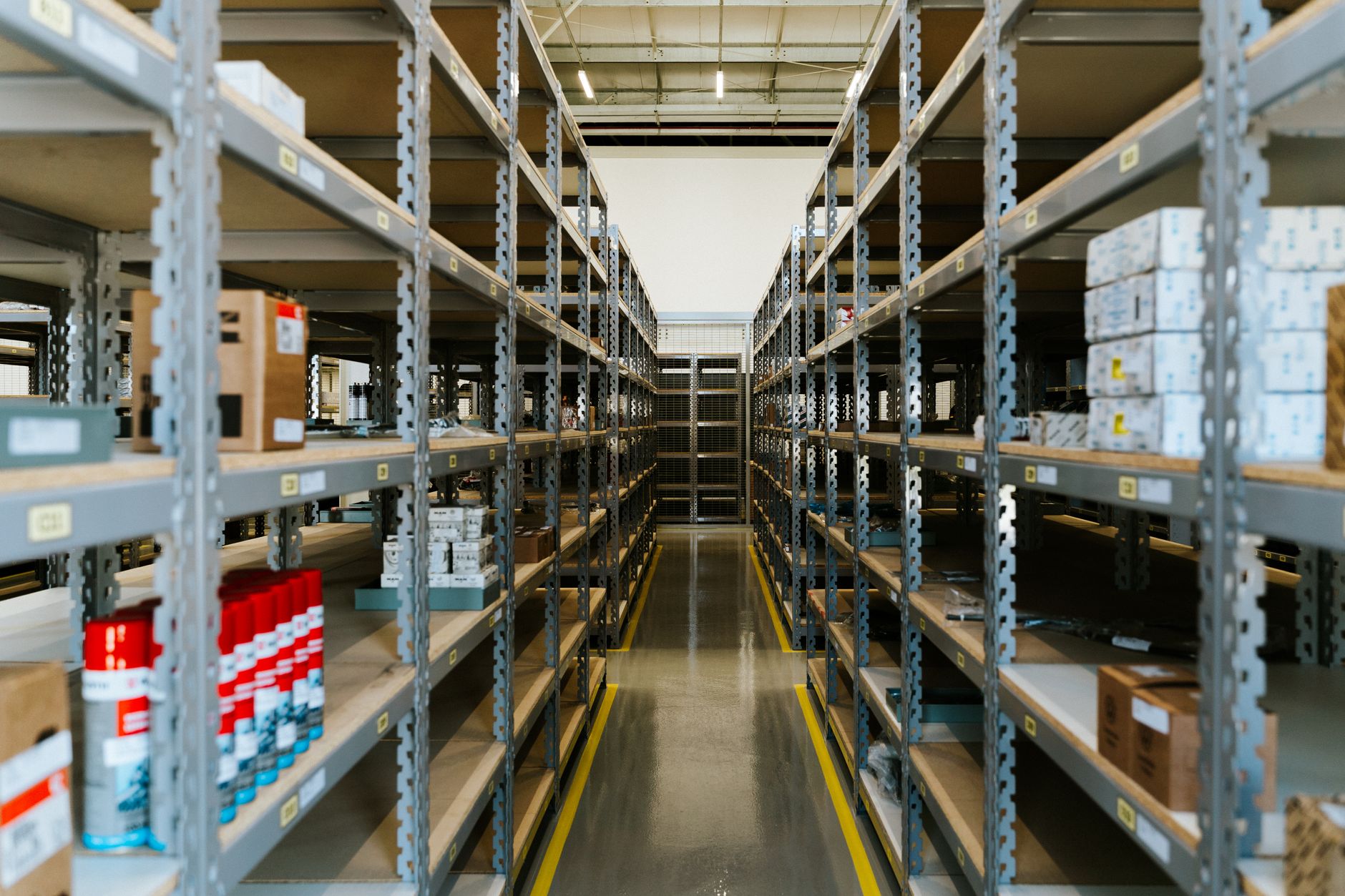
At a multi-room logistics hub with 26 employees on morning prep, every employee spent 15 to 20 minutes sweeping before core warehouse work could begin. Across the workforce, floor care absorbed more than 3.6 employee-hours every day.
The burden was broader than the clock suggested. Shelf organization, detailed cleaning and careful warehouse work had to wait while employees hurried through a routine task, creating time pressure at the start of operations.
- Recover morning capacity without lowering cleaning standards
- Fit autonomous cleaning around a warehouse divided into separate rooms
- Reduce the pressure to rush before operational work began
A Focused Trial Proved the Operating Model
The operation did not automate the entire facility at once. It trialed autonomous cleaning in a single room and evaluated cleaning coverage, operating time and floor-cleaning performance before making a wider commitment.
Employees could map and refine the cleaning route without specialist programming. The robot then worked overnight, while the team kept its path clear and retained manual cleaning as a practical fallback if the machine became unavailable.
- Review demonstrations and proposals for small-scale automation
- Pilot the cleaning robot in a representative room
- Map the route and verify coverage under real site conditions
- Prepare the floor, brief employees and define a manual fallback
Floor Cleaning Left the Morning Schedule
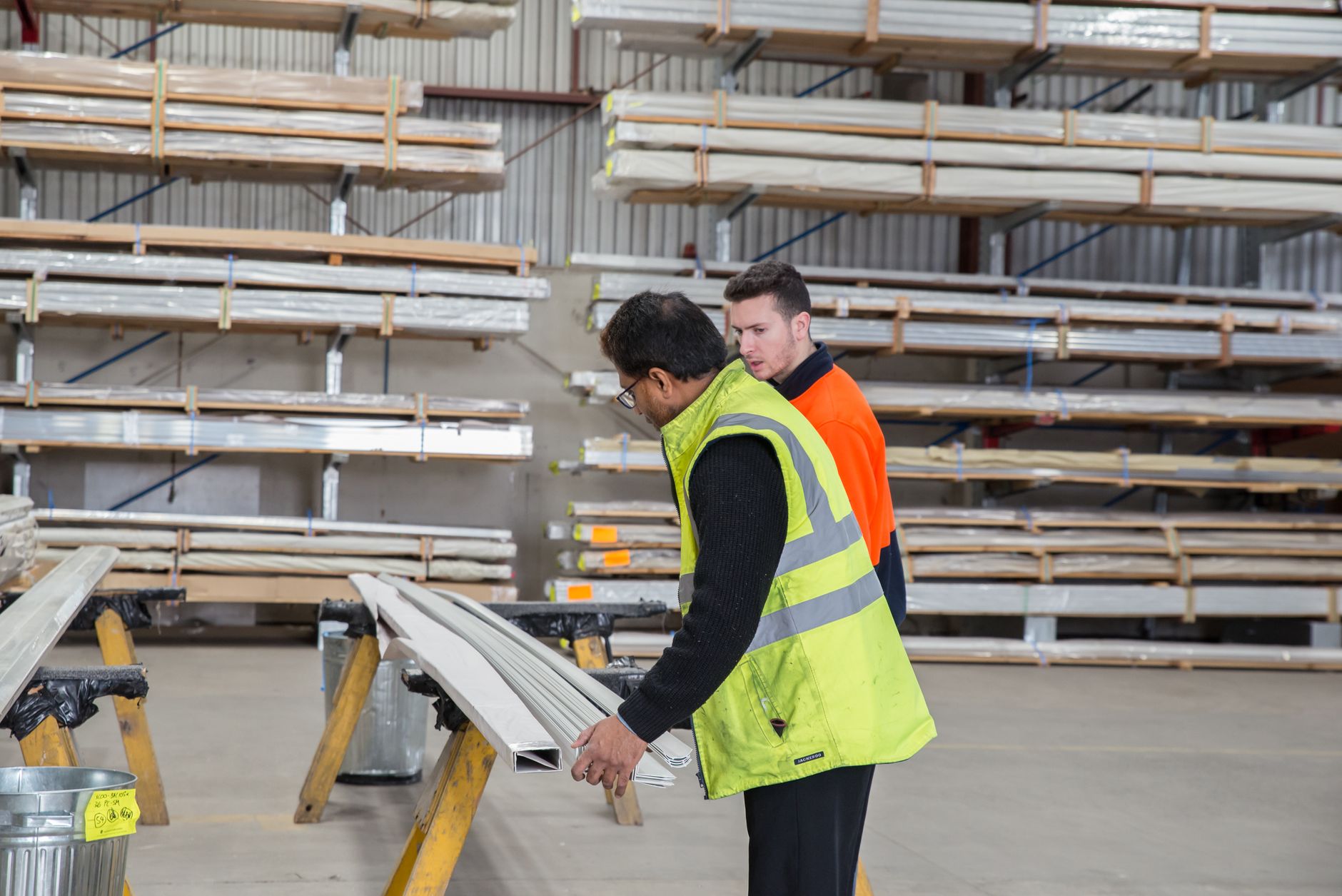
The measured result was direct: employee floor-cleaning time fell from more than 3.6 hours per day to 0. The 26 employees who had each spent 15 to 20 minutes sweeping could begin higher-value warehouse duties instead.
The recovered time went into shelf organization, detailed cleaning and more deliberate execution of routine work. The documented account also describes lower time pressure, fewer errors and a safer, more workable start because employees no longer had to hurry through floor care before their main duties.
From Documented Result to a Deployable Program
This is a documented real-world example analyzed by Service Robot Co., not a Service Robot Co. deployment. Its central lesson is operational: overnight floor care can remove a recurring morning bottleneck when the route, floor type, room layout and fallback procedure are validated first.
Service Robot Co. is a full-service, OEM-neutral commercial robot integrator for U.S. businesses. We select the robot that fits your floor across manufacturers, then handle financing, robot deployment and integration, training and service through a nationwide U.S. engineer network. A warehouse cleaning robot rental can include site assessment mapping, a commercial robot demo, a robot pilot program, monthly payment programs and maintenance included under a single accountable vendor.