a Wisconsin label and packaging manufacturer
How a Label Plant Halved End-of-Line Staffing and Beat Its Cycle Target
A Wisconsin label plant cut end-of-line staffing from two operators to one and improved cycle time from a 4.5-second target to 4.2 seconds with a compact packing cell.
- 2→1
- Operators
- 4.2 sec
- Cycle time
- 4.5 sec
- Original target
- 6 mo
- To tune cycle
Based on a documented real-world deployment. Figures are from public reporting; the organization is not named.
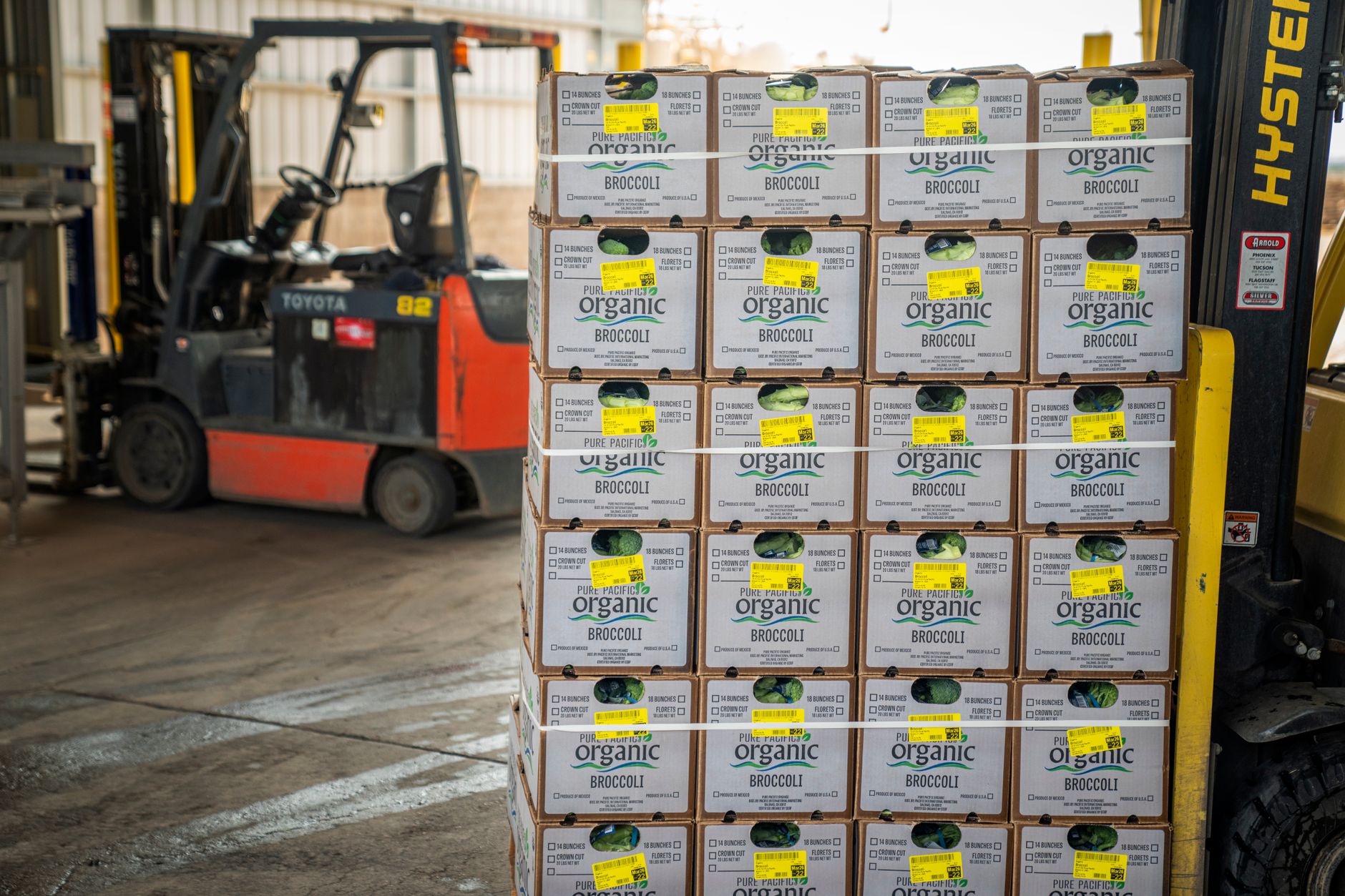
Tight floor space at the packaging line
A Wisconsin label and packaging manufacturer needed more end-of-line capacity while labor stayed hard to hire and retain. Employees manually packed and palletized finished boxes, a repetitive shift that took two people per line to keep pace.
Standard end-of-line machinery would not fit the footprint beside production, and there was no downstream buffer to absorb stoppages. Any reliability miss at the case packer would idle upstream label converting immediately.
- Two operators per line on manual case packing
- Limited floor space blocked catalog palletizers
- Zero buffer meant uptime had to be line critical
Custom compact packing and palletizing cell
An integration partner built a custom robotic end-of-line cell sized to the available space, combining case packing and palletizing in one footprint. A two-robot layout handled pick, place, and pallet build while a single HMI screen with visual prompts kept operator training short.
Engineers stayed engaged after commissioning, tuning motion and sequencing as production data accumulated. The plant set aggressive uptime targets because the cell sat at the line tail with no queue behind it.
- Measure footprint and conveyor handoffs before cell design
- Train operators on one HMI with embedded visual steps
- Track uptime weekly because upstream has no buffer
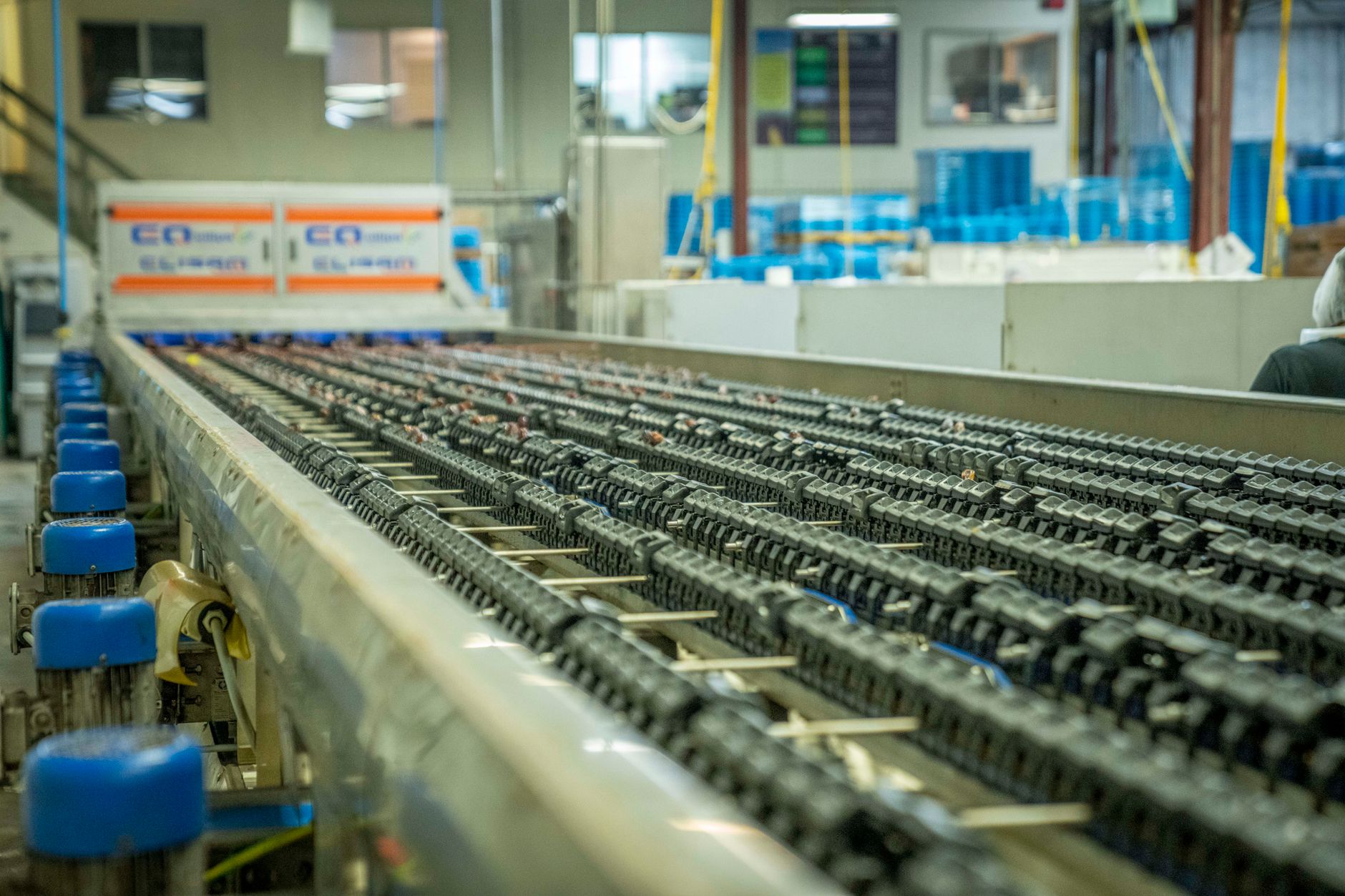
Staffing and cycle gains

Staffing per line fell from two operators to one while output held and capacity grew. The freed teammate moved to other plant areas that needed support rather than leaving the company.
Cycle time beat the original 4.5 second target, reaching 4.2 seconds within six months as engineers continued optimizing the cell. Uptime goals were met ahead of schedule, and manual palletizing strain dropped because robots owned the heaviest repetitions.
Lessons for label and packaging plants
Label converters with cramped end-of-line floors are strong candidates for palletizing robot rental or a month to month robot lease once case sizes stabilize. Service Robot Co. stays vendor neutral, sizes compact cells to your layout, and bundles financing, integration, training, and nationwide service under one partner.
A phased end-of-line robot pilot on the slowest manual pack line lets you prove two-to-one staffing and 4.5 to 4.2 second class cycle gains before you expand. Free site assessment and go live support should start where floor space is the binding constraint, because custom footprint design is where these projects win or fail.