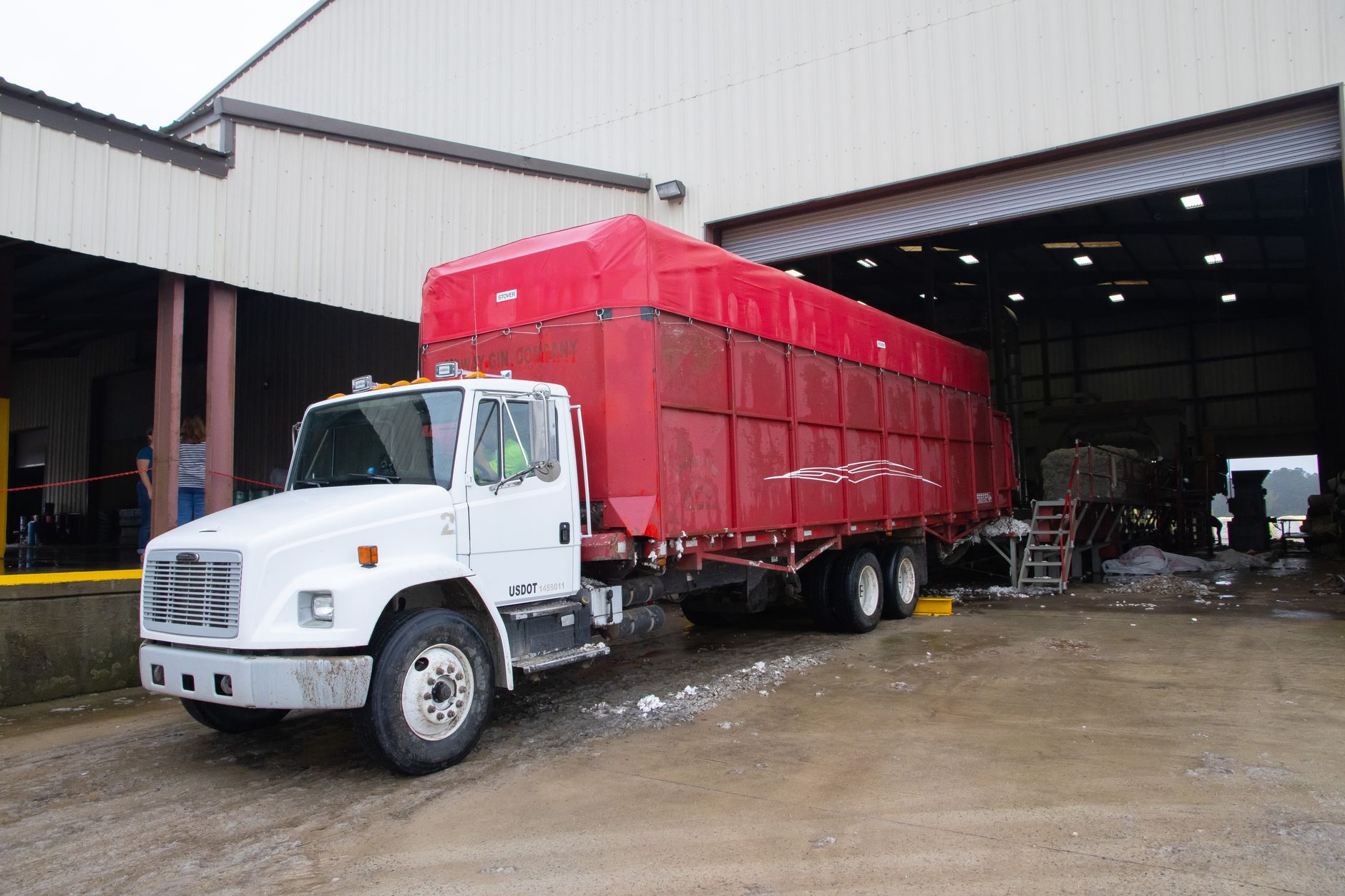
one of a large grocery chain's biggest distribution centers
Grocery DC Back and Hip Injuries Fall 61% With Exosuits
At one of a large grocery chain's biggest distribution centers, 120 robotic exosuits helped cut lower-back and hip injuries 61% in 12 months.
- 61%
- fewer back and hip injuries
- 120
- robotic exosuits deployed
- 12 months
- study period
- 50M lbs
- weight offloaded to date
Based on a documented real-world deployment. Figures are from public reporting; the organization is not named.
Where the Strain Was Coming From
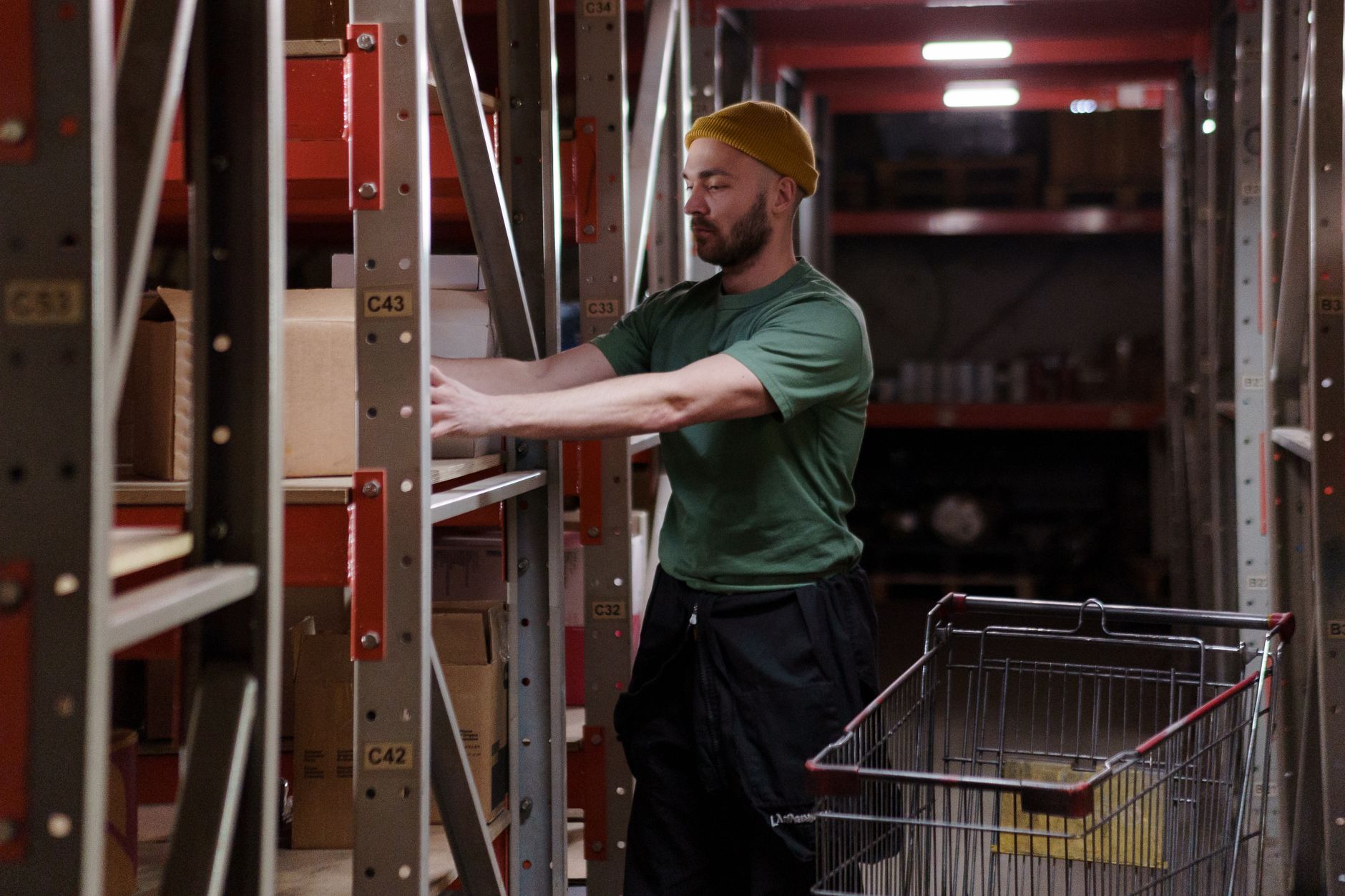
At one of a large grocery chain's biggest distribution centers, the public record frames the assignment in blunt terms: injury reduction. Repetitive warehouse lifting was driving lower-back and hip injuries in an operation built around constant product movement.
That matters in grocery distribution because the work does not pause for fatigue. Cases still need to be picked, carried, and handled at pace, yet the source does not publish baseline injury counts, claim costs, or the exact task mix, so those details should not be invented.
- Repeated lifting exposure concentrated strain in the lower back and hips.
- The facility needed a live operational answer, not a lab demonstration.
- The published summary points to safety as the primary success measure.
How the Wearable Robotics Program Was Run
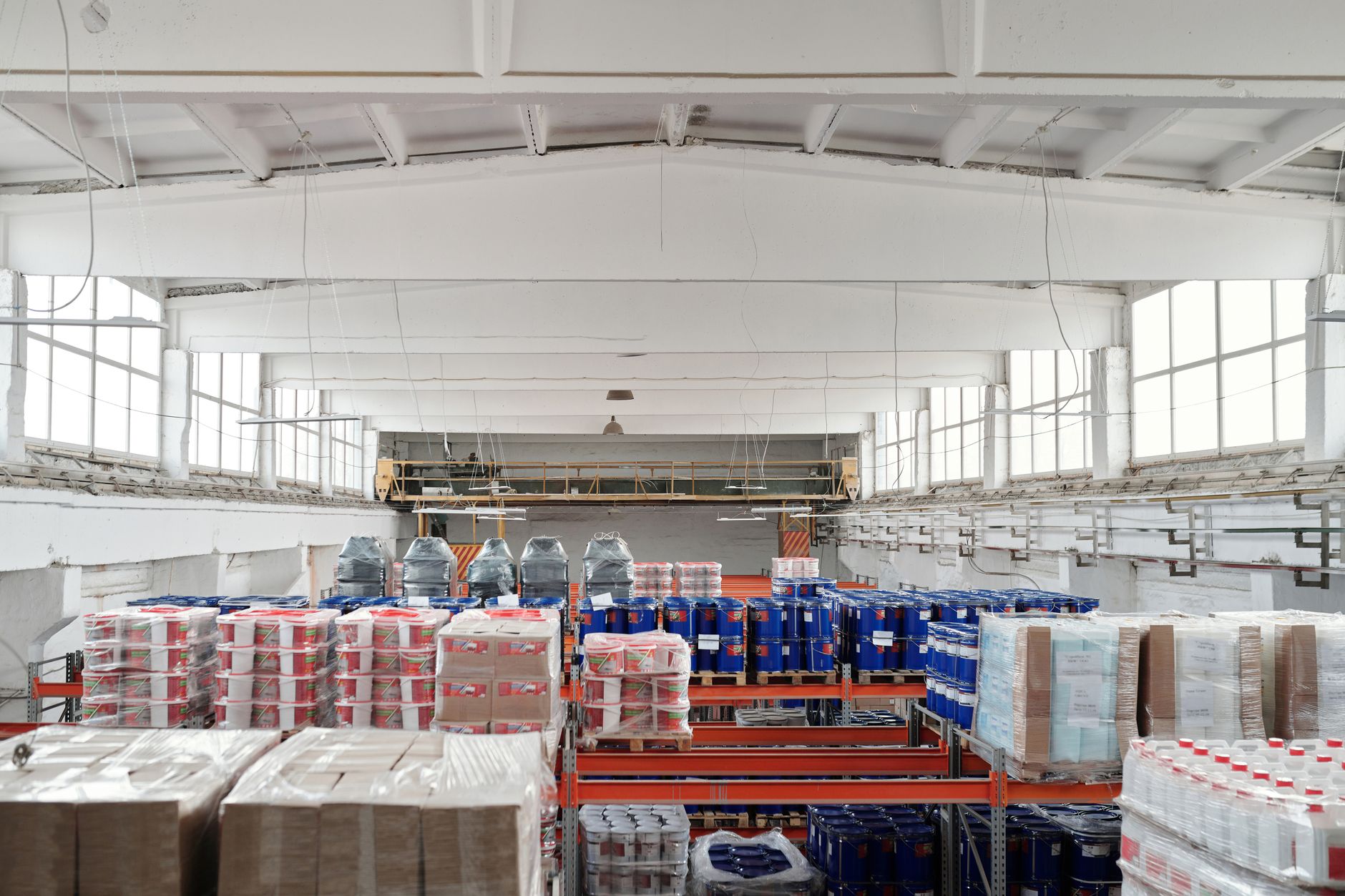
The documented program was a live deployment of 120 wearable robotic exosuits at one of the chain's largest distribution centers, measured over 12 months. That scale matters. It is large enough to test the equipment inside normal warehouse rhythms instead of a narrow trial lane.
The public summary does not disclose the selection process, rollout phases, training hours, or service terms. What it does confirm is that the exosuits were used long enough and widely enough to generate a facility-level injury result, and that the tracked output included total weight offloaded to date.
- Deploy the exosuits on the active distribution floor.
- Run the program across a 12-month study window.
- Track lower-back and hip injuries as the primary outcome.
- Record cumulative pounds handled with exosuit assistance.
What Changed Over the Study Period
Over the 12-month study, lower-back and hip injuries fell 61%. For a grocery distribution center, that is not a marginal shift. It is a meaningful reduction in the body region most exposed to repetitive lifting.
The source also states that the exosuits at this facility have helped lift over 50 million pounds to date. In the related field summary, workers reported less effort while executing tasks, and the account ties that lighter lift to higher throughput and efficiency on the warehouse floor.
Just as important is what the source does not claim. It does not publish baseline injury counts, labor savings, or a site-specific productivity percentage for this facility, so the documented win is safer lifting at scale, not a blanket ROI story.
What This Signals for Grocery Operators
This was not a Service Robot Co. deployment. The lesson is operational ownership. A wearable robotics program only earns its keep when selection, financing, deployment, training, and ongoing support are treated as a single program instead of a handoff between separate vendors.
Service Robot Co. is a full-service, OEM-neutral commercial robot integrator for US businesses. We act as a vendor neutral robot integrator, help buyers compare robot leasing for business, monthly payment programs, and robot as a service structures, then handle robot deployment and integration, team training, and service through a nationwide US engineer network.
For a grocery operator weighing a pilot, that means a free site assessment, a phased deployment no shutdown plan, and a turnkey robot deployment path with maintenance included. The buyer gets a single accountable partner across the lifecycle instead of stitching together financing, field support, and deployment on its own.