a multi-site U.S. fulfillment provider operating 2.2 million square feet
3PL Picking AMRs Raise Productivity 61% With 20% Less Manpower
See how collaborative picking AMRs raised productivity 61% and cut manpower needs 20% across a multi-site U.S. fulfillment operation without facility redesign.
- 61%
- higher productivity
- 20%
- less manpower
- 4-6 weeks
- two-site rollout
- 10 min max
- associate training
Based on a documented real-world deployment. Figures are from public reporting; the organization is not named.
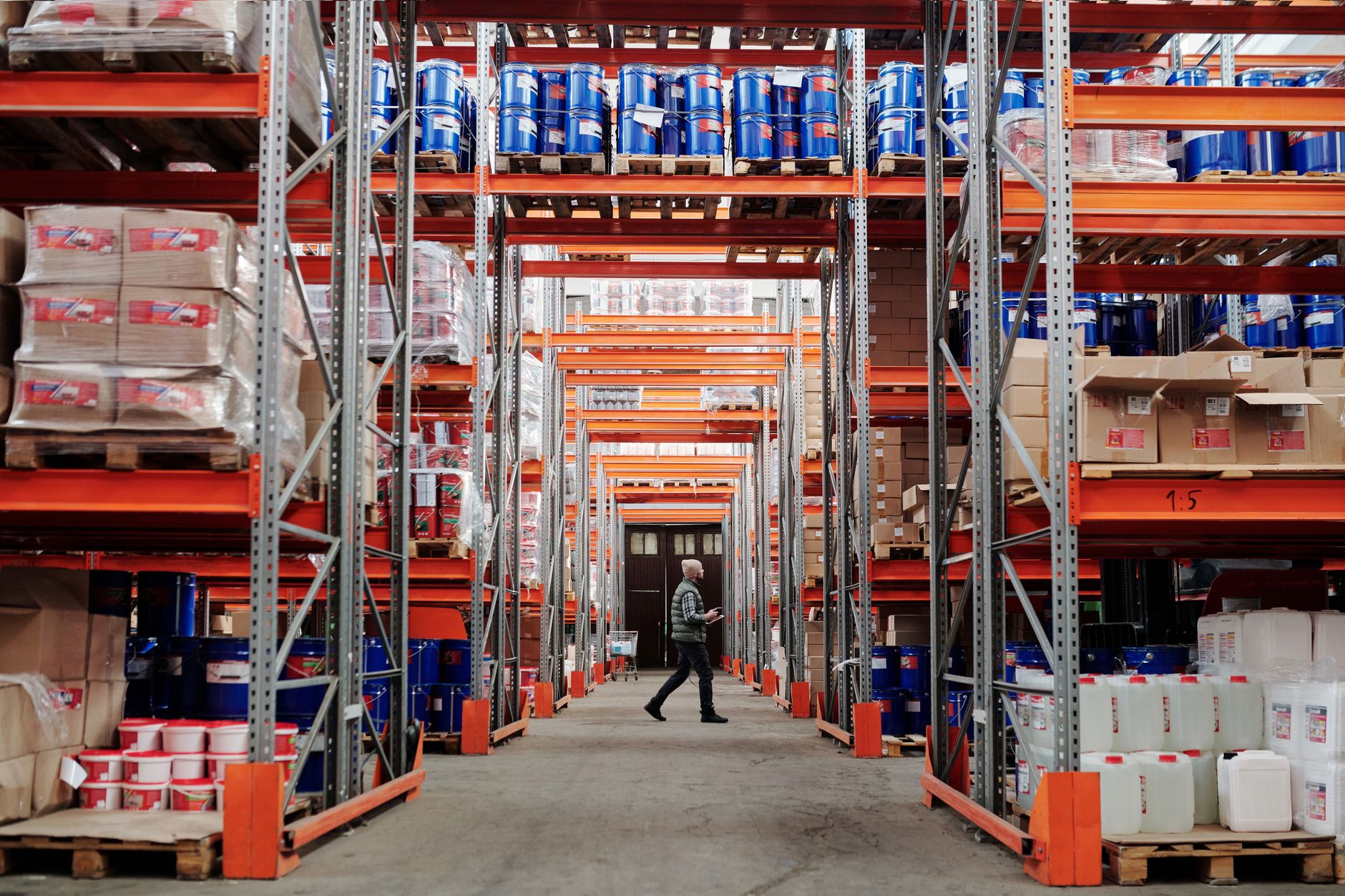
Peak Demand Was Outgrowing the Picking Model
A multi-site U.S. fulfillment provider operating 2.2 million square feet handled big-box distribution, direct-to-consumer fulfillment, e-commerce dropship, and value-added work. Seasonal surges made it increasingly difficult to preserve service levels without overextending the workforce.
Growing fulfillment complexity compounded the pressure. The operation needed higher pick productivity and accuracy while reducing the fatigue and injury exposure created by repeated warehouse travel.
The existing buildings and workflows still carried value. Any automation approach therefore had to fit the operation without forcing a costly facility redesign.
- Maintain service levels through seasonal peaks
- Increase picking capacity without adding headcount
- Reduce strenuous travel for warehouse associates
- Preserve existing facilities and warehouse workflows
Collaborative AMRs Entered the Existing Workflow
The provider selected flexible collaborative picking AMRs that could work inside its established processes. Facility mapping took days, and API connections linked the robots with the existing warehouse management systems.
The documented rollout brought two sites from kickoff to full operation in 4-6 weeks, with no downtime. On-site instruction enabled associates to begin working with the robots in 10 minutes or less, helping the new operating method gain acceptance quickly.
Deployment did not end at go-live. Continuous-improvement and operations teams refined pick zones, travel paths, and workflows as operating data accumulated.
- Map each facility and assess the live pick flow
- Connect AMRs to the warehouse management system through APIs
- Launch two sites without interrupting operations
- Train associates directly on the warehouse floor
- Tune zones, routes, and workflows after go-live
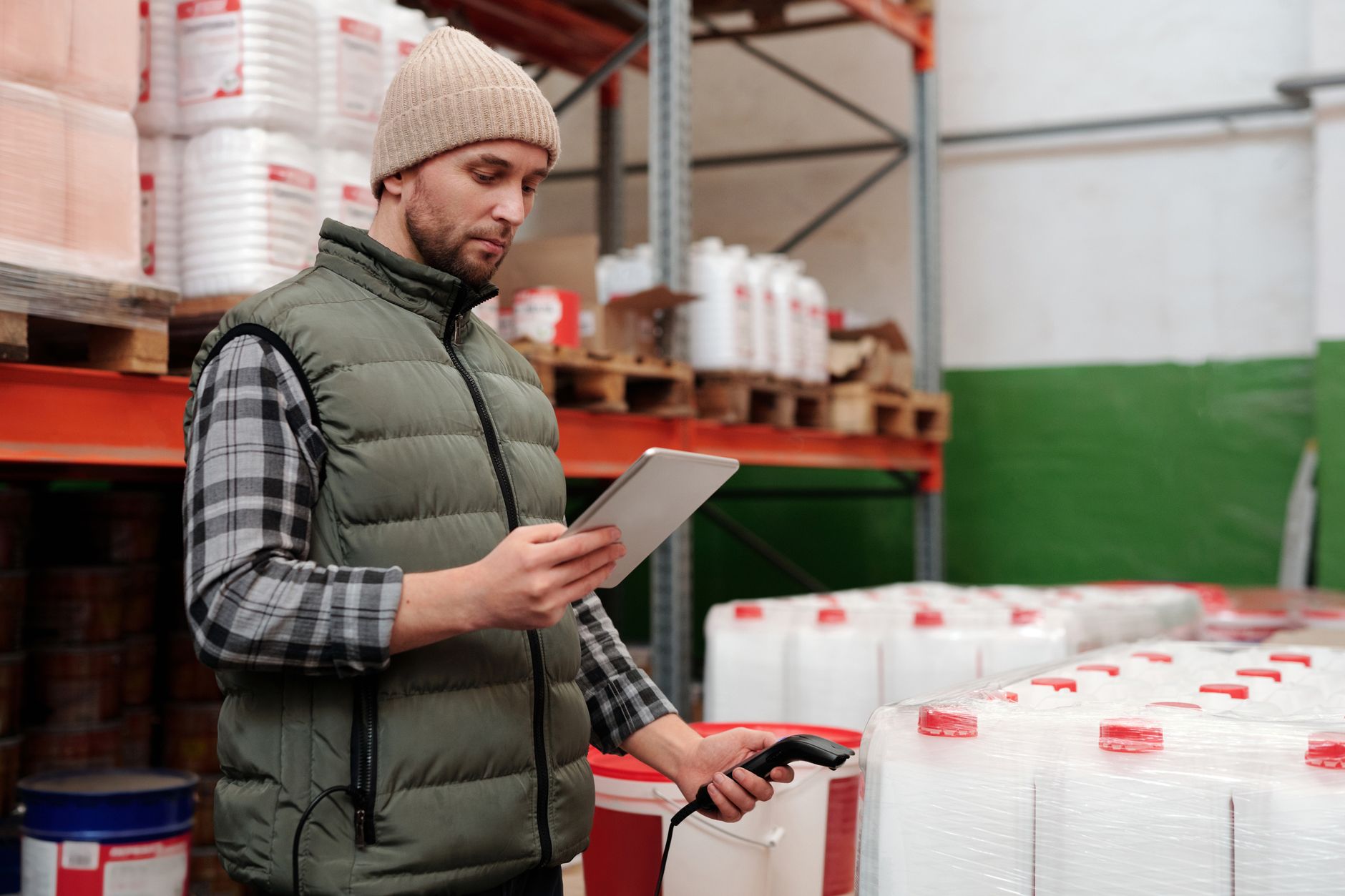
More Picks With a Leaner Labor Requirement
The measured result was a 61% increase in productivity paired with a 20% decrease in manpower requirements. The operation increased throughput without relying on added headcount, giving it more room to absorb demanding order profiles and seasonal volume.
Order fulfillment also became more consistent and precise. The documented deployment reports improved accuracy, lower fatigue and injury rates, and stronger retention alongside the productivity gain.
The workforce impact extended beyond walking less. Associates gained opportunities to support and manage automation, while collaborative AMRs absorbed much of the repetitive travel embedded in picking.
A Practical Pattern for 3PL Automation
This documented real-world example is not presented as a Service Robot Co. client deployment. Its value lies in the operating pattern: fit collaborative AMRs to the building and workflow, connect them to existing systems, train the workforce quickly, and refine the fleet after launch.
Service Robot Co. is a full-service, OEM-neutral commercial robot integrator for U.S. businesses. We select equipment across manufacturers, then finance, deploy, integrate, train, and service every unit through a nationwide U.S. engineer network. One vendor covers the full lifecycle.
That model gives 3PL operators a single route into robot deployment and integration, from site assessment mapping and an AMR fleet deployment to go-live support and robot maintenance service. Commercial paths can include autonomous mobile robot rental, warehouse robot rental, robot leasing for business, and monthly payment programs, depending on the operation and equipment selected.
For buyers comparing an AMR rental, a robot pilot program, or a financed fleet, the first test is operational fit. Travel patterns, order mix, WMS readiness, associate adoption, and service coverage determine if the deployment can reproduce this kind of gain.