a Florida county wastewater utility
Wastewater Inspection Robots Cover 600,000 Feet in 30 Days
See how a Florida county wastewater utility inspected 600,000 linear feet in 30 days, assessed 75% of its system, and saved $2.5 million through cleaning.
- 600,000 LF
- Pipe inspected
- 30 days
- Inspection period
- 75%
- System assessed
- $2.5M
- Cleaning savings
Based on a documented real-world deployment. Figures are from public reporting; the organization is not named.
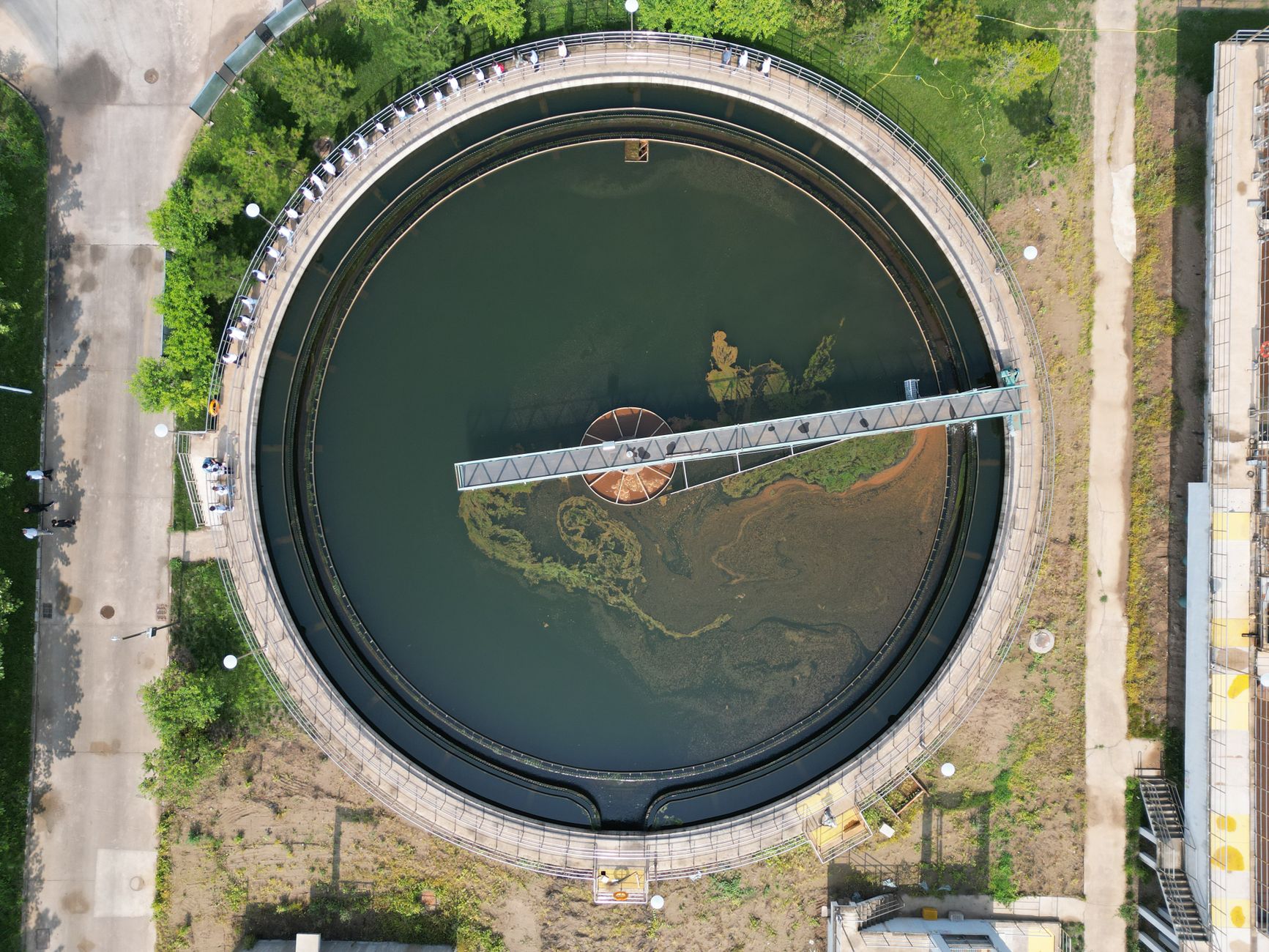
A Maintenance Budget Needed Better Evidence
Cleaning every sewer segment before inspection can consume field capacity without revealing which pipes genuinely need intervention. A Florida county wastewater utility needed a rapid condition baseline that could separate necessary cleaning from avoidable work.
The resulting intelligence also had to inform asset management, maintenance planning, inflow and infiltration reduction, and pump station operations. Inspection volume mattered, but prioritization was the sharper objective.
- Build a useful condition baseline across the collection system.
- Distinguish pipes requiring cleaning from pipes that could be inspected as found.
- Convert inspection evidence into defensible maintenance priorities.
- Reduce unnecessary cleaning while preserving attention for consequential defects.
Inspect First, Then Direct the Work
The utility used a rapid baseline assessment built around an inspect-to-clean approach. Inspection robots gathered condition evidence before cleaning decisions were made, allowing observed pipe conditions to guide subsequent work.
The public case record does not disclose equipment-selection criteria, rollout phases, operator training, or service arrangements. Those details cannot be attributed to this deployment, but a comparable program should define them before fieldwork begins.
- Match the inspection platform to pipe geometry, access constraints, flow conditions, and required data.
- Begin with a bounded robot pilot program and validate data quality and field procedures.
- Phase deployment according to access readiness and operational priority.
- Train utility personnel on field coordination, data interpretation, and escalation paths.
- Establish robot maintenance, remote triage, and on-site dispatch responsibilities before go-live.
High Throughput Produced Selective Action
The deployment inspected 600,000 linear feet in 30 days and assessed 75% of the wastewater system. Those figures establish both the pace and the reach of the rapid baseline effort.
The documented savings reached $2.5 million through cleaning and prioritizing. The economic value came from using inspection evidence to concentrate cleaning where conditions justified it, rather than treating cleaning as a universal prerequisite.
This distinction is central. Footage became a triage instrument, helping the utility direct maintenance resources toward demonstrated need while avoiding indiscriminate work.
From Documented Result to Deployable Program
This was not a Service Robot Co. client deployment. It is a documented industry example showing what inspection robotics can contribute when condition data governs maintenance priorities.
Service Robot Co. is a full-service, OEM-neutral commercial robot integrator for US businesses. As a vendor neutral robot integrator, we select equipment across manufacturers, arrange inspection robot rental or robot leasing for business, manage robot deployment and integration, train users, and service every unit through a nationwide US engineer network.
For utilities evaluating a similar program, that lifecycle can begin with a free site assessment and commercial robot demo, proceed through a robot pilot program and phased rollout, and continue with maintenance included, remote triage, and field support. Financing, deployment, integration, training, and service remain with a single accountable vendor.