a 300-unit class-a apartment community
Multifamily Case Study: Zero Garage Break-Ins in 60 Days
A 300-unit class-a apartment community paired garage patrol with amenity cleaning and reached zero break-ins in 60 days, with amenity scores up 20%.
- 0
- garage break-ins
- 60 days
- to zero incidents
- +20%
- amenity satisfaction
- 7.2 to 8.6
- quoted score shift
Based on a documented real-world deployment. Figures are from public reporting; the organization is not named.
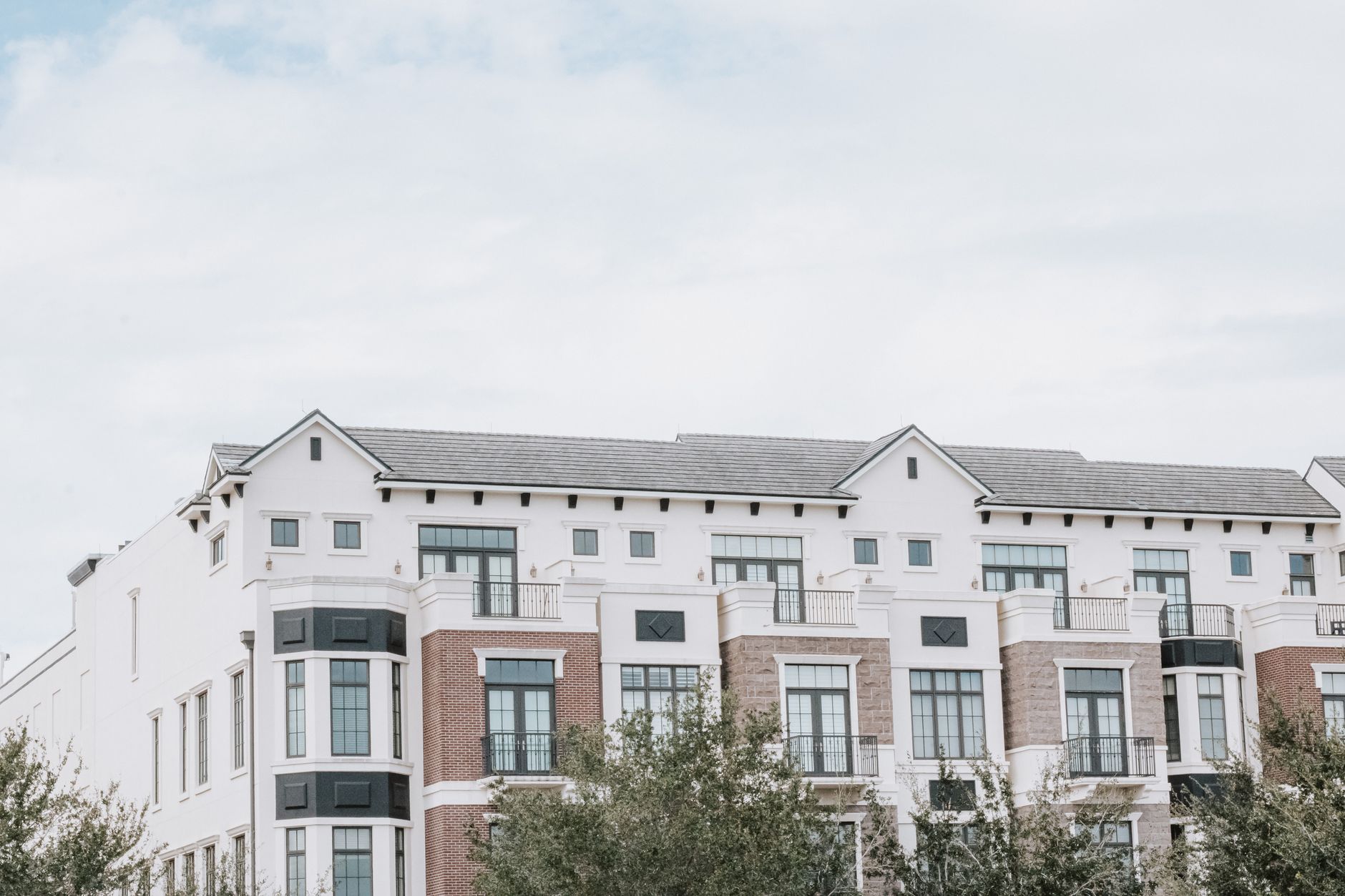
Risk in the garage, scrutiny in the amenities
For a 300-unit class-a apartment community, the garage and the amenity core are among the most exposed parts of the resident experience. The garage carries after-hours security risk. The fitness center shapes the daily impression residents take from the property, especially when it gets early use.
That combination creates a familiar multifamily bind. Property teams need better deterrence in parking areas and cleaner shared space in the same operating rhythm, without treating each recurring issue as a separate manual burden.
- Garage break-ins were eroding confidence in the property.
- Fitness center cleanliness was a resident-facing issue, not a back-office task.
- The operation needed improvement in risk control and amenity standards at the same time.
A paired deployment aimed at the places residents notice most
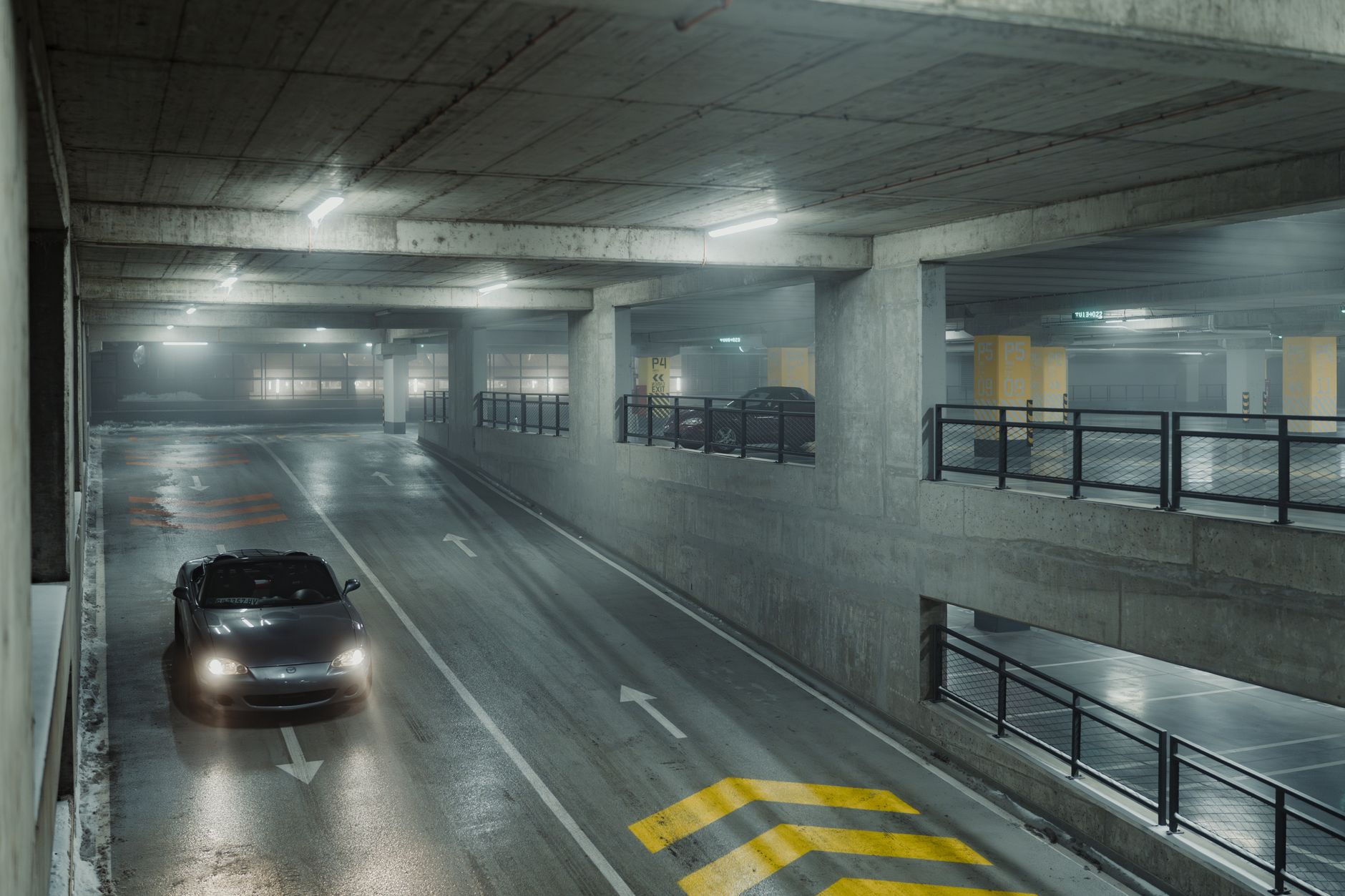
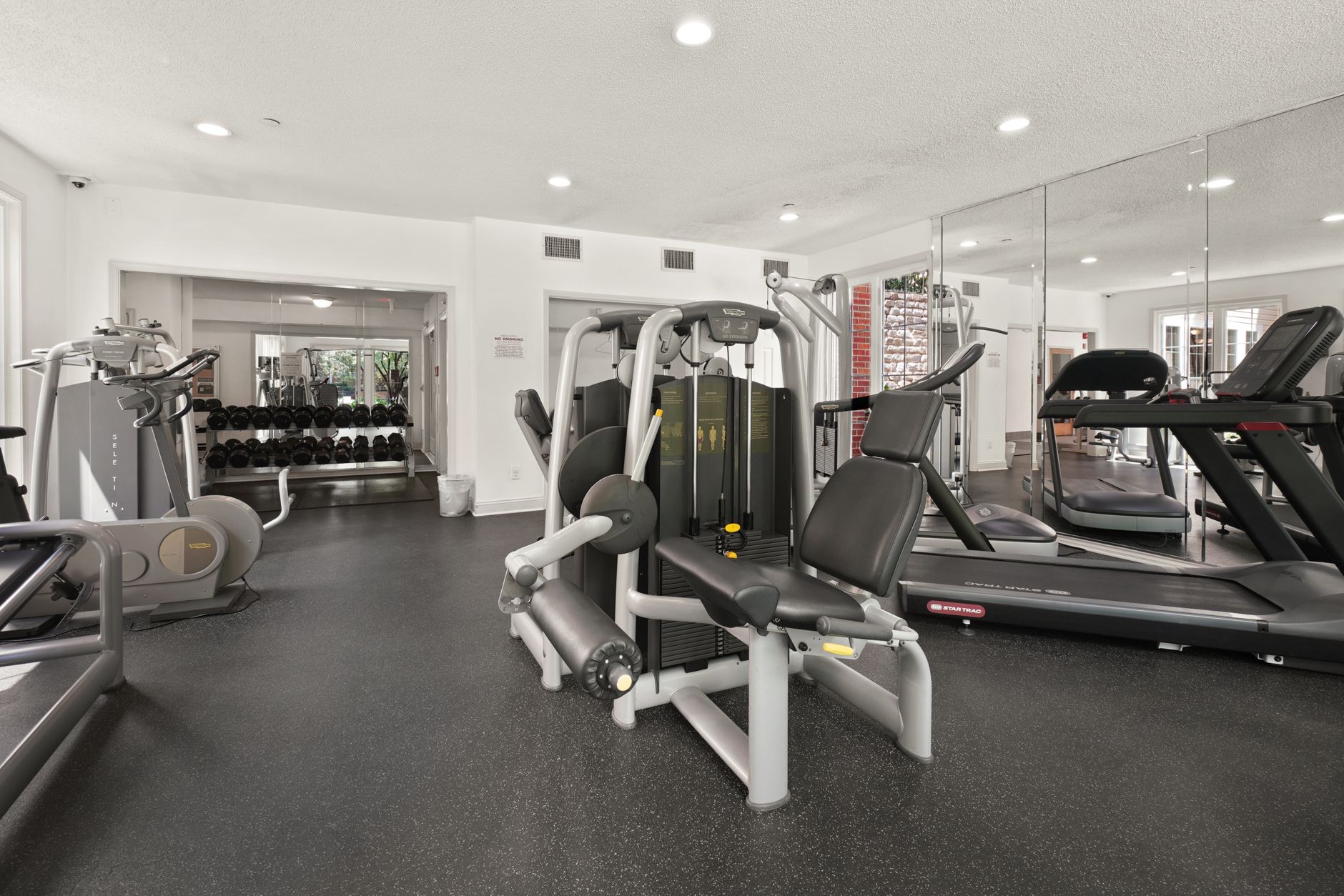
The documented program stayed tightly focused. A security patrol robot covered the parking garage, and a cleaning robot was deployed in the fitness center. For operators weighing a security patrol robot rental alongside a commercial cleaning robot rental, that pairing is the real operating pattern to notice.
The source does not publish a step-by-step rollout playbook, but the logic is clear. Put autonomous patrol where incidents occur, put robotic cleaning where condition is immediately visible, and fold both into normal site operations instead of treating them as novelty equipment.
- Place robotic patrol in the garage where the security problem was concentrated.
- Place robotic cleaning in the fitness center where residents would see the result every day.
- Judge the program on incident reduction and amenity sentiment, not on novelty.
- Use the deployment as an operating tool for property management, not a tech showcase.
Clear movement on both safety and resident experience
The headline result is unusually crisp. Garage incidents dropped to zero within 60 days, and the property manager quote on the source page says the security robot in the garage cut break-in reports to zero. That is a strong signal for multifamily operators because it touches both incident count and resident confidence.
The amenity side improved as well. The same source says resident satisfaction scores on amenities rose 20%, and the quoted member-amenity score moved from 7.2 to 8.6 in the first quarter. The cleaning robot was in the gym every morning at 6, which helps explain why residents noticed the change.
What this means for multifamily operators evaluating Service Robot Co.
This is not a Service Robot Co. deployment. It is a documented market example that shows why multifamily buyers often think in paired use cases, not isolated machines. A garage patrol program addresses visible security exposure, while amenity-space cleaning reinforces the day-to-day resident impression that keeps a property feeling well run.
That is where Service Robot Co. fits. We are a full-service, OEM-neutral commercial robot integrator for U.S. businesses, and we help operators compare service robot rental, commercial robot rental, robot rental monthly, robot as a service, and robot leasing for business structures. From there, the job is execution: robot deployment and integration, team training, maintenance included support, and a vendor neutral robot integrator that stays accountable through the full lifecycle.