
a third-generation 130-cow family dairy
Robotic Milking Lifts Yield 23 to 24% at a Family Dairy
See how a 130-cow family dairy raised milk yield 23 to 24% and cut daily milking and wash-down from 2 to 3 hours to 20 to 30 minutes with two robots.
- 23 to 24%
- Milk yield gain
- 22.6 L
- Previous yield per cow
- Nearly 28 L
- New yield per cow
- 20 to 30 min
- Daily milking and wash-down
Based on a documented real-world deployment. Figures are from public reporting; the organization is not named.
A Parlor Schedule Under Pressure
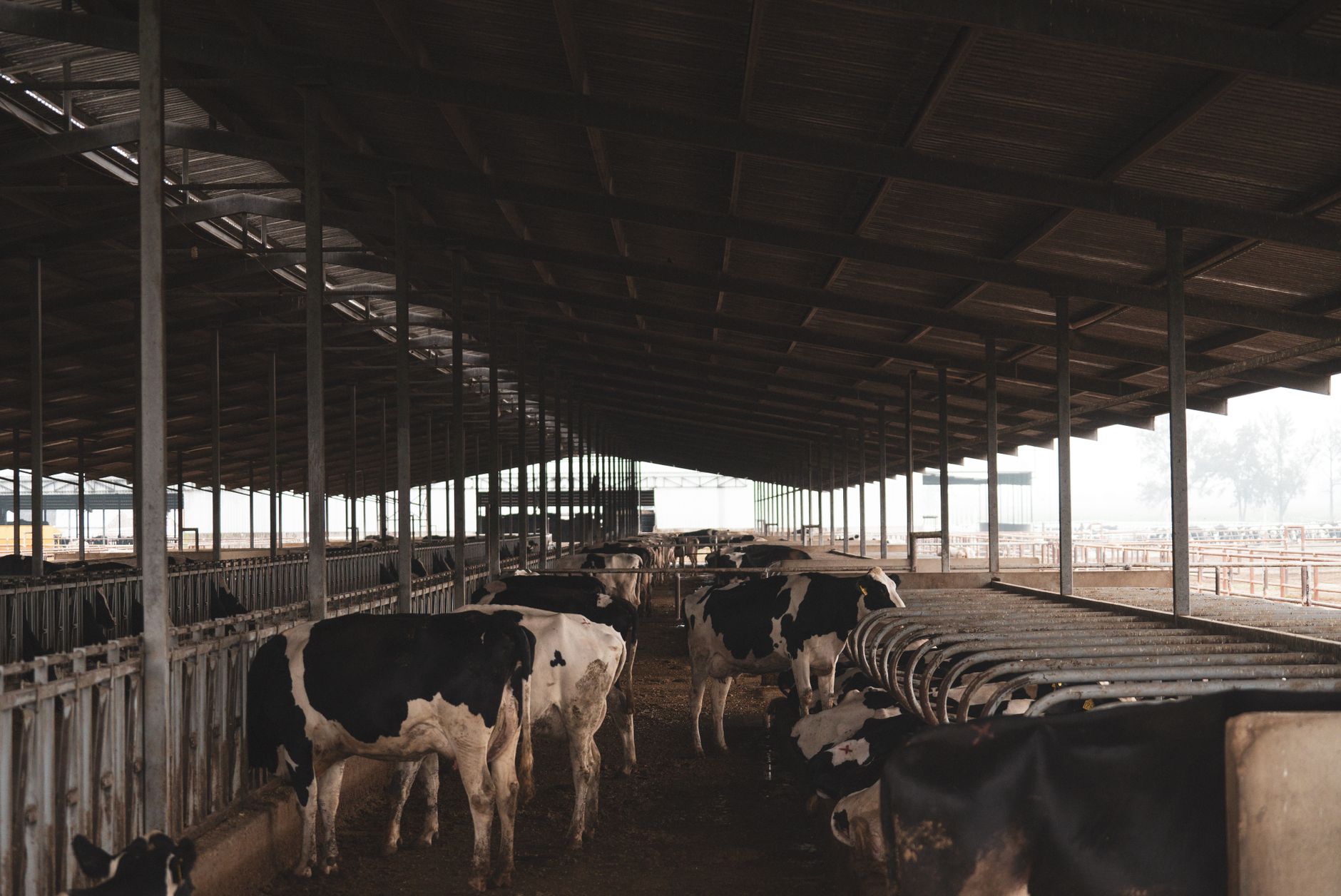
Labor shortages had made relief cover increasingly difficult to arrange. The dairy depended on a relief milker for 10 milkings each week, while staffing pressure added another layer of uncertainty to an already exacting operation.
Conventional milking and wash-down consumed 2 to 3 hours every day and tethered the family to fixed milking times. The constraint was not merely inconvenient. It limited flexibility, compressed time for herd observation, and made the traditional parlor harder to sustain.
- Reduce dependence on scarce relief labor
- Release the family from rigid parlor times
- Increase milk yield without sacrificing cow performance
- Create more time for attentive herd management
Automation Built Around Cow Flow
The dairy installed two robotic milking units for its 130-cow herd. Equipment selection centered on an established operating record, accessible local service, and evidence that nearby dairies were already using the technology successfully.
The published account follows the first 12 months after installation, but it does not document a phased rollout or formal training program. What it does show is a clear operating shift: routine parlor labor receded, while health lists and farm data helped direct earlier, more focused observation in the shed.
- Set explicit goals for labor pressure, scheduling freedom, yield, and cow performance
- Install two robotic milking units across the herd
- Give local service access meaningful weight during equipment selection
- Use health lists and herd data to focus daily stockmanship
More Milk, Far Less Parlor Time
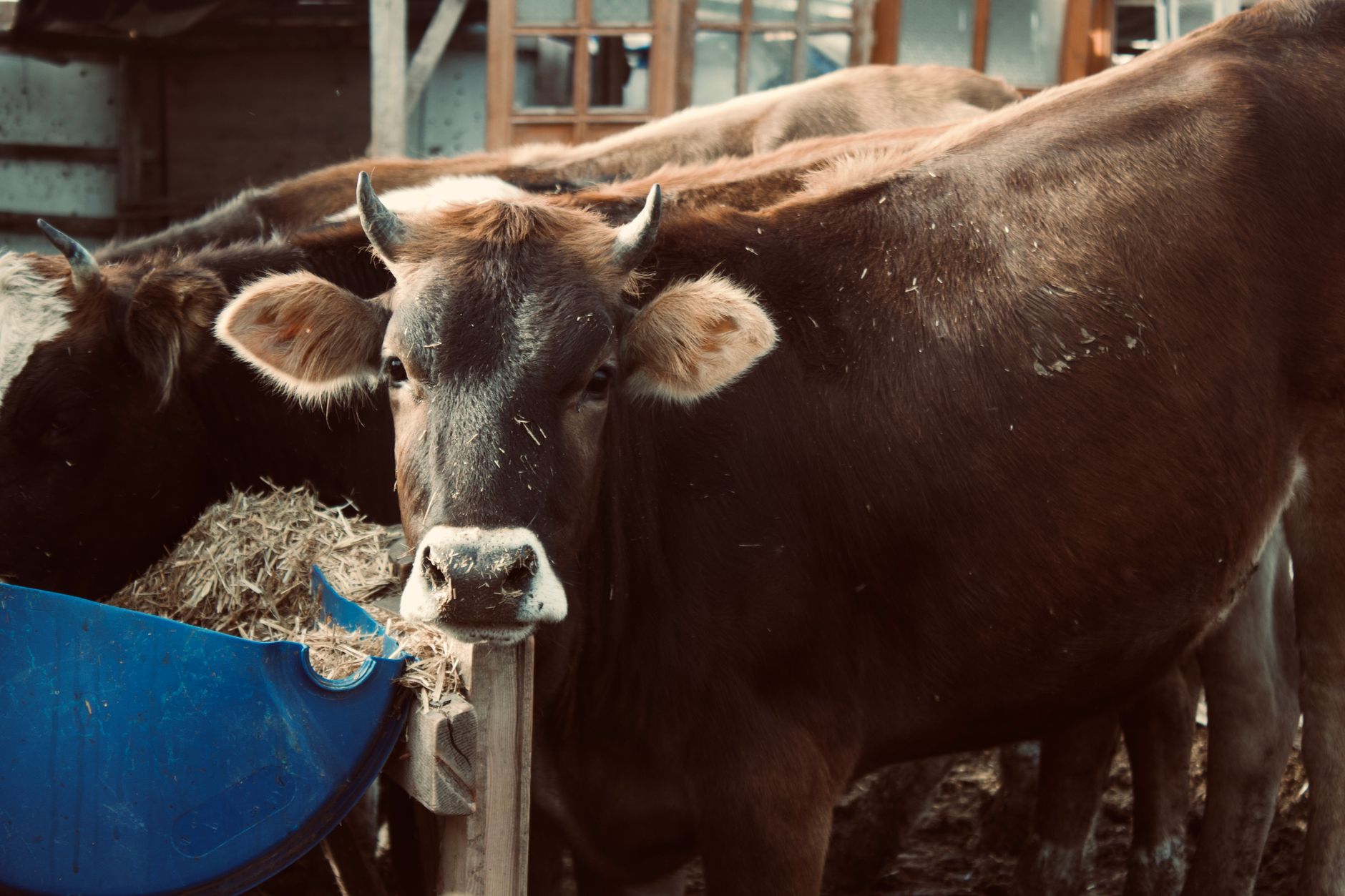
Comparing the year before installation with the year after, average milk yield rose 23 to 24%. Production moved from 22.6 liters to nearly 28 liters per cow within the documented 130-cow operation.
The daily milking and wash-down commitment fell from 2 to 3 hours to 20 to 30 minutes. The dairy also reported that it no longer faced the strain of organizing relief cover for the 10 milkings per week previously handled by a relief milker.
The gains were not confined to labor and output. During the first 12 months, only four cows required antibiotic treatment for mastitis, while the herd was described as calmer and less stressed. More precise feeding, steadier body condition, and earlier visibility into health concerns strengthened day-to-day herd management.
What This Evidence Means for Buyers
This was an independently documented deployment at a third-generation 130-cow family dairy. Service Robot Co. did not install or operate these robots. The example matters because it shows how robotic milking can change throughput, labor exposure, schedule control, and stockmanship at the same time.
For US businesses evaluating automation, Service Robot Co. serves as a vendor neutral robot integrator. We select equipment across manufacturers, compare robot leasing vs buying and robot financing for small business, then manage robot deployment and integration, staff training, and a robot maintenance service plan through a nationwide US engineer network. A free site assessment starts the process, and a single accountable vendor carries the deployment through its working life.