Key takeaways
- Open turf hours are the first place to find crew capacity, and detail work is where clients notice quality.
- Test every new mowing bid against today's crew calendar before you quote it.
- According to Aspire's 2026 report, 59% of contractors plan revenue growth this year and 47% rank margin improvement as a top priority.
- Treat vendor survey figures as direction, not proof, since the sponsor runs the research.
- A supervised robot works only with a mapped site, a named supervisor and a clear rule for when people take the work back.
Can a Mowing Crew Take On More Contracts Without Hiring?
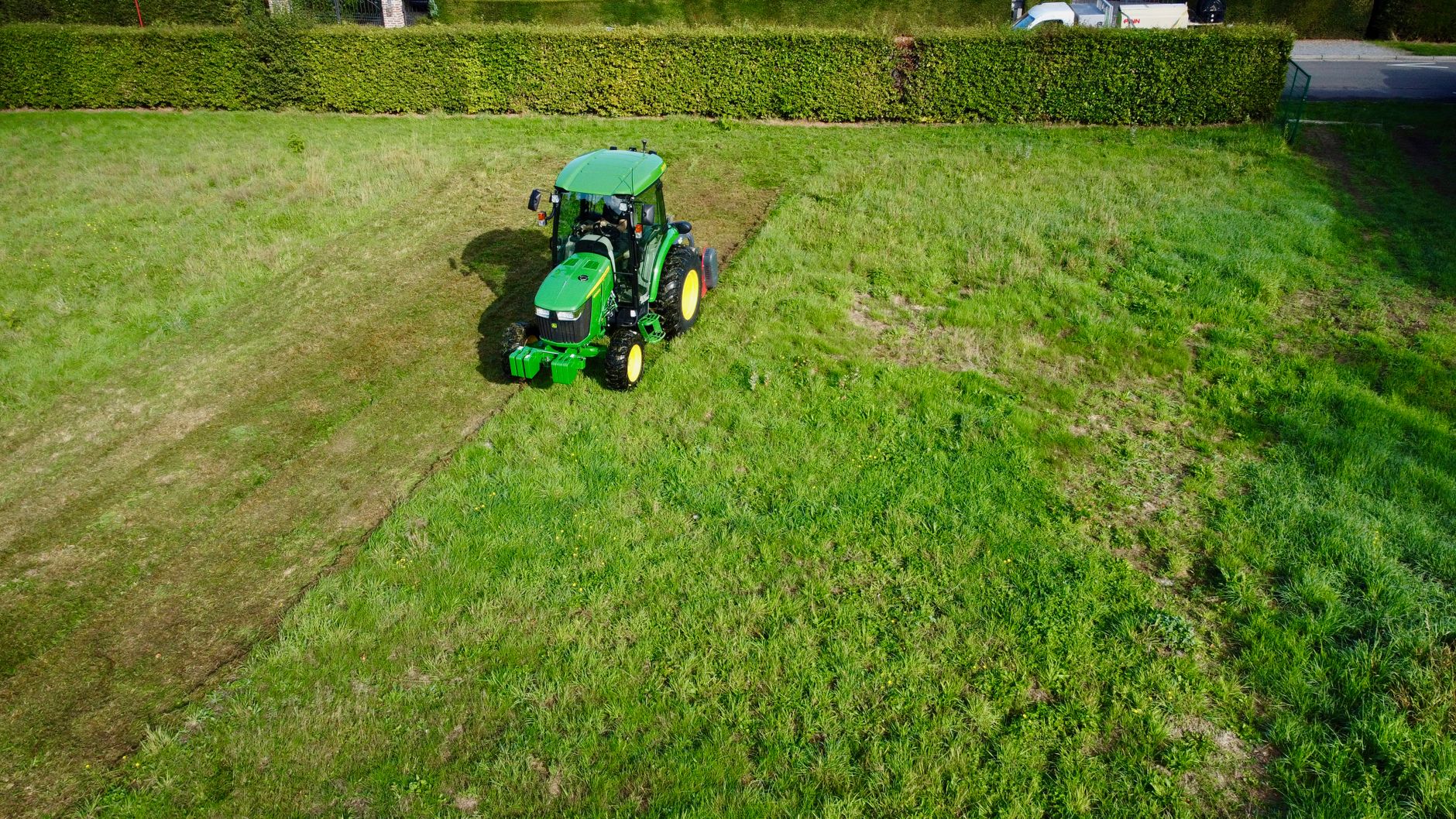
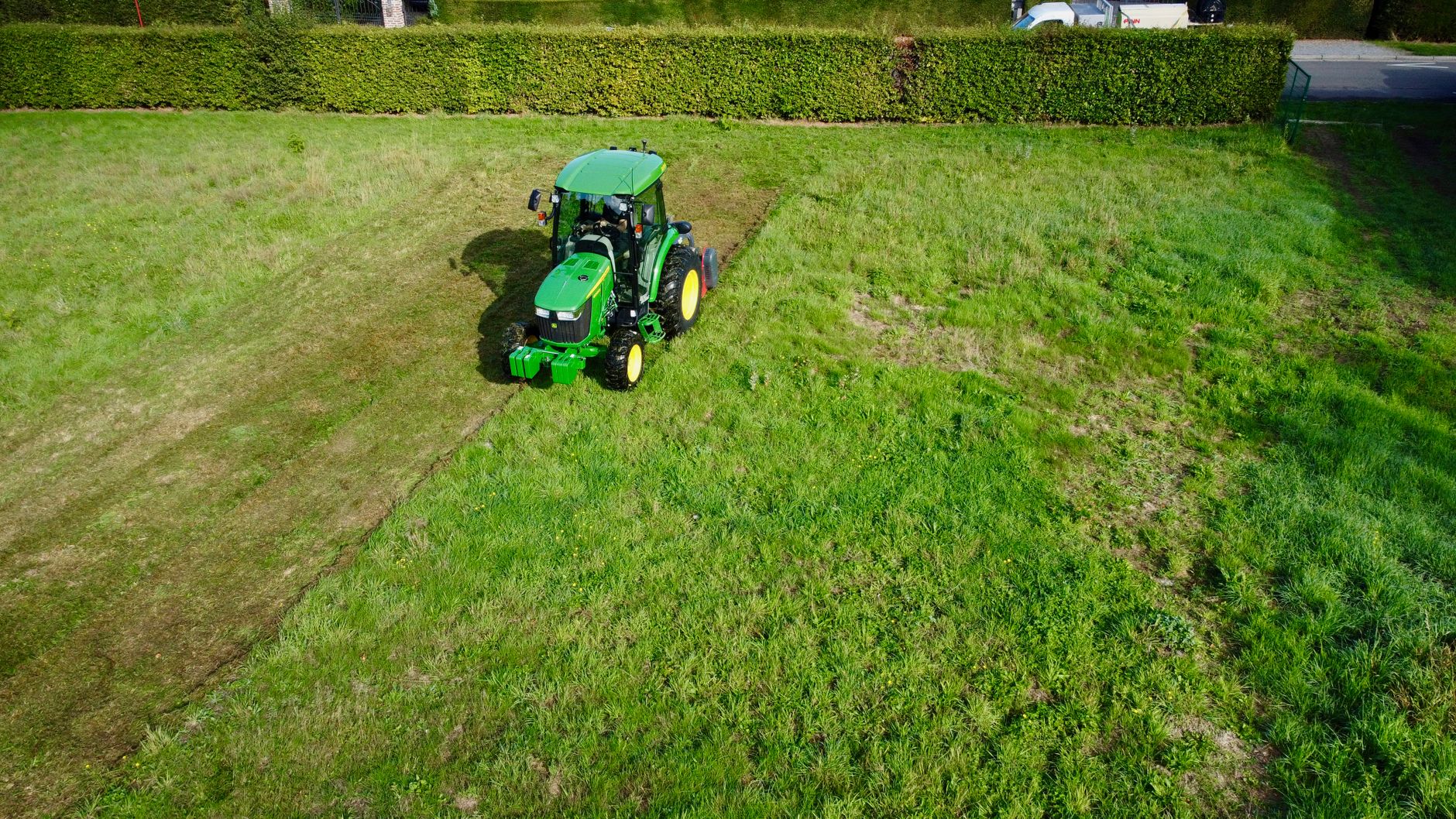
Often, yes. Most crew calendars leak capacity on open turf, the long repetitive passes across large lawns that can tie up a full crew for hours. Those passes call for supervision more than skill, which makes them the natural first hours to hand to a robot.
Moving that work frees people for edging, trimming around fixtures, bed work and the visible detail that keeps a commercial client satisfied. The result is more sites served by the same people, which is the whole point of adding contracts without adding crew.
The market pressure is real. According to Aspire's 2026 Landscaping Technology Trends Report, released April 7, 2026, 59% of contractors plan to grow revenue this year and 47% rank margin improvement as a top priority. Growth without margin is a trap, so new capacity has to come from hours you already pay for.
What the Growth Numbers Do and Do Not Prove
The Aspire report is vendor run. Aspire is a ServiceTitan company, and the research was carried out by Thrive Analytics with fieldwork from December 23, 2025 to January 19, 2026. Read it as a signal about direction, not a measure of your local market.
Sample size is reported inconsistently. One write-up cites more than 500 commercial landscaping professionals, while an Aspire community post says over 1,000. Before you quote any of these figures to a client or a lender, read the sponsor's caveat about its sample mix in the report guide.
Why Open Turf Is the First Hour to Move
Open turf repeats. The same route, cut height and direction of travel recur across a week, which suits a supervised machine that follows a mapped boundary. Crew members spend those hours on a route that rarely changes, watching for the same few hazards on each pass.
Sequencing matters. Schedule the supervised run for a window when the crew is working nearby detail sites, so a supervisor can check the log and respond between stops. A run nobody is watching is where small faults turn into missed cuts.
The crew stays accountable for the outcome. Someone sets the boundaries, reviews the log, reacts to a stopped machine and decides when a site needs a hand pass. Supervision is real work, and it belongs on the schedule rather than in the gaps.

How to Test Whether a New Contract Fits the Calendar
Run the test before you bid, not after you win. Work from the calendar you actually have, not the one you hope to staff.
If the new site fits inside the open turf hours left after detail work is protected, the contract fits. If it only fits by pulling people off edging on existing accounts, the bid is really a hiring decision wearing a contract's clothes.
- Total each current contract's weekly hours by task: open turf, edging and trimming, beds, cleanup and client visits.
- Mark the hours when crew members are on visible detail work, and protect those hours first.
- Count only the open turf time that a supervised robot could take, not every hour on the site.
- Walk the new site and note long runs, slopes, drains and obstacles that would stop a machine.
- Write down the rule for when crew takes the work back, such as a stopped unit or a failed cut check.
Which Work Stays With People

Detail work is what clients judge. Edging lines, trimming around signs and fixtures, spot treatment, clippings cleared from walks and drives, and the final walkthrough all happen when a person can see the result and fix it on the spot.
A supervised robot does not change that. It removes repetition from the calendar, so crew members reach the detail work with their attention intact. Treat the machine as a capacity tool for the long, flat hours, and keep your best people where the client's eye lands.
What Crew Planning Looks Like in 2026
The labor picture is mixed. According to NALP's 2026 talent trends piece, the workforce shortage has stabilized for several profiled companies, but recruiting remains a continuing problem. Aspire's 2026 Commercial Landscape Industry Report makes a related point: hiring challenges are about finding quality talent, not only headcount.
Build the calendar on the crew you have. A stabilizing shortage is not a reason to assume you can staff a new site next month, especially for skilled detail roles that take time to train.
Aspire also claims integrated platform users save up to 20 hours per week compared with manual workflows, and that 20% of its users reach margins above 11%. Both are self reported vendor figures. Check any claimed hours against your time logs for several weeks before you count them in a bid.
Where Service Robot Co. Fits in a Mowing Plan
Service Robot Co. is a full service commercial robot integrator for US businesses. We are OEM neutral, so we select the right robots across manufacturers for the work, then handle financing, deployment, integration, training and service through a nationwide US engineer network. One vendor covers the whole lifecycle, which is the point of commercial robot leasing done properly.
A contractor starts with a site assessment, and the fixed lease payment is quoted after that assessment. Starting with one leased unit on a single site lets the crew test the calendar math before any wider commitment. Because every unit is serviced by the same team, there is one partner and one number to call when a machine stops.
Frequently asked questions
Want a robot working for you?
Tell us the job and the site. We will recommend the robot, quote the lease, and keep it serviced.