Key takeaways
- Labor was the most pressing concern for 29% of respondents in the 2025 State of the Green Industry report.
- That survey covers the green industry broadly, so it frames mowing crews without measuring them.
- Scarce crew leads and field hands make routine open turf mowing the first task worth protecting.
- Build your crew hour math from your own logs before assuming any robot savings.
- Service Robot Co. leases commercial robots on a three year lease, quoted after a site assessment.
What did the 2025 survey find about labor?
The 2025 State of the Green Industry report, published by Green Industry Pros under the title Staying Rooted, found that 29% of respondents named labor as their most pressing concern. That share sits well above the 13% who named regulatory issues as a primary concern in the same report.
The survey drew 424 respondents, and the figures are as reported by the publisher. They have not been independently audited, so read them as a snapshot of how operators felt in 2025, not as a count of open jobs.
For a crew lead, the message is blunt. Labor is not a background line in the budget. It decides which tasks get done this week and which ones slip into next.
Is labor pressure visible beyond one report?
Other trade press points the same direction, though these are distinct surveys from different years. Landscape Management's 2024 State of the Industry, looking ahead to 2025, reported that labor topped expected challenges, with 64% of respondents reporting labor challenges or difficulty finding reliable workers. Treat that as a 2024 reading.
Green Industry Pros also published a 2025 question and answer with SiteOne's Brian Rowan, who describes labor availability as the primary constraint. The excerpt available does not give a percentage, so this article does not supply one.
Put together, the sources agree on direction but not on size, because they ask different questions in different years.
What does one missing hand do to crew hour math?
Crew hour math starts with people, not machines. A typical commercial crew has a lead who schedules, checks quality and handles exceptions, plus field hands who run the mowers, trimmers and blowers. Take one hand out of the route and the work does not shrink. It moves, usually onto the lead.
The useful question is which hours are truly flexible. Open turf mowing repeats on a weather window, so it can slide by a day but cannot quietly disappear without a client noticing. Edging, trimming, irrigation checks and client calls need judgment, and they often need a person standing on the spot.
The notes behind this article carry no verified crew hour, wage or mowing productivity figures, so no such number belongs here. Pull your own logs instead: hours per mowing cycle, cycles per week, and hours lost to recovery whenever a hand was out. Those three numbers turn a vague labor worry into a measurable decision.

Why protect routine open turf mowing first?
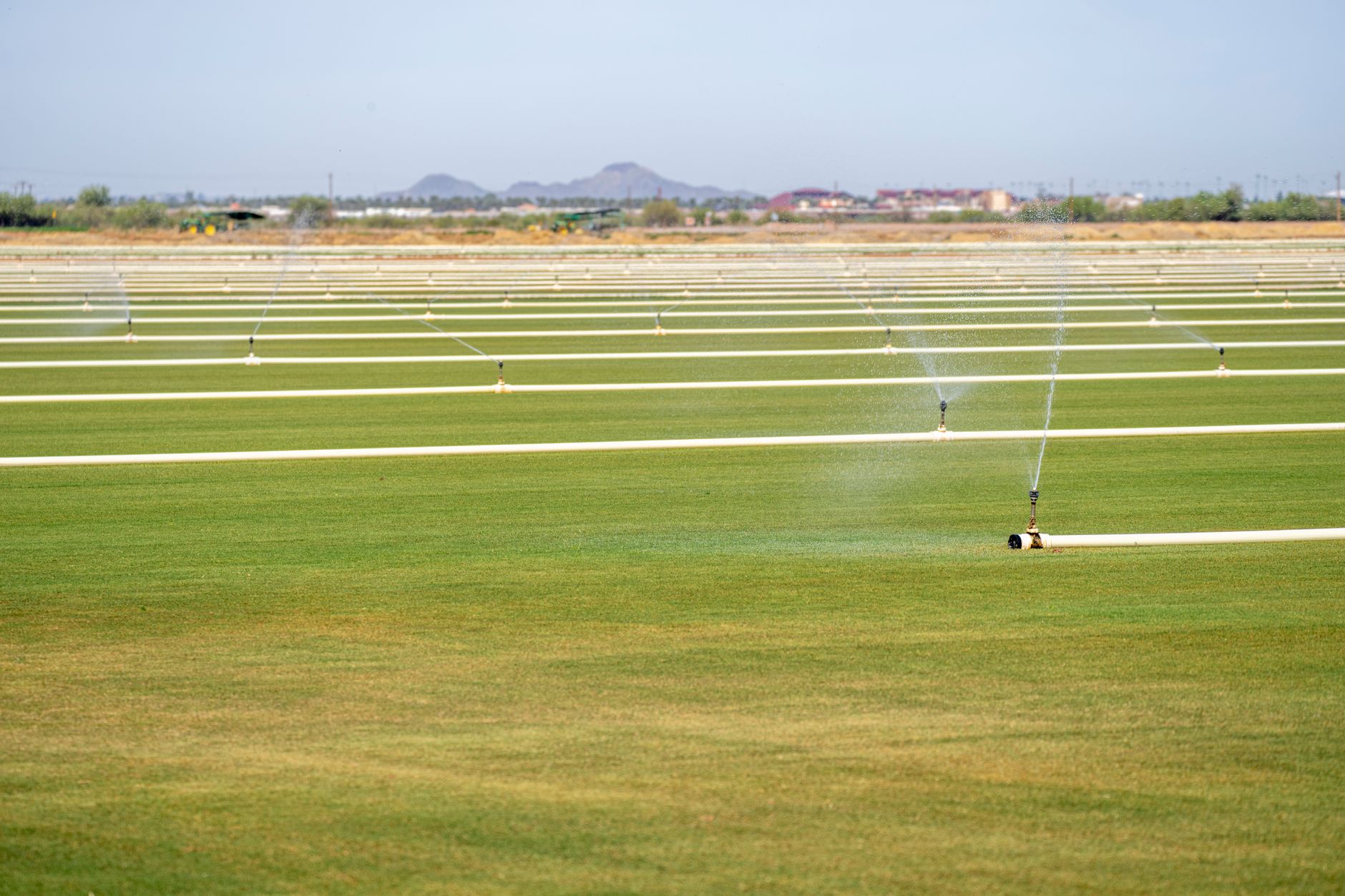
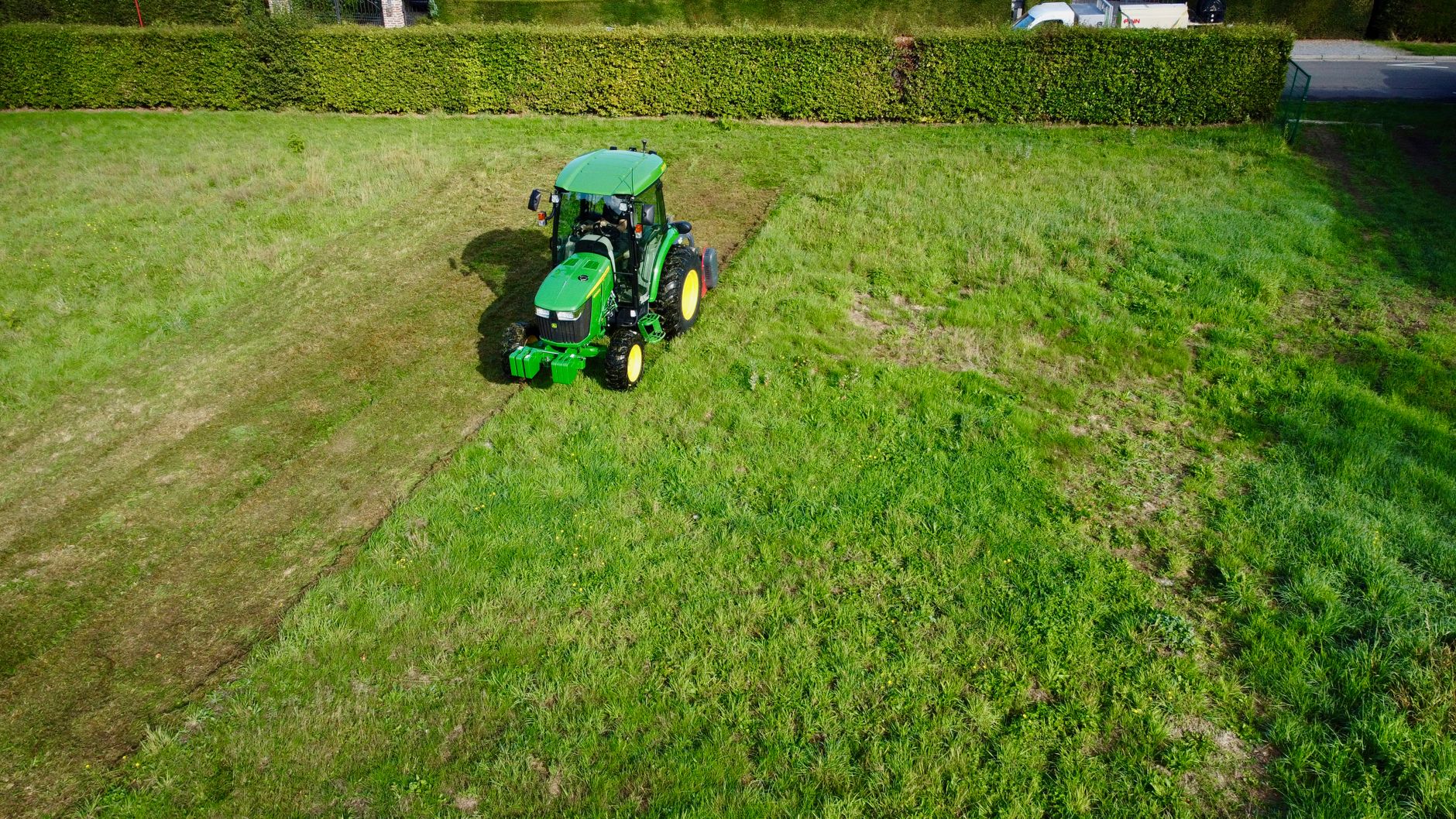
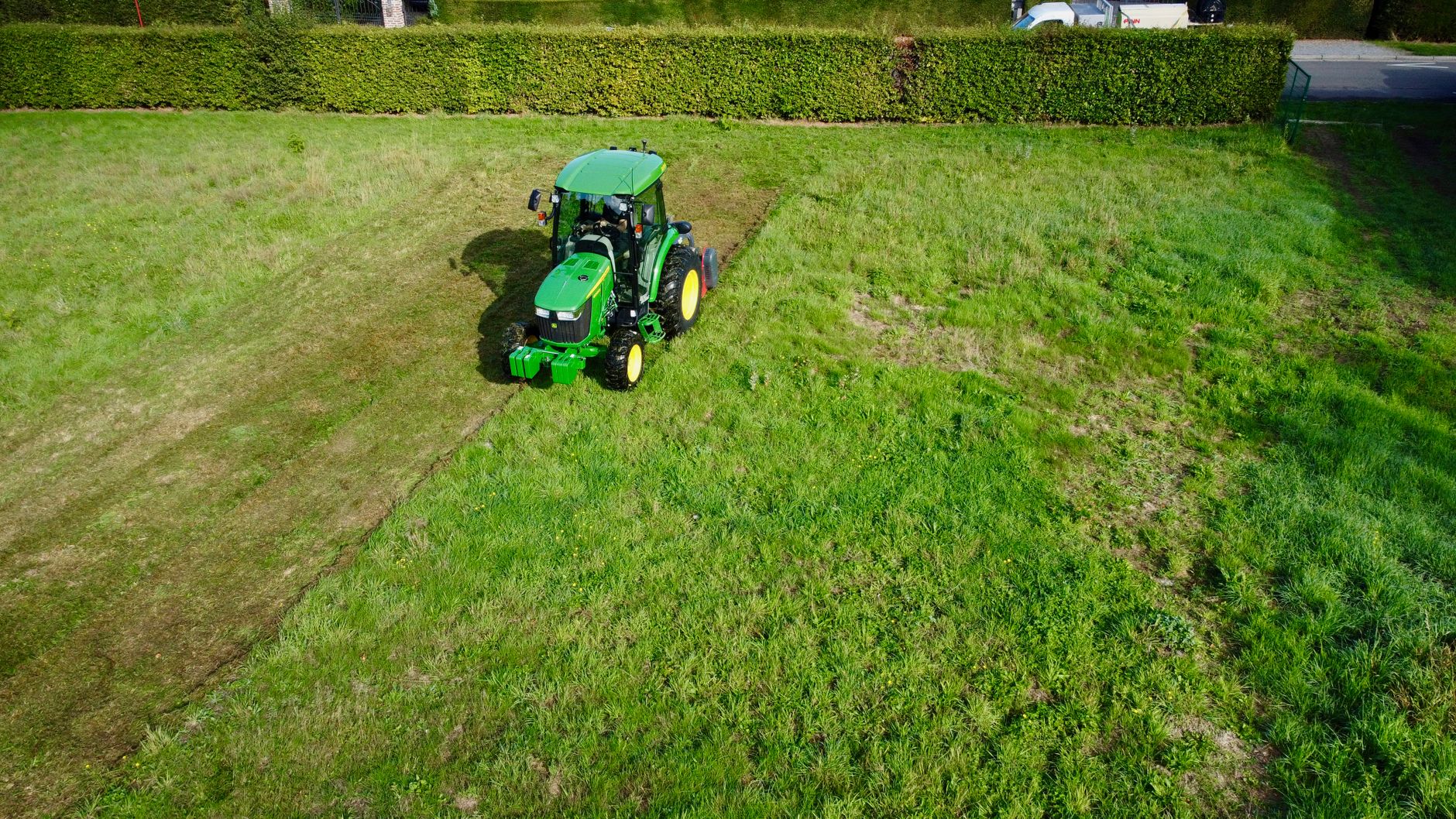
Open turf mowing is usually the most repeatable task on a commercial grounds contract. It follows the same path, has fewer decision points than beds or hedges, and carries a large share of crew hours on a big property. That combination makes it the most sensible work to hand to a machine, while people keep the judgment calls.
Protecting it first also keeps the crew whole. When open turf is covered, the lead can spend the freed hours on exceptions: a sprinkler head, a sunken edge, a client who wants a fresh line. When it is not covered, each missed hand shows up as a late mowing day across the whole site.
The survey has limits. It covers the green industry broadly, including landscape, lawn care and nursery firms, and the excerpts do not break out mowing crews. It is also a 2025 report, and it is now late 2026. Use it to frame the question, then answer the question with your own site data.
What should a crew lead measure before changing the route?
Before any change, a lead should be able to describe the ground in plain numbers. Five items cover most of what a site assessment will ask:
Write these down before the first conversation. A vague description produces a vague quote, and a vague quote is hard to test against real hours.
- Mowed acres and the number of separate open turf zones on each property
- Obstacles per zone, such as islands, cart paths, irrigation heads and drain grates
- Weather hold days in a typical season, since wet turf stops a machine as readily as a crew
- Hours logged on exceptions during weeks when a field hand was absent
- Edges where turf meets hardscape closely enough to need a person checking them
Where does a robot lease fit once the audit is done?
Service Robot Co. is a full service commercial robot integrator for US businesses. We are OEM neutral, so we select the right robots across manufacturers for the job, then lease, deploy, integrate, train and service every unit through a nationwide US engineer network. One vendor covers the whole lifecycle.
Our offer is a three year lease with one fixed quote, provided after a site assessment. That assessment looks at your zones, obstacles, charging access and staff handoffs before any figure is set. We lease the robots and do not sell them.
Bring the audit numbers to that call. They are what the assessment needs, and they are the only honest basis for comparing a robot against the crew hours it would free.
What trade-offs come with a mowing robot?
A robot does not remove the need for a lead. It shifts the lead's attention from pushing a machine to checking the boundary, the route log and the exceptions. Crews should expect that shift and train for it before the first full week.
Mapping takes time up front, and a property that changes often, with new beds, fresh irrigation or new sod, needs its boundaries updated. Weather holds still apply, because wet turf and storms stop any mower. The gain is predictable hours on routine ground, not work through a storm.
Prepare for the day a unit goes idle. A missed route on one robot should not become a missed mowing day, so ask any integrator how spares and crew fallback are handled, and test that answer before trusting the numbers.
Frequently asked questions
Want a robot working for you?
Tell us the job and the site. We will recommend the robot, quote the lease, and keep it serviced.