
Key takeaways
- Analysts expect hospital and elder-care robot use to widen, but that outlook is a forecast, not a measured adoption figure.
- Delivery has the deepest public record, with more than 100,000 Moxi trips reported at two Rochester hospitals.
- The claim of more than 50,000 staff hours returned is the health system's own estimate and has not been independently measured.
- Elder-care cleaning results so far are vendor-reported, including a 40% cut in floor care workload at one memory care site.
- Judge any hospital robot by its trip logs, a bounded pilot on one corridor and the staff time it actually returns.
Where are hospital cleaning and delivery robots headed?
Hospital delivery robots have moved beyond demonstration at some health systems, and the evidence is strongest for transport work. Medications, supplies and laboratory specimens are the tasks with public trip counts. Cleaning robots have a thinner public record inside hospitals, and the wider push into elder-care settings still rests mostly on analyst forecasts.
Analysts expect use to broaden across healthcare and elder care. That expectation describes direction, not adoption. It does not tell a facility leader how many sites have gone live, how well the machines held up on real corridors, or how much staff time came back. Separating the forecast from the measured result is the first job, and the rest of this article does that sorting.
What does the Lunendonk outlook actually establish?
The outlook that frames this topic is an industry prediction from Lunendonk, as reported by silicon.eu, that healthcare and elder-care facilities will broaden their use of cleaning and delivery robots. The research behind this article could not surface that report, so its wording, publication date and scope remain unchecked. Nothing in this piece treats it as a measured finding.
Read it as a signal about where facility teams may look next, not as proof that the move has produced results. An analyst can be right about direction and still say nothing about performance, safety or cost at a given site. If the original report becomes available, its method should be checked before any figure from it reaches a budget memo.
What has been measured in hospital delivery?
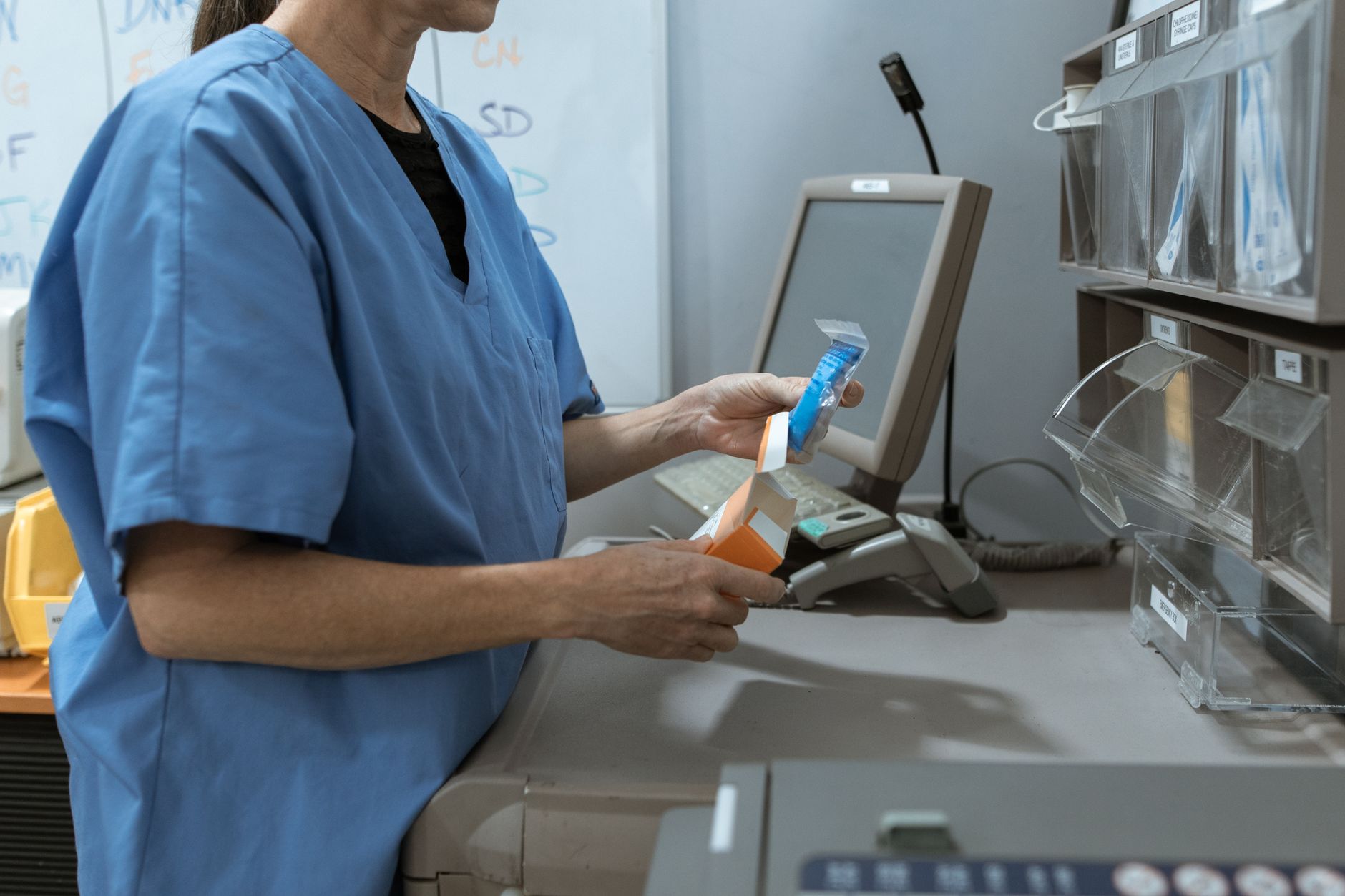
The most concrete public figures come from Rochester Regional Health, which runs Moxi robots at Rochester General Hospital and Unity Hospital. A regional news report from August 2026 says the robots have logged more than 100,000 trips. Of those, more than 75,000 were deliveries at Rochester General and more than 25,000 were at Unity, counted since 2023.
The named tasks are medications, supplies and laboratory specimens. Those runs repeat along known routes, which makes them easier to baseline than open-ended work. A facility judging a similar robot can compare completed trips, handoffs needed and nurse interventions against a manual runner's log, instead of arguing from a headline count.
Which figures are the health system's estimates?
The same report says the robots have returned more than 50,000 hours to staff. That is the health system's own estimate, not an independent measurement, and it should be read that way. The sources reviewed here do not publish the method behind it, so a reader cannot check how walking time was isolated from other work.
Fleet size is also a moving target. An undated CBS News report gives eight robots in use, and the count may have changed since that report ran. Only the regional news report confirmed the 100,000 trip figure in this research, so independent confirmation is still missing. Treat every number here as a starting point for questions, not as a benchmark to copy.
What does the elder-care evidence look like?
Elder-care evidence is thinner still. A Direct Supply case study describes a memory care site that reported a 40% cut in staff floor care workload. That is a vendor-reported result from one site, and it has not been checked independently. The useful response is to ask for the baseline, the measurement window and the area the robot covered.
A European research paper points to a similar pattern from another angle. It expects the strongest opportunities in well-defined tasks, including hospital logistics, patient transfer and medication administration. It also notes that investment and regulation make integration difficult. This pass saw only the search excerpt of that paper, not the full text, so its findings are summarized cautiously.

Which tasks are ready now and which are still forecasts?
Sorting claims by the kind of evidence behind them gives a clearer picture than sorting by enthusiasm. Three groups emerge from the material gathered for this article.
The practical reading is that delivery has the deepest record, cleaning in elder care rests on a single vendor data point, and patient transfer remains a forecast. A facility can act on the first group with a bounded pilot, treat the second as a hypothesis to test, and hold the third until its own data says otherwise.
- Public trip data: medication, supply and laboratory specimen runs at two Rochester hospitals, reported since 2023.
- Vendor-reported results: a memory care site's floor care workload, cut 40% according to a Direct Supply case study and not independently checked.
- Forecast only: patient transfer and medication administration, named as opportunities by a research paper that also flags integration limits.
How should a facility leader judge readiness?
Ask for trip logs before headlines. A useful report shows the route, the task, completed runs, failed or assisted runs and the staff time actually handed back. Anything missing from that set is a claim you cannot yet test, however polished the summary looks.
Then test on a single corridor. A phased rollout with a small number of units and a fixed set of routes lets the team measure elevator waits, door handoffs and nurse interventions before committing wider. Ask which tasks have run in similar buildings, how long the pilot program lasted and what the team did when a unit went down.
Check how the robots fit the building's existing systems as well. Doors, lifts and staff handoffs decide much of the outcome, and a trial that ignores them will overstate what the robot can do.
Where does Service Robot Co. fit in?
Service Robot Co. is a full-service commercial robot integrator for US businesses, and it is OEM-neutral. We pick the right robots across manufacturers for the task, then finance, deploy, integrate, train and service every unit through a nationwide US engineer network. Service Robot Co. leases robots through financing on a 3-year lease, with one fixed payment quoted after a site assessment.
A hospital delivery robot lease can start small. Begin with one leased unit, go live with support, and add units only when local logs justify it. Remote triage and on-site dispatch sit beside the robot maintenance service plan, so one partner covers the whole lifecycle.
Frequently asked questions
Want a robot working for you?
Tell us the job and the site. We will recommend the robot, quote the lease, and keep it serviced.