Key takeaways
- The VA's early robot reporting describes mixed success, with units reported as idle or needing staff to chase them.
- Idle time is measurable, so log trips, idle minutes and staff touches before you judge a robot or add another.
- Staff enthusiasm can stay high while a unit goes unused, so training must cover the daily routine and not just the demo.
- Placement matters: the site described as most successful was built for robots, and routes need mapping first.
- Expand a fleet only after one unit has completed its intended routes over a full cycle, not just after it arrived once.
What did the VA's early robot reporting find?
The reporting on the Department of Veterans Affairs' early robot use describes mixed success. A March 2026 report by Nextgov and FCW, also carried by a healthcare trade aggregator, says some sites have seen robots sit idle or need staff to chase them, and that some tools did not deliver medications to their intended destinations. Staff enthusiasm, by the same account, stayed high.
For operators, the short answer is this: the trouble reported is operational, not a final verdict on hospital robots. Idle units, missed destinations and staff time spent on retrieval are all things you can measure, plan for and train against before a fleet grows.
The uses named in coverage were supply and meal delivery, pharmaceutical mixing and packaging, and facility cleaning. Coverage also says none of the responding sites had local robot policies, procurement frameworks or working groups.
Why do robots sit idle when staff still like them?
Enthusiasm and utilization measure different things. A nurse or pharmacy technician can like a robot and still walk the route by hand, because the unit is charging, waiting at a door or stranded on the wrong floor. The reporting does not give a full list of root causes, so the points below are questions to answer at your own site, not findings from the VA.
Three gaps line up with what the coverage describes: no one owns dispatch, nobody knows what a stalled unit should do next, and no local rule says which tasks the robot must take. An idle unit is often a unit that no one was made responsible for keeping busy.
What set the most successful site apart?
Coverage describes the Houston DeBakey VA as the most successful implementation, and attributes that to a site built for robots. Officials said hospitals do not need to be rebuilt to use them. Both points can be true at once, and the gap between them is where the planning work sits.
Treat it as a placement lesson. Before a robot runs a route, map the doors, elevator banks, ramps and dead ends it will meet, and identify which of them the building already handles well. Starting with routes that already work is a cheaper test than redesigning a wing, and it gives staff a route they can trust.
What should usage tracking record before you judge a fleet?
Count completed trips, not demonstrations. A robot that answers a request but never finishes the route has produced activity without output. Log each run from request to delivery, and keep failures in the same record as successes so the pattern stays honest.
- Request time, origin and intended destination for every task
- Idle minutes during staffed hours, by shift
- Each staff touch: retrieval, recharging, door help or a manual reroute
- Deliveries that reached a destination other than the intended one
- Location of every stall, so repeat trouble spots become a route fix
How should staff training cover idle time and exceptions?
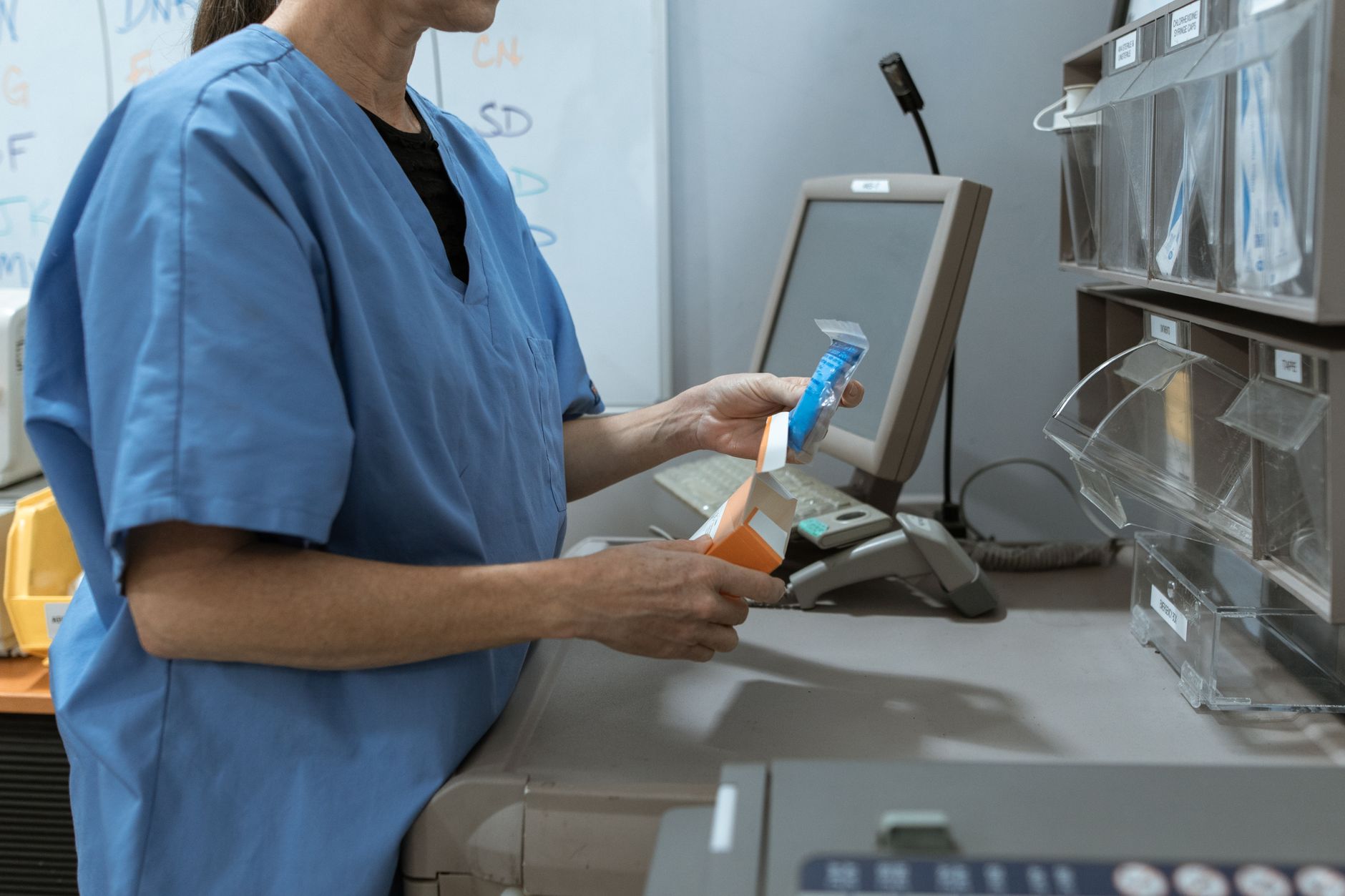
Training that ends at the demo produces the chase problem the reporting describes. Staff need a daily routine: who loads and dispatches the unit, who clears a stall, who calls the service team, and what happens to a unit that leaves its route. Write those steps down and post them where the unit charges.
Give the program a named owner and a small working group, even at a single site. The VA's direction, as the coverage describes it, is toward standardized local policies, procurement frameworks and validation pathways. That points to the same need at any size: a shared rulebook agreed before the fleet grows.
What did the Madison review teach about hallways?
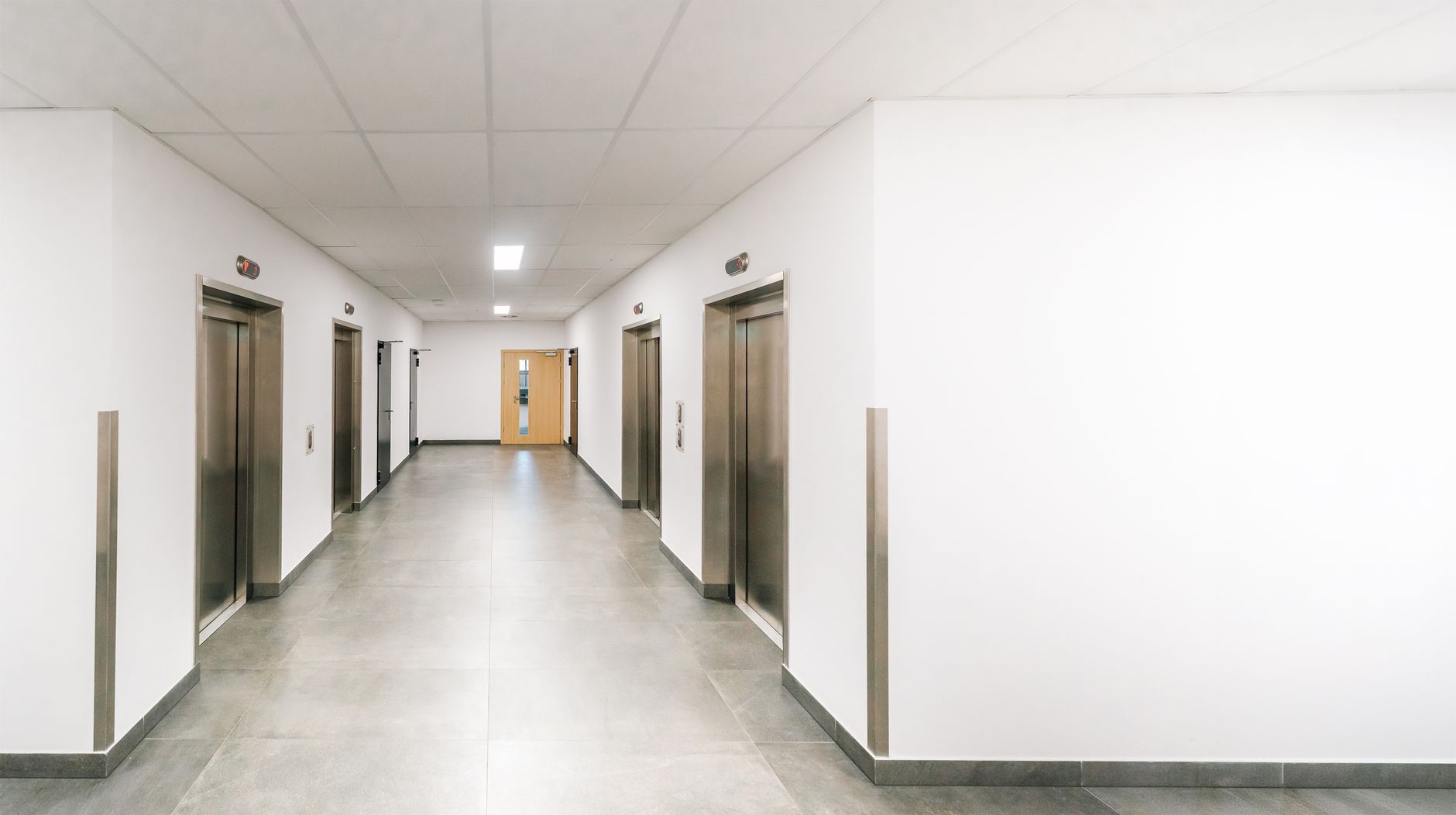
A VA Office of Inspector General review of the Madison, Wisconsin VA Medical Center's robot purchase found the facility had not determined whether the robots could move effectively through its hallways. According to that review, the robots were later taken off the hospital floor.
The lesson is sequencing. Test the actual corridors, doors and lifts with a pilot before commitments are signed, not after. The reviewers' concern was timing: the question about movement came after the decision had already been made.
What does the federal procurement signal mean for operators?
A VISN 1 solicitation posted March 30, 2026 sought autonomous mobile robots for pharmacy and laboratory delivery only, and noted that existing Aethon TUG robots were being replaced. A later VISN 1 listing, posted May 28, 2026, describes a blanket purchase agreement for autonomous mobile robots across the network's medical centers. Its submission period has closed, and no award was confirmed in the listings reviewed.
Two signals stand out. Scope is narrowing to defined tasks, and replacement is part of the plan rather than an afterthought. For a private operator, that argues for choosing robots by task and asking early how a unit is swapped out if it underperforms.
How does a phased start protect a hospital robot program?
Start with one unit on one route, measure it through a full cycle, then decide. A small first group is easier to measure than a full fleet, and easier to pull back if a route fails. The aim is a phased deployment that keeps the floor running, so pick a first route the building already handles well.
Service Robot Co. is a full-service commercial robot integrator for US businesses. We pick the right robot across manufacturers for the job, then lease it through financing on a three year lease with one fixed payment quoted after a site assessment. We deploy and integrate the unit, train the staff who run it, and service it through our nationwide US engineer network, so one vendor covers the whole lifecycle.
Frequently asked questions
Want a robot working for you?
Tell us the job and the site. We will recommend the robot, quote the lease, and keep it serviced.
Sources
- Nextgov/FCW: VA's early uses of robots have shown mixed success, but excitement remains (March 2026)
- Pulse healthtech news aggregator: VA's early uses of robots have shown mixed success, but excitement remains
- Cleat.ai: VISN 1 robot delivery system blanket purchase agreement solicitation
- Govly: VISN 1 autonomous mobile robots opportunity listing
- VA Office of Inspector General: review of alleged waste of funds at the Madison VA Medical Center
Service Robot Co. is not affiliated with, sponsored by, or endorsed by the companies mentioned in this article.