Key takeaways
- Lahey Hospital and Medical Center in Burlington, MA, describes itself as the first U.S. hospital to implement the ALTA Platform.
- According to the company, ALTA automates lateral transfers between beds, imaging tables, OR tables and stretchers.
- The public sources do not give unit counts, a patient-use start date, staffing details or clinical outcome data.
- Injury reduction and emissions figures come from Able or Lahey and have not been independently measured.
- Settle the human-only steps, the failure procedures and the service terms in writing before any transfer tool enters a unit.
What did Able Innovations deploy at Lahey?
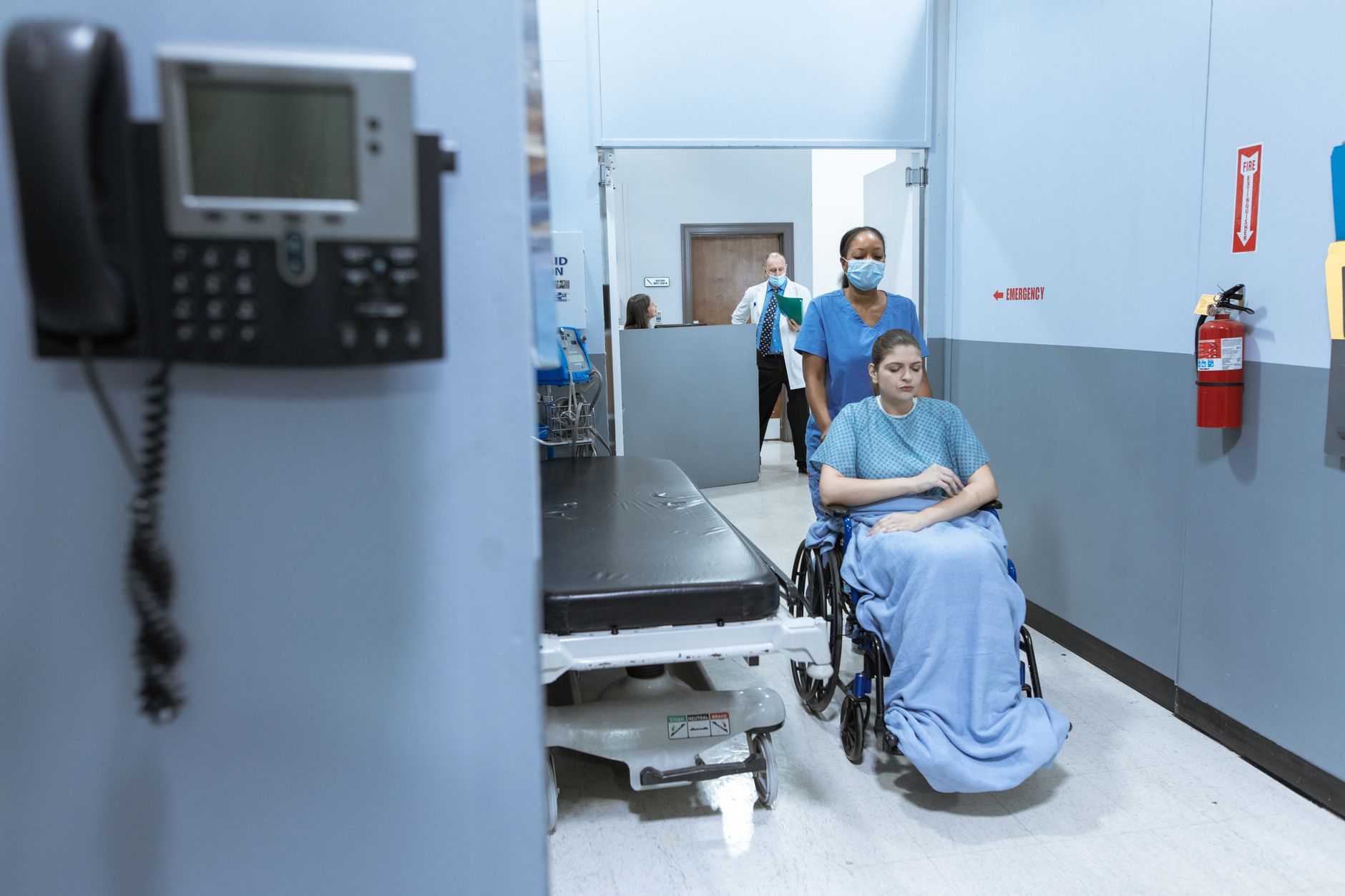
Able Innovations put its ALTA patient transfer platform to work at Lahey Hospital and Medical Center in Burlington, Massachusetts, in March 2026. The launch was announced on March 4, 2026 through PRNewswire, and Lahey's Innovation Hub has since described Lahey as the first U.S. hospital to implement the ALTA Platform.
For a clinical team, the news matters less as a gadget story than as a question about one repeated job: moving a patient sideways from one surface to another. The public record answers part of that question. The open parts are the ones a unit has to settle before a tool arrives.
Where does the robot fit on a unit?
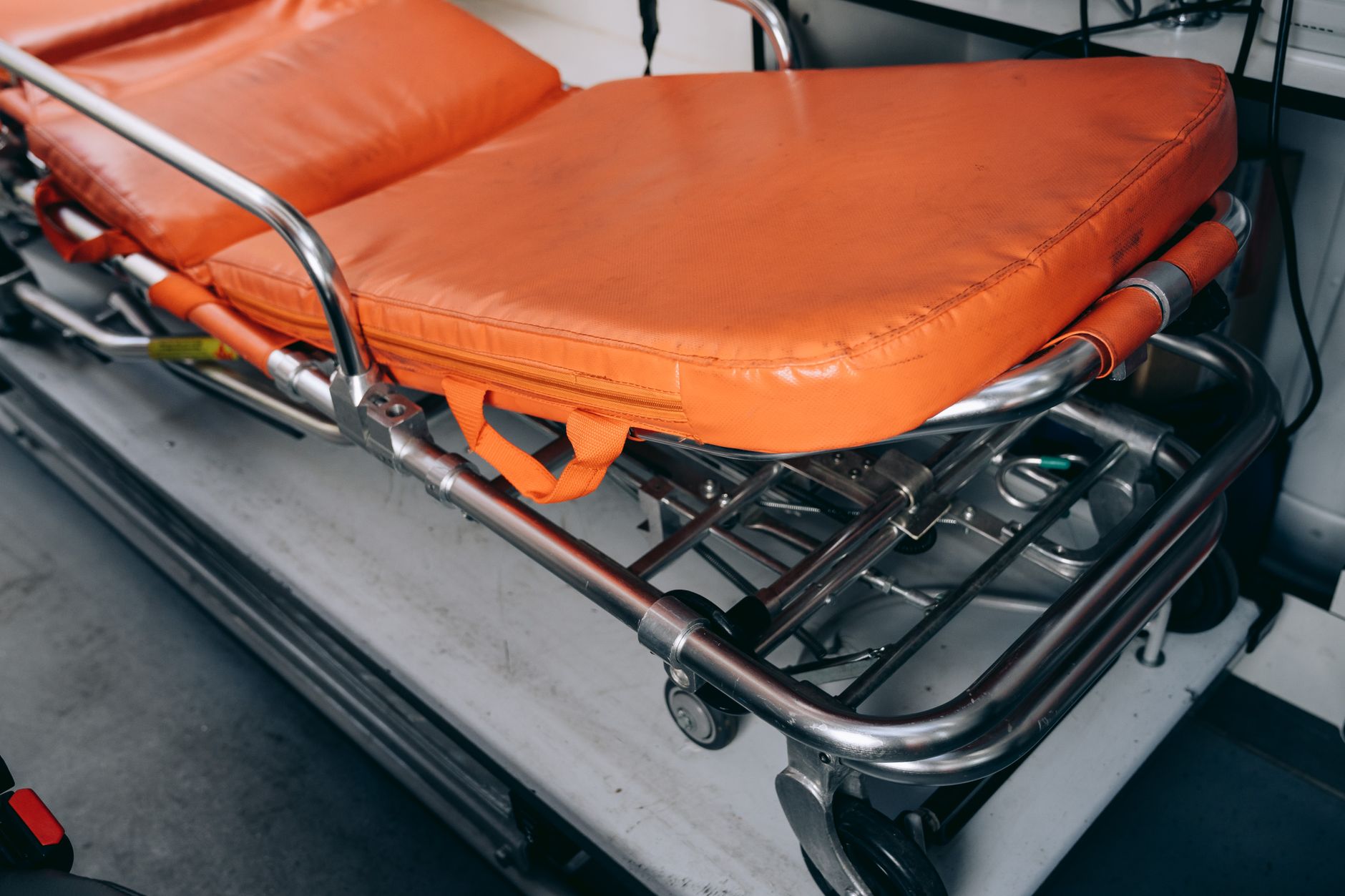
According to the company's release, ALTA automates lateral transfers between beds, imaging tables, operating room tables and stretchers. Those are the handoffs where a transfer tool has to prove itself, since each one moves a patient between two surfaces that may not match.
A move that stays inside one unit is a different problem from a move that crosses into imaging or the OR. Teams should list which of their transfers start and end on those four surface types. The sources reviewed describe no other surface types or patient categories, so that detail has to come from the vendor in writing.
What do staff still do during a transfer?
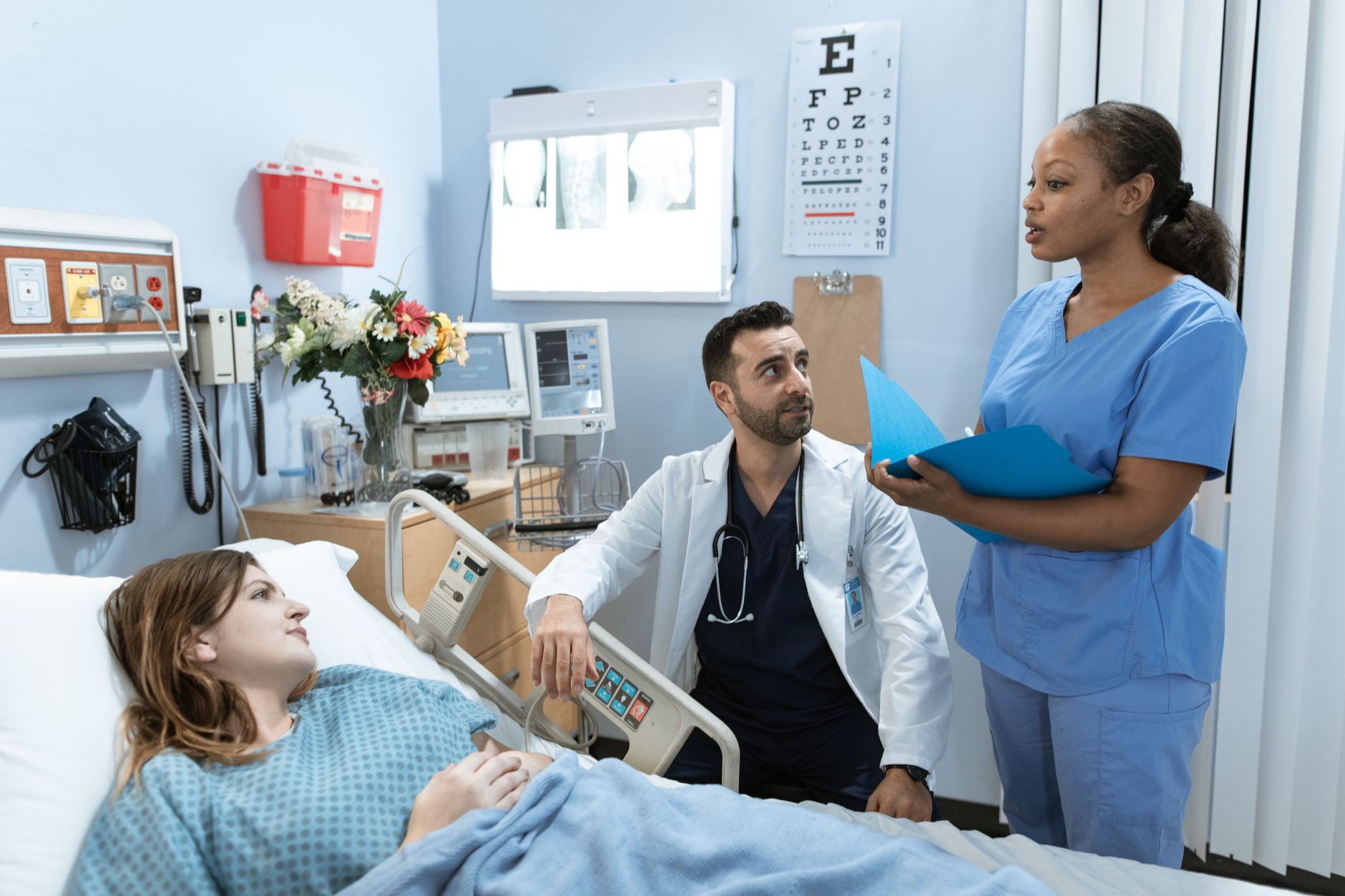
The company description says one staff member can handle a transfer. Lahey and Able have said they will build new workflows that move transfer tasks onto the robot, and launch coverage describes that work as a test of those workflows. The public sources do not spell out the staffing model, the steps performed before and after a move, or how a failed transfer is handled.
The unanswered questions are the practical core. Pre-move assessment, checks of lines and drains, communication with the patient and the decision to move are clinical tasks, and a unit has to assign each one by name. Whatever the robot takes over, those assignments should be written down before a demonstration ends, not after go-live.
What has the deployment not yet shown?
The sources are thin on numbers. None of the material gathered states how many ALTA units Lahey has installed, the date patient use began, or any clinical outcome data. No independently measured result on caregiver injury has been published in what was reviewed.
The claims that exist come from the vendor or from Lahey. Able estimates up to 90 percent lower greenhouse emissions over ten years compared with single-use plastic transfer aids. Lahey and Able describe the aim as lower caregiver injury risk and less strain on nursing and transport teams. A secondary outlet reports early feedback of shorter transfer times and fewer staff per move, but that could not be checked against a primary source, so it stays unverified.
How far has ALTA spread so far?
Able introduced the technology across Canada in April 2025. A Business Wire release from that month says it was evaluated at five Canadian hospitals in 2025.
A Medical Innovation Xchange profile dated May 25, 2026 says Able has installed ALTA in six healthcare systems across North America. That profile is company-sourced text, so the figure should be read as Able's own count. Lahey's description of itself as the first U.S. hospital to implement the platform is also its own account.
What should a unit ask before a transfer tool enters?
Use these questions as an intake list. Each one maps to a gap the public record leaves open.
- Which surfaces does the platform move between, and does each one match our beds, stretchers, imaging tables and OR tables?
- What does a standard transfer look like step by step, and which steps stay with clinical staff?
- How many people does each transfer category require, and what happens when one of them is absent?
- What happens during a failed transfer, a power loss or a device fault, and how is the patient secured?
- What training is required, and who signs off on each person's competency?
- Where are units stored and charged, and how do they pass doors, elevators and corridors?
- What uptime, response time and spare-unit arrangements are written into the agreement?
- Which measures, such as caregiver injuries, transfer time and staff touch time, will the unit record before and after go-live?
Where does a service partner fit in?
Service Robot Co. is an OEM-neutral commercial robot integrator. We select robots across manufacturers, then handle leasing, deployment, integration, training and service through a nationwide US engineer network, so one partner answers for the whole lifecycle.
Our service leasing runs on a three-year lease with one fixed robot lease payment quoted after a site assessment. That assessment is where routes, doorways, elevators and staffing questions like the ones above get worked through on a real floor. This article covers only Able Innovations and Lahey. It does not describe any relationship between Service Robot Co. and either company.
Frequently asked questions
Want a robot working for you?
Tell us the job and the site. We will recommend the robot, quote the lease, and keep it serviced.
Sources
- Lahey Innovation Hub: Lahey Clinic debuts ALTA Platform, first U.S. hospital
- PRNewswire: Able Innovations deploys robotic patient delivery platform in the US
- The AI Insider: Able Innovations deploys robotic system at US hospital
- Business Wire: Able Innovations introduces robotic patient transfer technology across Canada
- Medical Innovation Xchange: Able Innovations profile
- MedTech Spectrum: Able Innovations deploys robotic patient delivery platform in the U.S.
- Pulse 2.0: Able Innovations partners with Lahey Hospital to launch ALTA platform
Service Robot Co. is not affiliated with, sponsored by, or endorsed by the companies mentioned in this article.