Key takeaways
- Require written approval from both the robot OEM and flooring manufacturer before a chemical enters service.
- Validate the exact chemical, concentration, water source, robot configuration, floor system, and disposal route as one use case.
- Test foam, residue, pickup, material compatibility, and cleaning performance under controlled worst-case conditions.
- Use a version-controlled qualification record so every site follows the same approved formula and change process.
What must be approved before a chemical enters a robot?
A cleaning chemical is qualified for robot use only when four conditions are satisfied. The robot OEM permits the exact product and concentration, the flooring manufacturer accepts it for the installed floor system, the product label allows the proposed application method, and a controlled trial shows acceptable cleaning, recovery, foam, residue, and material performance.
Treat that approval as configuration-specific. A chemical that works in one autonomous scrubber may attack seals, disrupt liquid-level sensing, or overfoam in another. The same product may also be acceptable on sealed concrete but excluded from a resilient-floor warranty.
Do not rely on a salesperson's verbal assurance, a generic compatibility chart, or the fact that a cleaner worked in a manual machine. Obtain written answers tied to the chemical SKU, dilution range, robot configuration, floor product, and intended cleaning claim.
Start with a documentary approval gate
Create a qualification file before putting concentrate in a robot. Record the product identifier, chemical supplier, lot or batch, current label, Safety Data Sheet revision, intended task, exact dilution, water temperature, and application frequency. For a disinfectant, capture its EPA registration number, target organism, surface type, contact time, rinse instruction, and permitted application method.
EPA states that if a disinfectant label does not include directions for a particular application method, the agency has not reviewed the product for safety and effectiveness when used that way. This matters because a floor scrubber normally lays liquid down, agitates it, and recovers it quickly. That sequence may not deliver the wet contact time required for a disinfecting claim.
OSHA requires Safety Data Sheets for hazardous workplace chemicals in a uniform 16-section format. Review identification and use restrictions, hazards, first aid, spill response, handling, exposure controls, stability, and disposal information. OSHA also requires worker information and training under its Hazard Communication Standard. Training must cover the actual dilution and handling process, not merely provide access to a binder.
The approval packet should contain two explicit letters or emails. One comes from the robot OEM and identifies allowed concentration, temperature, tank, dosing method, and prohibited ingredients. The other comes from the flooring manufacturer or warranty administrator and confirms that the chemical and procedure do not invalidate applicable care requirements.
Why dilution control is part of equipment qualification
The use concentration, not the concentrate alone, determines cleaning action, foam, residue, conductivity, corrosion risk, and exposure. Validate the highest label-permitted concentration the program expects to use, plus the normal setting. Never test an improvised stronger mix as a shortcut for heavily soiled floors.
Water is a controlled input too. Record hardness, pH, temperature, and source at the pilot site, then compare those values with candidate locations. Hard water can change surfactant behavior and leave mineral film. Very soft water can increase foam. A product qualified with one site's tap water is not automatically qualified for every building.
Use a closed or metered dispensing method where practical. Confirm its output by collecting and measuring several consecutive doses, then calculate the actual concentration. A dial position is not evidence. Recheck after dispenser service, chemical container changes, long idle periods, and any unexplained shift in cleaning or foam.
CDC guidance says to follow label dilution directions, use room-temperature water unless the label specifies otherwise, label diluted disinfectants, and never mix different chemicals. Those rules belong in the robot fill SOP and operator training.
How should foam and seals be screened?
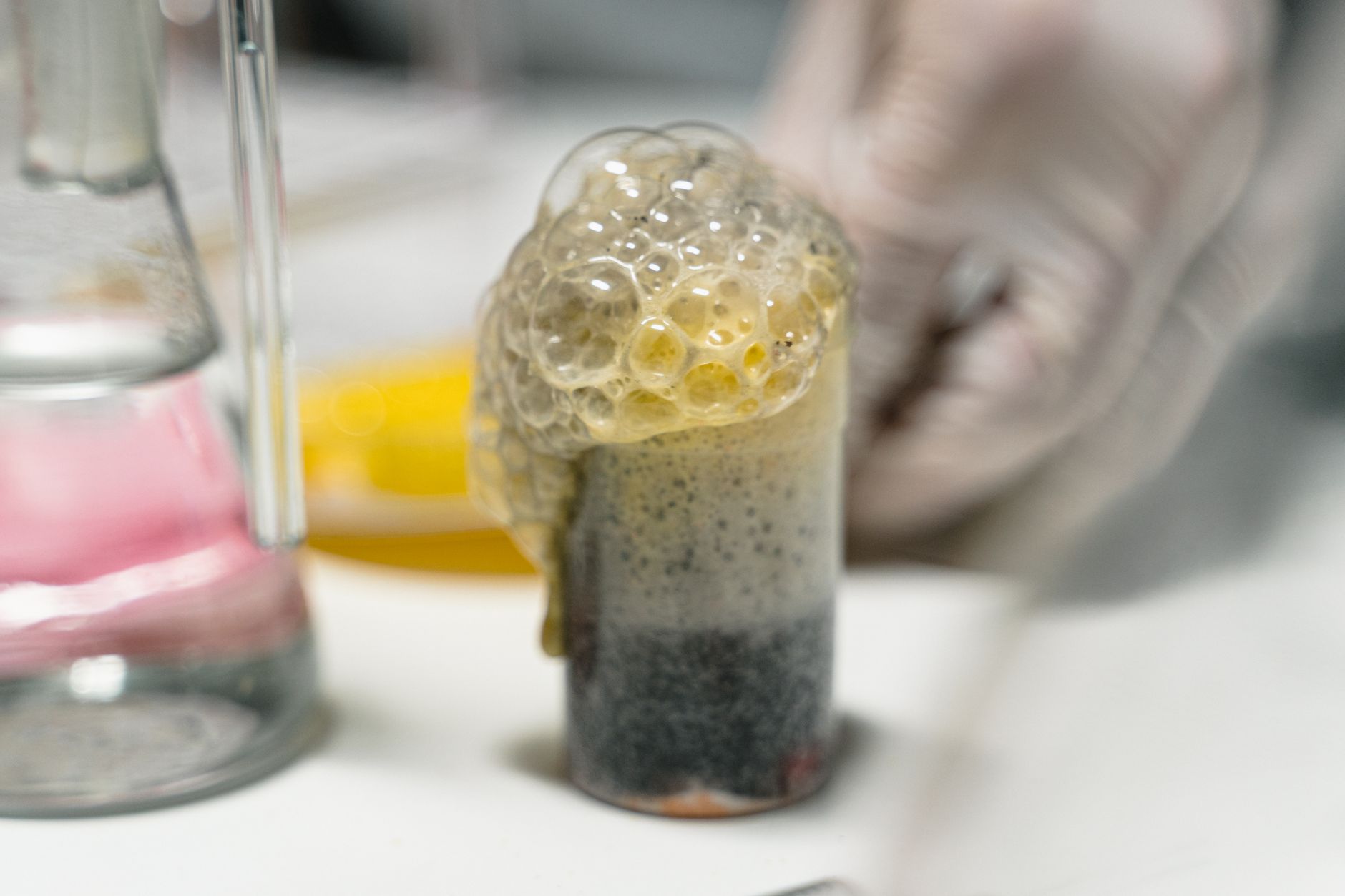
Begin with a bench screen under the site's environmental health and safety procedure. Prepare the proposed use mixture with representative water. Record concentration, temperature, hardness, agitation method, initial foam height, and foam remaining after a fixed settling interval. ASTM D1173-23 likewise identifies concentration, temperature, water hardness, and foam height as reportable variables, although ASTM cautions that its controlled test does not necessarily predict a specific end use.
The operational trial is decisive. Watch the recovery tank, vacuum path, filters, float or liquid sensors, and discharge stream during repeated turns, stops, and high-agitation passes. Reject a mixture that trips a full-tank sensor prematurely, carries foam toward the vacuum motor, reduces pickup, creates wet trails, or requires unapproved defoamer.
Chemical compatibility must cover every wetted component, including tank polymers, hose, pump, valve, gasket, O-ring, squeegee, brush or pad, adhesive, and metal fitting. DuPont's published resistance guide rates 20 elastomer types against more than 1,000 chemicals, which illustrates why a generic statement such as rubber compatible is inadequate. Material family, formulation, concentration, temperature, exposure duration, and mechanical stress all matter.
Ask the OEM for the bill of materials or a written compatibility determination. During testing, photograph and inspect accessible components before exposure, after the final run, and after the chosen dwell period. Look for swelling, softening, hardening, cracking, discoloration, loss of elasticity, leaks, pump noise, and altered flow. The OEM should set acceptable dimensional or performance tolerances.
A controlled floor test that produces defensible evidence
Run the pilot on a representative but contained floor area after documentary screening. Mark matched control and test lanes with comparable soil, traffic, finish age, slope, and drainage. Use fresh water or the current approved cleaner in the control lane and the candidate mixture in the test lane.
A practical internal protocol can use at least three consecutive operating cycles, followed by observations immediately after drying, after 24 hours, and after seven days. These are program-defined checkpoints, not universal regulatory thresholds. Extend exposure when the real schedule is more severe, such as multiple daily runs or long periods with chemical left in the tanks.
Keep speed, down pressure, brush or pad, liquid flow, vacuum setting, route, and number of passes constant. Measure actual chemical and water input, recovered liquid, refill frequency, alarms, interventions, run time, and missed pickup. Document soil removal with the facility's chosen repeatable method, supported by fixed-angle photographs under consistent lighting.
The pass criteria should be written before the trial starts. They should address cleaning performance, no abnormal foam, normal recovery, no leaks or alarms, acceptable dry time, no visible film, no tack, no odor outside the approved profile, and no detectable equipment or floor damage. A result that needs an operator to keep changing settings is not a stable qualification.
- Test ID, date, site, room, lane dimensions, floor manufacturer, product, finish, and age
- Robot asset ID, software version, brush or pad, squeegee, dosing hardware, and maintenance condition
- Chemical product ID, lot, label revision, Safety Data Sheet revision, target concentration, and measured concentration
- Water source, hardness, pH, temperature, and any treatment system
- Route settings, passes, liquid delivered and recovered, alarms, interventions, foam observations, and photographs
- Preapproved acceptance criteria, deviations, corrective actions, approvers, and final disposition
Residue and floor warranties need separate decisions
A floor can look clean while retaining surfactant or disinfectant residue. Film may cause haze, tack, rapid resoiling, wheel tracking, altered gloss, or a change in traction. Inspect under low-angle light after full drying, compare gloss consistently, wipe a defined area with a clean damp cloth, and use the facility's approved traction test when slip performance is safety-critical.
Test repeated exposure, not one attractive pass. Include the normal cleaning frequency and any planned periodic deep-clean concentration. If the product requires rinsing, the robot program must contain a validated rinse pass. Otherwise the application differs from the approved procedure.
Floor instructions vary sharply. One current IVC Commercial maintenance manual calls for carefully diluted cleaners around pH 6 to 8 and lists concentrated chlorinated products, quaternary ammonium products, solvents, and caustic-soda products among exclusions associated with discoloration or warranty limits. That is not a universal pH rule. It is evidence that the exact floor document controls.
Archive the applicable warranty and maintenance bulletin with the qualification. If the building has several floor products, create a chemical-to-floor matrix and geofence routes accordingly. One incompatible room can disqualify a building-wide route.
What is the correct disposal review?
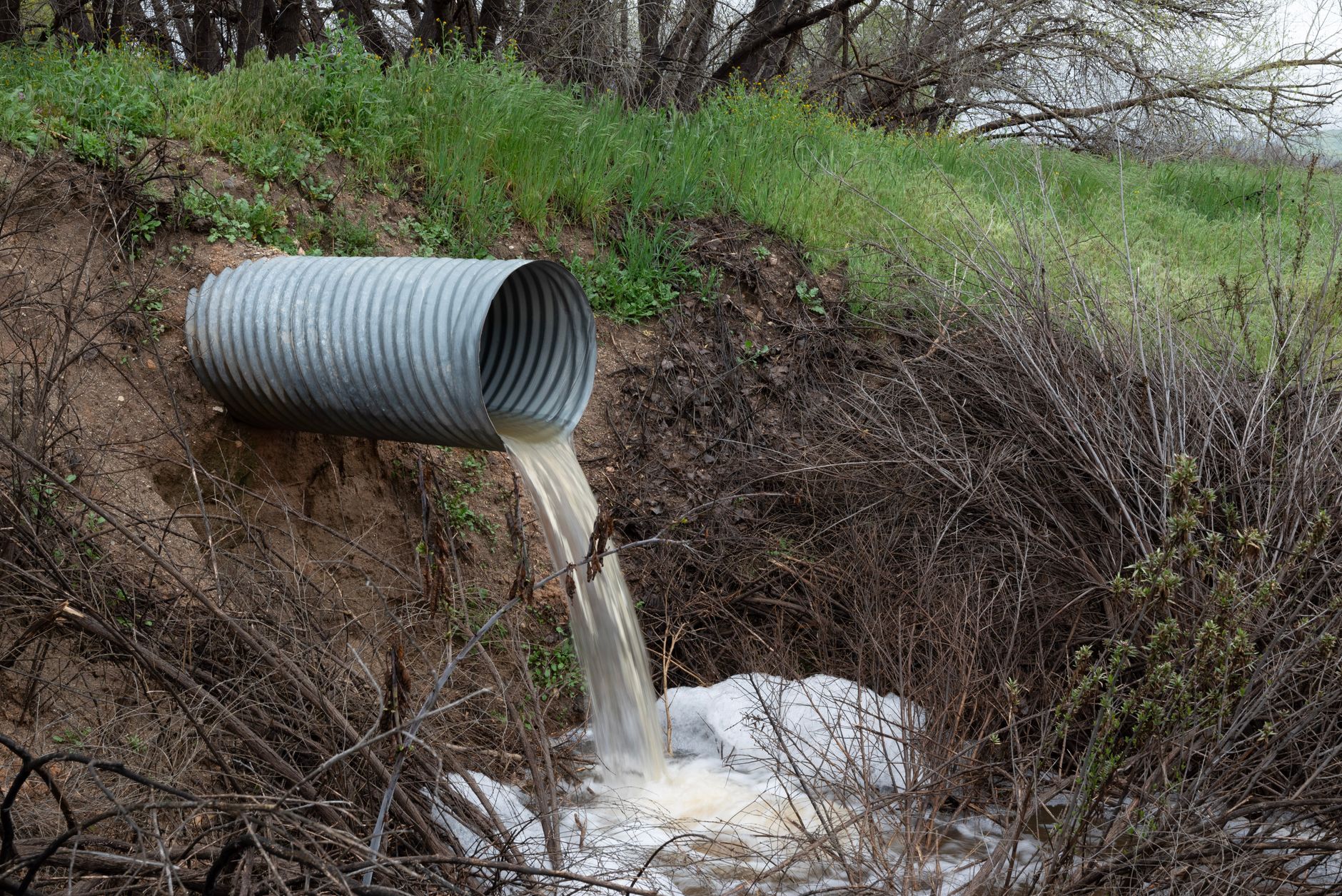
Separate unused concentrate, prepared mixture, recovered scrub water, spill debris, and empty containers in the waste profile. They can have different handling requirements. Consult the product label, Safety Data Sheet, site discharge permit, local sewer authority, state environmental rules, and the facility's waste contractor before authorizing any drain or container route.
Do not convert a vague disposal statement into permission to pour material into a drain. Recovered water may contain oils, metals, food soil, finish, disinfectant, or other contaminants collected from the floor. Local pretreatment limits and facility-specific permits can govern that discharge even when the original cleaner is commonly used.
EPA explains that an unused commercial chemical product becomes solid waste when the generator demonstrates an intent to discard it, and some abandoned or spilled products may qualify as hazardous waste. Record the waste determination, approved collection point, container label, accumulation rule, emergency procedure, and vendor or municipal authorization for each site.
Include tank emptying and rinsing in the SOP. Prevent incompatible residues from meeting inside a recovery tank, sink, or waste drum. OSHA guidance specifically warns workers not to mix cleaning chemicals and calls for training on dilution, storage, ventilation, personal protective equipment, and spill procedures.
How do multi-site programs keep approvals from drifting?
Give every approved use case a qualification ID. The controlled record should connect one chemical revision to defined robots, components, floor systems, concentrations, water ranges, tasks, sites, disposal routes, and training materials. Local teams should see a short approved-use sheet generated from that master record.
Set change-control triggers before rollout. Requalification is required when the chemical formula, product identifier, label, Safety Data Sheet, supplier, concentration, dispenser, robot model, wetted component, brush or pad, floor finish, water chemistry, cleaning claim, or disposal requirement changes. A replacement described as equivalent still needs documentary review.
Service Robot Co. can manage this discipline across a commercial cleaning robot rental or purchased fleet. As an OEM-neutral, full-service commercial robot integrator for US businesses, the company selects equipment across manufacturers, arranges financing, deploys and integrates units, trains teams, and services each machine through a nationwide US engineer network.
That one-vendor lifecycle is especially useful in a robot pilot program and multi-site expansion. Service Robot Co. can keep the chemical matrix, deployment configuration, maintenance history, and field findings tied together, including programs with maintenance included. The result is one partner and one number when a chemical, floor, dispenser, or robot configuration changes.