Key takeaways
- Treat each entrance as a containment zone, not merely another stop on the cleaning route.
- Remove dry sand and salt before wet scrubbing so brushes do not create abrasive slurry.
- Use enough matting for several footsteps, and replace or extract saturated mats during storms.
- Keep storm routes separate from clean interior routes, with dedicated tools when contamination is heavy.
- Rinse chloride residue from robot undercarriages, metal fixtures, and floors before it concentrates and dries.
Contain contamination before the robot travels deeper
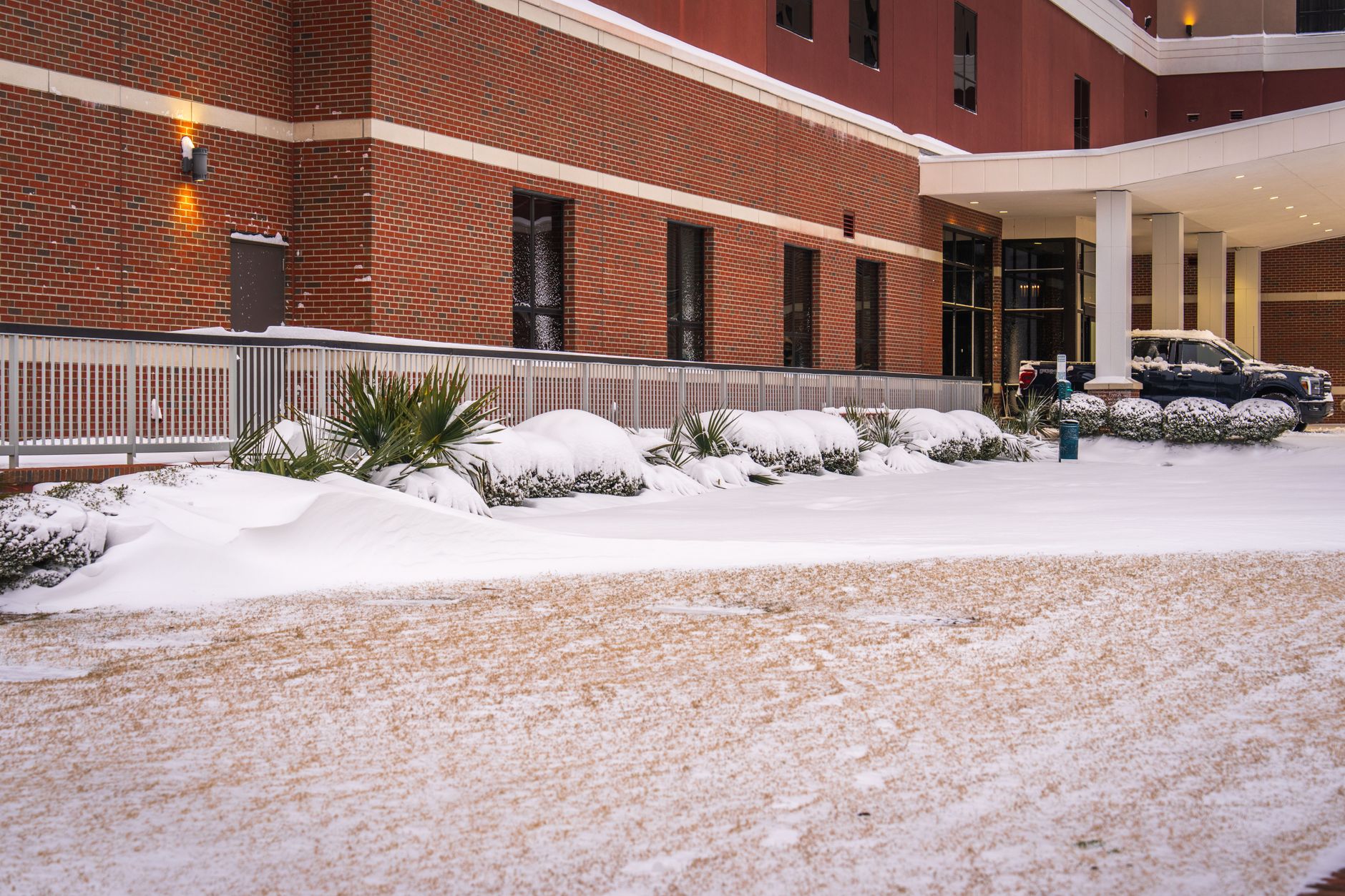
The safest winter deployment confines salt, sand, and meltwater to a small entrance zone. Place scraping and absorbent matting ahead of the robot, collect loose grit before scrubbing, recover dirty liquid completely, and prevent the machine from continuing directly into clean corridors. The robot should work outward from the clean edge toward the doors, then return for rinsing or tool service before taking another route.
Do not send an autonomous floor scrubber through visible piles of salt or standing meltwater simply because the area appears dirty. Dry crystals and sand can become an abrasive slurry under a wet brush. A saturated recovery system may then leave salty water behind, extending the contamination trail instead of removing it.
During active snowfall, make the entrance a high-frequency containment route while reducing or suspending travel into unaffected wings. This combination of matting, staged soil removal, controlled chemistry, full recovery, and route isolation is the practical answer to winter tracking.
- Assign a storm map that ends at the lobby containment boundary.
- Provide a dry soil pass before any wet scrubbing pass.
- Keep the robot off loose, curled, saturated, or shifting mats.
- Release the machine to interior routes only after its wheels, squeegee, and cleaning deck are clean.
How much entrance matting is enough?
A short decorative mat is not a contamination system. NIOSH guidance for hospital entrances says absorbent walk-off mats should span the entire doorway and be long enough for several steps. It also notes that heavy-traffic entrances may need more than one mat, with enough capture that shoes stop depositing ice or water after the final mat.
A useful layout has distinct jobs. An exterior or vestibule scraper removes chunks and coarse grit. A recessed or stable interior scraper catches smaller particles. An absorbent textile zone collects remaining moisture. These zones should cover the real walking path, including the arcs people take around revolving doors, security stations, and accessible entrances.
Length matters. In an internal laboratory test reported by 3M, a 2 meter matting system removed up to 42 percent of tracked moisture, a 4 meter system removed up to 65 percent, and a 6 meter system removed up to 90 percent. Those figures are product-specific test results, not a promise for every lobby, but they show why extra footsteps can materially improve capture.
Inspect mats throughout a storm. Extract, exchange, or clean them before they saturate, and keep edges flat. CDC guidance specifically warns that mats should not be wrinkled or bunched. Mark loose portable mats as no-go areas because they can shift under a machine, obscure sensors, or interfere with the cleaning deck.
What cleaning chemistry removes salt without leaving a film?
Water dissolves chloride salts. Detergent manages the oils and fine soil mixed into the residue. Start with the floor manufacturer's approved neutral cleaner at its stated dilution, use fresh water, and recover the liquid promptly. More concentrate is not automatically more effective. Overdosing can leave a tacky film that attracts the next wave of grit.
One commercial safety-floor maintenance guide specifies diluted neutral cleaner in the pH 7 to 10 range for regular machine cleaning, followed by wiping or rinsing with clean water. That range is specific to the cited flooring system. Finished vinyl, terrazzo, polished concrete, stone, wood, and resin floors can require different pads, brushes, dilution rates, and pH limits, so the floor warranty and chemical data sheet control.
Do not pour deicing brine into a robot or improvise with acidic products. Minnesota Department of Transportation guidance identifies sodium chloride brine at 23.3 percent concentration and gives sodium chloride a lowest practical melting temperature of 15 degrees Fahrenheit for road treatment. Those are outdoor deicing specifications, not indoor cleaning instructions.
When white haze returns after drying, another detergent-heavy pass may worsen the film. Use a controlled fresh-water rinse if the flooring manufacturer permits it, recover that water, and inspect again under low-angle light. Empty contaminated recovery water into an approved sanitary drain under the facility's procedures, never a storm drain or landscaped area.
- Confirm cleaner approval for the exact floor and finish.
- Follow the labeled dilution rather than estimating by color or foam.
- Use cool or manufacturer-approved water temperature.
- Run a rinse pass when dissolved residue or detergent remains.
- Keep cleaning chemicals and outdoor deicers in separate, labeled storage.
Use separate passes for grit, brine, and final recovery
Salt management works best as a sequence. First, a sweeper, vacuum-capable robot, or manual crew collects dry crystals and sand. Next, a floor scrubbing robot applies only enough liquid to dissolve the remaining film and suspend embedded soil. A final recovery or rinse pass removes what the first wet pass loosened.
Choose the dry collection method carefully. Fine salt can escape an unsuitable dust system, while coarse sand can wear brushes and scratch sensitive finishes. Check filters, hoppers, brush skirts, and manufacturer limits. If the machine is not rated to collect bulk liquid, a porter or wet recovery machine must remove puddles before the autonomous run begins.
The cleaning path should overlap enough to avoid salty stripes but should not repeatedly drive through recovered slurry. Work from the clean boundary toward the entrance, with the dirtiest turns near the doors. Avoid tight pivots on stone or resilient flooring when abrasive grit is present because loaded wheels can grind particles into the surface.
After the route, empty the recovery tank, flush approved fluid paths, clean the squeegee, and inspect wheels and casters. A robot sent directly from a salty lobby to carpet, elevators, or polished corridors can carry contamination on its tires even when its tank is functioning correctly.
How should routes change during a storm?
A normal nightly map is rarely suitable for active winter weather. Storm operation needs shorter routes, more frequent inspection, and clear release conditions. It should also account for door opening patterns, delivery peaks, snow-removal activity, and the temporary cones or mat changes that alter navigation.
Create separate pre-storm, active-storm, and recovery maps. Before precipitation, confirm that docks, doors, drains, and mats are ready. During the event, restrict the robot to designated lobby cells and nearby transition flooring. After foot traffic and tracking decline, run dry collection, scrub, clean-water rinse when approved, and a final inspection before restoring normal routes.
Use observable triggers instead of relying only on a clock. Pause the robot when puddles exceed its wet-pickup rating, mats shift into the path, salt piles accumulate, visibility degrades, or pedestrian density makes safe recovery impractical. Resume after staff remove the hazard and verify the route.
Temporary one-way movement can also help. Let people enter through the best-protected lane while the robot works an adjacent closed lane, then switch sides. Coordinate every change with security and facilities teams so a robot route never narrows an exit or blocks an accessible path.
- Storm watch: stage clean mats, inspect consumables, and load the approved map.
- Active precipitation: shorten the route to containment cells and increase human inspection.
- Heavy tracking: pause wet work for dry grit removal or bulk water recovery.
- Post-storm: rinse permitted surfaces, inspect for haze, and reopen interior routes only after undercarriage cleaning.
Prevent chloride damage to robots and building finishes
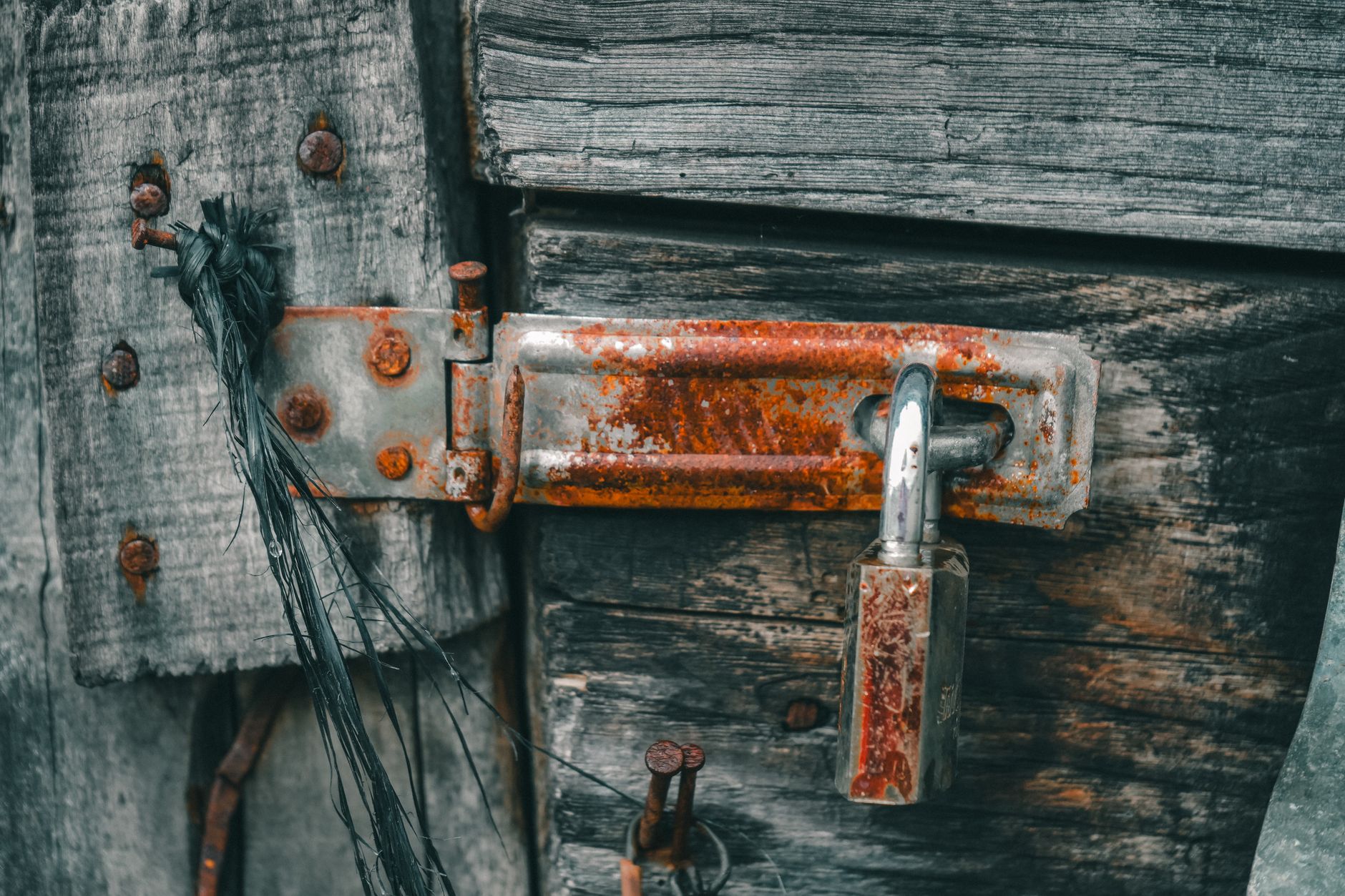
Chloride is more than a cosmetic nuisance. The U.S. Environmental Protection Agency says road salt can damage property and infrastructure, and cites approximately $5 billion in annual U.S. repairs involving corrosive effects on vehicles, bridges, and roads. Indoor exposure is smaller, but repeated wetting and drying concentrates salt around thresholds, fasteners, door frames, elevator tracks, and machine components.
Stainless steel is not immune. The Nickel Institute explains that aqueous chloride can damage its passive film and cause pitting or crevice corrosion. It also reports that calcium chloride can become corrosive at 32 degrees Fahrenheit and 45 percent humidity, while sodium chloride can become corrosive at 50 degrees Fahrenheit and 76 percent humidity.
Inspect the robot's caster forks, wheel axles, fasteners, charging contacts, brush hardware, and squeegee assembly after contaminated runs. Remove residue using the manufacturer's approved method, usually involving wiping or controlled fresh-water rinsing on washable components. Never spray electrical enclosures, sensors, batteries, or charging hardware unless the equipment documentation expressly permits it.
Apply the same discipline to the building. Remove salty water from metal transitions and elevator sills, rinse compatible surfaces, and dry crevices where brine can stagnate. Record early rust staining, swollen flooring edges, finish whitening, or recurring haze so maintenance can intervene before damage spreads.
Measure containment, not just cleaned square footage
Large facility coverage is the wrong headline metric during a storm. The valuable result is how little contamination escapes the entrance. Track the distance of visible residue from each door, repeat-pass frequency, mat saturation, recovery-tank condition, staff interventions, and inspection failures at the clean boundary.
A simple white-cloth wipe or conductivity comparison can reveal residue that looks invisible after drying. Establish the facility's own clean reference and sampling method rather than treating an arbitrary reading as universal. Test the same marked locations after comparable weather events so trends are meaningful.
OSHA requires workplace surfaces to be kept clean, orderly, and, to the extent feasible, dry. Its warehousing guidance also recommends drainage and rubber mats where ice or water makes floors slippery. Documenting inspections, pauses, mat exchanges, and corrective passes helps show that the winter plan is an active control process, not an unattended machine schedule.
Specify the robot around the winter operating plan
A commercial robotic floor cleaner should be selected against the actual entrance materials, slopes, thresholds, pedestrian peaks, drainage, contamination load, and approved chemistry. Useful capabilities may include adjustable liquid flow, effective dirty-water recovery, replaceable squeegees, suitable brushes, protected components, editable zones, and dependable obstacle handling. Feature availability varies, so each claim should be tested on site.
Service Robot Co. approaches that work as an OEM-neutral, full-service commercial robot integrator for U.S. businesses. A site assessment maps the containment boundary and tests a robot that fits your floor. The same partner can then arrange financing, handle robot deployment and integration, train the crew, and support the unit through a nationwide U.S. engineer network.
That lifecycle matters in winter. A commercial cleaning robot rental or autonomous floor scrubber rental should include more than machine delivery. A credible robot pilot program reproduces tracked salt, wet mats, doorway congestion, recovery-tank loading, and storm route changes. Service planning should also define remote triage, consumable checks, on-site dispatch, and the response when the assigned unit cannot safely finish its route.
No machine eliminates entrance management. The strongest program combines capable equipment with trained people who exchange mats, remove bulk water, isolate unsafe areas, approve route releases, and clean the robot before it travels elsewhere.