Key takeaways
- Choose an adjustable turf vacuum or grooming machine, not a conventional hard-floor scrubber.
- Test infill retention, hair and tape pickup, edges, and markings on the actual field before purchase.
- Calculate nightly capacity from demonstrated route time, charging, bin service, and manual detail work.
- Keep specialist grooming and infill correction in the maintenance plan even after automating routine pickup.
Start with a turf machine, not a floor scrubber
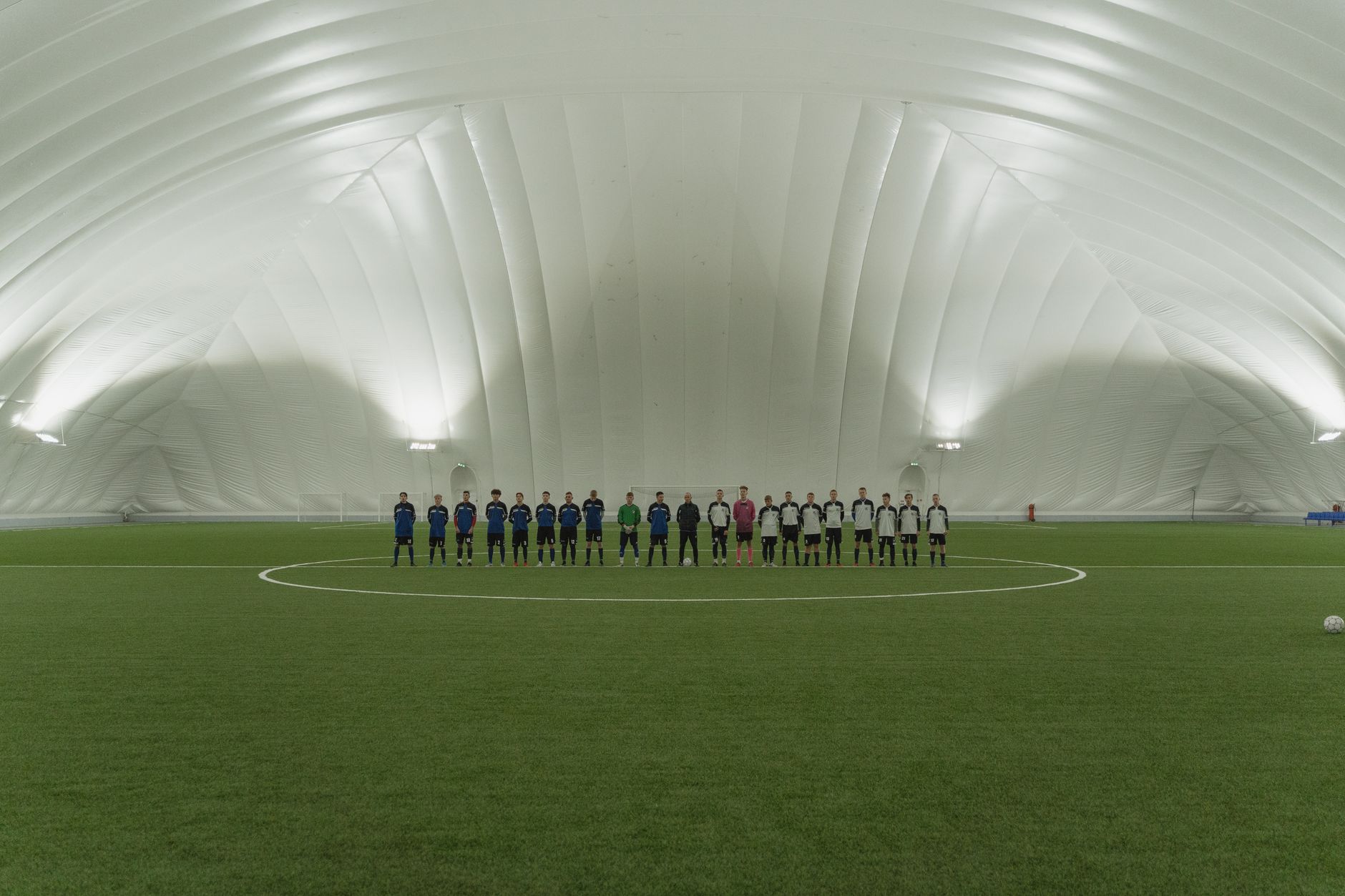
The right machine for indoor sports turf is a turf-capable vacuum, sweeper, or grooming unit with adjustable brush engagement and controlled suction. On an infilled field, it should remove surface debris without harvesting the rubber, sand, or organic infill that supports the fibers. A conventional floor scrubber is usually the wrong starting point.
Hard-floor scrubbers are built to apply liquid, agitate a comparatively flat surface, and recover slurry through a squeegee. Indoor turf presents a different job: lift hair and athletic tape from a fibrous pile, preserve infill depth, raise matted fibers, cross seams gently, and work beside boards or walls. A scrubber may leave the field damp while failing to perform the grooming that protects playability.
Require three demonstrated capabilities before calling a machine turf-ready: clean pickup at the installed fiber height, acceptable infill retention, and stable travel across the entire field. The demonstration must happen on your turf with your debris. A generic gym cleaning robot or autonomous floor scrubber that performed well on rubber flooring proves little about synthetic grass.
What does fiber height change?
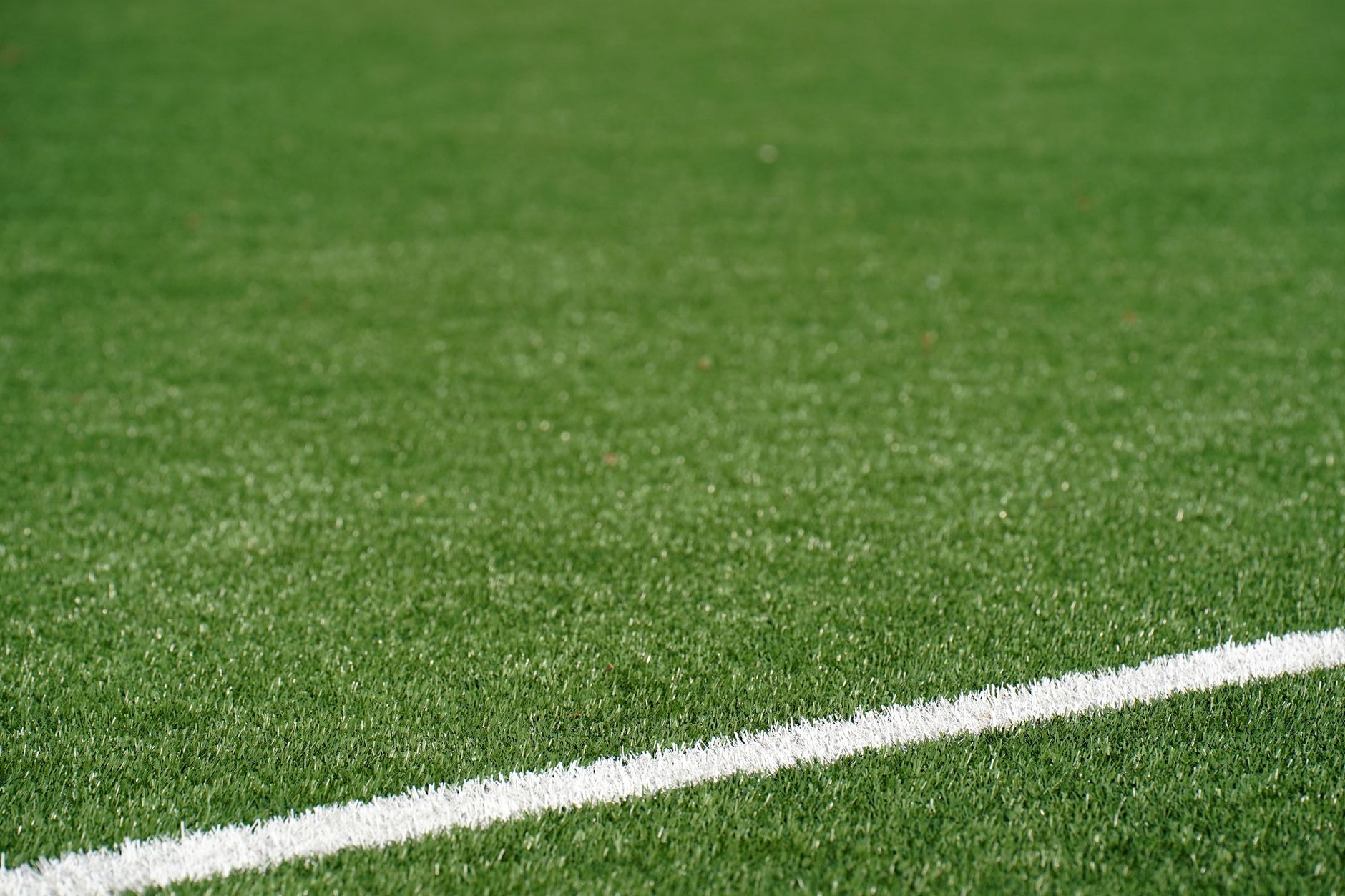
Begin with the field specification. Short, dense, non-infilled turf behaves more like commercial carpet and may tolerate a light vacuuming head. Long-pile football turf relies on infill to support upright fibers and manage playing characteristics. The same brush height, suction setting, and wheel load should not be assumed suitable for both.
The Football Association advises that grass pile should ideally protrude 15 to 20 millimeters above the infill layer in the 3G system covered by its guidance. That figure is not a universal setting for every field, but it illustrates why exposed fiber and infill depth must be measured together. A brush that merely skims one field may dig into another.
Record total pile height, exposed pile, infill type, backing construction, seam layout, and installer restrictions during the site assessment. Then test several settings. The brush should contact fibers consistently without plowing through the infill or loading the collector with granules. Written approval from the turf provider is valuable because maintenance obligations are often tied to the field warranty.
How do you remove debris without removing infill?
Infill retention is the decisive difference between a turf vacuum and an ordinary commercial vacuum. The Synthetic Turf Council says field maintenance should include surface cleaning, debris removal, grooming, infill redistribution, and decompaction. Suction alone addresses only one part of that cycle.
World Rugby offers a useful usage-based framework: debris removal, brushing, and seam checks every 40 playing hours; infill-depth and fiber-position checks every 160 hours; and decompaction plus equipment service every 2,000 hours. It also cautions that the field condition may demand more frequent work. Indoor facilities with back-to-back leases should therefore schedule maintenance by playing hours, not just calendar weeks.
Look for adjustable suction, brush height control, low ground pressure, and a collector that lets staff see what was captured. Deep-cleaning equipment may also separate contamination and return usable infill, but that is a different function from nightly litter pickup. During a pilot, inspect the hopper after the first lane and weigh or otherwise document infill loss before expanding the route.
- Run pickup trials in the center, goalmouths, sidelines, and heavily used drill zones.
- Compare infill depth before and after repeated passes at the same setting.
- Check the brush, wheels, axle, and chassis for granules carried off the field.
- Test dry and slightly damp conditions permitted by the turf and equipment manuals.
- Confirm that operators can change settings without guesswork between turf zones.
Can it capture hair, tape, and debris along the edges?
Indoor fields collect human hair, lint, athletic tape, broken laces, label backing, snack fragments, and fragments from training aids. Hair can wind around shafts instead of reaching the bin. Tape may cling to fibers, bridge an intake, or wrap a rotating brush. Ask for a sustained debris trial, then inspect the brush chamber and measure the time required to cut away wrapped material.
Act Global's turf maintenance manual lists athletic tape among the light trash found on infilled systems and recommends gentle vacuuming that avoids drawing up infill. It specifies synthetic sweeper bristles such as nylon or polypropylene, a minimum brush length of 2.5 inches, a maximum bristle diameter of 0.030 inch, and no metal or wire. Your own turf manual remains controlling, but these details show how specific a credible turf qualification should be.
Edges need their own acceptance test. Boards, rebound walls, divider curtains, goals, and net anchors create narrow pockets that a wide machine cannot enter. A side brush designed for hard flooring may flick infill toward the wall. Establish the closest safe pass, map fixed exclusions, and count the remaining manual minutes. Honest edge cleaning combines machine coverage with a narrow vacuum or hand tool instead of pretending the robot reaches every inch.
How should the machine cross markings and seams?
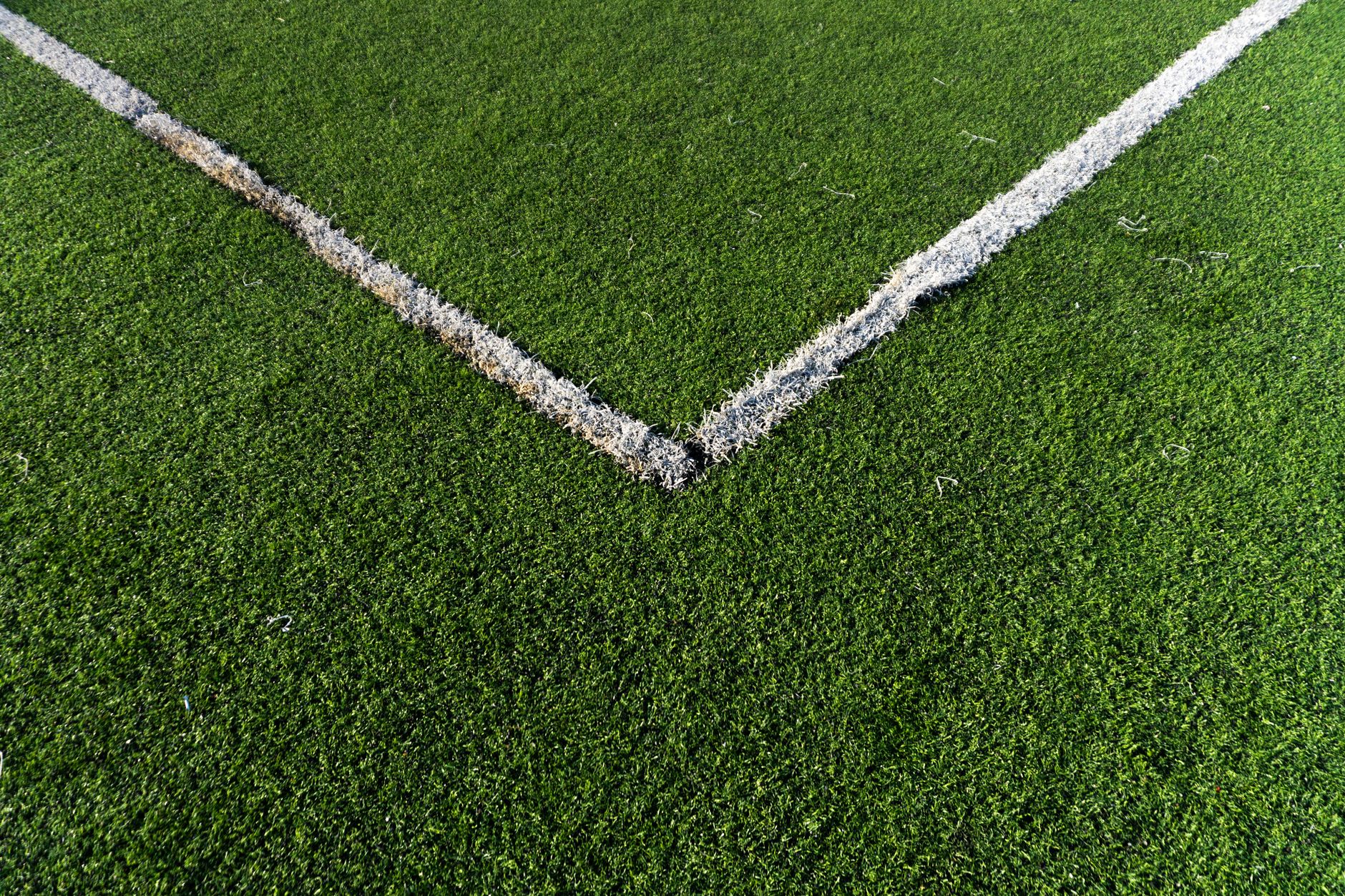
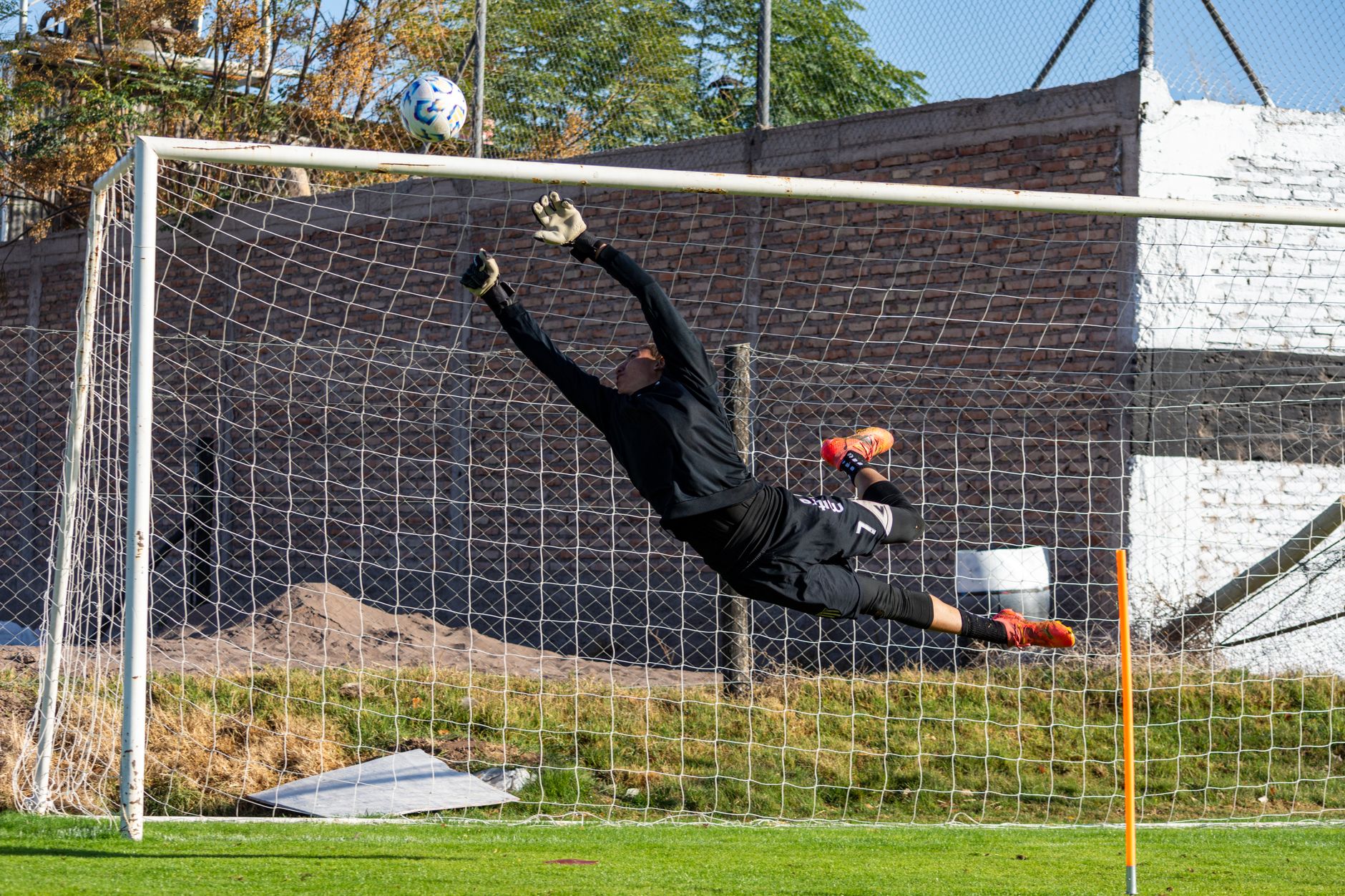
Field markings may be tufted, inlaid, or painted. The Synthetic Turf Council recommends minimal, uniform gaps around inlays and warns that repeated paint applications can create buildup on fibers and in the infill. Those areas deserve inspection during mapping because they may present different traction, pile stiffness, or seam exposure.
Program broad turns and straight passes where possible. Avoid pivoting sharply on an inlaid line, running an active brush while stationary, or repeatedly turning on the same center mark. Rotate route direction so the machine does not train the pile one way or concentrate wheel traffic over one seam.
Temporary tape is especially troublesome. FieldTurf's maintenance guide warns that field-marking tape may pull fibers, leave adhesive residue, or become a trip hazard. Remove loose tape before an autonomous run, flag adhesive patches for spot treatment, and inspect painted or inlaid lines after the first several cycles. A clean route is unacceptable if it frays a marking or opens a seam.
What counts as enough after-hours capacity?
Capacity starts with the booking calendar, not the machine's advertised maximum. FIFA says its Quality category evaluates football turf intended to handle 40 to 60 hours of play per week. Act Global's manual tells owners to budget approximately one hour of inspection and maintenance for every 10 hours of playing time. These are reference points, not promises about a particular facility, but they show why heavy use creates more than a simple square-footage problem.
Measure the cleanable field area after subtracting permanent obstacles, then time a complete pickup pass under realistic debris conditions. Add charging, bin emptying, filter cleaning, hair removal, recovery from navigation stops, and the manual edge route. If grooming is a separate pass, budget it separately. Nominal large facility coverage is meaningless if the unit cannot finish before the first morning lease.
Treat an overnight cleaning no operator claim as something to prove during a robot pilot program. Run several full nights and record start time, finish time, interventions, battery state, missed strips, debris retained, and infill collected. The reliable number is demonstrated square footage per available night under your operating conditions.
- Define the latest safe start after players, goals, and divider nets are cleared.
- Set a hard completion deadline before opening staff enter the field.
- Reserve time for charging or a planned battery change.
- Include manual edge work and a final field inspection in the nightly labor model.
How should a facility pilot and support the equipment?
Automation fits the broad, repeatable pickup route best. It does not eliminate specialist decompaction, infill leveling, seam repair, stain treatment, or periodic performance checks. A sound plan assigns routine vacuuming to the machine and keeps turf technicians responsible for playing-surface condition.
Service Robot Co. acts as a vendor-neutral robot integrator for US businesses. For indoor turf, that means comparing turf-capable machines across manufacturers, validating the robot that fits your floor, mapping the site, training staff, and arranging service through a nationwide engineer network. One partner handles financing, robot deployment and integration, go-live support, and the robot maintenance service plan.
A commercial cleaning robot lease or autonomous vacuum robot leasing can reduce commitment risk when the equipment is still being proven. Service Robot Co. offers monthly payment programs with RoboCare™ service, plus per-job and month-to-month options rather than requiring a long capital purchase. Start with a commercial robot demo and a measured field pilot. Expand only after the machine proves pickup quality, infill control, edge workload, and after-hours capacity.