Key takeaways
- Bentgrass fairways are cut lower than bermudagrass, so height tolerance matters more for robot passes.
- Bermudagrass fairways can run robot passes 9 to 12 months a year, according to a USGA summary.
- Overseeded warm-season turf needs crew watch during transition weeks.
- Test one representative hole per species before a full course commits.
- Stripe quality depends on grass type and height as much as on the mower.
Why grass species sets cut height before the mower starts
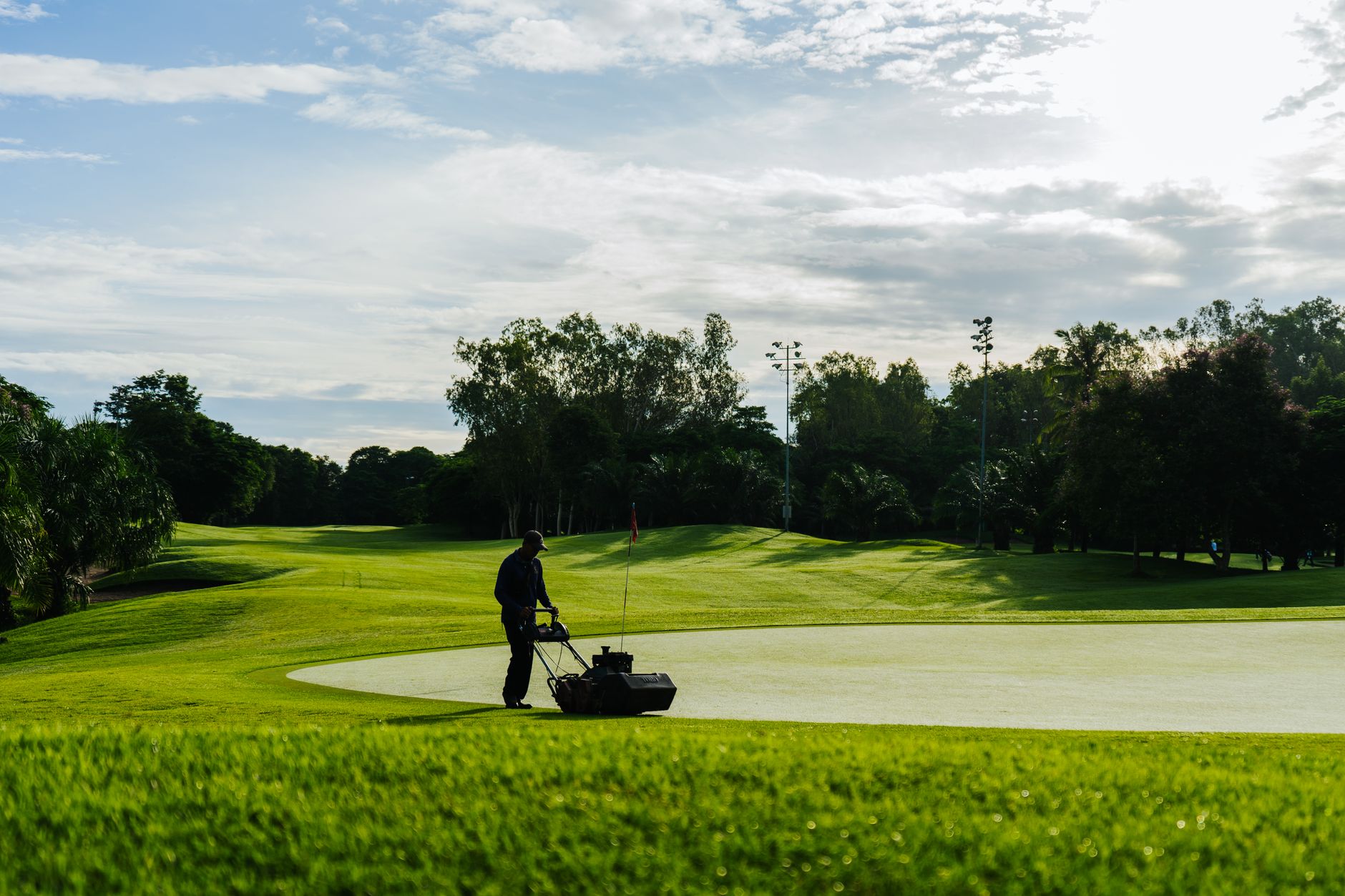
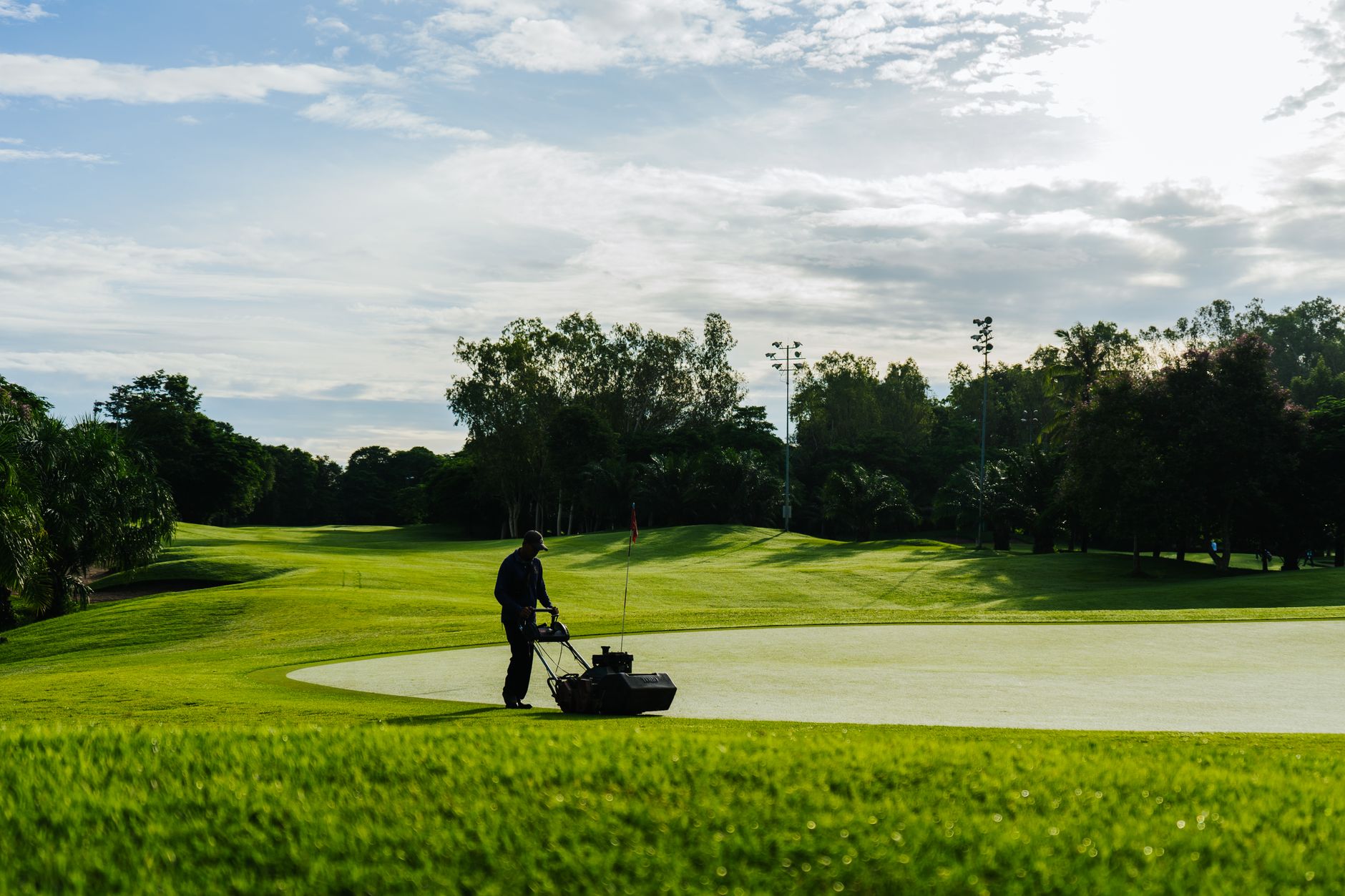
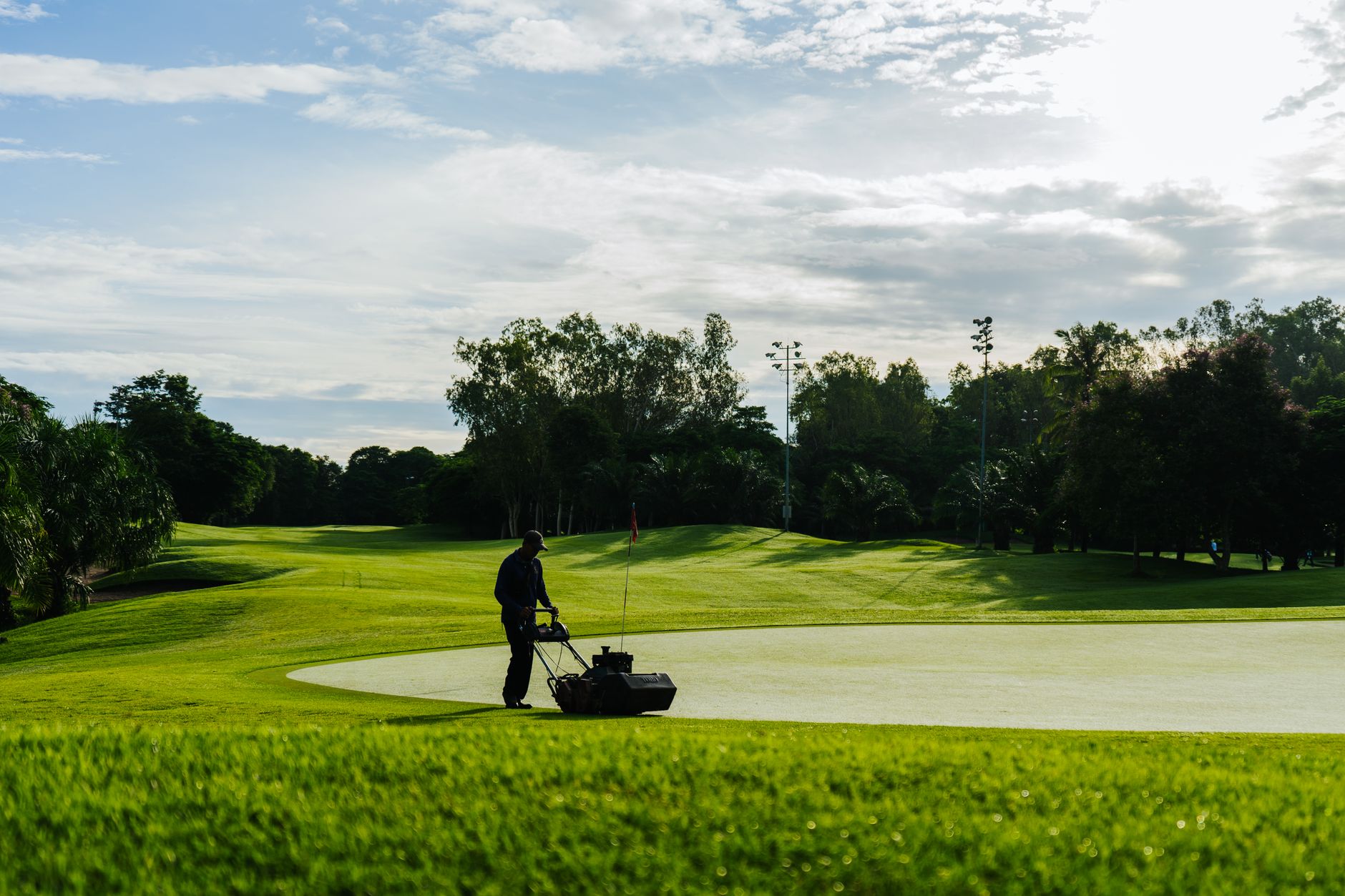
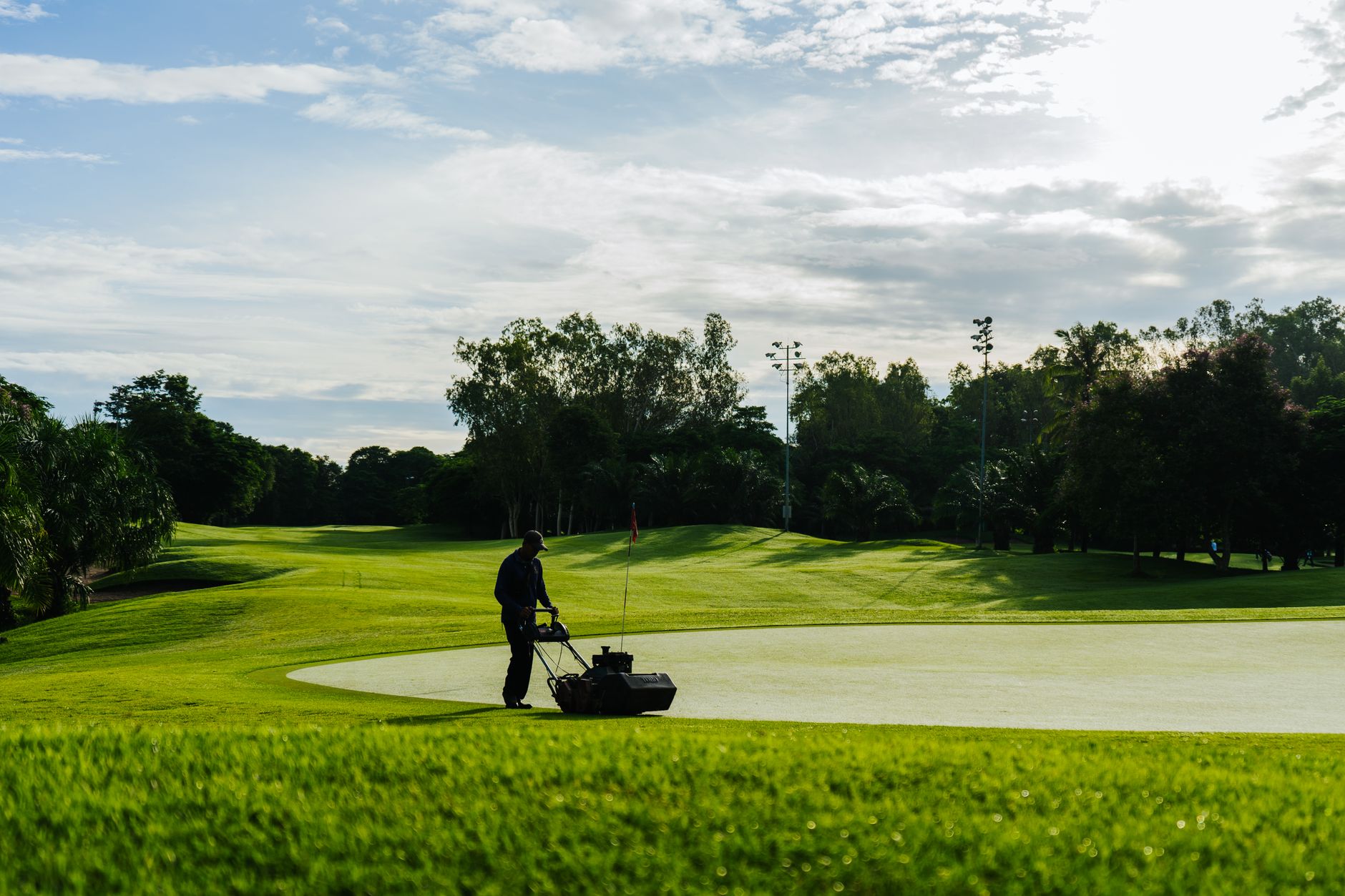
Warm-season and cool-season fairways call for different robot mowing plans, and the difference starts with the grass itself. Creeping bentgrass performs best at 1/2 inch or less, according to a University of Kentucky fairway guide. A UC extension mowing table lists common bermudagrass at 1 to 1 1/2 inches and hybrid bermudagrass at 1/2 to 1 inch.
Those heights set the mowing window, the margin for error and the moments a crew has to step in. Stripe quality follows the same logic. A robot can only be as clean as the turf it cuts, so the species on each hole is the first variable to log, not the mower model.
The sections below cover season length, the robot trial evidence for each grass type, hand-work triggers, and a one-hole test that gives a superintendent measured results before a full course commits.
How the growing season changes the mowing window
Season length is where warm and cool fairways diverge most. A USGA page, as summarized in a search snippet, says bermudagrass is cut 9 to 12 months a year, while bentgrass and Poa annua courses have a 5 to 7 month active season. Confirm those figures against the page before quoting them.
For a robot, that split decides scheduling. A bermudagrass course can run passes through most of the year. A bentgrass course concentrates passes into its active months and can hold the unit through dormancy, which changes how many months a lease should span.
Cut height moves with the season too. USGA notes that fairway height can be raised to about 0.7 inch at peak season, and that bermudagrass canopies open up as mowing height increases. That article dates from 2013, so treat it as background, but the canopy behavior is still the part to watch.
What cool-season fairways show in robot trials
The strongest robot data for cool-season fairways comes from Europe. A USGA Green Section Record article reports a study of five Nordic courses with cool-season species, including bentgrass, Kentucky bluegrass, red fescue and perennial ryegrass. In the ROBO-GOLF trial at NIBIO Landvik, fairways were set at 15 mm and semi-rough at 35 mm.
Turf quality with robotic and conventional mowing was similar, according to a SterF fact sheet. Clover results were less tidy. Less white clover appeared on robot-mown fairways and more on robot-mown semi-rough, and the researchers called the fairway clover results contradictory.
A 2025 Norwegian fairway study in ITRS Journal reported no risk of decreased fairway turf quality when switching from reel to autonomous mowing, based on the abstract. The FAIRWAYS4FUTURE project, running from 2023 to 2026, tests fairway height against nitrogen rate. Early findings say high height and high nitrogen let weeds encroach faster, so the mower setting and the fertility program have to be planned together.
What warm-season and overseeded fairways show
Warm-season turf raises the overseeding question. An Agronomy study from November 2024 overseeded 29 cool-season cultivars on Tifway bermudagrass and mowed them with an autonomous mower. Annual ryegrass had the best spring transition, with a mean of 96% green cover in July 2023. Those figures come from the abstract, so read the full paper before quoting them to a board.
An Italian fairway case study from 2025, by Macolino and Pornaro and listed in a Golfdom November and December 2025 edition, found reel mowers gave superior turf quality in most months. Autonomous mowers kept acceptable standards and showed cost and CO2 advantages. The robot did not lead on appearance, but it stayed within acceptable standards.
When should a crew step in by hand?
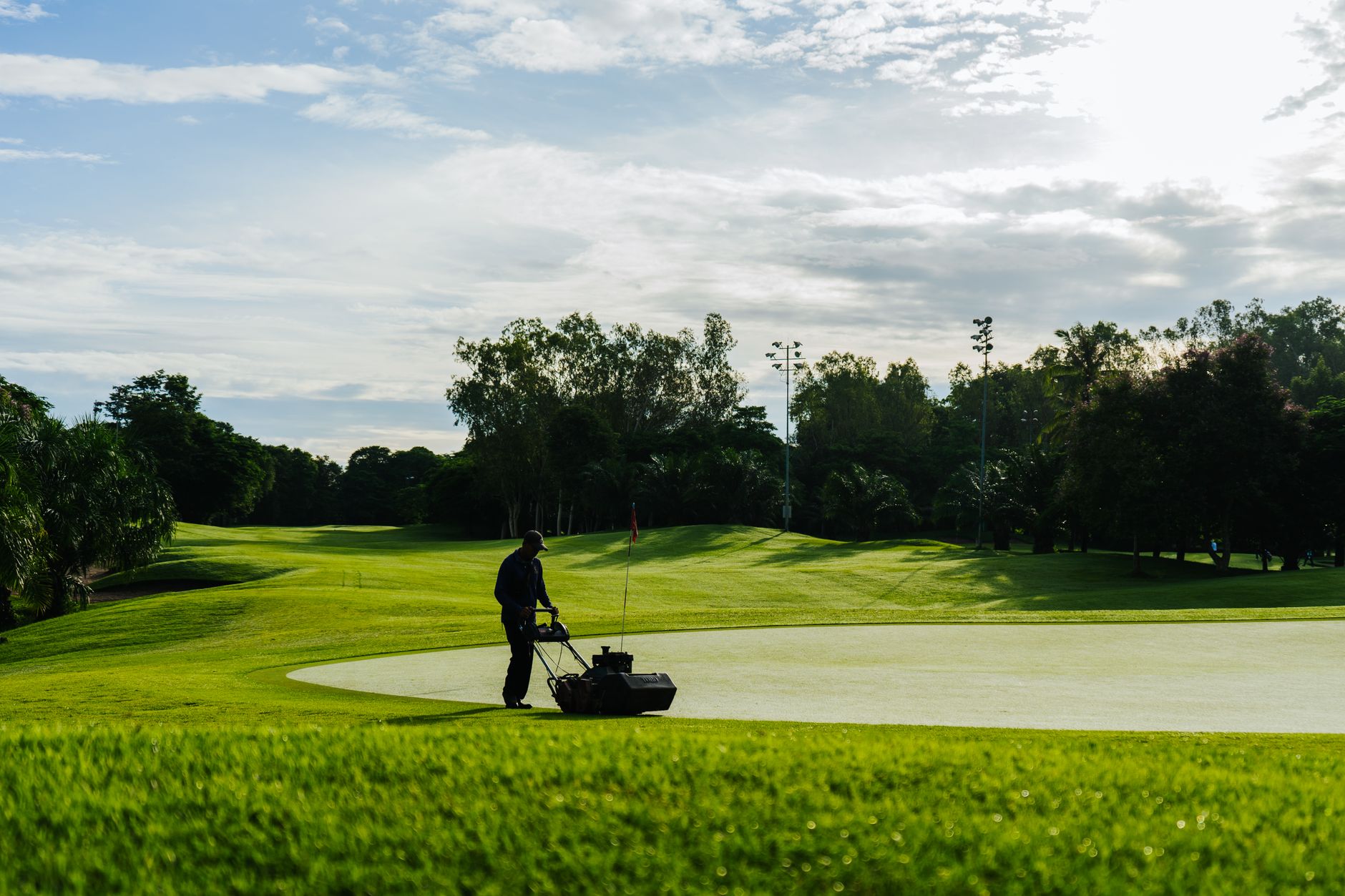
The clearest US field signal in this search comes from Walnut Creek Golf Preserve in Colorado, which beta-tested the GeoLink autonomous fairway mower as of late 2025. The superintendent found it works best as supplemental support for fairway mowing, so the crew keeps its hands on the work the mower does not track well.
These triggers reflect operating judgment, not a published standard, and the trials above did not test each one.
- Transition weeks after overseeding, while seedlings are still establishing and green cover is still building.
- Fairway zones where the cut sits at the bottom of the species range and any height drift or wheel mark shows quickly.
- Wet or dormant turf that shows tracks after a pass.
- Edges, collars and any hole where the mapped boundary no longer matches the current layout.
What to test on one hole before a full course
Pick one hole that represents each species on the course, chosen for typical conditions rather than the best turf. Run the same mower settings across the test, and compare against a hand-cut control hole.
- Set cutting height to the species guide range, then log height, passes and pass times for at least one full season window.
- Score stripe definition and turf quality weekly against the control hole.
- Count white clover, weeds and wheel marks at the same spots each week, as the Nordic trials did.
- Record crew minutes spent on hand work and edges, not only mower hours.
- Log every stop, fault and manual rescue, with the time each one took.
Why stripe quality depends on grass type
Stripes read from the canopy, and the canopy comes from the species. A bentgrass fairway cut low and evenly can hold a crisp line. Bermudagrass cut higher opens up its canopy as height rises, according to USGA, which softens the line even when the mower runs a clean path.
Robots repeat the same passes, so any species-driven variation shows up in repeating bands. A superintendent should judge the stripe on the grass first and adjust height or fertility before blaming the mower.
How Service Robot Co. handles a species test
Service Robot Co. (servicerobotco.com) is a vendor neutral robot integrator. We choose robots across manufacturers, arrange commercial robot leasing through financing, handle robot deployment and integration, train staff, and service every unit under RoboCare, our service program, backed by regional service engineers in every state we service. One partner covers the whole lifecycle.
A species test usually starts with one leased unit on one representative hole, run as a robot pilot program. We complete a site assessment first, then provide one fixed lease payment on a 3-year lease, so the cost of the test is known before any pass runs. Remote triage and on-site dispatch cover faults during the trial.
Frequently asked questions
Want a robot working for you?
Tell us the job and the site. We will recommend the robot, quote the lease, and keep it serviced.
Sources
- University of Kentucky turf fairway grasses guide
- UC Agriculture and Natural Resources mowing height table
- USGA: Fairway and rough heights vary by the season (2013)
- USGA Green Section Record: How do robot mowers affect turf management and the golfer experience
- SterF: ROBO-GOLF project
- SterF fact sheet: Use of robotic mowers on golf courses
- Agronomy (MDPI), November 2024: overseeding cool-season cultivars on bermudagrass
- Golfdom November/December 2025 edition: autonomous fairway mowing case study