Key takeaways
- Buy by zone and task. No single robot is ideal for lobby carpet, backstage transport and loading-area inspection.
- Protect performance windows with quiet modes, time-based permissions and fast-reset routes that staff can start quickly.
- Treat carpet vacuuming, spot response and periodic extraction as separate layers of care.
- Pilot on the venue's hardest night, including crowds, cables, scenery, door transitions and schedule changes.
- Compare the complete lifecycle: financing, integration, training, maintenance, field service and replacement coverage.
Start with a mixed fleet built around the venue map
A regional performing arts center usually needs three distinct capabilities. Use autonomous cleaning equipment for repeatable floor coverage, mobile delivery robots for controlled backstage runs, and inspection robots for loading areas or building rounds. Trying to make one machine serve every zone usually produces compromises in deck size, noise, maneuverability and payload.
The right mix begins with surfaces and traffic. Lobby carpet favors a commercial carpet cleaning robot or autonomous vacuum, while broad hard-floor concourses may justify an autonomous floor scrubber rental. Backstage corridors call for a compact carrier that can yield around performers and road cases. Loading areas need tougher cleaning equipment and inspection sensors suited to dust, debris, standing water and changing dock geometry.
Schedule matters as much as hardware. The fleet must clean after audience exit, stand down during sound checks, support resets between performances and recover gracefully when rehearsals run late. Buy the operating plan, charging layout, staff roles and service coverage together with the machines.
- Lobby and public concourse: autonomous vacuuming, hard-floor scrubbing and spill-response support
- Backstage corridors: compact delivery, waste movement and light cleaning outside active calls
- Rehearsal rooms: quiet vacuuming or scrubbing scheduled around classes and rehearsals
- Loading and receiving areas: sweeping, scrubbing and repeatable visual or thermal inspection rounds
What should each zone ask of a robot?
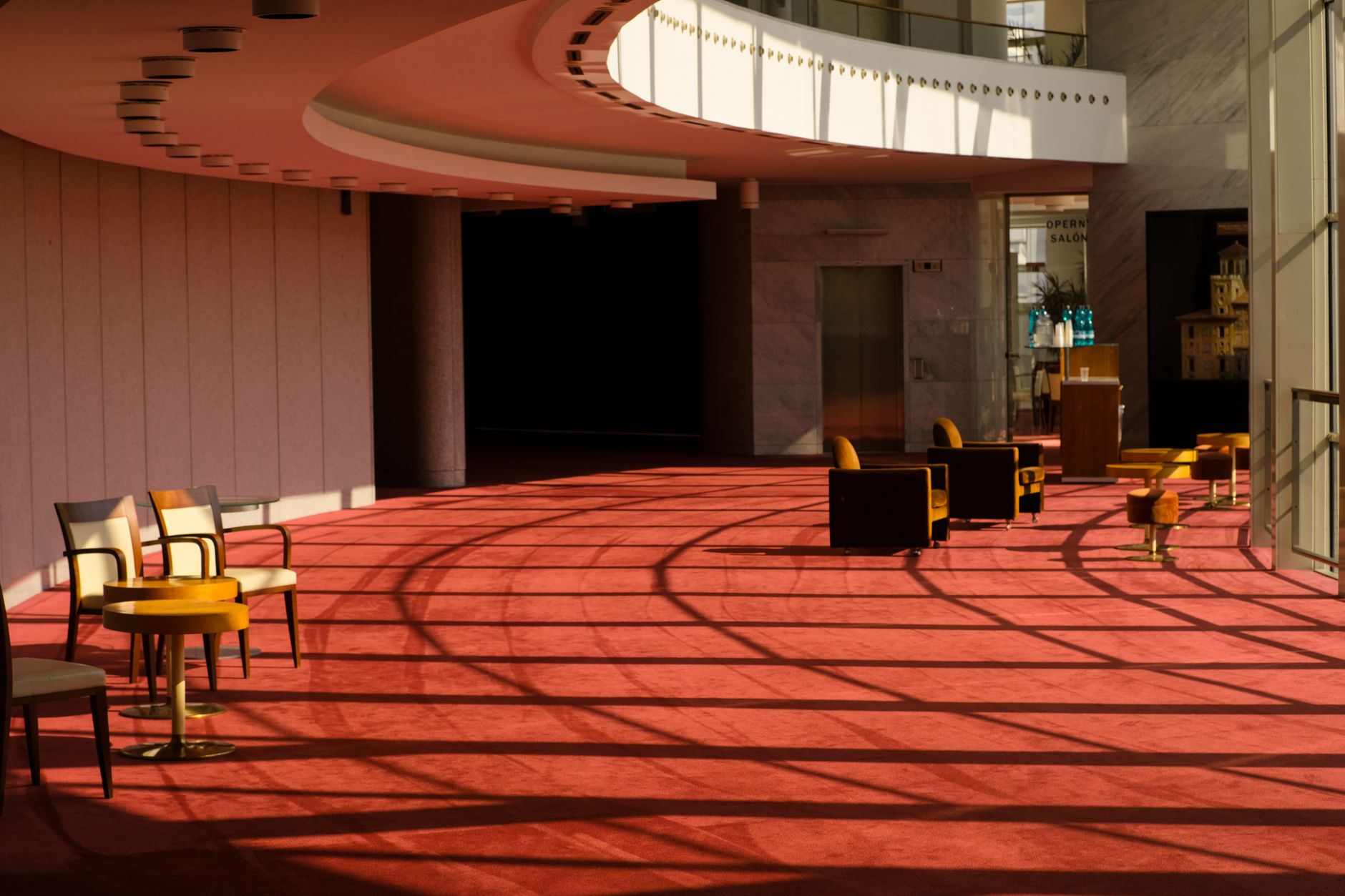
The lobby is an appearance zone with dense, unpredictable pedestrian flow. Favor excellent obstacle detection, conservative speed behavior, clean edge work and simple pause controls. A robot that covers more square footage on paper can still be the wrong choice if it cannot negotiate stanchions, merchandise tables, temporary bars and mobility devices without repeated intervention.
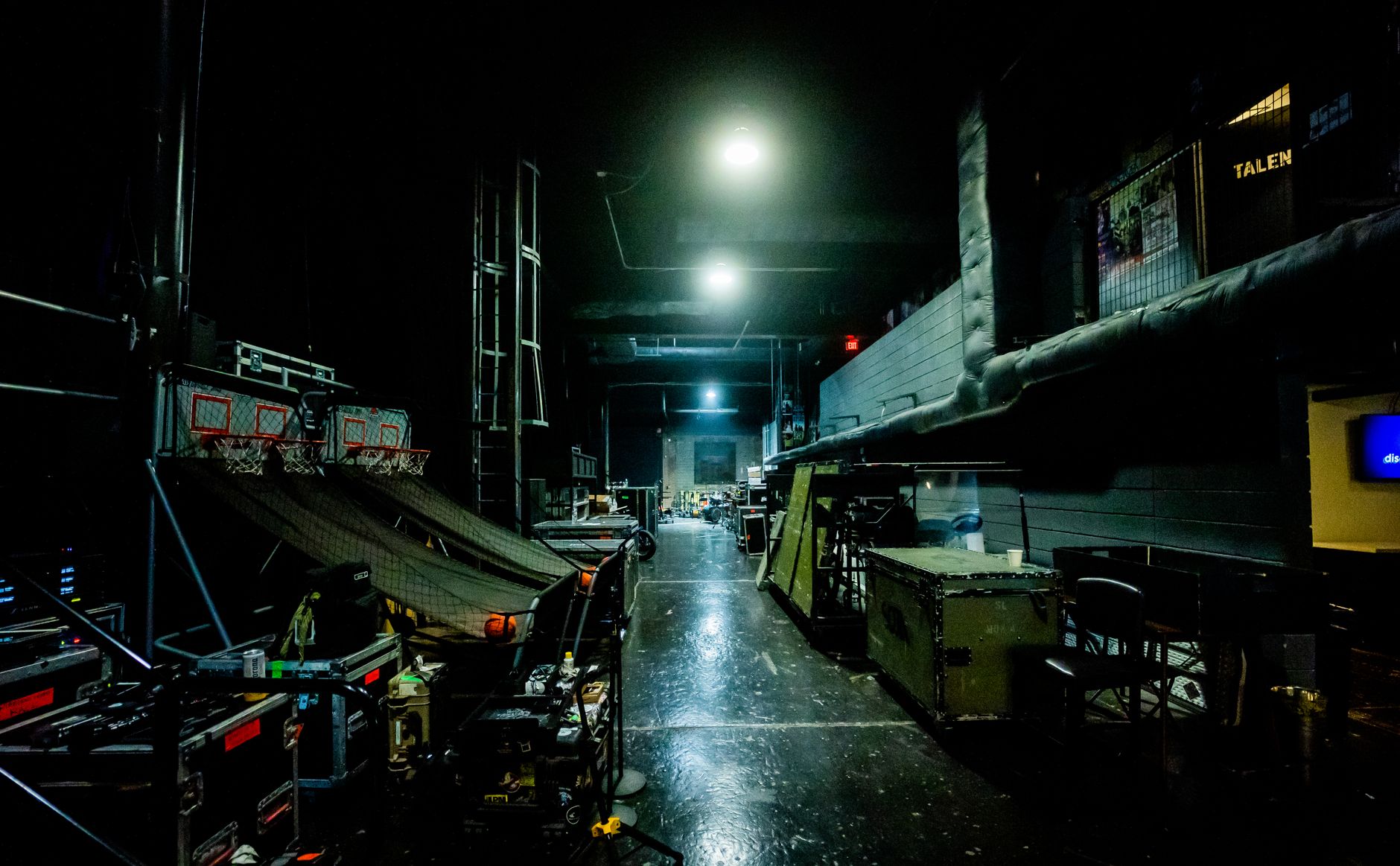
Backstage is a logistics zone. A delivery robot should fit through the narrowest real doorway with its payload aboard, stop predictably around blind corners and accept route closures when scenery or cable ramps appear. Useful jobs include moving sealed consumables, programs, small wardrobe supplies, radios and approved cleaning materials. Do not automate ad hoc loads that can shift, leak or protrude.
Rehearsal rooms require floor compatibility and restraint. Test turns on sprung floors, dance surfaces and transitions rather than assuming a general-purpose machine is acceptable. Loading areas demand a different build: debris tolerance, traction, protected sensors and routes that never cross an active truck maneuver without an explicit control procedure.
- Record the narrowest door, tightest turn, steepest approved slope and tallest threshold on every candidate route.
- Classify each floor by material, finish, approved chemistry and moisture limits.
- List temporary obstacles by production type, including cable ramps, masking, cases, chairs and portable concessions.
- Define where the robot may wait, charge, refill, drain and be recovered without entering an exit route.
How should robots fit the performance calendar?
A theater day is not a warehouse shift. Calls slide, doors open early and a matinee can compress the reset before an evening house. Build schedules from venue states such as dark, rehearsal, preset, audience entry, performance, intermission, audience exit and post-show reset. Each state should grant specific robots permission to enter specific zones.
Use event triggers as well as clock times. Front-of-house staff can release a lobby route after the final audience sweep. Stage management can hold backstage delivery during scene shifts or sound-sensitive work. Facilities can suspend loading-area patrols when trucks are moving. A visible hold control is more valuable than a rigid calendar that staff learn to ignore.
For fast resets, pre-map short priority routes. One route can collect lobby debris, another can vacuum the main carpet lanes, and another can scrub only verified hard-floor trouble spots. Staff should be able to launch the right route without editing the master map. Completion reports then show what was covered and what still needs manual attention.
- Dark-day program: deeper coverage, periodic carpet work and inspection rounds
- Pre-show program: entrances, main traffic lanes and guest-facing hard floors
- Between-performance reset: short priority routes with rapid staff inspection afterward
- Post-show program: full routine cleaning after public and production teams clear each zone
What does good carpet care require?
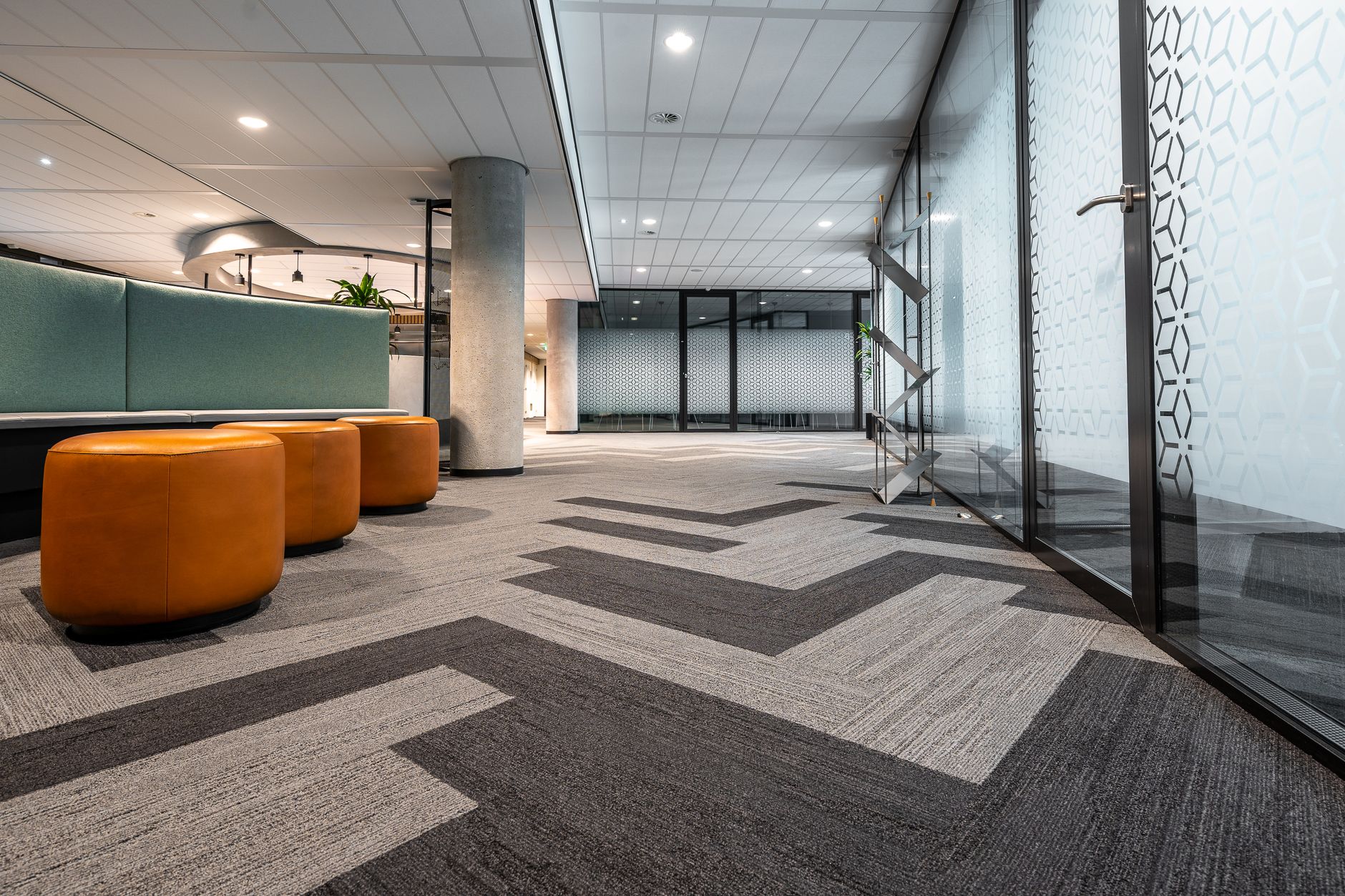
Autonomous vacuuming is the maintenance layer, not the entire carpet program. The Carpet and Rug Institute's commercial guidance calls for daily vacuuming in heavy-traffic areas such as entrances. That makes lobby lanes, vestibules and aisle approaches natural candidates for repeatable autonomous vacuum routes after the house clears.
Specify pickup performance on the venue's actual pile, mats and transitions. Test common soils from a performance night, including tracked grit, paper fragments and concessions debris. Check edge pickup around walls and stanchion bases, and verify that brushes do not pull loose fibers or catch temporary floor protection.
Keep spotting and periodic restorative cleaning in the plan. A commercial carpet cleaning robot may handle routine dry pickup or an approved interim method, but spills still need prompt human classification and treatment. Extraction introduces moisture, drying time and chemistry questions that must be reconciled with the carpet warranty and the next audience window.
For cleaning chemistry, the U.S. Environmental Protection Agency says nearly 2,000 products qualify for its Safer Choice label. The program evaluates ingredients and requires category-specific performance, giving buyers a useful screening criterion for approved carpet and floor products without relying on vague environmental claims.
Quiet operation has to be tested in context
A decibel figure on a specification sheet does not predict what musicians, actors or patrons will hear. Brush harmonics, wheel chatter over thresholds, alert tones and docking sounds can carry through quiet corridors. Test each candidate during a real rehearsal from the stage, house, dressing rooms and adjacent offices.
Measure normal travel, active cleaning, turns, obstacle avoidance and docking separately. Require configurable alert volume only where changing it remains safe and code compliant. Quiet mode should also reduce unnecessary speech prompts and aggressive acceleration, not merely lower the vacuum motor.
Occupational limits are not an audience-comfort target. The Occupational Safety and Health Administration requires a hearing conservation program when general-industry worker exposure reaches 85 dBA over an 8-hour exposure. A performing arts center should set a much lower operational acceptance threshold based on its ambient measurements, artistic requirements and room-to-room sound transmission.
The safest rule is temporal separation. Keep loud cleaning outside rehearsals and performances, then reserve silent transport or low-noise inspection for approved backstage windows. Any robot near an active stage should be subject to an immediate staff hold.
How do delivery and inspection capabilities earn their place?
Delivery automation pays operationally when the route is frequent, predictable and interruptible. A multi-floor delivery robot may be appropriate only after doors, access controls and elevators are tested as one journey. Without reliable building integration, staff can spend more time rescuing the machine than they save on routine runs.
Choose payloads by containment and handling risk. Lockable compartments suit controlled supplies; shelves suit stable, non-sensitive items; powered carts may fit heavier back-of-house moves. Establish load limits, secure loose items and keep food, chemicals, costumes and electronic equipment in separately approved workflows.
Inspection robots are best assigned to repeatable observations. In loading areas they can document dock doors, water intrusion, damaged guards, obstructed paths or unusual surface conditions. In mechanical or electrical spaces, sensor selection and access rules should be approved by qualified facility personnel. Robot findings should create a reviewable exception, not declare the area safe by themselves.
Treat every route as conditional. Touring productions reshape backstage space, and a truck call can invalidate yesterday's loading map. Fast route suspension, temporary no-go zones and a clear human escalation path are mandatory capabilities.
Accessibility, egress and recovery shape the purchase
Robot navigation must preserve human access. The U.S. Department of Justice's ADA Standards specify a 36-inch minimum clear width for walking surfaces on accessible routes, with limited reductions to 32 inches under defined conditions. Door openings generally require 32 inches of clear width. Those figures are access requirements, not permission to fill the remaining space with a moving or parked robot.
Turning areas deserve equal attention. The ADA Standards specify larger clearances for certain 180-degree turns and require passing spaces at intervals no greater than 200 feet when an accessible route is less than 60 inches wide. Validate routes with patrons using wheelchairs, walkers, canes and service animals represented in the risk review.
Charging docks, staging points and failed robots must stay out of circulation and exit paths. OSHA's exit-route rule states that exit routes must remain free and unobstructed, with no equipment placed in them temporarily or permanently. Map recovery pull-offs and confirm that staff can move a disabled unit without special equipment.
Acceptance testing should include crowding, low light, reflective doors, black curtains, cable ramps, abrupt map changes and loss of network service. Document who may stop, move and restart each robot. Emergency procedures belong in staff training and show-day documentation.
Compare the program, not just the machine
A useful request for proposal starts with outcomes by zone, then asks vendors to demonstrate them on site. Compare verified coverage, intervention frequency, cleaning quality, payload fit, acoustic behavior, reporting, consumables, maintenance intervals and recovery steps. A commercial robot demo on an empty lobby is not enough. Run a robot pilot program across a representative production cycle.
Financing should follow operational confidence. Ask for lease, rental or sale structures, monthly payment programs and clear terms for maintenance included. Compare robot leasing versus buying using the same deployment scope, training, software, field service and end-of-term assumptions. Claims such as no upfront capital or no long term contract belong in the signed proposal, not in a sales conversation.
Service Robot Co. operates as an OEM-neutral, full-service commercial robot integrator for U.S. businesses. The team selects equipment across manufacturers, then finances, deploys, integrates, trains and services each unit through a nationwide U.S. engineer network. That one-vendor lifecycle is useful for performing arts centers because cleaning, delivery and inspection equipment may come from different manufacturers while the venue still needs one partner and one number.
Before approval, require a site assessment, route maps, acceptance criteria, operator training, remote triage procedures, on-site dispatch terms and replacement-unit rules. A vendor-neutral robot integrator should explain why each robot fits its floor and task, including where manual work remains the better choice.